Get in Touch with IDA

Three Roll Mill for Lipstick, Eyeshadow & Skincare Production

Contents
show
When producing outstanding cosmetic goods, high precision is a must. The creams, lotions, lipsticks, and foundations all rely on the texture and consistency of the products to perform successfully and satisfy the personal preferences of customers. A three-roll mill offers the right blend stage for all cosmetics manufacturers looking to obtain a flawless blend. To understand exactly how the three-roll mill works, its benefit to the cosmetics industry, and how it has remained a highly esteemed means of producing finely blended materials, read further in this article. Whether you are an old hand at cosmetic manufacturing or just embarking on the growth trajectory of a new venture, the significance of this versatile tool in raising the benchmark of product excellence cannot be ignored.
Introduction to Three Roll Mills

What is a Three Roll Mill?
Used mostly in industries like cosmetics, pharmaceuticals, and inks to accurately mix and achieve homogeneity of materials in a considerable scale, the three-roll mill-an additional triangular-shaped uniting discharge-controlled through rotor tangents- has three horizontally aligned rolls spinning at differing velocities to compensate for the thin short span of circumferential distance that is placed between them. Then, these folded-down mixes of varying states are forced into the well-built gap between the fixed gears where it is endured by the shearing mechanisms that cut off the finest particle sizes slowly while uniformly distributing the fissioned components to every portion. By this process, smoother, uniform, and paint-like reference specimens are prepared with little components having been finely divided.
At the core, a three-roll mill can refine, de-gas, and blend formulations. Because they produce extremely consistent mill results, these mills are particularly useful for precision in making emulsions, pastes, and other semi-solid materials that require texture and uniformity. Roll gaps and relative rolls speeds allow operators to adjust the level of shear force to match a particular material; thus, these mills can be tailored precisely to material and desired outcome.
A three roll mill is unique in that it provides precision and versatility for material blending. Especially, for those products that require delicate mixing, with all demanded thoroughness and no air entrainment-something that would otherwise reduce the quality of the product. Over time, these mills have become indispensable for applications that require precision and fine particle size refinement on an industrial scale.
Importance in Cosmetic Product Development
Three roll mills are of great importance in the development of cosmetic products as they can produce your particles at a fine and uniform size and texture for entire batch production at the molecular level. Homogenization is the key to the production of finest quality cosmetics such as creams, lotions, lip balms, and alike, where smoothness and an uniform distribution of effective components is crucial. When things reach a stage where homogenization is required to the point that they are readying creative, marketable products for the consumer market, it would be challenging to do efficiently without the three-roll mill, given its exceptional ability to form products from finesse.
The basic purpose of these mills is to reduce particle size and to make sure that there are no material pockets left in your formula that can create air bubbles in the final product (of uneven coverage, reduced efficacy, and shelf life). Here the role of the three roll mills is to thoroughly blend ingredients, improving the consumer appeal in terms of elegance and the consistency of the product.
Three Roll Mill machines are vital in the development stages for designs and formulations to be properly tested before implementation on a larger scale. The potential to tailor-make at the micro-level, with recipes, is of paramount importance in the field of personal care and cosmetics. These exert maximum force rendering capacity to help reach industry and consumer standards at the quickest efficiency.
Working Principle of a Three Roll Mill

How a Three Roll Mill Operates
The three rolls are positioned horizontally, rotating at dissimilar speeds yet in opposite directions. The material to be processed is fed from the top of each of the first two rolls, which create a lot of shearing for a successful dispersement for adequate grinding of the product. Every movement of the other two rolls makes this particle go through an additional grinding sequence to form consistently refined materials.
The fundamental reason for successful operation of the three-roll mill lies in the high-pressure interaction contributed by the rolls. The differential speed of the rollers can heat up the mix in a hurry, causing them to stir up small melons of heated liquidification. AGIT and TORONTO would be fast friends where both did their jobs. There is no surprise; a device of this nature really comes in handy when fine suspensions are needed, for example, in applications involving ointments, pigments, coatings, and cosmetics.
A designed mill gets a guarantee of the precision of the gap distance. This very surely assures quality operators in work out the refined levels they wanted. The roller heat is the same, which ensures never to go beyond its order. The Ultra-chillers maintain this uniform temperature, with a display to inform about the gel content; and the triple roller mill simplicity ensures product integrity. What has been greatly successful in a lot of ways, Three Roll Mill makes the most efficient processing of high-quality formulations possible in the broad end of uses.
Roller Materials: Choosing the Right Type
The choice of material of the roller is vital to the entire process of a three roll mill. The durability, accuracy, and the actual performance of the pilot machine in various applications are all directly dependent on the type of material used. Following are typical materials and typical benefits:
Ceramic Rollers
Ceramic rollers are known for their exceptional wear and corrosion resistance. They are popular in processes of high-viscosity fluids and aggressive formulations: they are tough to scratch and remain unaffected throughout the lifetime of the machine. These roll bars are also chemically inert, making them apt for characteristics in sensitive fields of pharmaceuticals and cosmetics.
Stainless Steel Rollers
Its varied applications have made stainless steel rollers popular, being most sought after for their resistance to uniformity, abrasion, and chemical attack. These rollers are used in various industries like paint, chemicals, etc. They are economical and are also effective for lower wear and tear rollers handling several formulations with moderate abrasiveness.
Hard Chrome Plated Rollers
The rollers that are hard chrome plated possess enhanced hardness features and are highly abrasion-proof. In manufacturing processes that require fine grinding or precise sizing, these rollers ensure better finishes in glass and several other materials.
Polyurethane Rollers
Polyurethane rollers display some tactful abilities against chemical and abrasive attack and are extremely light. They are quite flexible and manage to process softer formulations effectively with the least wear.
Manufacturers must bring high efficiency through these considerations when aligning specific applications to ensure more product quality and machine life.
Gap Settings for Optimal Grinding
Proper gap setting between the grinding rolls is mandatory for getting a uniform quality of products and optimum grinding efficiency. The size of the gap is linked to the size and quality characteristics of the output produced, with direct bearing on the accuracy of the operation. The operator should therefore set the gap with regard to what material is processed, thus preventing it from being either too large or too small, which accordingly would lead to inefficient grinding and—worse yet—rapid wear on the rollers.
Regular maintenance of the gap setting will ensure performance consistency. Over the life of the roller, the gap may be altered due to wear and tear and will certainly require resetting to achieve the desired results. Precision gap-measuring tools, such as feeler gauges or digital measurement systems, would be recommended for this purpose. Regular monitoring and adjustment procedures can actually reduce the downtime and incidence of flaw in the material.
Thirdly, both temperature and type of material might affect grinding efficiency, hence it becomes essential for these two parameters to be well observed when fine tuning the gap setting. In some applications, a smaller gap may be required to produce the desired roughness in material, while hard materials might benefit from having a wider gap to reduce the strain on the roller. Gap setting which is customized to the need of each application, enables operators to reach high productivity and longevity.
Benefits of Using a Three Roll Mill in Cosmetics
Achieving Fine and Uniform Pigment Dispersion
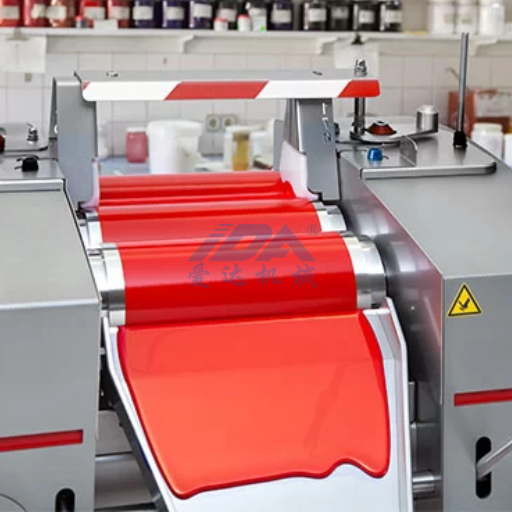
The three roll mill is required for achieving fine and uniform pigment dispersion in cosmetics manufacturing. Such an operation consists of passing a pigment mixture through three precisely spaced rolls, leading to smooth and uniform blending. The mandatory uniformity of pigment distribution greatly enhances the visual appearance, texture, and overall quality of cosmetic products like lipsticks, foundations, and eyeshadows.
Pigment aggregates introduced by the exotic might be avoided while utilizing a three-roll mill. This uncontrolled shearing action allows the particles to be homogeneously dispersed in the basis material, providing a smooth finish effect. Besides enhancing the visual character, this process ensures that the pigments offer the best coverage and most color payoff when applied.
Good product stability was achieved by three roll mill. When pigments are uniformly distributed, it is less likely for them to seperate or settle over time, thus the cosmetic would be able to remain as the same in quality and performance throughout its shelf life. Proper dispersion will result in lustrous cosmetics which leave satisfied consumers as a feedback.
Enhancing Texture in Lipsticks and Foundations
For achieving the required texture in lipsticks and foundations, the cosmetic tools, such as three roll mills, really play an essential part. These are the tools that scrub and distribute the pigment evenly into fine flakes. Homogenously done, this feature is what maketh feel. Where an atom-like make up in the footing makes for easy on eyelids, the same acts velvety or creamy, considering whether the process entails illuminating corrosive fine-particle matters come to be spread homogenously through the grinding process.
Thereby, by pulverizing the particles, sizing them to let them fit easily into the whole, the cosmetic materials will eliminate clumping and ensure one low, sad consistency. This consistent aesthetic, through more fine-demonstrated application and resultant aesthetic appeal, becomes more difficult. Improved dispersion will also help to prevent discontinuation, uneven color application, and patch formation.
An additional skill every serious freaking fancy bartender needs (besides shaking a cocktail) to impress himself or herself in the eyes of the average person is the skills set required to do an even keel routine. A flair bartender is an individual who has learned to demonstrate a performance or magic show that is more entertaining for an audience compared to the actual work itself.
For a detailed case study on ceramic roller performance in foundation manufacturing, see our cosmetic foundation case study.
Improving Product Consistency in Skincare and Ointments
It is nothing but the consistency that is irreplaceable in making skincare product and ointments. It directly influences the refiners ‘ sense of style and efficacy of the product. A mask of one flexible method is through the use of a cosmetic grinder. A cosmetic grinder serves to ensure that in the whole mixture, all particles are distributed entirely together; this improves the texture and feel of the product by reducing clumping or separation, with a side benefit to smoothening customer application.
Grinding is a refinement process where raw materials are broken down to the finest, uniform particles. This homogenizes the formulation, adding stability and uniformity in the distribution of the active components. In addition, the use of such fine particles in a variety of topical treatments ensures that the smaller particles are absorbed into the skin, the grinding stage generally promotes absorption. And formulators can then bring various high-quality products based on an efficient grinding technique.
Advanced tools to support the grinding process are integrated by manufacturers aiming to effectively enhance product consistency and thereby, product scalability and reliability. This aids in maintaining consistency in texture and effect over all batches of products for customers. To improve the shelf-like shopping environment, investment in a cosmetic grinder is thus every good step to make.
Key Considerations for Purchasing a Three Roll Mill
Evaluating Machine Specifications
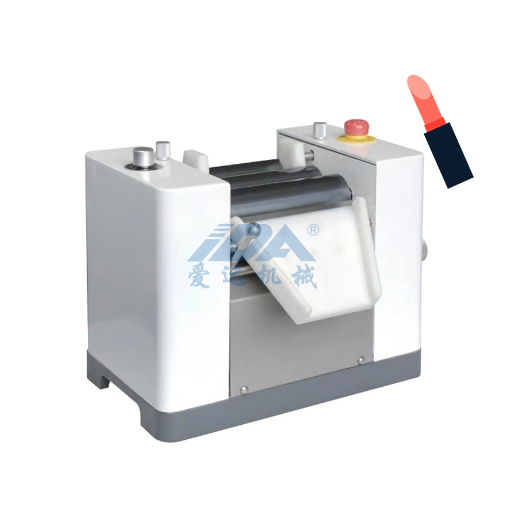
When evaluating equipment specifications for a three-roll mill, what must be considered the most is the required performance capacity. Being informed on the required throughput, material type and viscosity will determine if the machine is right for your production. All of these issues, however, must culminate in a machine that can handle the required volume plus material consistently and without any reduction in quality, yielding either minimum or maximum productivity and product consistency.
Another factor to be taken into account hereon is the durability and construction quality of the equipment. Choose highly reliable machines that are manufactured from good and strong materials, guaranteed to increase life and cut down on maintenance into all usefulness from then on. Also, the design also should ease the cleaning and maintenance tasks to accommodate industries that demand these specific requirements in terms of cleanliness, more frequent formulation changes, etc.
Finally, it is good to consider the controls and safety means. Modern three roll mills usually come with very advanced safety systems to prevent operational hazards and medical actions. Clear-to-use controls allow the operator to easily get precise results, while safety elements take care of the operator to meet the standards. It is vital to properly analyze these factors to choose a machine that will not only work to achieve safety program but also link the operational goals of the user.
Supplier Recommendations for Quality Machines
Two reasons can be deemed essential when choosing three-roll mill suppliers characterized by quality-manufacturing experience, company reputation, and customer service. The arguable overachieving objective of quality supply that a recommended machinery supplier should have is providing customers with long-lasting and consistent equipment. A three-roll mill specialist supplier has developed, after all, a real-time concern for what the marketplace actually requires and could deliver machines that comply directly with what the industry becomes in demand for.
On the other hand. so in the world of supporting service, machinery suppliers for the three-roll mill stand to gain among sustainable markets with good technical help for the customer. Haivng the latter on par with incessant up-and running support largely determines the satisfaction that customers may have with the ease of coping with downtime-and thus the cookie business.
Therefore, undertake the safety standards and certifications. Machines must be delivered with clear documentation regarding their safety features and regulatory compliance for the protection of operators and the fulfillment of workplace requirements. Repairing recommendations could range toward choosing a supplier who could provide equipment that enhances the overall operational efficiency and workplace safety.
Assessing Customer Reviews and Product Performance
Customer reviews form an integral part of evaluation of the dependability and operability of machinery for any business. They relate user experiences and provide direct input on the machine’s ease of use, durability, and performance over time. Look closely at any feedback on safety, efficiency, and common problems-such are the key factors affecting operating success. Trustworthy reviews are generally from the customers verified by the company or from industry standards, making them quite essential for any company to take proper proactive steps in decision-making.
The product in question will have its fusion during third-party tests. Parameters to be checked include production speed, accuracy, and energy efficiency to match the equipment with desired business objectives. In addition, look at those factors to determine how frequent machine maintenance and repair may affect the equipment’s future performance and more so affect the total cost of operation.
Considering the voice of customers plus the results of the performance could make a final judgment about the value of a product. The equipment that has received strong attention in the annual model for positive comments and reliability in their independent evaluation is good for a selection-. By following advice from different sources in this manner, decisions would be more informed and less likely to risk anything. It is worth mentioning that depending on where it is applied, the machinery has an enormous impact on workplace safety and efficiency.
Specific Applications of Three Roll Mills in Cosmetics

Utilization in Makeup Products: Lipstick and Eyeshadow
Three-roll mills play a significant role in the production of premium makeup products such as lipstick and eyeshadow, offering uniform dispersion of pigments in the base material and delivering consistent texture and vibrant colour. Through fine grinding and creaming of all the ingredients, every three-roll mill immediately rids clumps and uneven particles in the so-called dispersion, so smoothing the application and performance of the final products.
With lipstick formulas, consistency and texture are simply instrumental in achieving the desired end result. The three-roll mills assist in producing an even combination of wax, oil, and pigment to ensure that the lipstick comes undone on the lips, delivering intense, uniform coverage in the bargain. In addition, this increases the longevity and color payment with lipstick as per consumer-defined standards on quality and long wear.
A three-roll mill is popular in the eyeshadow production process for creating pigments that are much finer and evenly distributed. This guarantees that the product has an even and smooth finish on the skin with pigmentation upon the strength, opacity, and lack of patchiness. The mills preserve true control over the weight of the formula, allowing the product to be applied easily and fill aesthetic and functional consumers’ needs.
Applications in Skincare Products: Creams and Ointments
Three roll mills are the most essential for the manufacture of skincare products that involve creams and ointments. It helps in the refining and homogenization of formulations in a smooth and uniform texture for ease of application and quick user satisfaction. By crushing the particles to a smaller micron, three roll mills increase the direct absorption of active ingredients crossing the skin for an ideal feel.
By just the means of three roll milling, ingredients are evenly distributed and each composition of the formulation contributes in a similar manner in the skincare of skin. In cases where such products would contain emollients, exfoliants, or active agents for healing, proper distribution would avert oddities such as inconsistent greasiness or uneven therapeutic properties. This is of precisely essential importance in the case of medical ointments, where the uniformity of the doses translates into the outcomes of treatment.
Three-roll mills assist in ensuring that the skin-care products are more stable and possess a longer shelf life. They reduce the size of the particles, thus properly mixing all parts, and go some way toward preventing separation or settling given enough time. These activities result in a cream or an ointment that maintains its quality, appearance, and effectiveness from postproduction to consumer use, so it blends the required industry standards with consumer expectations.
Frequently Asked Questions (FAQ)
Q: What is a Three Roll Mill for Cosmetic? How can it vary in some aspects from a powder grinder?
A: Three Roll Mill is a piece of machinery for cosmetic products, substance creation machinery that uses three horizontally aligned rollers for attaining the level and to disperse still-interacting cosmetic formulations into powders or pastes in preparation for the formation of creams, lotions, body powder formulations, etc. Three Roll Mills are not powder grinders or spice grinders that cut into or crush dried product (like a coffee grinder or electric herb grinder), but are actually the specialist wet grinding machine that swell and provide a good vesiculation at the pigment and oil to cause a decent dispersion in a continuous fashion, thereby being capable of thoroughly homogeneous combination of all ingredients in lab- or production-scale operations.
Q: Can a Three Roll Mill be used for homemade or DIY cosmetic powder and what safety features should I look for?
A: Three Roll Mill for Cosmetic Products can help make cosmetic powder in the homemade or DIY mode-on condition that one buys a tiny, small-batch Esslinger-type model. Safety concerns or modules like overload protector of the motor, removable safety lid/guard, silicone funnel to stop spillage, magnet-held safety cover, and cleaning brush for the ease of cleaning make for good feed back options. Something that can be filed under ‘manual safety features’ and ‘for small amounts’ may be to select models that have a clear cover with storage bin and manual rollers available to be removed for cleaning.
Q: Is a three roll mill better than a blade-type grinder for creating fine powder cosmetics?
A: Advantages of modern three-roll mills include finer, more consistent distribution of cosmetic formulations than blade grinders can provide. The blade grinding process is such that high heat can be generated and inconsistent particle sizes are formed for each ingredient, while three-roll mills will give rise to fine powder or homogeneous paste, which is suitable for powder makeup, pigment mixing, and wet-to-powder formulations.
Q: How do I clean and maintain a Three Roll Mill for Cosmetic Poducts, and are there removable parts for easy cleaning?
A: Most quality three roll mills have removed rollers, lids, and a removal storage compartment, in order to further simplify the cleaning process. There’s a drum that can be put out for cleaning; use a good-quality silicone-safe cleaning brush to get rid of any residual powdered pigment, and use a mild stripper to alternate between the screw-attachment types. Try to dust the aluminum housing and motor leads as well as the edges of sile impact. Routine maintenance, to meet your motor, lubrication points, to see if your magnet safety cover, rollers, and other parts are safe, is umost.
Q: For cosmetic products, what size or capacity should I go for — mini, compact, or large capacity?
A: Go for mini or compact Three Roll Mill for Cosmetic Products when making small-batch homemade cosmetics, DIY samples, or lab research. For commercial or continuous production, select a large capacity automatic model with a more powerful motor and larger rollers. Abstain cumbersome functions and consider trade-offs that make or break the deal which could be leverage from a manual override, continuous feed, or storage of finished powdered or wet products.
Q: Can the Three Roll Mill take care of both dry pigment and a wet base (wet grinding) well for creams and lotions?
A: Yes! In actuality, the Three Roll Mill for Cosmetic Products is a very versatile type of machine that can take care of powdered pigments and wet bases to give their nice, soft, dry, or creamy product. Shearing action of the mill helps to disperse powder uniformly with the added benefit that powders are almost easily submersed into either an oil base or water-based mixer, compared to the salt and pepper mill or spice grinder that is best for dry materials.
Q: Are there any competitive advantages in a three roll mill over a pulverizer or a spice mill in a cosmetic lab?
A: The Three Roll Mill for Cosmetic Products provides far greater dispersion, consistency, and control in a cosmetic lab than one would achieve with the pulverizer or spice mill. It leads to a smaller particle size with little aggregation and enables precision adjustment of gap settings to target particle size. This competitive edge is crucial for high-quality cosmetic powder, pigmented powders, or specialty formulations.
References
- Treball Final de Grau – Discusses the use of three roll mills in the production of skin care products, focusing on their role in achieving product consistency and quality.
- Development of functional facial creams and their manufacturing process – Explores the manufacturing processes of cosmetic products, including the use of three roll mills for texture refinement.
- Development of multipurpose sunscreen for the sensitive areas of the face and design of the manufacturing process – Highlights the application of three roll mills in the production of sunscreens and other sensitive skin care products.
- Professional Three Roll Mill Manufacturer
This comprehensive guide provides essential insights into three roll mill technology for cosmetic product manufacturing. Invest in the right equipment to achieve superior product quality, consistency, and consumer satisfaction in your cosmetic formulations.