Get in Touch with IDA

Blog
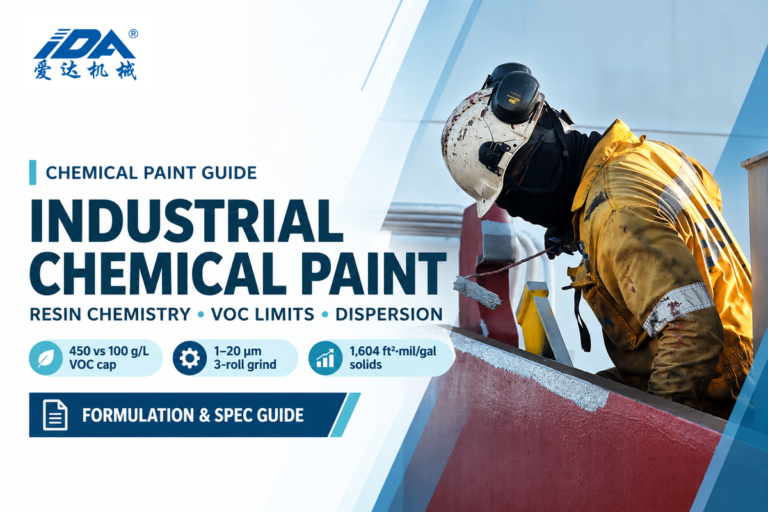
Chemical Paint Explained: Formulation Chemistry, Industrial Coatings, Stripping Prep, and Manufacturing
Updated November 2026 Chemical paint refers to liquid or paste coatings that are formulated…
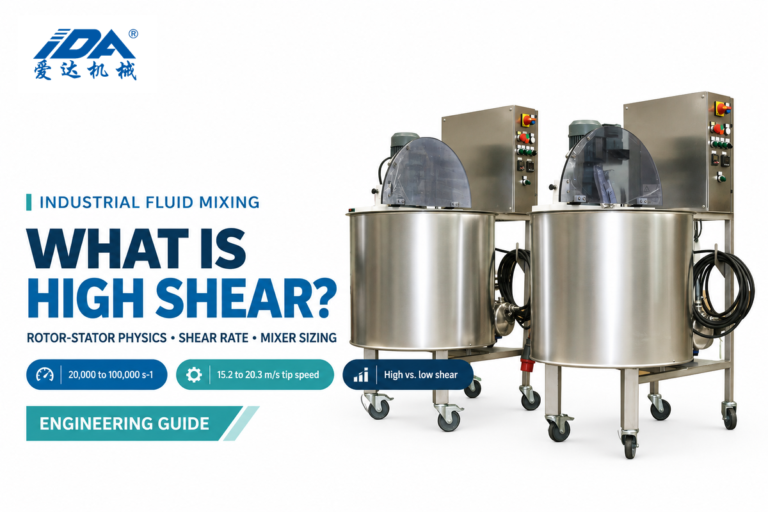
What Is High Shear in Industrial Mixing? Rotor-Stator Physics, Shear Rate Thresholds, and High vs. Low Shear Mixer Selection
When asking what is high shear, process engineers usually want to understand something different…
How Sunscreen Is Made in Industrial Manufacturing: Phase Formulation, Wet Dispersion, and SPF Quality Control
By Karry | Reviewed by the Jiangyin IDA Equipment Co., Ltd. technical team |…
Chocolate Milling in Industrial Production: 15–25 µm Particle Rheology, Mill Architectures, and Thermal Control
By Karry | Edited By Jiangyin IDA Equipment Co. Ltd. | (Updated November 2026)…
Dry Grinding in Industrial Processing: Mill Architectures, Micron Agglomeration Limits, and Wet Slurry Crossover
By Karry | Edited By Jiangyin IDA Equipment Co. Ltd. | (Updated November 2026)…
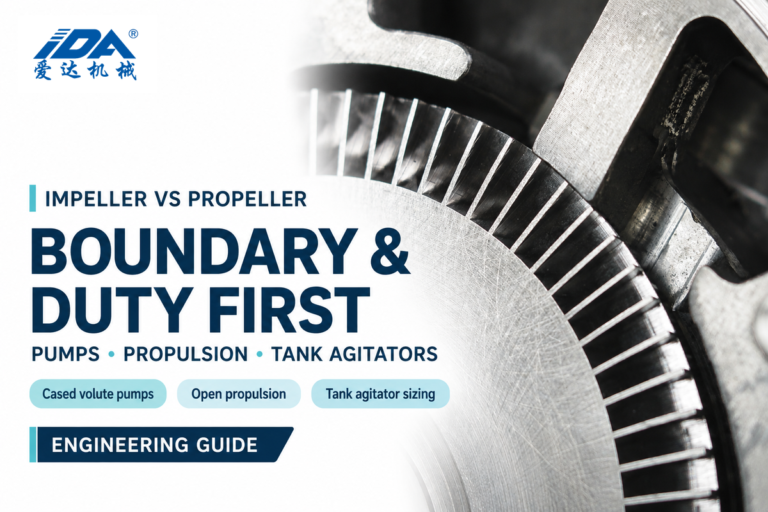
Impeller vs Propeller: Cased Housing Mechanics, Agitator Impeller Shafts, and Tank Mixing Selection
By Karry | Reviewed by the Jiangyin IDA Equipment Co., Ltd. technical team |…
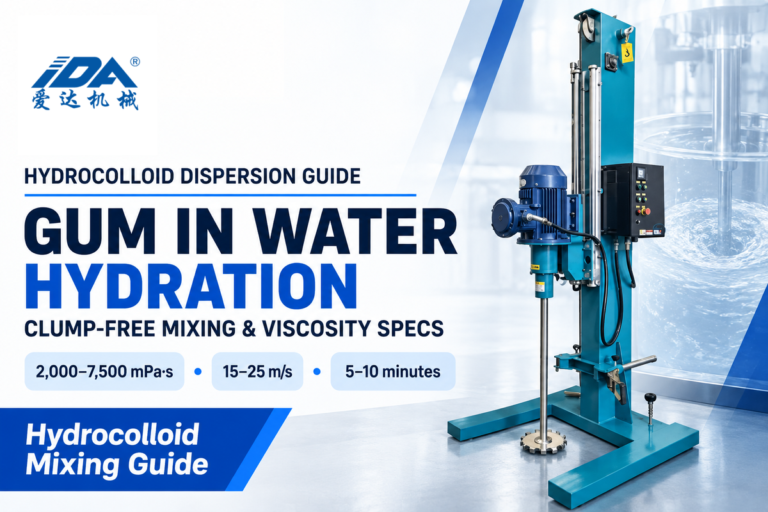
Gum in Water: Why Some Gums Harden While Hydrocolloids Dissolve, Plus 4 Clump-Free Dispersion Methods
Putting gum in water produces two opposite physical outcomes based on polymer chemistry. Commercial…
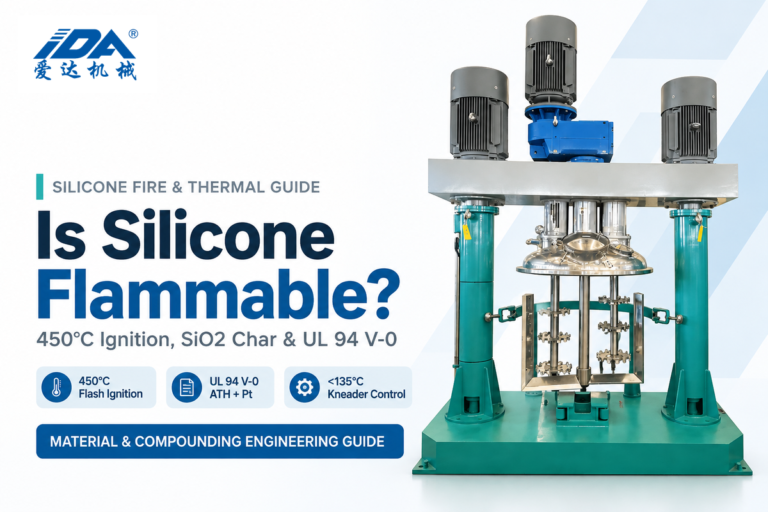
Is Silicone Flammable? Heat Resistant Temperature Range, Why Silicone Doesn’t Melt, and Flame-Retardant Additive Guide
When engineers ask is silicone flammable, the material boundary is clear: cured solid silicone…
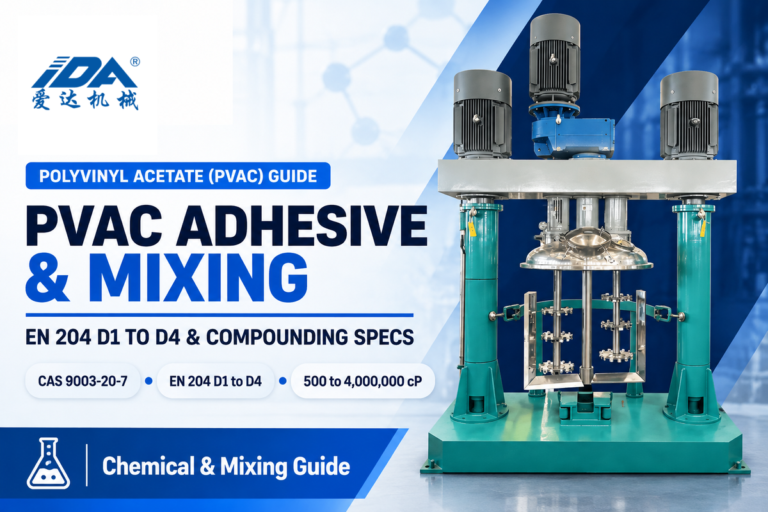
Polyvinyl Acetate (PVAc): Chemical Structure, Industrial Uses, Water Resistance Classes, and Compounding Equipment Guide
Polyvinyl acetate (PVAc, CAS 9003-20-7) is a synthetic thermoplastic homopolymer made through free-radical polymerization…
Trending now