
Get in Touch with IDA
Agrochemical Manufacturing Systems
Pesticide Production Line — Complete
Pesticide Production Line — Complete
SC & EC Formulation Solutions
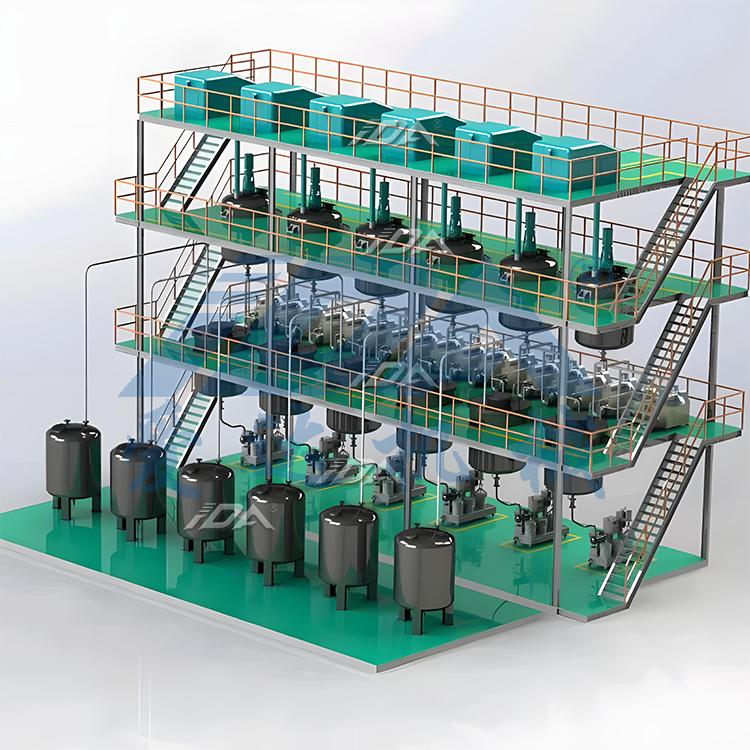
Turnkey interfaced agrochemical manufacturing plant systems by IDA Equipment—enabled from active ingredient batching to automatic filling. Scalable solutions optimized for the complex chemical stability of SC, EC, and OD formulations.
500+ Lines Delivered
PLC / SCADA Control
D90 < 3μm Accuracy
15+
Years Excellence
Pesticide SC Production Process — From Raw Material to Finished Product
SC manufacturing involves transforming powder (active) ingredients into stable aqueous suspensions over six consistent, precision-controlled steps. Each stage flows uninterrupted into the next stage.
01
Raw Material Batching & Weighing
Powder ingredients are weighed on electronic platform scales with 0.5% precision. Liquid adjuvants are fed via flow meter-controlled loaders into the pre-mix vessel. The system stores up to 50 individual recipes in memory.
02
Pre-Dispersion & High Shear Mixing
Disperser agitators operate at tip speeds of 15–25m/s to completely break lumps and wet out the active soil. Resulting coarse pre-mix features particle sizes of 50–100m. This step is key for batch-to-batch consistency.
03
Wet Grinding / Bead Milling
The most critical step. IDA’s horizontal bead mill employs zirconia beads (0.3-1.5 mm) to grind particles down to D90 < 5 μm. Jacket cooling keeps process temperature < 45°C to prevent thermal degradation.
04
Formulation & Additive Blending
Thickeners, defoamers, and preservatives are added with low-speed agitation (50-200 RPM). Final viscosity is calibrated to between 300-800 mPas based on packing requirements.
05
Filtration & Quality Testing
Self-cleaning filters (100-200 mesh) remove oversized debris. In-line QC assesses particle range, dispersibility (>90%), pH (6-8), and viscosity. Every batch follows CIPAC MT 46 standards.
06
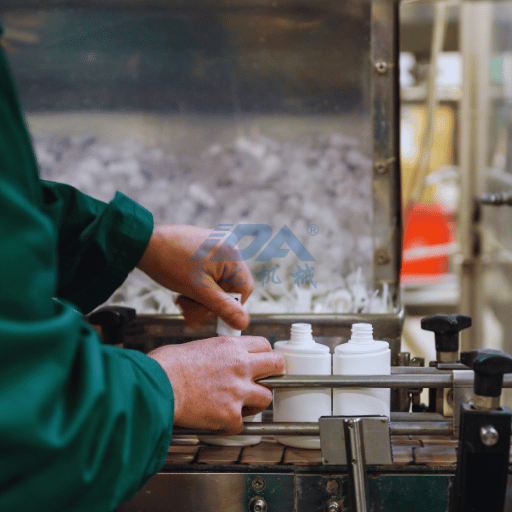
Automatic Filling & Capping
Volumetric/gravimetric filling for containers from 100 mL to 25 L. Fill tolerance is ±0.5%. Line speeds range from 1,000 to 4,800 BPH with inline induction sealing.
Why Particle Size Matters — The Physics of SC Stability
Suspension stability depends on Stokes’ law: settling velocity is proportional to the radius squared. Reducing particle diameter by half reduces settling speed by 4x.
A D90 < 5 μm is the benchmark for a shelf life exceeding 2 years. Finer grinding increases surface area, leading to superior bioavailability in pest control.
Engineering Insight — IDA Grinding Division:
“Sensible formulas target a D50 of 1 – 3 μm. Excessively fine grains can cause viscosity surges and foaming. We prioritize a tightly-controlled range over purely tiny values.”
Key Equipment in a Pesticide Production Line
Our pesticide production lines are engineered around six critical equipment classifications. The horizontal bead mill remains the technological heart of any high-performance SC formulation plant.
01. PRE-MIXING STAGE
High Speed Disperser & High Shear Homogenizer
During the pre-mix stage, the hydraulic-lifting IGF series disperser disaggregates powder agglomerates. Capable of 0-1,500 RPM with tip speeds of 15-25 m/sec.
Technical Edge: For hydrophobic actives like Pyrethroids, our inline high-shear homogenizer reduces particles below 30μm, dramatically increasing bead milling efficiency.
02. MICRONIZATION STAGE
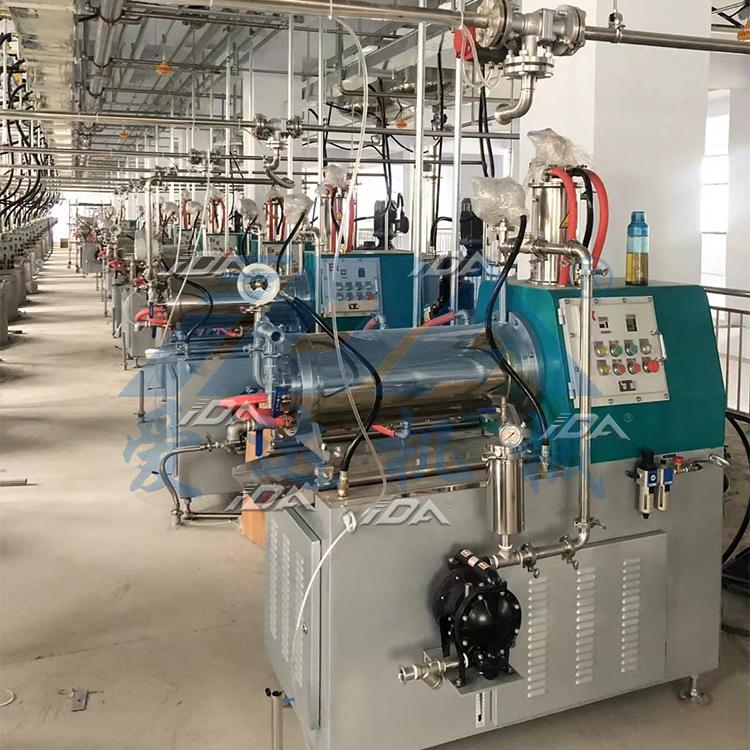
Horizontal Bead Mill — The Heart of SC
Energy transfers grind particles from 50-100μm to less than 5μm. Features IBS Pin-Type disc rotors and double-jacket cooling for heat-sensitive actives.
Efficiency: 15-20% Higher than traditional sand mills.
IBS Series Technical Specifications
| Model | Volume (L) | Motor Power (kW) | Speed (RPM) | Output (L/h) |
|---|---|---|---|---|
| IBS-5 | 5 | 7.5–11 | 0–2,800 | 30–200 |
| IBS-10 | 10 | 15–30 | 0–1,500 | 50–300 |
| IBS-15 | 15 | 30–37 | 0–1,200 | 100–500 |
| IBS-30 | 30 | 37–45 | 0–1,200 | 200–1,000 |
| IBS-50 | 50 | 55–75 | 0–800 | 500–2,000 |
Mixing & Formulation
TSJ series dual-shaft mixers ensure multiple grinds dissolve evenly. Bulk circulation combined with high-speed additive dispersing prevents gel lumps.
Capacity: 500L – 10,000L
Advanced Filtration
DFX series self-cleaning filters feature motorized scrapers to remove oversize debris automatically. SS316L wetted parts ensure chemical stability.
Mesh: 100-200 / SS316L
Automatic Packaging
Gravimetric filling line with 0.5% accuracy. Handles 100mL to 25L with speeds up to 4,800 BPH. Inline induction sealing included.
Accuracy: ±0.5%
Central Intelligence
Integrated PLC/SCADA managing up to 200 formulations. Real-time feedback and remote diagnostic capabilities for global traceability.
Traceability & Accreditation
Ready to configure your agrochemical production line?
Request Detailed Specification →Pesticide Formulation Types — SC vs EC vs SL vs OD
Formulation type dictates your equipment footprint, operational expenditure, and global market accessibility. Use the engineering matrix below to align your production capabilities with current regulatory directions.
| Technical Property | SC (Suspension) | EC (Emulsifiable) | SL (Soluble) | OD (Oil Dispersion) |
|---|---|---|---|---|
| Carrier Medium | Water | Organic Solvent | Water | Oil |
| Environmental Rating | High ★★★★ | Low ★★ | High ★★★★ | Medium ★★★ |
| Particle Size Target | D90 < 5 μm | N/A (Dissolved) | N/A (Dissolved) | D90 < 5 μm |
| Core Equipment | Bead Mill | High Shear Mixer | Dissolving Tank | Bead Mill + Emulsifier |
| Market Trend | ↑ GROWING | ↓ DECLINING | → STABLE | ↑ GROWING |
Regulatory & Logistics Impact
Global compliance shifts, spearheaded by EU Directive 2009/128/CE and stringent EPA VOC limits, are mandating a reduction in organic solvent content. Water-based SC concentrates not only meet these standards but also offer lower shipping hazard classifications, directly reducing your global logistics and warehousing expenditure.
SC & EC Dual-Path Engineering
While SC is the dominant trend, EC remains critical for lipophilic actives with solubility below 10mg/l. IDA engineers develop production lines featuring common upstream processing with dedicated downstream modules, allowing you to pivot between formulation types without redundant capital investment.
DATA CAPTURE: IDA APPLICATION TEAM
70% SC Market Penetration
Approximately 70% of new pesticide registrations currently observed are SC formulations—a massive jump from 40% just five years ago.
Request Technical Assessment →Applications & Industries
IDA pesticide production lines are able to cater to all types of agrochemical and chemical industry manufacturing, from single-product facilities manufacturing one insecticide to multi-function plants producing five or six formulations on one line, including fertilizer SC where applicable.
Insecticide SC Lines
Lambda-cyhalothrin, imidacloprid and chlorpyrifos SC formulations. Usual line capacity 3,000-8,000 tons/year. IDA’s IBS bead mill grind down the abrasive high-hardness pyrethroid crystals that depreciate lesser grinding media in a matter of months. Our tungsten carbide bead alternative empowers us to reach 3,000 hours with abrasive insecticide formulations.
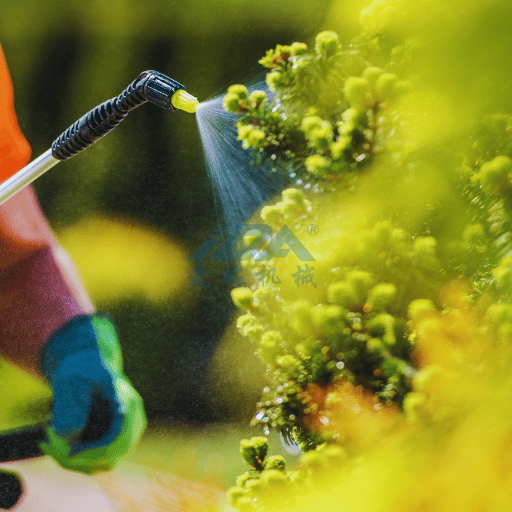
Herbicide SC Lines
Weed management for these active ingredients (ai) such as atrazine, pendimethalin, and metalachlor SC production. Typically these ai require higher viscosity formulations (600-1,200 mPas) to minimize the sedimentation of the larger crystals. IDA’s twin-shaft mixer design allows the thickener to be distributed evenly throughout the batch volume preventing the gelation of local concentration as seen with some single-shaft mixers.
Seed Treatment & Public Health Lines
Combination SC products for seed coating will need correct color matching and film forming additive addition. Public health SC lines for mosquito and disease vector control (deltamethrin, permethrin), will need to achieve WHO prequalification in the public health arena – ie – GMP grade manufacture with full batch traceability. IDA’s pesticide complete production line architecture adequately supports the needs of both.
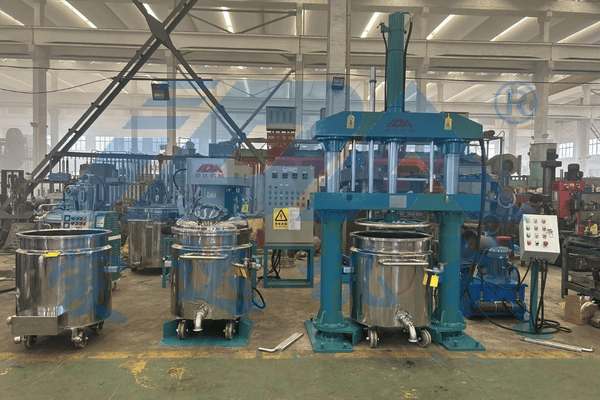
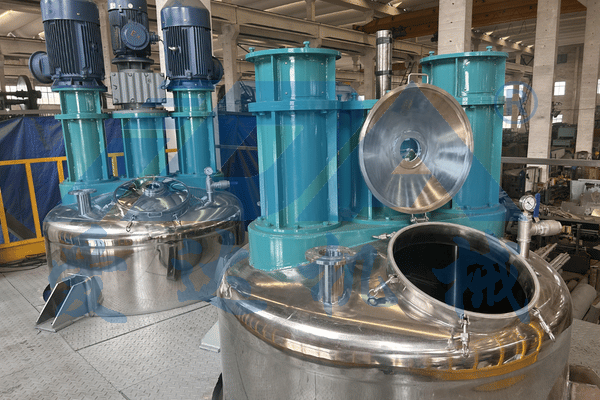
Advanced Manufacturing Facility
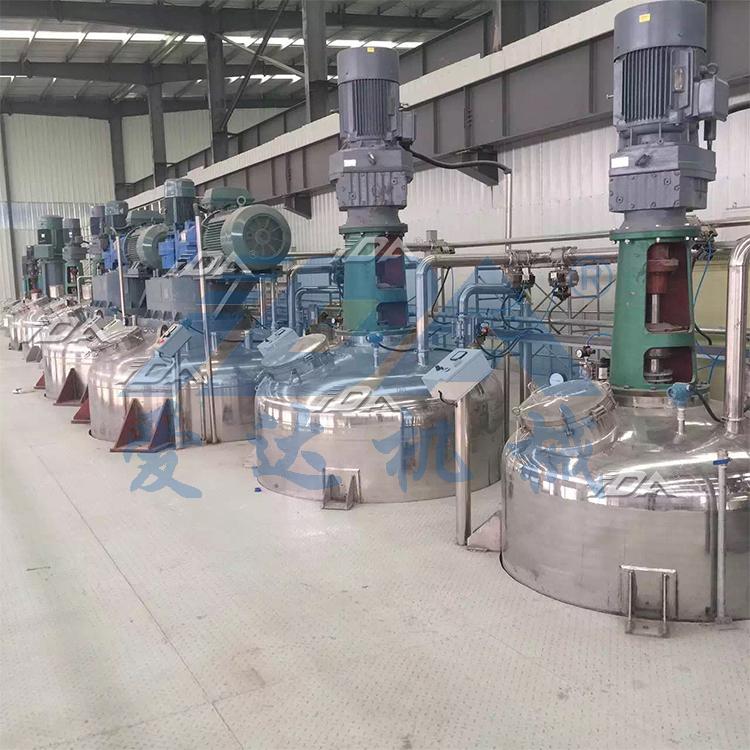
Take a look inside our state-of-the-art production base where precision meets industrial scale.



×
![Zoomed View]()
IDA Pesticide Production Line — Real-World Case Studies
Three production sites. Three different challenges. But how did the IDA-engineered lines stack up in the field under these conditions?
Case 1: Midwest Crop Sciences — 10,000 T/Year SC Line
Challenge
Due to new state VOC rules, the U.S. agrochemicals company had to migrate the existing EC product to SC in 8 months. They had no wet grinding technology experience and required a turnkey process that would meet EPA registration testing requirements without several reformulation iterations.
Solution
IDA developed a pesticide production line composed of two IBS-15 bead mills in parallel, a dual-shaft formulation mixer TSH-3000, DFX self-cleaning filter and a 6-headed automatic filling line. Our application engineers use grinding in IDA nano lab with the same active ingredient as client’s before choosing mill configuration.
Result
Line passed first time EPA registration tests. Batch-to-batch particle size RSD did not fall above 4% during first 200 batches. Since then, the client has supplied a third IBS-15 mill to raise the capacity to 1,200 L/h.
2.1 μmD50 Achieved
96%Suspensibility
800 L/hLine Capacity
4 MonthsDesign to Commissioning
Case 2: Southeast Asian Agrochemical Group — Multi-Product Flexible Line
Challenge
This manufacturer required a single production line to run three different SC formulations on the same machine; these were an insecticide, a herbicide, and a fungicide. Primary concerns were cross contamination and production capacity loss due to change over time.
Solution
This site was equipped with an entire CIP system with outgoing rinse loops for each product family combined with an auto recipe system which held all the grinding, mixing and filling parameters. After a successful CIP run, the PLC enabled the line to start on the next product immediately.
Result
Particle size was consistent across all three products with D90 < 4 μm with an RSD of less than 5% – this was within the client’s registration criteria across the three markets.
3Products on One Line
45 minCIP Changeover
15,000 TAnnual Output
< 4 μmD90 All Batches
< 5%Particle RSD
Case 3: East African Vector Control Program — Public Health SC Line
“The IDA bead mill provided a reliable 1.5 μm D50 for our deltamethrin SC that obtained WHO prequalification. The grinding detail of precision and batch record traceability from the PLC system provided our quality assurance team with precisely what the WHO inspectors were looking for.”
— Production Manager, East Africa
Implementation Details
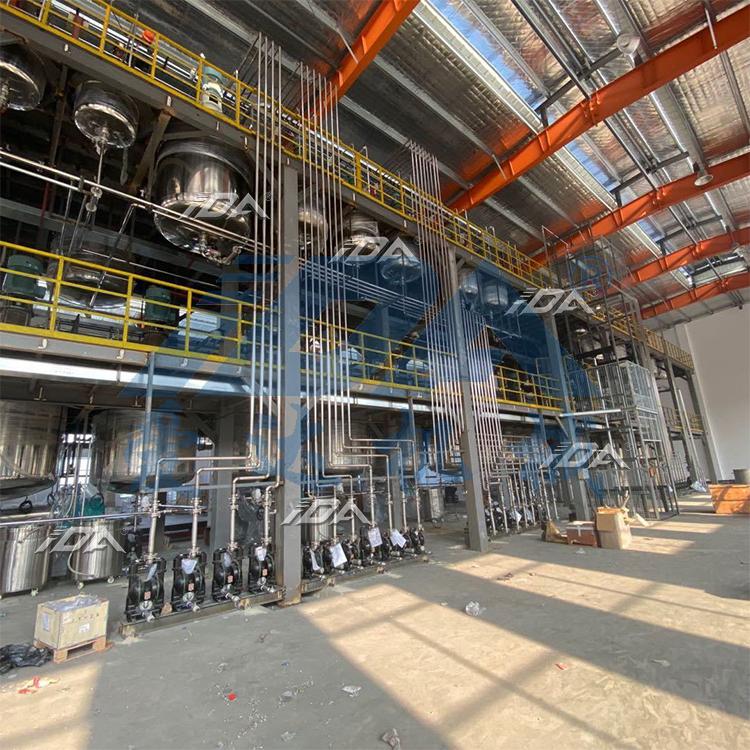
This WHO PQ-compliant whole production line was manufactured to GMP specifications with complete batch by batch traceability, stainless steel (SS316L) product contact surfaces and explosion proof electrical throughout. Operating at 5,000 tons/yr, the line is used for the manufacturing of deltamethrin and permethrin SC products but is now operated throughout 12 countries of sub-Saharan Africa. PQ status has been maintained after two successive WHO audits with zero non-conformance on the equipment side.
After-Sales Service & Technical Support
An IDA production line is not only your purchase of a piece of equipment- our company commitment never ends from order signing through years of production support.
Pre-Sale Consultation
Get a free sample grinding laboratory test at our nano lab. Our application engineers will assess your formulation and schedule the production layout that maximizes throughput and minimizes costs.
Design & Engineering
Complete production line layout inc. P&ID drawings, 3 dimensional equipment layout, utility requirements, foundation plans. Fully customized based on your available floor space and other existing infrastructure.
Manufacturing & Shipping
6-10 weeks manufacturer time by IDA Jiangyin factory. Factory acceptance testing (FAT) at the factory before shipment. Container shipped globally with full insurance coverage.
Installation & Commissioning
IDA application engineers will visit your manufacturing site to perform line arrival checks, piping connections, PLC programming, assembly mounting, and debug and production run using your actual raw formulation stock.
Pesticide Engineering Utility Hub
Precision interactive tools designed for pesticide production line configuration, cost planning, and process optimization.
Equipment
Bead Mill Model Comparison
Compare IBS series horizontal bead mills side-by-side. Analyze grinding chambers, power, and throughput to match your formulation targets.
Access Tool →Investment
Production Line Cost Estimator
Get an instant capital investment range and detailed equipment cost breakdown based on your capacity, formulation type, and automation level.
Estimate Cost →Strategy
Formulation Decision Guide
Answer 5 strategic questions about your active ingredient and market to determine the optimal formulation (SC, EC, SL, OD) for your project.
Start Guide →Configuration
Line Sizing Calculator
Compute precise hardware requirements. Estimate required mill models, disperser limits, and filling speeds based on your production targets.
Calculate Size →Frequently Asked Questions
A full pesticide production line has seven core stations: batching and weighing, high speed disperser, horizontal bead mill, formulation reactor, filter, automatic filling and capping machine, and PLC control panel. Your exact configuration depends on the formulation type and target capacity.
SC (Suspension Concentrate) uses water as the carrier and requires bead milling to achieve fine particle sizes below 5 micrometers. EC (Emulsifiable Concentrate) uses organic solvents and does not need grinding, relying instead on high shear mixing. The global market is shifting toward SC because water-based formulations produce lower VOC emissions and face fewer regulatory restrictions under EU Directive 2009/128/EC and EPA guidelines.
Most SC formulations target D90 below 5 micrometers for acceptable suspension stability. In practice, a D50 of 1 to 3 micrometers provides good bioavailability and a shelf life exceeding 2 years. Going below 1 micrometer is possible but often unnecessary — extremely fine particles can increase viscosity and cause foaming problems during production.
Yes. A single IDA line handles insecticide, herbicide, and fungicide SC batches. Between products, the CIP (Clean-In-Place) system flushes all wetted surfaces in 30 to 45 minutes. The PLC stores grinding speed, flow rate, and additive dosing for each recipe. In one installation we commissioned in Vietnam, the client runs three different active ingredients on the same line across a weekly schedule. Their QC team tested for cross-contamination after every changeover during the first two months and measured zero detectable carryover above the 10 ppm threshold. That kind of result comes down to proper valve sequencing and a well-designed CIP manifold, which IDA engineers configure during commissioning.
Plan for 3 to 6 months total. Manufacturing takes 6–10 weeks, shipping 3–5 weeks, and on-site installation plus commissioning another 2–3 weeks.
IDA pesticide production lines cover capacities from 500 L/hour for small-batch operations up to 5,000 L/hour or more for large industrial plants. A medium-scale line with dual IBS-15 bead mills typically delivers 1,000 to 3,000 L/hour of finished SC product, which translates to roughly 5,000 to 20,000 tons per year on a standard operating schedule.
Yes. On-site installation, commissioning with your actual formulation, and a 5–7 day operator training session come standard with every line.
IDA production equipment carries CE marking and is manufactured under ISO 9001:2015 quality management. ATEX-rated explosion-proof electrical components are available for lines handling flammable solvents or dusty environments. Our equipment is installed in plants that hold GMP, ISO 14001, and WHO prequalification certifications across Asia, Africa, and South America.
Absolutely. IDA operates a nano laboratory at our Jiangyin facility where we offer free sample grinding tests. Ship us 5 to 10 kg of your active ingredient and adjuvants, and our application engineers will run a full grinding trial on production-equivalent bead mills. You receive a detailed report with particle size distribution curves, viscosity measurements, and recommended machine specifications for your target output.