Get in Touch with IDA

How to Clean a Three Roll Mill Properly

Contents
show
A three roll mill requires continuous maintenance work to preserve its operational performance and protective measures and complete operation life. The equipment requires complete cleaning because it serves critical functions in cosmetics production and chemical processing and food manufacturing. A properly maintained three roll mill system operates at maximum efficiency which allows for extended machine operation while it maintains product quality through contamination prevention. This guide will show you the essential steps together with the most effective methods which you need to clean your three roll mill. The guide provides all necessary information to maintain your equipment at its best condition through proper cleaning methods and material handling techniques. The upcoming content will deliver practical recommendations which help you save both time and effort while preventing unnecessary expenses.
Introduction to the Three Roll Mill
What is a Three Roll Mill?
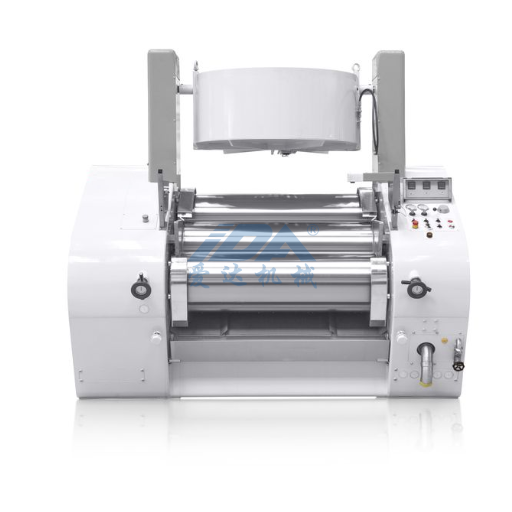
A three roll mill is a machine that uses three horizontally arranged rollers which move in opposite directions at different speeds to create constant material distribution through the machine. The system breaks materials into very small pieces while simultaneously achieving equal distribution of the entire material. The system operates in multiple industries which include cosmetics and printing inks and paints and electronics to handle thick paste materials.
The three roll mill rollers create force to mix and shear materials. The roller gap enables users to adjust material distribution which results in specific final particle dimensions. The process creates a complete product now. The three roll mill operates as a fundamental instrument which delivers product excellence through its capacity to generate precise and consistent results.
The three roll mill has gained popularity as a solution which combines its ability to distribute tiny particles with its operational efficiency to meet application needs. The system delivers optimal results for production between small to medium scales while supporting research activities which need exact control over operations. The three roll mill achieves its complete operational capability through users who follow proper equipment handling techniques together with correct equipment maintenance practices.
Applications of Three Roll Mills
Three roll mills find applications in multiple sectors which need accurate and dependable methods to process materials with high viscosity. The following section presents the main applications together with their essential information.
Cosmetics and Personal Care:
Three roll mills are widely used in the cosmetics industry for the production of creams, lotions, and makeup products. The system achieves uniform texture through its ability to distribute pigments and emulsifiers and other components throughout the mixture. For example, this equipment is integral to the creation of foundation creams, where achieving ultra-fine consistency is key to product appeal. Research indicates that refining cosmetic pigment size to below 1 micron improves product stability and performance, which three roll mills accomplish efficiently.
Pharmaceuticals:
Pharmaceuticals require active ingredients to undergo accurate dispersion because distribution of these dose forms plays an important role in medical therapies. The three-roll dispersion mills are also their enough equipment as they yield a uniform distribution pattern for dispersive tiny particles. They are used by topically mixing ointments, foot creams, and chemicals. Uniform particle size, from a pharmaceutical perspective, minimizes formulation variety, thereby boosting the efficiency and safety of medications.
Paints and Coatings:
Pigments and fillers are mainly used in paints and coatings industry. In order to be colored in, these machines will break up pigment particles and distribute them equally while the particles are small. The application qualities of paints, such as hiding power and resistance to weather and chemicals, are thought to depend largely on the pigment particle size. Within the whole pigment disperser field, the fine pigment rather helps to better the properties of the product and gash off processing time.
Electronics and Batteries:
Given its ability to exercise physical control exerted with its three rollers on materials of interest, the use of three roll mills in advanced electronics and battery material manufacturing is on the rise. Applying their precision for the exacting detail in lithium-ion battery production allows for proper dispersion of conductive particles and binders aimed at multiple energy efficient and durable batteries. It is reported in the literature that optimizations in the conductive particle dispersion could give a potential performance increase of 30% with three-roll-milling process.
Food and Confectionery:
Chocolate pastes and fillings which are used in the production of these top-quality products must be refined properly. Smoothness in various textures with a balanced distribution of ingredients is guaranteed by three roll mills. In the chocolate world, the pain of producing smooth mouthfeel for the consumer is overcome by refined chocolate particles down to below 20 microns by three roll mills.
These applications showcase how three roll mills demonstrate their ability to operate in multiple industries while serving as vital equipment for various business operations. The development of new technologies enables mills to operate more efficiently which establishes them as essential equipment for businesses that need exact measurements and stable results.
Importance of Proper Cleaning
The performance of three roll mills requires proper cleaning because it protects equipment durability and maintains product standards. The rollers need to be cleaned because leftover materials from previous operations create a risk of cross-contamination which damages product purity and product consistency. The unclean equipment creates operational issues which result in decreased machine performance and inconsistent processing results.
The practice of regular cleaning protects roller components from damage which occurs when they come into contact with multiple materials that get used during their operational duties. The roller surfaces face damage from material buildup which leads to equipment malfunction because it creates precision loss and higher maintenance expenses. The mill needs thorough cleaning after every use to prevent operational issues which will result in precise performance that remains dependable throughout its entire operational life.
The process of achieving complete cleanliness demands the implementation of cleaning procedures which require equipment disassembly and the application of suitable cleaning materials. This approach meets hygiene requirements while creating a work environment that protects operator safety. The cleanliness standards that businesses establish enable them to protect their operational processes while achieving their compliance requirements and customer satisfaction goals.
Safety Precautions Before Cleaning the Mill
Personal Protective Equipment (PPE)
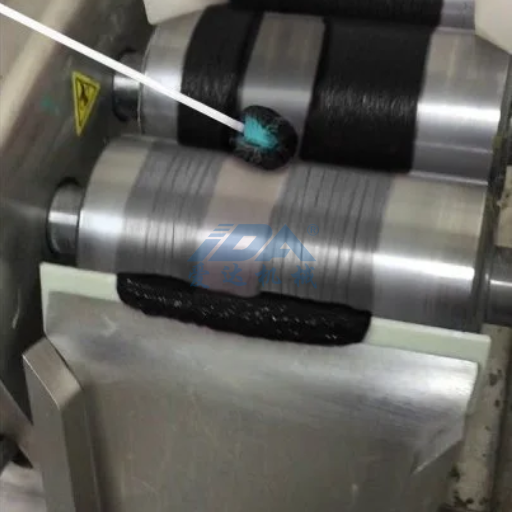
Personal Protective Equipment (PPE) is necessary for making sure operators work safely when they need to clean the mill. Operators must first put on protective equipment which will shield them from dangerous materials and work-related injuries before they start cleaning tasks.
The main protective equipment needs of workers consist of gloves, goggles and protective clothing. Gloves serve as hand protection because they guard against both dangerous cleaning chemicals and pointed materials which workers might encounter during machine maintenance. Goggles protect eyes from chemical spills and flying dust particles while protective clothing stops skin contact with dangerous substances and decreases the chance of becoming harmed.
The appropriate use of personal protective equipment not only protects the worker but also meets safety regulations. The selection and use of personal protective equipment needs proper training because it helps workers understand best practices which create safe work environments during all cleaning activities.
Ensuring the Mill is Powered Off
The mill requires complete power shutdown to protect workers during maintenance and cleaning activities because this procedure serves as the primary safety measure against potential accidents. The mill operation should start with its complete shutdown according to the established procedure which the manufacturer provides. The procedure requires operators to switch off all main power systems and check that the mill equipment operates in its complete power off condition. The power source must be secured through lockout/tagout (LOTO) procedures which prevent any chance of unintentional power restoration.
The mill needs to be fully shut down after the power has been turned off. The testing process requires two procedures which involve checking for any remaining movement and using equipment tests to establish that the system has reached zero operational capacity. The equipment safety manual provides specific verification procedures which need to be followed in addition to the existing procedures. The correct verification process establishes machine status because it prevents workers from mistakenly thinking the equipment has been disabled.
All relevant personnel must be informed about the mill’s operational status. The maintenance procedure requires installation of visible signs which show the equipment has been shut down for maintenance work. Team members will receive all necessary information through proper communication methods which will also stop any accidental equipment activation. The organization implements this process to create a secure workplace for all participants in the process.
Necessary Cleaning Materials and Tools
List of Required Cleaning Supplies
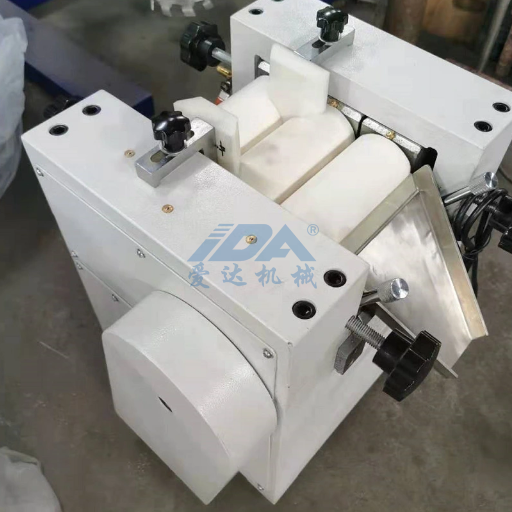
- Soft cleaning cloths or rags
- Non-abrasive scrub pads
- Buckets for water and cleaning solutions
- Mild detergent or soap
- Degreasing agent or solvent (if applicable)
- Protective gloves
- Safety goggles
- Soft-bristled brushes
Choosing the Right Paper Towels
In cleaning, the choice of paper towels is synonymous with their consideration of strength in relation to absorbency. Put simply, a high-strength towel won’t tear, even under extreme stress, and will not undergo fraying when scrubbing vigorously. Put differently, such super absorbent paper towels soak up liquids. This means, they easily clean spills and ready the area to take cleaning fluids. Basically, the me before, for a delicate surface, and/or a sensitive part like a three roll, will be paper towels of very low lintsofar. Such lint-free towels soap up anything, even those extra stains, leaving no chance for impairment of the machine and the surfaces smoothness.
There’s a need to consider the final cleaning process when deciding on disposable or reusable cleaning tools. Disposable napkins are more sanitary and good for one-time use to avoid cross-infection, especially in the industrial setting. Reusable cleaning tools redeem costs when one considers using them for cleaning activities with relatively plenary protection. Safety norms and cleanliness requirements are to be adhered to by the final cleaning process that any cleaning supplies chosen should meet.
Recommended Cleaning Solutions
The cleaning process for a three roll mill requires strict procedures which maintain the machine’s performance while safeguarding against contamination. The first step involves removing as much residual material as possible using a spatula or scraper. The process requires you to handle the rolls with care because they need protection from all forms of damage.
The initial material removal process requires you to use an appropriate cleaning solution which will dissolve all remaining substances. The rolls need complete cleaning through use of a cloth or soft abrasive pad which will remove all materials from their surface. The roll surfaces need protection from all harsh chemicals and tools that can cause damage to them. The use of warm water and mild detergent becomes effective when the processed material dissolves in water.
The final step requires users to rinse the rolls using either clean water or a neutralizing agent according to the cleaning solution requirements. The process requires complete drying using a lint-free cloth to eliminate any risk of rust or contamination. The machine requires regular cleaning after each use to achieve two objectives which are extending its lifespan and preserving operational efficiency. The best results require you to follow the cleaning guidelines which manufacturers provide.
Step-by-Step Instructions for Cleaning
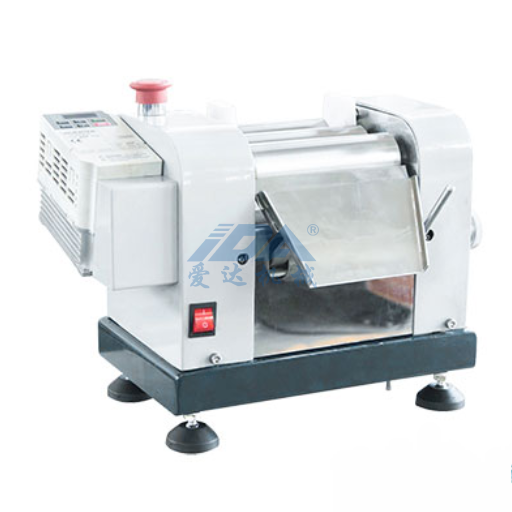
Preparing the Mill for Cleaning
Turn Off and Disconnect Power:
First step requires full machine shutdown before proceeding with power disconnection. The power source needs to be disconnected because this step protects against unintentional machine start during cleaning activities. The first priority needs to stay with safety procedures.
Empty and Remove Components:
The mill operator must meticulously extract all materials and remaining materials from the mill. The operator needs to detach components like the hopper or grinding mechanism, if applicable, and store them for cleaning in a designated secure area. This step prevents buildup that could interfere with proper operation.
Inspect for Debris:
The mill operator needs to check the entire mill system and all its parts for any suspended particles which might affect its operational efficiency. Pay close attention to crevices or hard-to-reach areas because these spots usually collect concealed pollutants. The user needs to apply a soft brush or compressed air to remove debris from surfaces.
Removing Residue from Rollers
The procedure to eliminate residue from the rollers begins with the requirement to shut down the machine and unhook it from its electrical supply. This procedure protects people from harm while stopping machines from starting up during the cleaning process. The operator should use a dry brush or scraper tool to create gentle pressure which will enable them to remove all debris that has accumulated on the roller surfaces. The operator should apply controlled pressure which will allow them to handle the rollers without causing any harm to the equipment. The cleaning process begins after workers establish that they have finished removing most of the cleaning solution from the area. The operators should conduct a complete roller examination to find any hidden particles which could hinder equipment operation. The operator must choose a cleaning product which will not damage the roller material because it needs to maintain its original condition. The process needs to be repeated until all areas show complete residue removal.
The process of sanitizing the rollers requires a complete drying period before equipment assembly can begin. The roller inspection process requires both functional testing and visual assessment to verify operational status. The machine’s performance depends on proper maintenance which includes cleaning procedures that should be performed after every equipment operation. The best practices should always be followed according to the guidelines which manufacturers provide.
Tips for Ongoing Maintenance of the Three Roll Mill
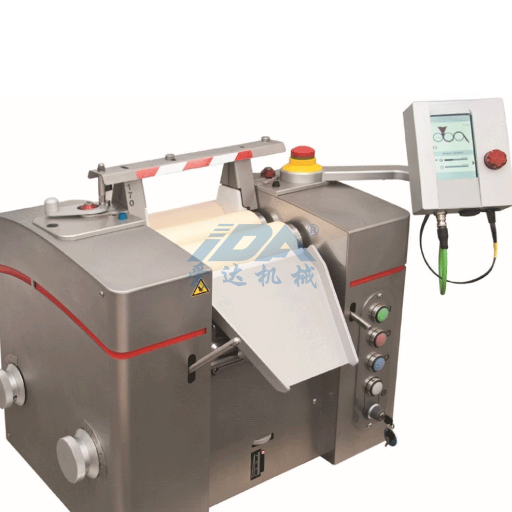
Regular Cleaning Schedule
The three roll mill requires regular cleaning because it needs maintenance to operate at its best level and to last for an extended time. Cleaning should be performed immediately after each use to prevent material buildup, which can harden and become difficult to remove. Start by cleaning the rollers with a lint-free cloth which will remove all product residue from the surface.
For a deeper clean, use a mild solvent that is compatible with the materials being processed and the roller surfaces. The operator needs to apply the solvent with a cloth or soft brush because they need to remove residual material without damaging the rollers. The operator needs to avoid using abrasive tools and harsh chemicals because these materials will scratch the surface and cause the machine to lose its operational efficiency.
The operator needs to check the machine for any leftover debris which may have built up in areas such as the end plates or cleaning ports. The operator needs to wait until all equipment parts become completely dry before starting equipment reassembly because moisture can cause equipment damage. The three roll mill will operate more efficiently while its operational life will increase through your dedication to following a complete cleaning process.
Monitoring Wear and Tear on Rollers
The three roll mill requires its roller condition to be monitored constantly for its optimal operational performance. Begin by conducting visual inspections for signs of wear such as scratches, dents, or uneven surfaces. The rollers show signs of malfunction which will cause problems with product quality and operational efficiency. The operators need to inspect all equipment components because any visible residue build-up will harm the dispersion process and decrease machine performance.
You need to observe how the machine operates when it works. The roller wear indicators show themselves through three main signs which include strange sounds and shaking and uneven results during material processing. The presence of these symptoms indicates two possible problems which include roller surface deterioration and roller alignment issues. The testing of mechanical systems at regular intervals enables the detection of hidden wear patterns which operators can treat before they become serious problems.
Establish a maintenance schedule that requires roller inspections and cleaning procedures to protect equipment from permanent damage. The rollers require proper lubrication and alignment to achieve optimal performance which reduces friction and extends their lifespan. The equipment requires roller resurfacing or replacement when operators discover excessive wear because this process restores equipment efficiency. The operators need to monitor roller conditions continuously while using their proactive maintenance approach to extend roller life and maintain their operational accuracy for high-quality milling work.
Best Practices for Longevity of the Mill
The mill cleaning employs a system needing protection through regular and maintenance procedures to be undertaken as part of performance testing. Accumulated dust and dirt; therefore, the maintenance procedure is required (a) to clean all system parts, especially those in close contact with their moving parts. Upon cleaning, a case inspection needs to be performed to see if there is some wear or damage, thereby allowing any problems to be fixed before they become major.
The mill requires calibration at specific times to maintain proper operational standards. The system achieves complete efficiency when all components, which include rollers and grinding surfaces, are correctly positioned from their intended positions. The equipment will develop problems because of component defects, which will result in reduced performance through time. The organization needs to use accurate alignment instruments which will enable them to check equipment status and make necessary changes to safeguard equipment integrity.
The lubrication system needs to be tested because its performance needs to match established peak operating standards. The application of correct lubricant at regular intervals creates two important benefits because it decreases friction and controls equipment temperature, which helps maintain mill operations during its complete operational period. The equipment needs specific lubricant types and amounts, which must be used according to the established lubrication timetable. Your mill will become more reliable and durable when you implement these maintenance practices through your regular maintenance work.
Frequently Asked Questions (FAQ)
Q: What is the best routine of cleaning a three roll mill for maintaining productivity?
A: A good cleaning procedure for a three roll mill consists of switching off the motor and brake, taking off the cover, and spraying a cleaner or solvent over each roller and then wiping off the dirt. For a better clean, look carefully at the center roller and the gear areas, removing any remaining ointment residues, grease, oil, and raw materials after each production. Regular cleaning maintains a clean state of production equipment, thus preventing a flow-back of substances into the rolls, which reduces the grinding and dispersing efficiency that, therefore, maintains overall productivity of equipment.
Q: What must be done for pre-cleaning heavy Parmesan cheese after a slight cooling?
A: It is important to disconnect and lock out power to prevent accidental start-up (either motor), and lock-out the brake control. Remove all guards then ensure cooling if the last grinding and wet grinding or other raw chemicals were processed in the machine. Wear Personal Protective Equipment (PPE) and utilize the recommended cleaning agents for the specific product-this will protect personnel and avert the possibility of contamination which may affect grinding and dispersing performance.
Q: Is it possible to use general purpose solvents and sprays to clean the mill?
A: These solvents and sprays may be used only if compatible with the materials being processed and with the seals and rubber parts of the mill. For those in the chemical industry or on the ointment mill applications, choose cleaners that can remove build-ups while they do not damage the roller coatings or rubber covers. Where possible, perform a test spot first on a small section before reinforcing its use over the rolls, ensuring no contaminants stick to the moistener upon restart of the three-roll mill.
Q: How often should gears be considered while the mill is being cleaned?
A: When the mill is cleaned, gears, bearings, and grease points should be rinsed, inspected, and oiled according to the refurbishment schedule based on the intensity of production and the abrasiveness of raw materials. Grease points should be cleaned, which may involve gear housings and their surroundings. Clean out old lubricants and apply new grease as needed. The maintenance of these components help maintain motor balance and ensure their sustained performance; all while the life of the mill itself is prolonged.
Q: What are the ideal methods for enhancing the cleaning procedure of wet grinding three roll mills?
A: The best cleaning practice for wet grinding three roll mills would be to flush the wet residues with a solvent or a water-based cleaner which dissolves the product. Afterwards spray and wipe the rollers and internal surfaces. Use brushes for recesses and a system to remove liquids for drains/vacuums. Thoroughly dry all parts with air, heat, or a stipulated drying system before reapplying grease protection to doors to prevent corrosion and make for an effective dispersing cycle next.
Q: How do you avoid cross-contamination while cleaning multiple three-roll mills producing different products?
A: For each three-roll mill, it is necessary to establish separate cleaning protocols and cleaners to avoid cross-contamination. Mark the covers and tools and use color-coded towels or sprays to clean. Make sure to perform a thorough cleaning and inspection of the middle roll, feed zones, and discharges between every product run. For chemical industries or ointment mill areas where a high degree of risk exists, validation of cleaning procedures is advised to ensure that no cross-contamination occurs from raw material ingredients.
Q: What is the benefit of proper cleaning of three roll mill for grinding and disintegrating qualities?
A: The quality of the grinding and dispersion processes is directly affected by the cleanliness of three roll mill since it eliminates any remnants of materials that fouls the roller towards reductions of shear efficiency. Clean rollers ensure constant gap and nip conditions preventing any contamination between batches, reducing the wear and tear on gears and motor, and maintain consistent workservice. All these steps are vital for dependable three-roll mill performance in any production environment.
References
-
Exakt 50I Standard Operating Procedure
Link to source
This document provides detailed operating procedures for the EXAKT 50 I three roll mill, including cleaning and maintenance guidelines. -
Particle Size Reduction | Grain and Food Science
Link to source
This resource discusses particle size reduction processes, including roller mill operations and maintenance. -
Guarding of Three-Roller Printing Ink Mills
Link to source
This OSHA directive outlines safety and cleaning procedures for three-roll mills, emphasizing operator safety and proper cleaning techniques. - Professional Three Roll Mill Manufacturer