Get in Touch with IDA

How to Adjust Gap on a Three Roll Mill

Contents
show
Correctly adjusting the gap on a three-roll mill is an essential step in guaranteeing superior dispersion, consistency, and performance in milling operation. If working in cosmetics, pharmaceuticals, or fine chemicals industries, understanding this vital procedure can make a significant difference in the product. This guide introduces you to the basics of gap adjustment, why it is important, and then shares insights and guidance that will enable you to optimize your milling operations. By the time you are through this article, you will also be familiar with just how to fine-tune these machines to keep getting good, repeatable results.
Understanding the Gap in Three Roll Mills
The Role of Gap Setting in Milling Efficiency
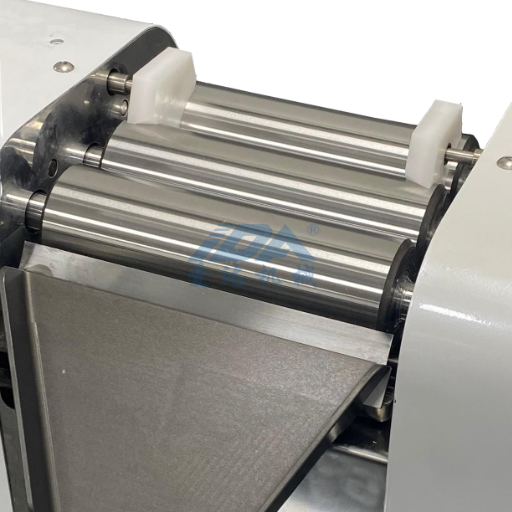
Gap setting in three rollers directly defines milling effectiveness in relation to the fineness of the product processed. It controls the level of material allowed to flow between the ripple with which it is dispersed into small particles leading to some more dissipation. A properly set gap will maintain uniform size particles and their distribution, which are necessities for the desired quality of the final product.
If the gap is too wide, the material will be under-processed with coarse products; thus performance and appearance may greatly be affected. On the other hand, if the gap is too narrow, over-processing and heat generation may occur, causing the damage to heat-sensitive items or inefficiency. Thus, deciding to achieve a balanced approached will minimize defficiencies in the dispersion process and enhance metal quality.
A lot of adjustment on the spacing of the mill roller is demanded since the process must be brought to the level necessary to result in optimum milling of materials. Whether regarding the hedge or the other state of the milling situation, every mill should always have this in mind. Such ideas also obtain support from operators, who believe quality wise with the addition of the gap. The search for sufficient bloom and proper crack inhibition of flour has some importance in the milling industry.
Impact of Gap Adjustment on Product Quality
Mill gap adjustment impresses product quality so much that it can be termed as direct cause and effect. The milling gap setting plays a vital role in determining the size and uniformity of the particle, which in turn largely governs the ultimate characteristics of the final product. Uniform particle size is achieved when the gap is adjusted properly, thus playing a significant role in determining the texture, strength, and all-around product performance of comminuted materials. Product variability will need gap adjustment for the sake of defining and attaining those set quality standards and customer expectations.
Further, avoiding under-processing and over-processing of the material falls mostly on the appropriate gap adjustment. A large gap may result in material not being milled to the desired fineness, leading, in the end, to a low-grade product. A small gap may exaggerate pressure, which may jeopardize the material’s structure and prematurely wear the machinery. Light tuning of various factors thus renders it necessary to achieve the best balance in maintaining high quality while not killing equipment efficiency.
Sustaining the quality of production over time requires calibration and measurement of the gap at regular intervals. The optimal gap setting is affected by the nature of material, temperature fluctuation, and equipment wear. By adopting systematic inspection inspection procedures and moving slightly to affect checks, manufacturers may ensure consistent quality, minimize quantities run off from the manufacturing line, and maintain exceptional production processes. Adjustment of gaps properly is a fundamental practice of one who intends to attain product excellence and operational success.
Fundamental Principles of Gap Adjustment
Gap adjustment in triple roll mills is crucial in upholding both product quality and productive operational performance. The gap between the rollers defines the fineness of the material and evens the distribution during the processing. The operator should ensure that the gap is well-adjusted- thereby limiting excess waste, over-shear, under-shear, and not produce a uniform output necessary for high-quality production.
To adjust the gap settings successfully, operators need to first determine correct gap settings for the specific material being processed using an appropriate methodology. Care should be taken to calibrate measuring instruments for ensuring that the rollers are properly aligned. Imposing higher scrutiny by the way of regular monitoring, especially during calibration, to prevent any off-spec deviation that could otherwise impair the performance and consistency is good practice. The level of temperature seal of operations may also escalate the viscosity, changing the prescribed gap.
This is largely with the cleaning and fine adjustment of register rollers. Residue build-up or physical wear on the rollers can interfere with the adjustment process, leading to suboptimal results. A well-defined maintenance schedule will contribute to the extension of an equipment’s life, will ensure an uninterrupted production must enhance the quality of end product.
Manual Gap Adjustment Techniques
Step-by-Step Guide to Manual Gap Adjustment
- 1
Prepare the Equipment:
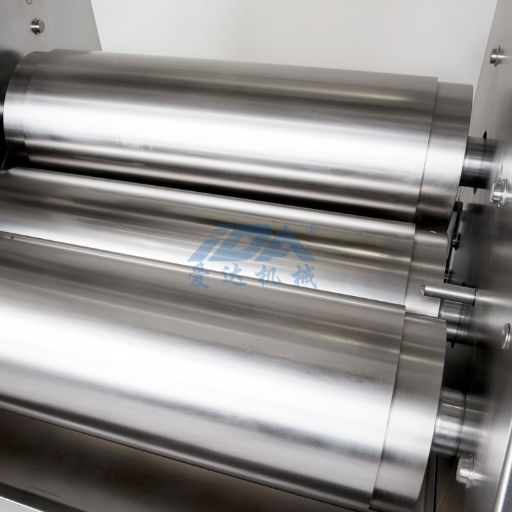
Make sure all equipment is de-energized and rollers have been thoroughly cleaned to remove any residue or dust. Check for any physical signs of wear and damage to rollers before proceeding, as these may affect equipment performance. - 2
Locate the Adjustment Points:
Look for the adjustment knobs or screws specified on the machine for use in controlling the gap existing between the rollers, and make yourself conversant with the use of each knob or screw. - 3
Adjust the Gap:
Start by slightly undoing the adjustment knobs and if the gap adjustment outweighs reality, slightly tighten the knobs. The fool-proof way to achieve this is by using a particular gap tool or a sample piece of thickness. - 4
Testing and Validation:
Let a small amount of testing be executed after these roller adjustments have been performed. See the output supplied by the gap setting for final approval regarding its performance. Keep making fewer mini-adjustments if the output is not yet as you desire it to be. - 5
Operating and Recording:
With the knowledge that the gap has been set, the adjustment knobs are turned for secure fixation. Keep an eye on the smooth performance of the unit during the operation and check if there is any misalignment with the gap or further adjustment problem as time moves on.
The manual adjustment to the gap in a three-roll mill is very important for consistent product quality. Set down this as part of the maintenance plan, whereby it can be done regularly to optimize the machine performance.
Common Mistakes to Avoid During Manual Adjustment
- Over-tightening or Under-tightening Gap:
One whereby over-tightening or under-tightening GAP is bad manual iterates, a misdemeanor that is consistently committed during singleton adjustment. Over-tightening could result in a perilous situation developing and shorten the life-force of whatever components which serve as sources of tension. Alternatively under-tightening could run into the problem of production inconsistency attributed to the acts of rescheduling. However, the guidance remains that recommended settings postulated in the operation manual of machinery are always understood by the user to aim toward, alongside making arrangements for marginal alteration as and when necessary. - Neglecting to Check for Misalignment:
Fuerring misalignment is another cause for failure of perfection and quality of the milling process. This is however quite common and can usually occur because of improper adjustments and uneven wear. Thus, checking the alignment of rolls and realigning the poorly aligned ones becomes a necessary measure to prevent possible future misalignments leading to poor performance. - Faults in Regular Maintenance:
Regular maintenance procedures are crucial for the consistent output of the three-roll mill, but these are often neglected. This results from inefficiencies and failure due to the cleaning, lubrication, and inspection not occurring in time by operators. Systematic, manual adjustments to the machine as part of a comprehensive maintenance program would provide the equipment with good health throughout and reduce downtime, which could have been avoided by barring such incidences. You should always follow the maintenance schedule and restore the adjustments for future reference setting.
Tools Required for Manual Gap Adjustment
A few basic tools are required for manually adjusting the gap of a three-roller mill. Among other items, one should have a precision feeler gauge for accurate distance measurement, a spanner or adjustable wrench for the manipulation of nuts and bolts, and a lint-free cloth meant to wipe away any residue to ensure cleanliness. These tools make sure the equipment is accurately aligned and thus functions properly.
Usually, you will use the feeler gauge to measure the rollers’ distance from one another and also to make the adjustments with the help of the wrench to be within specification. Regular measurements and small adjustments during operations will assure that these settings remain on track. Cleaning of the rollers allows materials from being processed to be kept free from contamination during adjustment.
It is critical to follow the guidelines of the machine or the manufacturer’s instructions so that the machine can give its best at any point. Paying attention to accurate clearances does not only improve the machine’s quality, but is also useful for the life of the machine. Regular inspection and employing suitable instrumentation for the job can mutually help guarantee the machine’s functionality and maintain it from failing under the threat of potential problems.
Hydraulic Gap Adjustment Procedures
Overview of Hydraulic Systems in Three Roll Mills
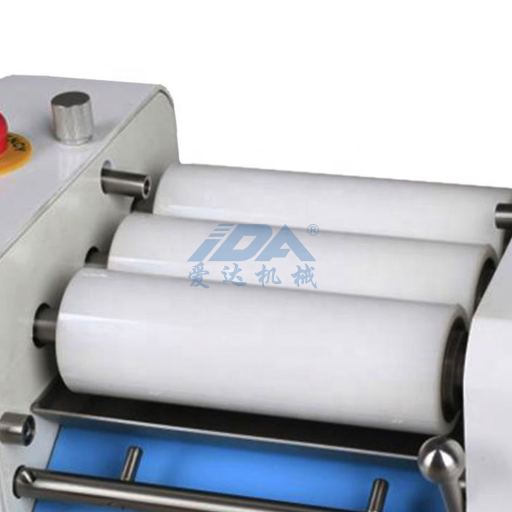
For the purpose of exacting obligations, three-roll mills hydraulic systems are built to facilitate finely tuned gap settings, promoting universal product quality and operative efficiency. In three-roll mills hydraulic systems, the movements of rolls in the applied positions are powered and consistent at a pressure level, owing to the presence of solutions lik hydrolytic pressure. When this force is being held at the required gap, the mill can handle numerous materials with distinct viscosities and further specifications.
Basically, the design principles highlight the great prospects and yield better outcomes about these lines. They promise stability in fine tuning otherwise impertinent access, allowing very rapid pre determined adjustments to be made without needing machine stoppages, thus seeing to effective with near continuous uptime, hence more productivity gained. Not only this, but hydraulic systems can nonetheless counteract wear and also nurture the provision of a constantly kept gap increasing order for uniformity along format batches. Thus, it eliminates errors and holds his/her herein for more on improvement in overall quality of product results.
Hydraulic systems are long-lived and dependable as well, so long as they are well maintained. Preventive maintenance is important for looking after the various hydraulic components-the pumps, valves, seals, etc.-to nip an issue in the bud that might culminate in leaks or pressure drops and thus impair the performance of the hydraulic system. The hydraulic system will continue to work at full capacity, enabling the three-roll grinding mill to work at peak performance for a long time to come.
Step-by-Step Hydraulic Adjustment Process
- 1
Inspection of the System:
Before starting any hydraulic equipment, observe and list corruption, leakage, or any damages there are to the hydraulic system. Past this condition, ensure all equipment, whether hoses, seals, or valves, are in their correct state. Any pieces needing repair must be duly set back to where they were before further use. - 2
Observation of Hydraulic Fluid Levels:
Ensure that hydraulic fluid is at the appropriate level and bears good recommendation as to the manufacturer. The hydraulic fluid is below the required level, or is of bad standing, could potentially weaken the pressure and smoothening of the system. - 3
Adjusting of Pressure Settings:
In order to adjust the pressure level, locate an essentially manual hydraulic pressure adjusting valve. Be cautious when adjusting the level, continuously monitor the system, and then balance the valve until the system comes to the prescribed pressure setting. In the case of the three-roll mill, the pressure level is exclusive to the machine in avoiding an overloading situation. - 4
Boundary Test:
Upon adjusting the hydraulic compensation, you must carry out an operational experiment for a brief moment, seven tests. Meanwhile, rightly track pressure measurements as it has to have an exam to assess any unsmooth practice or no intonation. - 5
Final Inspection and Checking EtC:
On completion, perform another check of all components to guarantee nothing new has been encountered. Regularly monitor the system to test its behaviour to run in optimal capacity.
Following the above-defined steps adequately allows the hydraulic system for three-roll mills to be adjusted, ensuring that this essential equipment functions properly, maintains its highest performance range, and sustains its value over time.
Troubleshooting Hydraulic Adjustment Issues
In the known three-roll mill inspection, one of the tasks is to identify the possible causes of trouble promptly. Commence this task of inspection by attending to the potential wear, leakage, and oil contamination that abides the surroundings of the hydraulic systems. When hydraulic fluid is substituted with contaminants, it could jam the whole system and hence the need to replace the contaminated fluid, following the standard periodic maintenance schedule. Always check if all the hydraulic connectors such as hoses, fittings, and so forth are firmly fastened without wear and tear.
The next step lies with the performance of setting the hydraulic pressure. Improper equilibrium will mean that the hydraulic system will fail only to operate accurately. Consult the user’s manual to acquire suggested pressure readings, which should be checked for verification with a calibrated pressure gauge. If not observed, set up according to the right settings. Follow accurate procedures and conscious monitoring of the operation to guarantee safety for sure.
In a nutshell, if issues remain after performing these tasks, consider examining other hydraulic system components, including filters, accumulators, and valves for possible cleaning, repair, or even replacement. Obstructed filters or malfunctioning valves may induce inefficiency through obstructing proper machine operation. If at that point the problem persists, call a competent technician to carry out major diagnostics for the avoidance of further harmful impacts to the installation. It follows, then, that the entire troubleshooting exercise will help in ensuring the system operates effectively.
Precision and Its Importance in Gap Setting

Effects of Gap Precision on Particle Size Distribution
Given the high likelihood that inequitable milling gap settings will invariably affect the consistency of particle size distribution, proficiency in gap setting is crucial to successful milling. If gaps are evenly set, then the particle sizes obtained would be very close to those required. This guarantees performance and standard quality delivery where uniform performance is desired, as, for instance, in paint production, cosmetics, and the food industry.
One of the more significant drawbacks with gap settings that are somewhat inaccurate is the variation it introduces with regard to particle size. One can also say that, because of particle size inequality, any one of the products made might present problems with dispersion, substandard performance, or an unsightly texture. Regular gap calibrations could eventually reduce and control these risks.
Maintenance and calibration of equipment are surely important for maintaining the gap size accurately. These involve routine cleaning, inspection, and adjusting of rollers to ensure that there is no misalignment or wear that can affect the performance of the equipment. Combining a precise gap adjustment and preventive maintenance together, one can optimize particle size distribution and extend the life of milling equipment.
Understanding the Relationship Between Gap Deviations and Product Performance
Gap deviations occurring in milling equipment ultimately affect product performance by modifying the particle size distribution. Any failure to maintain a precise gap can lead to a variation in fine grinding with the outcome of larger or smaller particle sizes. Such a deviation shall have a direct effect on the texture, consistency, and overall quality of the finished product where uniformity is a primary concern, such as the food, drugs, or cosmetics industries.
An inappropriate gap size can interfere with the throughput and energy efficiency. A too-small gap could lead to excessive friction and quick wear of the equipment due to increased energy use and overheating. This gap could result in low material processing rates and poor output on the other hand. In both cases, work efficiency and product quality are compromised by the requirements for consistent gap settings.
Checking gap size is a part of producing it, and as a result there is always the tendency to make a mistake in the final product that can affect the tolerances and the quality of the final product. Hence, the maintenance of gap size should be maintained for the maximum extent of possibility. Any deviation in the gap size due to any cause should be addressed as soon as it is detected. In view of this, small regular maintenance exercises that may seem of little consequence but which may greatly affect the mechanism would save extensive losses of production. Maintaining the right gap all the time is absolutely necessary for the machinery to produce consistently good quality products, having said that.
Best Practices for Maintaining Three Roll Mills

Ensuring Consistent Pressure During Operation
It is important to maintain a stable 3-roll mill pressure for consistent product quality and less roller wear. The pressure level directly regulates the dispersion of the material and interaction of the rollers. To regulate the pressure accurately, operators should set the pressure settings with regard to the materials being processed. Subjected to routine checks, inconsistent pressure (by any means) can lead to defective products or inefficiency.
Lubrication is paramount for maintaining constant pressure. If the rollers are well-lubricated, they can be friction-free and this also ensures a stable operating condition with no sudden-widening pressure changes during the process. The lubricants may have to be monitored and replaced, as they wear out or escape. Checking the seals, valves, and hoses for all possible resistance, leak, or pop-off of pressure is also a great idea.
Regular calibration and maintenance are a must if pressure is to maintain its best levels. The roll misalignment or worn parts allow for uneven pressure distribution which may affect the finish of the product. Regular inspection programs will provide an early warning of damaged components, and timely repair of damaged parts ensures that the three-roll mill maintains the required standard of operation. Combining such processes, an improvement in overall durability and productivity is a big bonus.
Optimal Roller Alignment Techniques
Roller misalignment will result in inconsistent performance and will shorten three-roll mill service life. Consequently, poor roller alignment may lead to uneven pressure, material wastage, and mechanical strain, ultimately compromising the functioning of the machine. To achieve proper alignment, it is necessary to follow systematic procedures and use the proper tools.
Using calibration or alignment gauges can prove to be very handy in the process. These tools rather accurately measure the position and spacing of rollers to guarantee that they are parallel and the same distance apart. Regularly checking the alignment of rollers is essential during regular maintenance so that all deviations can be detected and corrected, thus maintaining the efficiency of the equipment.
Apart from this, not only should the mechanical system be run through, just because material experts are involved, but an equally important tool for precision is to go through a visual check! Particular attention should be given to bearing vibration to avoid any damage to machinery. To prevent machine lifetime damages, wearing of rollers on axis is the transmission of misalignment through a vibration. Fortuitous damage thus follows, leading termination to everything without any possibility of repair. Proper alignment can reduce the amount of rework necessary to reduce downtime for repairs and keep production close to specification.
Extending the Lifespan of Your Three Roll Mill
Regular cleaning and use are essential for extending the lifespan of your three roll mill. Ensure that a program is set up that allows for consistent cleanup to remove any built-up materials that may slow down the machine or cause wear to the rollers and bearings over time. Select the cleaning solutions most suitable to the rollers and the metal, and carefully check that not a speck of debris gets left behind after each operation. This step, while small, significantly could avert handle contamination or strain.
Another crucial issue for maintaining durability is proper alignment of the rollers. Misalignment generates irregular pressure on the machine that in turn creates a lot of vibration, too much of which can greatly shorten equipment life. Ensure that the machine alignment is regularly looked at and adjusted with prefabricated tools as recommended so that smooth functioning is encouraged and excess strain on different components is minimized, thus avoiding costly repairs and prolonged downtime.
Lastly, lubrication plays a fundamental role in the everyday working of your three roll mill. Make sure to apply the correct ranges and types of lubrication to the machine’s bearings and moving pieces. Over-lubrication or under-lubrication will affect the levels of performance and cause damage to the mill. Keep an eye on your lubrication schedule during the regular maintenance schedule, and substitute the oil and/or grease when they start to degrade. By following these practices, the performance, safety, and longevity can be extended for your three roll mill.
Frequently Asked Questions (FAQ)
Q: How often should I perform three roll mill maintenance and inspect the rolls?
A: Three roll mill maintenance requires operators to check the rolls and shafts through visual inspection before each production run. The maintenance staff should conduct a thorough inspection of the equipment on a weekly basis and after reaching specific operating hour limits. The maintenance team must inspect the rolls for wear while checking for any build-up of viscous materials and inks and verifying proper lubricant levels. The equipment requires more frequent inspections when operations involve abrasive materials such as malt or grain-based inks to keep machines running without interruptions.
Q: How do I set the gap on a three roll mill and measure the gap accurately?
A: The operator needs to open the rolls by turning the handwheel or crank, which allows them to measure the gap through a feeler gauge or calibrated micron shims. The operator should adjust the set screws until they reach the required gap, which most times uses microns as its measurement unit. The operator must stop the mill before setting the gap, and they need to conduct measurements at various points across the entire width because different areas will show different results due to diameter variations and runout. The three roll mill maintenance procedure requires this step to ensure they obtain uniform particle sizes.
Q: What is the relationship between speed, rpm, and grind quality in a three roll mill?
A: The combination of speed and rpm establishes the two main factors which determine material shear forces and thermal energy production. The process requires you to decrease operational speed because higher speeds create better material dispersion but lead to overheating of viscous or heat-sensitive materials while the slowest speed must be used during startup. The operation of three roll mills establishes differential shear through its capability to run rolls at different rotational velocities. The three roll mill requires maintenance through monitoring of torque and temperature while adjusting rpm to achieve optimal operational performance and product quality. The process requires us to implement either cooling solutions or slow rolling passes when we work with heat-sensitive inks or food-grade products such as malt extracts.
Q: How do I adjust for wear on the rolls and when should I replace them?
A: The maintenance process for three roll mills requires operators to perform two tasks which include measuring roll diameter and checking for pitting or scoring. The rollers need replacement when their diameter decrease reaches a critical point or when their uneven wear pattern results in an incorrect gap measurement. The setup process requires you to use set screws and alignment procedures to achieve minimal wear on equipment. The supplier should be contacted to obtain details about acceptable wear limits and to purchase replacement rollers that match original equipment specifications.
Q: What safety and operational steps should I take when opening the rolls and performing maintenance?
A: Always lock out power and make sure the mill cannot turn. The operator should open the rolls through handwheel operation or crank operation while they need to lock the rolls at their open position. The user must conduct a visual inspection of bearings set screws and the mixer or feed system. The user must lubricate bearings at designated points while torquing fasteners according to manufacturer specifications. The operator needs to use a feeler gauge for gap measurement after reassembly to check if the desired gap remains intact for consistent results.
Q: How do I optimize three roll mill performance for viscous inks and minimize waste?
A: To achieve maximum efficiency with viscous materials operators should first decrease the gap through small increments before they start operating at lower speeds. The operator should first mix materials in a mixer to create a uniform feed before proceeding with multiple passes. The operator should monitor torque levels while increasing the gap whenever torque reaches a spike point. Operators can reduce downtime and material waste through proper three roll mill maintenance which includes moving parts lubrication and shaft alignment verification and wear inspection.
Q: When should I contact my supplier for parts or service and what information should I provide?
A: Contact your supplier if you observe excessive wear on the rolls, inconsistent grain or particle size, abnormal noise from the roller mills, or if set screws or the handwheel are damaged. The machine model and current gap measurements in microns and rpm settings and torque readings and photos of any wear should be provided. Your supplier can advise on replacement rollers, seals, or whether you need to use specialized tools to measure the gap frequently and maintain optimal three roll mill maintenance.
References
-
OSHA Regulations on Pulp, Paper, and Paperboard Mills
This source provides safety standards and maintenance guidelines for rolls in industrial settings.
Read more on OSHA’s website -
State of the Art (SOTA) Manual for Paint, Ink, and Adhesive
This manual includes operational and maintenance guidelines for three roll mills, emphasizing compliance with manufacturer specifications.
Access the manual here -
Research on Service Failure Behavior of Three-Roll Mills
This academic paper discusses the wear resistance and maintenance aspects of three-roll mills, providing insights into their service behavior.
View the abstract on ScienceDirect - Professional Three Roll Mill Manufacturer