Get in Touch with IDA

Single Shaft vs Dual Shaft Mixer: Complete Comparison Guide

Contents
show
Numerous industries depend on mixing technology, which serves as their essential foundation for achieving precise and efficient operations in food production and chemical processing. The equipment selection process requires operational knowledge about single shaft and dual shaft mixers because their fundamental characteristics differ from each other. The two mixer types operate best in specific use cases because their different characteristics provide advantages which depend on the viscosity of materials and the size of production batches and the needs of the manufacturing process.
This guide provides you with all necessary information to select between product consistency enhancement and production process optimization, covering everything from fundamental differences to advanced operational applications.
Understanding Mixer Configurations
What is a Single Shaft Mixer?
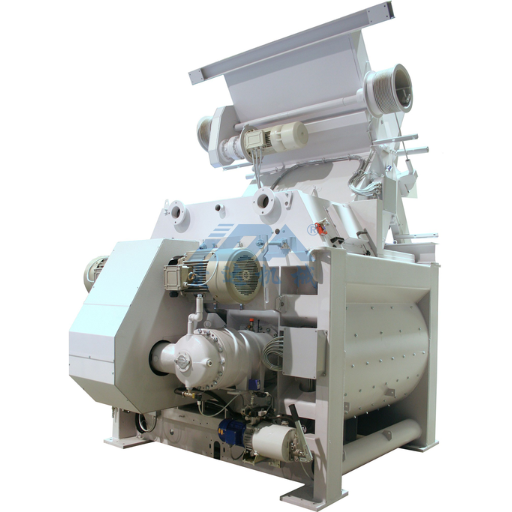
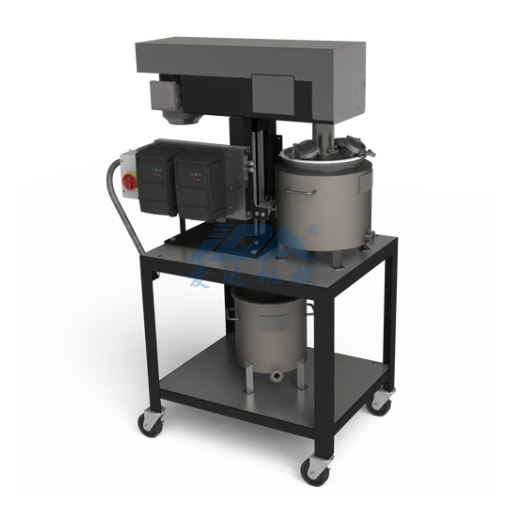
Industrial production facilities use single shaft mixers as their primary mixing equipment to handle materials with low to moderate viscosity. The system operates with one central shaft that drives various mixing components including paddles and blades or ribbon elements which are selected based on different operational needs.
The system achieves uniform mixing results through its ability to distribute materials during the blending process while it maintains minimal force application to the elements being processed. The food production and pharmaceutical and chemical industries utilize single shaft mixers to achieve their required powder and granule and liquid mixing operations.
The latest operational data shows that these mixers provide businesses with an effective solution which combines ease of use and low operating costs with their ability to handle both batch and continuous production processes.
What is a Dual Shaft Mixer?
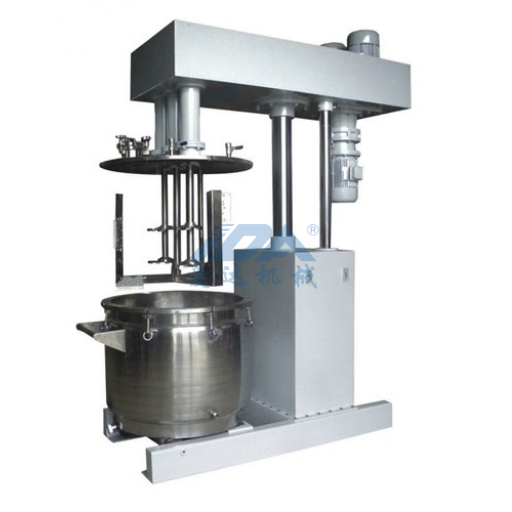
The dual shaft mixer functions as a specialized mixing system which combines two distinct mixing shafts to create a high-shear dispersion mechanism that simultaneously moves bulk materials through the process. The system achieves its functionality through two distinct mixing shafts which work together to perform their tasks.
One shaft contains a high-speed disperser or emulsifier which breaks down agglomerates while the second shaft contains a low-speed anchor or paddle which enables continuous shifting of the mixture and simultaneous distribution of heat.
The latest industry data shows that dual shaft mixers are used in various manufacturing processes which need exact mixing to produce complete uniformity in adhesives sealants and coatings and thick liquid formulations. The system handles multiple mixing processes at once which leads to faster production rates and better control over product quality.
The dual shaft mixer system enables operators to work with high-viscosity materials which they can customize according to their specific needs since the system can function in both batch and semi-continuous modes.
Key Differences Between Single and Dual Shaft Mixers
The primary distinction between single and dual shaft mixers lies in their design and operational capabilities. Single shaft mixers use one mixing device which enables them to process materials with low to medium viscosity through basic mixing operations.
The lightweight nature of their products combined with their affordable production costs makes them a preferred choice in industries which prioritize cost-effective solutions. Companies that require basic aqueous solution production or lightweight emulsion creation work with this equipment because it delivers essential functions at a cost-effective rate. The system lacks extra mixing support which prevents it from processing high-viscosity and complex formulas.
The dual shaft mixer system uses two separate mixing components which include a high-shear disperser and an anchor or paddle that operates at lower speeds. The system enables users to process highly viscous and dense materials which include adhesives and sealants and pastes through its dual capability to perform high-speed dispersion and low-speed bulk mixing tasks.
The mixers achieve product consistency control during difficult formulation procedures, which enables them to process various product formulations with different consistency levels more effectively than single shaft mixers.
Industry Trends and Adoption
The recent industry analysis data shows that dual shaft mixers are now being used more frequently because of their ability to adapt to different production requirements. The product enables manufacturers to achieve production goals while maintaining precise control over viscosity and shear-sensitive products, which makes it widely used in the pharmaceutical and chemical and coatings industries.
Single shaft mixers provide cost-effective benefits which make them suitable for basic tasks because they require less money to acquire and maintain than dual shaft systems. Companies that need to complete basic mixing functions should choose single shaft mixers because these systems provide affordable solutions for their requirements.
Mechanical Differences and Performance Benefits
Single Shaft Mixers: Design and Functionality
Single shaft mixers use a basic yet strong design to process materials with low to moderate viscosity. The central shaft together with its mixing blades or paddles creates radial flow which maintains uniform product mixing when it rotates inside the stationary container. The design of these systems enables simple operation procedures which result in dependable performance along with straightforward maintenance tasks.
Single shaft mixers can only produce motion through one axis which results in their inability to mix materials that have both high viscosity and shear-sensitive properties.
Single shaft mixers work best for making dispersions and emulsions and solutions that have consistent viscosities because they lack the capacity to handle applications that need strong mixing and precise viscosity regulation. Industries such as paints adhesives and food processing industries benefit from this product because their mixing needs fall within moderate boundaries yet they seek economical solutions.
The current production environment requires single-shaft mixers because they use modern upgrades, which include better blade designs and energy-saving motors to achieve faster processing times and more effective blending outcomes.
Benefits Provided by Dual Shaft Mixers
Dual shaft mixers provide manufacturers with greater operational flexibility because they can handle complicated mixing tasks. They work best when processing materials that contain both high viscosity and high solids content. The mixers use two separate shafts which enable the machine to operate at both high-speed and low-speed functions during a single operational cycle.
The system can process various materials because it can handle different viscosity levels which extend from low-viscosity liquids to extremely high-viscosity materials that exceed 500,000 centipoises. The high-speed dispersing blades blend powders into the mixture while they break down agglomerates, and the low-speed anchor agitator scrapes the vessel walls to create a uniform blend that prevents material buildup.
This method produces products with consistent quality because it combines methods which reduce the time needed to create the product.
The modern dual shaft mixers used today by companies according to recent research case studies demonstrate advanced control systems which enable users to precisely adjust mixer speed and monitor temperature and optimize energy consumption. The design of dual shaft mixers enables companies to use these devices because their strong design and efficient performance make them valuable for industries which need to perform high-velocity mixing tasks.
Mixing Efficiency and Uniformity Performance Metrics

RPM and Performance Correlation
The performance of dual shaft mixers gets measured through three key metrics which include revolutions per minute (RPM) and mixing efficiency and mixture uniformity assessment. The three parameters depend on one another because combining RPM with blending processes produces optimal results which improve both mixing efficiency and blend uniformity.
The latest equipment enables modern mixers to operate at multiple RPM settings which advanced frequency drive systems control for specific material viscosity requirements and processing needs.
Key Performance Indicators:
- Uniformity Coefficient: When reaching 0.95, the resulting blend maintains consistent characteristics which chemical and coating products need for specialized uses
- Mixing Efficiency Rates: Advanced designs exceed 90% efficiency
- Processing Time Reduction: Batch processing times decrease from 20% to 30%, leading to improved production capacity and lower operational costs
The performance improvements show how synchronized metric systems help companies achieve strict industrial requirements while they enhance production efficiency.
Industrial Applications of Single and Dual Shaft Mixers

Single Shaft Mixers in Food Production
Single shaft mixers serve as essential equipment which creates uniform mixtures of dry and wet materials for different food production processes. The mixers use their exact control systems to produce uniform product textures which meet food safety regulations including FDA and HACCP requirements for doughs, batters, sauces, and coatings.
Recent data indicates that advanced single shaft mixer designs can increase mixing efficiency by 15 to 20 percent which results in reduced ingredient waste and better production line ergonomic conditions.
The mixers enable businesses to expand their operations during peak demand periods because they maintain consistent production output while handling fast-paced batching processes needed by the global food market.
Dual Shaft Mixers in Chemical Processing
Dual shaft mixers serve as essential equipment in chemical processing because they can process materials with different thickness levels and chemical makeup. The mixers use both high-speed dispersers and slow-speed anchors which create an efficient method for material shearing and complete material blending within one equipment system.
The latest research shows that dual shaft mixer technology developments have improved mixing uniformity for high-viscosity materials by 25 percent according to the latest research which includes adhesives and sealants and resins.
The design effectively reduces air entrapment while producing consistent product quality which makes these products suitable for applications that need exact results and consistent outcomes. The industry now moves toward improved production efficiency which results from their design capacity to handle both batch and continuous production processes.
Pharmaceutical Applications and Compliance Requirements
Pharmaceutical production demands equipment that meets all regulatory requirements which include both FDA guidelines and cGMP regulations. Double planetary mixers serve as essential equipment in the pharmaceutical industry which fulfills regulatory compliance by providing enclosed mixing environments that protect against contamination while delivering dependable batch quality.
The design enables exact control of active pharmaceutical ingredients (APIs) and excipients which enables drug manufacturers to keep necessary product uniformity for their products.
The advanced control systems now enable users to track and document mixing processes in real time while meeting regulations which require documentation for traceability and process validation.
The vacuum mixing features help eliminate both air and moisture which protects the purity and stability of delicate formulations that include ointments and pastes and controlled-release medications. Double planetary mixers demonstrate the industry dedication to compliance standards and operational productivity improvement through their technology integration.
Choosing the Right Mixer: Critical Factors to Evaluate
Viscosity Requirements and Material Properties
Mixers should be assessed according to their operational needs which require knowledge of both their viscosity standards and their material characteristics. Viscosity exists as a measurement that determines how a fluid opposes both deformation and flow which creates direct effects on the design and functional aspects of a mixer.
The mixing process depends on high-speed agitators or turbines for materials that include certain liquids and resins which need these devices to achieve uniform distribution and effective material shear. The pastes and silicone compounds and adhesives require advanced mixing equipment with double planetary or sigma blade mixers which need to function at high torque for complete mixing results without material accumulation.
The selection of appropriate mixing techniques depends on material characteristics which include density and thermal conductivity and chemical compatibility. Thermally sensitive materials need mixers that contain jacketed vessels for temperature control while chemically reactive substances require components that resist both corrosion and degradation.
Manufacturers can improve product quality by matching viscosity specifications to how materials behave and what processes need to be done in various applications.
Batch Sizes and Production Scale
Manufacturing operations can achieve better efficiency when businesses understand how batch sizes relate to production scale because they need to meet specific market needs. The industry needs this solution because it requires both small-scale production for high-precision work in pharmaceuticals and cosmetics and large-scale production for commodities like adhesives and coatings.
Process efficiency depends on batch size which affects both cost management and product consistency. Equipment design for smaller batches needs to focus on waste reduction and precise control of temperature and mixing speed and material dispersion. Large-scale manufacturing needs strong systems that can keep product consistency through all production phases while they work to decrease energy use and production downtime.
The production system gains more flexibility because advanced analytics and modular design principles allow manufacturers to handle various batch production needs while maintaining product quality.
Cost Considerations and Return on Investment
The assessment of cost factors and return on investment for advanced production systems requires evaluation of multiple essential elements that must be investigated. The initial capital costs for equipment buying and system integration add up to significant expenses that must be compared against potential future operating cost savings.
Advanced analytics and automation technologies enable waste reduction and better resource management which results in lower operational expenses that improve efficiency.
A study published in 2023 revealed that companies adopting modular and analytics-driven production systems reported an average ROI of 30% within the first three years because their downtime and energy consumption decreased.
The data shows that although the initial investment requires substantial funding the expected outcomes of better operational efficiency and increased profits make this investment worthwhile for competing businesses.
Optimizing Operational Performance and Maintenance

Best Practices for Mixer Operation
The implementation of best practices should be conducted to achieve optimal mixer performance while minimizing operational disruptions and maintaining peak efficiency.
1. Regular Inspections and Maintenance
The team needs to conduct routine checks to find equipment wear and system failure risks. The combination of vibration analysis with thermal imaging as a predictive maintenance method enables organizations to identify equipment faults before they develop into expensive breakdowns.
2. Material Compatibility
The team should select materials and mixer components that match the viscosity and chemical composition and volume of the substances which will be handled. This method decreases component wear while maintaining consistent mixing results.
3. Proper Load Management
Mixers should not be overloaded because it creates excessive mechanical stress which results in decreased operational efficiency and shortened equipment lifespan. The team should establish calibration procedures which will comply with established manufacturer load limits.
4. Automation and Data Analytics Integration
The implementation of automation systems alongside data analysis tools enables operators to monitor mixing operations through real-time tracking of speed and torque and temperature changes. The technology achieves market growth because it enhances operational accuracy while minimizing the need for human involvement.
5. Operator Training
The institution needs to provide complete training in both equipment operation and software usage for all operator employees. Organizations designate skills development as essential for their employees who operate advanced machinery.
Maintenance Tips for Longevity and Efficiency
- ▪
Adhere to Manufacturer’s Maintenance Schedules: The manufacturer maintenance schedule provides essential guidelines which organizations should follow to prevent equipment deterioration while minimizing equipment breakdowns. The equipment needs to receive specific maintenance programs which you should develop based on your equipment needs. - ▪
Ensure Proper Lubrication: Industrial mixers need scheduled maintenance because they require ongoing maintenance to stay functional. The team should use manufacturer-approved lubricants because these products reduce equipment friction and protect against potential breakdowns. - ▪
Conduct Regular Component Inspections: The practice of establishing scheduled seal inspections along with bearing and gasket checks helps organizations detect equipment wear before it becomes a serious issue. The organization should implement regular inspection procedures which will help reduce equipment downtime. - ▪
Train Personnel on Equipment Handling: The organization needs to deliver complete equipment operation training to all employees who will handle the equipment. The staff members of companies require training to operate their intricate machinery. - ▪
Utilize Real-Time Monitoring Tools: The practice of using IoT-enabled sensors along with diagnostic equipment has become standard in industry. The systems provide real-time operational data which businesses use to execute predictive maintenance and sustain their equipment at peak performance.
Innovations in Mixer Technology and Future Trends
Recent developments in mixer technology have concentrated their research efforts on three main areas, which include automation and energy efficiency and Industry 4.0 system integration.
Smart mixers with IoT-enabled sensors now enable users to monitor their equipment through real-time evaluation of torque and motor performance and operational efficiency. The system uses predictive maintenance because it identifies equipment faults ahead of time through its continuous monitoring capabilities.
The equipment manufacturers are developing energy-efficient mixers which maintain their operational capabilities while fulfilling sustainability demands and lowering operational expenses.
Emerging Technologies
The latest developments show a rising interest in “self-optimizing industrial mixers.” The term associates with artificial intelligence advancements which enable automatic control of mixing speed and duration and ingredient flow rate based on optimal results.
The term modular mixer designs refers to industrial systems which enable operators to replace machine components whenever necessary, thus decreasing total expenses while improving system operational capacity.
The organizations which adopt these advanced technological innovations will achieve operational streamlining while gaining advantages in both market evolution and compliance with new regulations.
Frequently Asked Questions
What is a single shaft mixer and how does it differ from a twin shaft mixer?
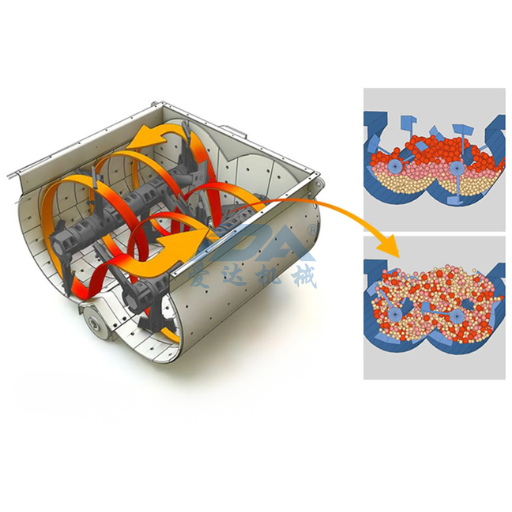
A single shaft mixer operates with one horizontal shaft that powers paddles and blades to create a mixing force which works with viscous materials and cohesive substances while a twin shaft mixer uses two shafts that move in opposite directions to achieve a counter-rotating effect which results in faster and stronger mixing process. Single-shaft designs are often used in mortar, concrete mixer, and applications where a high speed disperser or thorough kneading is needed, whereas double-shaft paddle mixer systems excel at handling large volumes of granular or powdered materials. The decision between these two options depends on the required mixing paddles, the needed mixing action, and the type of operation, which depends on either batch production or continuous production.
When should I choose a double-shaft paddle mixer over a single-shaft mixer?
The double-shaft paddle mixer functions as an optimal solution to accomplish quick and even distribution of various materials which include cement and powdered ingredients and granular solids because it allows complete material mixing within shorter periods. The twin-shaft design uses two horizontal shafts that move in opposite directions to create strong counter-rotating flow which decreases processing time when compared to single-shaft systems. These mixers serve as the perfect solution for commercial concrete production operations which require heavy-duty industrial processes that demand stable material performance throughout the entire operation.
How does powder mixing performance compare between a single-shaft and twin shaft mixer?
Twin shaft and double shaft mixers achieve better powder mixing because their backward turning shafts create complex flow patterns which help to break up agglomerated material and push particles through the mixer tank. Single-shaft mixers can still be effective for powdered mixing tasks, especially when equipped with appropriate paddles or blades and operated with the right RPM and stirring profile. The double-shaft paddle mixer operates with superior speed and consistency for mixing powdered and granular solids while it serves demanding commercial concrete mixing and fertilizer blending applications.
What maintenance and wear factors should be examined when comparing single-shaft mixers with double-shaft mixers?
The maintenance process for single-shaft mixers becomes easier because their design includes one shaft with a few bearings and an average number of seals, while double-shaft or dual-shaft mixers need maintenance for both their bearing systems and seal components and their gearbox systems which create additional points of potential wear. Double-shaft paddle mixers need to undergo more frequent paddle and blade inspections together with wear liner replacements because they utilize high-speed operations and handle abrasive materials which include cement and fertilizer as well as granular solids. Proper maintenance for both single-shaft and twin-shaft systems requires workers to follow lubrication schedules and conduct shaft alignment and motor RPM and torque assessment activities.
How do mixing paddles or blades affect the choice between single-shaft and double-shaft mixers?
Your process needs single-shaft mixers or twin-shaft mixers because the combination of paddle design and blade arrangement determines mixer operation methods which use paddles and blades for their mixing functions yet paddle design controls material movement through multiple processes which include shear and folding and bulk movement. The operation of single-shaft mixers depends on their large paddles which rotate around a single shaft to produce kneading and folding effects in their viscous and cohesive mixes while double-shaft mixers use their counter-rotating paddle system to generate strong turbulence which enables fast product homogenization.
Can a single-shaft mixer handle heavy-duty concrete or mortar applications compared to a twin-shaft mixer?
Single-shaft mixers can handle concrete and mortar in many scenarios, especially when users need to mix small batches or when high-speed dispersing is required, but twin-shaft mixers show better performance for commercial concrete production because their dual-shaft system generates more efficient mixing results with faster operational times. Twin-shaft or double-shaft paddle mixers process heavy wet mixes through their dual shaft system which simultaneously operates two parallel shafts to achieve complete material blending of cement and aggregates and additives. Single-shaft systems maintain their feasibility when space and budget constraints and low throughput requirements exist, while their performance can be enhanced through suitable paddle or blade selection together with designated operational speed settings.
Reference Sources
- A Study of Concrete Mixers – Explores the design and functionality of mixers, including single and dual shaft configurations.
- Dynamic Torsional Modeling and Analysis of a Fluid Mixer – Analyzes the mechanical behavior and performance of mixers in various processing applications.
- Development of Shaft Lining and Service Line Extension Systems – Discusses technical aspects of shaft systems, which can provide insights into mixer shaft designs.
- Double Shaft Mixing Machine