Get in Touch with IDA

Top 15 Planetary Mixer Manufacturers to Watch in 2026 (Updated and Comprehensive List)

Contents
show
Choosing a planetary mixer is an industrial decision affecting throughput, product quality, and long-term maintenance. This guide highlights the foremost brands of suppliers and furthers the teams with selection criteria (capacity, RPM, transmission, warranty). The accurate set of equipment, appendages, and specifications do much toward efficiency, cleanliness, and uniformity, no matter if it is mixing up pizza dough, cosmetic emulsions, or battery slurries. Mountainous leaders for manufacture as of 2026 are also introduced with considerations for price, heavy-duty capability, and stainless steel construction for the demanding, harsh industry environments.
Key Takeaway
In 2026, planetary mixer selection hinges on viscosity-matching and digital integration. Industrial leaders are now prioritizing vacuum-capable, stainless steel designs that offer both high torque at low speeds and smart sensor monitoring for predictive maintenance.
Introduction to Planetary Mixers
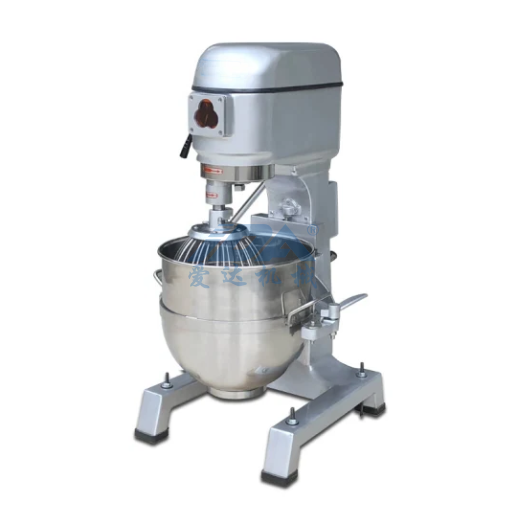
What is a Planetary Mixer?
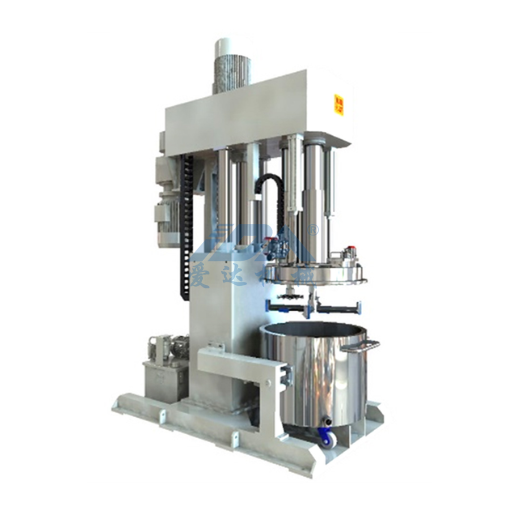
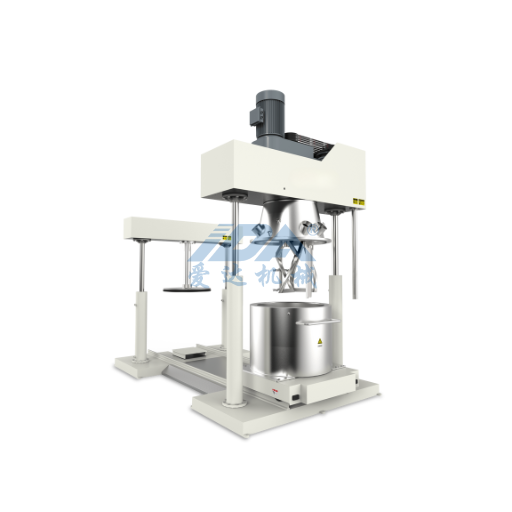
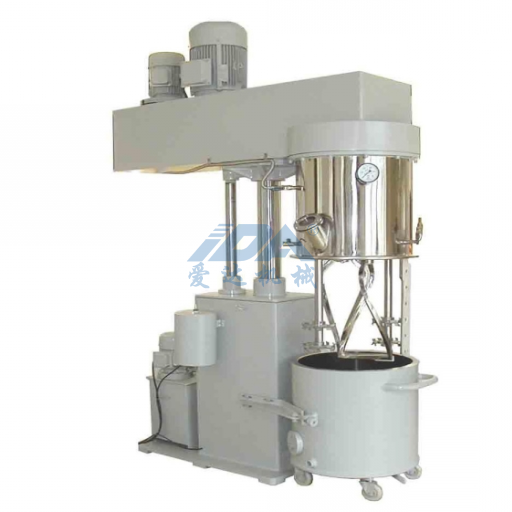
A planetary mixer is an industrial type of machine where the mixing tool revolves on its own axis while also orbiting around the bowl, ensuring very good coverage and a smooth mix. Unlike spiral mixers, the whisk and the scraper will sweep the whole vessel for full incorporation. There are several heavy-duty configurations for a disperser or an extra hub for attachments, precision transmission for torque while working at low speeds, and stainless-steel bowls for cleanliness. The arrangement of two blades in the double planetary unit is for allowing more viscous pastes to minimize dead zones found in some batches with high solid content while improving discharge.
Applications of Planetary Mixers in the Industry
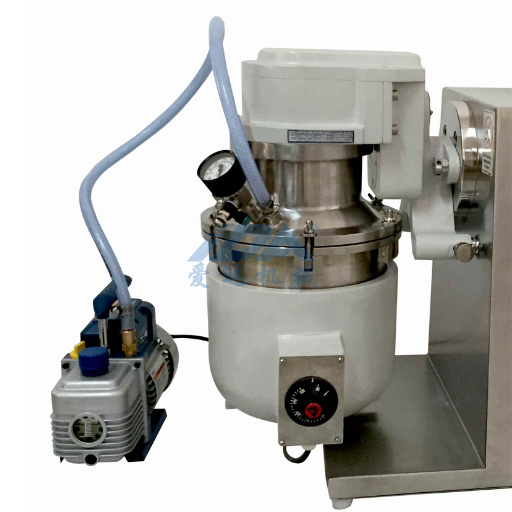
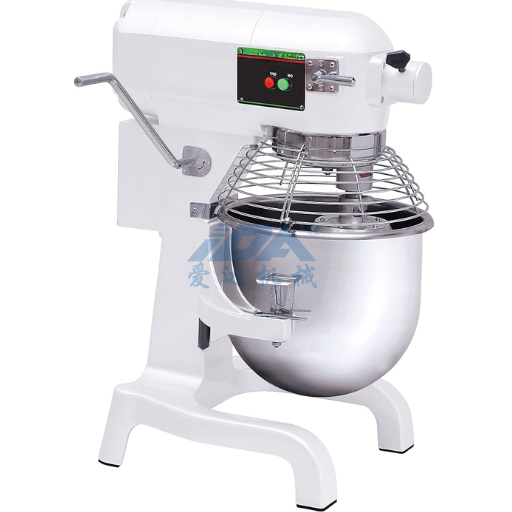
Planetary mixers serve bakeries and may be employed for the development of dough, icing, and fillings. A dough hook or beater provokes a delicate structure of gluten or aeration of batters. In pharmaceutical and cosmetic plants, vacuum-capable systems take out entrapped air and refine wet-out of powder. Adhesive, sealant, and battery slurries gain rise from double planetary blades in terms of extreme viscosity and uniform dispersion. Food processors demand stainless sanitary designs to meet exacting hygiene standards while industrial mixer suppliers size the unit, include different attachment sets, or design different discharge styles, all in full response to applications of a flexible nature.
Benefits of Using Industrial Planetary Mixers
Industrial planetary mixers offer high viscometric and rheological versatility, and tight control over RPM and more torque. Their tool geometry, as well as their scraping blade action, help improve overall product quality by creating temperature-uniform mixtures as well as quickly incorporating stiff powders. With capabilities of varying scale from 20 quarts to towering plants, manufacturers could match the ROI with the plan of boosting its maximum potential much more. As fork-lift-accessible mixers, the ready availability of spare parts, insistence on forging simplicity over otherwise financially costly operations, together with the guarantee, gives fighters’ chances against indirect costs over operational life.
Top Manufacturers of Planetary Mixers

| Manufacturer | Specialization | Key Advantage |
|---|---|---|
| IDA Equipment | Custom Industrial Solutions | Advanced Technology & Support |
| Hobart | Commercial Kitchens | Global Service Network |
| ROSS Mixers | Global Blending Systems | Extensive Product Range |
| Varimixer | Danish Engineering | Hygiene & Ergonomics |
- 1IDA EquipmentFounded: Not specified
Introduction: A leading manufacturer specializing in high-quality planetary mixers for various industries.
Main Products: Planetary mixers, industrial mixers, and custom mixing solutions.
Advantages: High durability, advanced technology, and excellent customer support.
Disadvantages: Limited global distribution network.
Website: IDA Equipment
- 2HobartFounded: 1897
Introduction: A pioneer in commercial kitchen equipment with over a century of expertise.
Main Products: Planetary mixers, spiral mixers, food processors.
Advantages: Robust design, global service network.
Disadvantages: Higher price point.
Website: Hobart
- 3Dongqing MachineryFounded: 2002
Introduction: A Chinese manufacturer known for affordable and efficient bakery equipment.
Main Products: Planetary mixers, dough mixers, baking ovens.
Advantages: Cost-effective, energy-efficient.
Disadvantages: Limited high-capacity options.
Website: Dongqing Machinery
- 4KitchenAidFounded: 1919
Introduction: Renowned for its versatile and stylish mixers.
Main Products: Stand mixers, planetary mixers, attachments.
Advantages: Iconic design, multi-purpose use.
Disadvantages: Limited to small-scale operations.
Website: KitchenAid
- 5
5. Sinmag Bakery MachineryFounded: 1983Introduction: A leading Asian manufacturer of bakery equipment.
Main Products: Planetary mixers, spiral mixers, ovens.
Advantages: Wide capacity range, competitive pricing.
Disadvantages: Limited presence in North America.
Website: Sinmag
- 6
6. VarimixerFounded: 1915Introduction: Danish engineering excellence in planetary mixers.
Main Products: Bear series planetary mixers.
Advantages: Ergonomic design, hygiene-focused.
Disadvantages: Premium pricing.
Website: Varimixer
- 7B&P LittlefordFounded: 2017
Introduction: A U.S.-based manufacturer specializing in mixing systems.
Main Products: Planetary mixers, batch processing equipment.
Advantages: Innovative designs, high efficiency.
Disadvantages: Relatively new in the market.
Website: B&P Littleford
- 8
ROSS MixersFounded: 1842Introduction: A global leader in mixing and blending equipment.
Main Products: Planetary mixers, blending systems.
Advantages: Extensive product range, global presence.
Disadvantages: High initial investment.
Website: ROSS Mixers
- 9Escher MixersFounded: 2000
Introduction: Italian specialists in high-capacity mixing solutions.
Main Products: Planetary mixers, spiral mixers.
Advantages: Advanced automation, high output.
Disadvantages: Focused on industrial-scale operations.
Website: Escher Mixers
- 10FimarFounded: 1979
Introduction: Italian manufacturer of compact and versatile mixers.
Main Products: Planetary mixers, food processors.
Advantages: Affordable, space-saving.
Disadvantages: Limited to small-scale applications.
Website: Fimar
- 11GEA GroupFounded: 1881
Introduction: A German giant in process technology and machinery.
Main Products: Mixers, blenders, and processing systems.
Advantages: High efficiency, global reach.
Disadvantages: Expensive maintenance.
Website: GEA Group
- 12Jaygo, Inc.Founded: 1971
Introduction: U.S.-based manufacturer and distributor of mixing equipment.
Main Products: Double planetary mixers, grinding media.
Advantages: Custom solutions, rental options.
Disadvantages: Limited product range.
Website: Jaygo, Inc.
- 13Micmachinery.co., LtdFounded: 1999
Introduction: A Chinese manufacturer of food and beverage processing equipment.
Main Products: Planetary mixers, filling machines.
Advantages: Affordable, versatile.
Disadvantages: Limited high-tech features.
Website: Micmachinery
- 14BONGARDFounded: 1922
Introduction: French manufacturer known for artisan bakery equipment.
Main Products: Planetary mixers, bread ovens.
Advantages: Elegant design, energy-efficient.
Disadvantages: Limited to bakery applications.
Website: BONGARD
- 15TEKAFounded: Not specified
Introduction: German manufacturer specializing in concrete and planetary mixers.
Main Products: Counter-current planetary mixers.
Advantages: High durability, efficient mixing.
Disadvantages: Niche market focus.
Website: TEKA
Factors to Consider When Choosing a Planetary Mixer

Align application appropriateness with factor and usage cost and system maintenance. Align container size with handling rate, and make sure it delivers torque at low RPM. Review everything related to materials, scraper efficiency, and joining. When looking at the data from the suppliers, make sure the suction is viable for the intended use and that the discharge rate meets the required flow rate. Do compare prices to warranty, availability of spare parts, and access to service as factors that protect quality and uptime.
Understanding Your Mixing Needs
Sort the entire range of viscosities and shear rate for the particular RPM level or RPM range needed in your machinery. In bakery production lines, this means they will need dough that is either thorough or gently mixed. Contrastively, vacuum could be necessary to deaerate and maintain emulsion stability for cosmetics and pharmaceutical products and double planetary mixing for adhesive, sealants, and battery slurries. Describe batch size, cycle time, and discharge style. Deal with powder incorporation rate, amount of contact observed by the provided scraper, cleaning procedures, and in essence, all details that will help the manufacturer know the requirements of the project.
Evaluating Supplier Reputation and Support
An experienced manufacturer combines informative installations with highly responsive after-sales backup. Review the case studies on high-viscosity mixing, powder wet-out, and sanitary polishings. Confirm global parts logistics, technician availability, and preventive maintenance programs. Look at warranty terms, operator training, and validation documents. Qualified manufacturers present application testing, attachment trials, and transparent lead times. Clear spec guidance, retrofit paths, and component continuity come first.
Analyzing Pricing and Budget Constraints
Frame pricing against lifecycle economics, not acquisition cost alone. As regards durability and energy consumption, compare gear vs. belt transmission. Measure productivity gains by speedy incorporation of powder, scraper coverage, and the one that discharges best. Let the praise for stainless, vacuum, and sanitary ends be upon them. Maybe the time has come to assess inventory commonality, attachability, and warranty scope. A 20 qt unit is enough for controlling the cap on small runs. Capacity growth requires consistent performance for scaling up.
| Category | Key Considerations |
|---|---|
| Transmission | Compare gear vs belt for durability and energy use |
| Productivity | Faster powder incorporation, scraper coverage, optimized discharge |
| Finish Options | Costs for stainless, vacuum, sanitary finishes |
| Support | Spare-part commonality, attachment interchangeability, warranty scope |
Maintenance and Care for Planetary Mixers

Proactive maintenance objectives are to assure product quality, uptime, and lifecycle economics. The continuous shaft, hub, scraper, beater, and dough hook endure sustained loads. Now comes the establishment of documented procedures for lubrication, torque check, and seal inspection. Appropriate polymer cleaning should be carried out according to the viscosities, with the stainless capable of removing accumulations. Validate vacuum seals and discharge mechanisms, and collect performance data to correlate maintenance with throughput and with warranty compliance.
Routine Maintenance Tips for Longevity
- ✓
Daily: Inspect beater, hook, and scraper for wear; wipe down stainless surfaces. - ✓
Weekly: Check transmission oil levels and verify belt/gear tension. - ✓
Monthly: Check motor amperage under load and inspect all bearings.
Common Issues and Troubleshooting
⚠️ Troubleshooting Note
If overheating occurs, immediately check gears and bearings for lubrication stress. Aeration issues typically stem from leaking vacuum gaskets—ensure seals are pressure-tested regularly.
For ultimate powder incorporation and dough cohesiveness, adjust the tool-to-bowl clearance, scraper contact, and RPM or swap attachments. Overheating indicates lubrication or transmission stresses, so check gears, belts, and bearings. If overly aerated, the vacuum is probably leaking gaskets—pressure-test and replace the seals. A mixture of slow discharge is associated with worn blades or residue; clean the ports and check to make sure disperser geometry is correct. Continuous vibration persists with misalignment or imbalance; re-center pieces and ensure all fasteners are snug.
How to Ensure Optimal Performance
Match viscosity and vessel size to the needed specification, and select the attachments that will give the required shear. For pizza dough use the right-speed dough hook(s); for high-solids paste use a double planetary mixer. Make sure to adjust the speed, torque monitoring system, and safety interlocks, and vacuum integrity periodically. Standardize cleaning routines to avoid damage to the stainless finish. Keep records on cycle times, amperage, and discharge rates for any sign of drift. Coordinate with the vendor for preventive maintenance kits and training.
Conclusion and Future Trends in the Mixer Industry
Emerging Trends in Mixing Solutions
Smart sensors for monitoring of torque, RPM, and thermal data are being installed by leading manufacturers for predictive maintenance and deeper control. Tooling innovation includes low-drag scrapers, modular beaters/dispersers, and quick-change hubs. In sanitary systems, vacuum and temperature control have gone mainstream. Heavy-duty operations are further topped by energy-efficient drives and closed-loop drives. The data acquisition linked to recipes underpins the audit trail. Therefore, it ensures scalability in an orderly fashion beginning from 20 qt platform to mass production, while parallel pathways to scaling reduce risk.
💡
Pro Tip
When scaling up, prioritize manufacturers that offer Component Continuity. This ensures that attachments used on your 20 qt trial unit share the same geometry as production-scale machines.
Final Thoughts on Selecting the Right Mixer
Start with process definition: viscosity, shear, capacity, discharge. Align attachments (dough hook, beater, scraper, disperser) and evaluate transmission type, vacuum readiness, and hygiene requirements. Compare pricing as total cost-in-use, considering maintenance, parts, and warranty. Engage suppliers for trials in which powder is evaluated for wet-out, and dough and emulsions for stability. For growth, confirm how the platform scales from 20 qt to production carry-over consistently. A good planetary mixer is the difference between decreased throughput, higher risk, and inconsistent results that work.
| Evaluation Area | Key Points |
|---|---|
| Process & Attachments | Define viscosity, shear, capacity, discharge; align hook, beater, scraper, disperser |
| Specs & Readiness | Assess transmission type, vacuum readiness, hygiene requirements |
| Cost & Support | Compare total cost-in-use: maintenance, parts, warranty |
Would you like me to create a visual comparison table of the top 5 heavy-duty industrial models specifically for 2026?