Get in Touch with IDA

Types of Planetary Mixer Blades and Their Applications

Contents
show
Planetary mixers serve as flexible and crucial equipment across various industries, including food manufacturing, pharmaceutical production, and chemical processing. The selection of blade type constitutes the primary factor controlling operational efficiency and performance outcomes. Different blade designs are engineered to handle distinct mixing operations—blending, aerating, and creating uniform material compositions.
Professionals in the field are therefore able to deliver optimum system performance and desired results by knowing, for example, which planetary mixer blade types are applied and in which circumstances. And this post is a comprehensive guide on the kinds of blades used the most, specifies how they work, what advantages they bring, and where they are commonly used for different purposes of mixing.
Understanding Planetary Mixers
What is a Planetary Mixer?
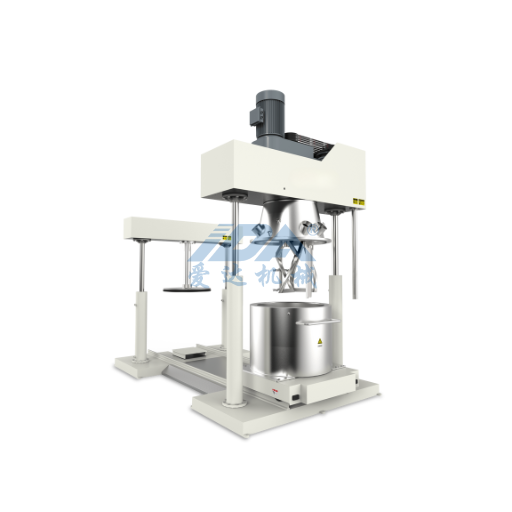
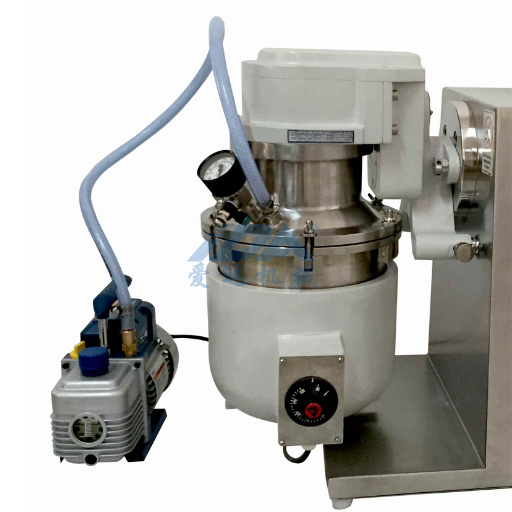
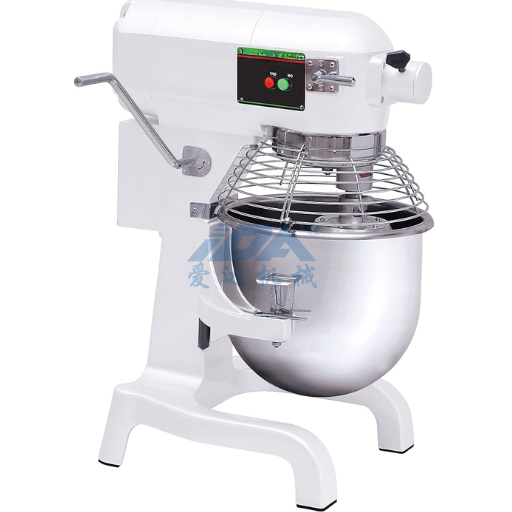
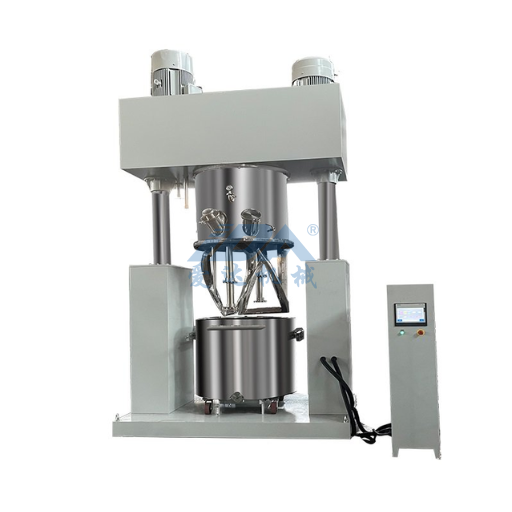
Planetary mixer is employed for mixing, emulsifying, kneading or aerating applications due to its multifunctional capabilities as a commercial or industrial appliance. The mixers carry mixing attachments which rotate about their axes while also traveling around the mixing bowl. This combines the benefits of two different attachments which operate in different directions, that substances of any shape or thickness, including a very viscous one and the one containing filler, can be processed without effort.
It is because planetary mixers which accept use of different blades and attachments are popular among the food manufacturing, pharmaceutical and cosmetic companies. These solid built structures offer efficient and harmonized mixing which is very necessary in accurate laboratory and production endeavors.
Key Features of Planetary Mixers

1
Versatile Mixing Capabilities
Planetary mixer design enables processing of an extensive range of materials from liquid to semi-solid and extremely thick substances. The orbiting mixing blades and revolving bowl system achieve complete and equal blending, handling even the most difficult formulations including dense doughs and emulsions.
2
Interchangeable Attachments
Standard equipment includes multiple attachments—paddle blades, whisks, and dough hooks—providing users with application-based configuration options. This system operates across multiple sectors including food processing and pharmaceutical manufacturing requiring exact consistency.
3
Scalability for Different Operations
Multiple size options include compact laboratory machines for testing and industrial equipment for large-scale production. The system delivers dependable mixing results benefiting operations of various dimensions.
4
Durable Construction
Stainless steel construction provides strength to endure heavy usage in demanding working conditions. The permanent design enables continuous operation because it requires only minimal maintenance which leads to economical performance.
5
Advanced Control Systems
Modern planetary mixers include digital control panels which operators can use to program their specific mixing requirements while adjusting the mixer speed. Operators use controlled processes to manage mixing time and rotational speed, which results in consistent product quality for complex recipes.
6
Enhanced Hygiene and Safety Standards
Surface hygiene is critical and is achieved by designs that can be easily cleaned, tight secure seals at every junction, and safety lock systems in place. Necessary measures are taken to prevent the contamination of products in food or pharmaceutical industries where it is critical to maintain a sterile environment.
Key Insight: The combination of these features with modern technologies and strict quality requirements has made planetary mixers essential for multiple business operations, providing professionals with reliable performance that adapts to their needs while delivering efficient results.
Applications in Various Industries
The industrial sector employs planetary mixers across different fields because they provide accurate mixing solutions for various applications:
- ▸
Food and Beverage Industry: Produces uniform dough, batter, and emulsion products maintaining consistent texture and quality throughout manufacturing processes. - ▸
Pharmaceutical Industry: Creates creams, ointments, and pharmaceutical suspensions meeting established hygiene and quality control requirements. - ▸
Cosmetics Manufacturing: Serves as a major blending tool for delicate products including face creams and lotions. - ▸
Chemical Manufacturing: Handles high-viscosity chemical products including adhesives and sealants with precision.
The essential function of planetary mixers provides the ability to produce consistent results at large volumes while maintaining high product quality across multiple industrial sectors.
Types of Planetary Mixer Blades

1
Flat Beater: Design and Uses
Flat beaters use their flat paddle design to achieve successful results when they mix, fold, and blend different ingredient types. The beaters which have been made from stainless steel and aluminum materials operate effectively to handle both light and medium batter mixtures. The design establishes complete contact with the mixing bowl, enabling thorough ingredient incorporation while eliminating lumps and producing a consistent final product.
Primary Applications:
- Cake batters requiring precise yet gentle blending
- Cookie doughs maintaining component structure
- Medium-viscosity mixtures in culinary applications
- Industrial food production requiring consistent texture
Recent Development: Multi-layer coatings for flat beaters increase non-stick properties while decreasing residue accumulation, making post-operation cleaning significantly simpler. These advancements establish flat beaters as essential components in modern planetary mixing systems.
2
Wire Whip: Advantages and Applications
The wire whip functions as a vital component for planetary mixing systems which need to achieve their maximum air incorporation requirements during the mixing process. This attachment uses multiple wire loops which extend their reach to all areas, thus enabling it to create foam and emulsions and light textures. The main benefit enables users to quickly produce whipped cream, meringue, and other aerated products with reduced physical labor and time.
Key Advantages:
- Maximum aeration for whipped products
- Rapid production of meringues and foams
- Efficient emulsification of fats in cream production
- Reduced processing time compared to manual methods
Industrial Innovation: Stainless steel coatings and reinforced alloys have increased longevity by resisting wear and corrosion from continuous operation. Adjustable wire density enables manufacturers to design whips meeting specific viscosity requirements for both culinary and commercial applications.
3
Dough Hook: Construction and Ideal Uses
The dough hook serves as a specialized attachment which construction requires strong materials that include stainless steel and heavy-duty aluminum. The tool functions as a kneading device through its C-shaped spiral design which blends multiple dough types while creating gluten structure through mechanical methods. Modern material science enables dough hooks to achieve enhanced durability, with most products featuring non-stick coatings and reinforced structures that handle the demands of professional kitchens.
Ideal Applications:
- High-gluten bread dough production
- Pizza dough requiring gluten development
- Bagel dough with specific elasticity requirements
- Artisan bread formulations for consistent results
Performance Benefits: The equipment lowers the risk of damaging dough through excessive processing, protecting flexibility while maintaining consistency. Ingredients are incorporated with high efficiency, leading to faster kneading compared to manual methods—essential for both industrial operations and home baking.
Technical Details of Mixer Blades
Blade Geometry: Impacts on Mixing Efficiency
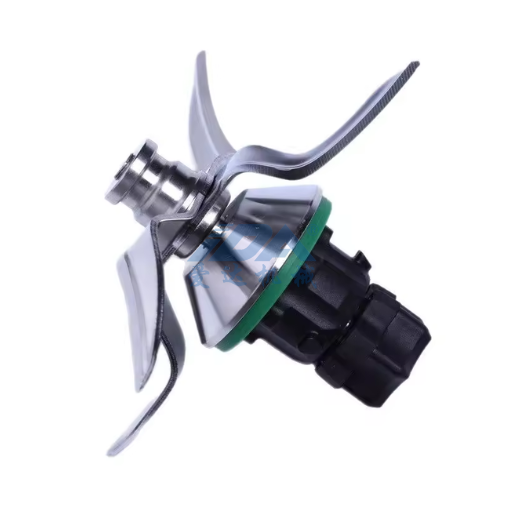
The shape of mixer blades determines effectiveness in mixing materials, dictating how components will be mixed, aerated, and blended into uniform mixtures. Blade design requires consideration of three main factors for optimal performance:
Blade Curvature
Curved blades allow ingredients to move through the mixer with less resistance, resulting in better mixture distribution across the entire batch.
Blade Angle
Precise angles optimize material flow patterns and ensure uniform contact with all mixture components throughout the mixing cycle.
Blade Spacing
Proper distance between blades prevents dead zones while maximizing coverage area for thorough ingredient incorporation.
Industry Advancement: Manufacturers have created advanced multi-angled blades performing three functions simultaneously—scraping, folding, and blending—achieving faster mixing results with reduced manual work requirements. This combination of advanced engineering with user requirements produces superior results with minimal operational effort.
Material Construction: Durability and Performance
Materials used in creating mixing blades determine both operational lifespan and performance effectiveness. The modern market utilizes advanced materials offering excellent protection against corrosive elements, physical abrasion, and heat damage.
Consumer Preference: Current data indicates consumers prioritize materials handling heavy usage while maintaining cleanliness standards and hygienic properties. Material selection must balance structural strength with food safety requirements to deliver optimal results in both commercial and residential applications.
Compatibility with Different Processes
Assessing material performance with various operational parameters and processing environments requires understanding both material properties and design characteristics. Equipment must maintain performance across diverse conditions:
- ●
High-Temperature Applications: Baking equipment must maintain original shape when exposed to elevated temperatures for extended periods. - ●
Low-Temperature Processes: Freezing applications require equipment retaining original form in extremely cold conditions. - ●
Chemical Resistance: Equipment handling acidic or alkaline substances needs non-reactive coatings protecting against chemical damage. - ●
Multi-Function Capability: Modern solutions must transition between cooking and chilling modes while maintaining structural integrity.
Market Trend: Search engine data shows increasing demand for multi-functional kitchen solutions. Manufacturers must develop adaptable designs handling temperature changes, moisture variations, and environmental conditions to ensure smooth operation across different workflow systems.
Enhancing Process Flexibility
Selecting the Right Blade for Your Needs
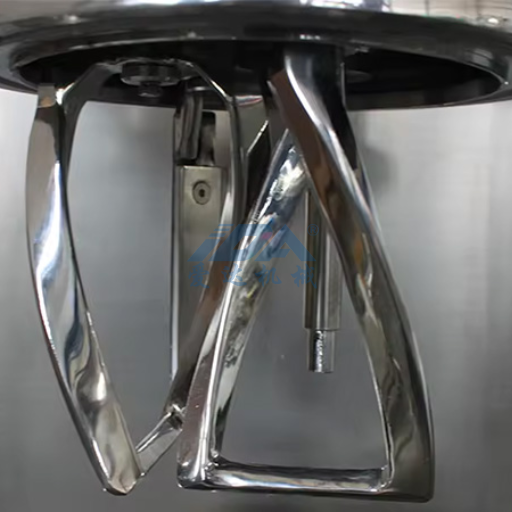
Blade selection for particular tasks requires assessment of three critical factors:
1
Material Characteristics
Consider viscosity, density, and composition of materials being processed. Different materials require specific blade designs for optimal results.
2
Blade Shape and Design
Evaluate straight edges, tooth patterns, and rounded edges based on cutting and mixing requirements for specific applications.
3
Functional Requirements
Assess operational needs including processing speed, temperature range, and environmental conditions for proper blade selection.
Impact on Mixing Efficiency and Processing Time
Blade design selection determines both mixing efficiency and processing time requirements. Advanced blade designs achieve superior results through several mechanisms:
Advanced Design Features:
- Serrated edges combined with multiple cutting points produce greater shear forces
- Decreased non-productive areas in mixture improve overall efficiency
- Variable pitch and angle-shifting capabilities enable customized operations
- Advanced alloys and anti-corrosion surfaces extend operational lifespan
Performance Benchmark: Industry research indicates that properly matched blade designs can reduce process time by up to 35% while maintaining or improving product quality standards.
Ensuring Product Consistency Across Industries
Maintaining product consistency throughout different industries requires organizations to implement a detailed methodology using modern technology and data analysis with strict process management:
Quality Management Systems
ISO 9001 compliance establishes process improvement and optimization methods creating consistent output.
Real-Time Data Analytics
Data insights monitor production processes, identifying variations requiring corrective actions before issues develop.
Predictive Algorithms
Machine learning models adjust operations according to precise product requirements, maintaining consistency regardless of external variables.
Applications in Pharmaceutical Manufacturing

Importance of Accurate Mixing in Pharmaceuticals
Accurate mixing establishes a fundamental requirement in pharmaceutical production because it determines all product quality attributes and operational efficiency and protective measures for finished items. The mixing process ensures that all dosage forms which include tablets and capsules and liquids will contain essential active pharmaceutical ingredients and excipients in their correct proportions.
Critical Consideration: The distribution of active pharmaceutical ingredients through mixing shows patterns that can cause drug interactions and medicine misuse if not properly controlled. The exactness of mixing operations requires total commitment because it protects patient safety and ensures compliance with regulatory standards.
Recent Technological Advancements:
- High-shear mixers for rapid blending and particle size reduction
- Continuous blending systems achieving complete product uniformity
- Machine learning for predicting and controlling mixing process variations
- Real-time monitoring systems ensuring cGMP compliance
Choosing the Right Blade for Pharmaceutical Applications
The selection process of pharmaceutical mixing blades serves as the key factor producing product consistency and fulfilling regulatory requirements. Choice largely depends on specific material properties being processed:
Innovation Spotlight: Inline rotor-stator mixers with interchangeable blade heads are gaining popularity due to versatility across pharmaceutical applications. Computational fluid dynamics (CFD) simulations enable manufacturers to create customized blade designs matching precise requirements of contemporary pharmaceutical products.
Case Studies: Successful Implementations

Case Study 1: Biopharmaceutical Production
Optimizing High-Viscosity Mixing
A leading biopharmaceutical company encountered major difficulties mixing highly viscous materials needed for monoclonal antibody production. The company implemented advanced computational fluid dynamics (CFD) to develop precision-engineered mixing blades.
Key Results:
- 25% efficiency gain in mixing operations
- Material waste reduction achieved
- Product uniformity increased
- cGMP standards maintained
Case Study 2: Oral Solid Dose Manufacturing
Scaling Up Production Capacity
A pharmaceutical company needed to increase output while maintaining quality of oral solid dose medications. The organization implemented customizable mixing systems with continuous monitoring features.
Key Results:
- 30% reduction in processing time
- Batch scalability maintained
- Product integrity preserved
- Regulatory compliance standards met
Key Takeaway: These results demonstrate that modern blade customization combined with monitoring technology provides quantifiable efficiency gains manufacturing operations can achieve by adjusting their processes.
Frequently Asked Questions
What advantages do double planetary mixers offer when applied to high viscosity materials compared to other mixing equipment?
Double planetary mixers achieve superior performance with medium to high viscosity and semi-solid materials because their dual motion blades establish efficient mixing exceeding capacity limits of high-speed mixers. The dual blades usually combine a rectangular gate blade with an impeller element to create a helical blade which achieves complete powder and granule blending with gels or pastes. Double planetary mixers enable operators to control their mixing activities while using abrasive and granular materials. Industries that use the product include pharmaceuticals and chemicals and cosmetics and personal care products which need complete yet gentle mixing. The design allows the equipment to function as vacuum mixers which dissolve solids into viscous materials while protecting delicate components.
What types of mixers and mixer designs are best for blending powders and granules?
The combination of powders with granules can be achieved through three types of equipment which include ribbon blenders and spiral mixers and double arm mixer systems, but the superior option for mixing cohesive powders exists in planetary design systems. The combination of high shear mixers with high-speed mixers serves as an efficient solution for applications that require both fast size reduction and immediate material dispersion, while low-shear spiral designs and helical blade designs maintain particle structure and decrease dust emission. The process industries need to evaluate two factors which include abrasion and the characteristics of the materials that will be mixed, because the mixing of abrasive powders demands special wear-resistant blades and precise control over mixing duration and operational cycles. Mixers reach their optimal performance when they achieve two objectives, which are to create a uniform mixture and to manage the formation of granules and gel without putting excessive strain on the production process. The selection of appropriate design choices leads to the achievement of quality standards, while the blending process maintains its efficiency.
What benefits do double planetary mixers provide for use in pharmaceutical and chemical production processes?
Double planetary mixers provide the benefit of using planetary mixing motions to achieve complete mixing results with medium to high viscosity materials which pharmaceutical and chemical industries require. The system enables complete paste mixing of semi-solid excipients and powder granule processing, while it operates as a vacuum mixer to extract air which stabilizes the product. API dissolution into gels or pastes occurs through the mixing control which maintains process speed while producing high-quality output. The design of these mixers supports cleaning procedures which reduce contamination risks while they provide effective blending for sterile and sensitive product needs. The system can operate across multiple applications because it handles abrasive materials and supports different blade types including helical blades and rectangular gate blades.
What impact do various mixer types have on industrial mixing processes regarding mixing efficiency, operational duration, and the quality of finished products?
The type of mixer directly influences mixing action, cycle time, and final product quality: high shear mixers and high-speed mixers reduce cycle time for dissolving or dispersing ingredients, whereas double planetary mixers provide thorough mixing with more gentle shear suitable for gels and semi-solid formulations. The specific flow patterns which spiral mixers and helical blade configurations create enable the system to achieve better powder and granule system homogenization results without causing excessive wear. The choice of blade geometry and mixing equipment determines the lifespan of components and the consistency of results in industries dealing with abrasive or granular materials. The process industries use mixers and all process industries need control over their mixing process and materials which require blending in cosmetics and personal care products. The correct selection process eliminates rework needs while confirming that all applications meet required physical and chemical standards.
Reference Sources
- The Effect of Material and Process Parameters on Impeller Torque and Power Consumption in a Bladed Mixer – Explores the impact of blade configurations on torque and power consumption in mixers.
- Study of Planetary Concrete Mixer – Discusses planetary mixing actions and the design of mixing paddles for industrial applications.
- Advanced Multi-Tube Mixer Combustion for 65% Efficiency – Examines advanced mixing technologies and their applications in energy systems.
- Double Planetary Mixer
Conclusion
The optimal mixing efficiency for different industrial applications depends on the knowledge of planetary mixer blade types together with their specific operational functions. The different blade types for which the industry has developed various designs all exist to fulfill specific operational needs. Organizations that align their blade design needs with their material requirements and operational demands will achieve higher productivity levels while decreasing their processing times and maintaining consistent product standards. The integration of advanced blade technology with proper material selection and modern control systems establishes a standard of excellence for food production and pharmaceutical manufacturing and chemical processing activities.