Get in Touch with IDA

Top 15 Filling Machine Manufacturers You Need to Know in 2026(Updated List)

Contents
show
Filling machinery is high technology in today’s packaging landscape; it must therefore be able to automate operations, boost efficiency, and guarantee reliability across an array of industries-from cosmetics and personal care through food, beverages, and pharmaceuticals. A sealing machine full-on interlaced with capping, conveyor, and bottle unscramblers substantiates the creation of robust packaging lines. This article would expose the bases of filler equipment, talk about some notable types of filling systems, and create a platform for evaluating a manufacturer/supplier of filling machines that deliver true quality fillers in the field of end-to-end solutions for packaging.
Introduction to Filling Machines
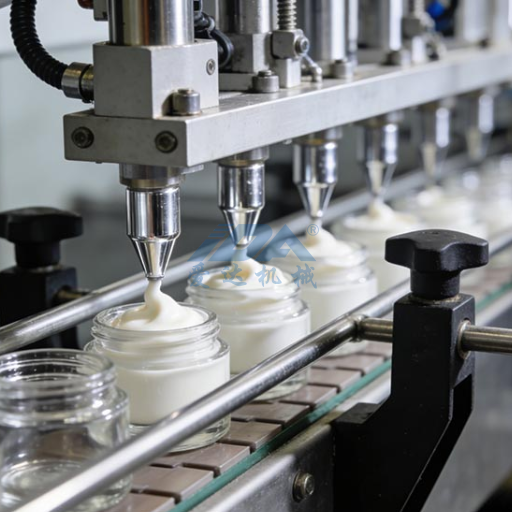
Filling machines are the specialized packing machines designed to fill the exact amount of the product in a container or bottle with the same accuracy. A substantial bottle filling machine might consist of liquid fillers, nozzles, pistons, and volumetric controls able to tackle a broad coverage of viscosities—from liquids as thin as water right up through thick creams. Nestled within more extensive pieces of packaging machinery and interfacing perfectly with a capper or capping machine while working with conveyors and other packaging equipment, each member contributes equally to an efficient automatic line forming and rendering consistent, repeatable products.
What is a Filling Machine?
A liquid filling machine is classified as any system that fills a specific volume or weight of the product into a container, typically, volumetric, weight, or timed pressure controls. For wet goods; a pneumatic flexible impeller pump filler can apply seals to sterile applications using gravitational filling. Bottle filling machines offer acceptable design nozzles meant to relieve itself of dripping and foaming. These machines could be semi-automatic or fully automatic in nature, and can thus be quite customizable in relation to the exact level and manufacturers are looking for; with regards to the consistency and high quality results.
Importance of Filling Machines in Packaging
Filling machines drive productivity, quality, cost control, and loss elimination. An important advancement it allows is the sterilization and re-stabilization of time cycles. A liquid-filling machine, when mated to an accurate capper, can pellet all filling and all capping and therefore has provisions for lip on filling after capping. This is a protective feature, in terms of the brand as well as safety to the end user. An efficient filling machine system is required for cosmetics, personal care, food, with the manufacture of the filling machines concluding that higher speeds between changeovers and flexibility with other SKUs are routed through compliance. When a filling equipment manufacturer brings in conveyor and bottle inverter and capping inspection line, they offer full-package, good manufacturing compliance, and a guarantee to put you on the fast track and ensure future reliability.
Types of Filling Machines
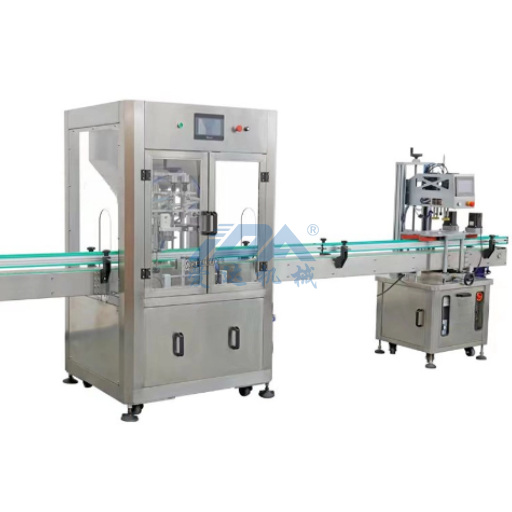
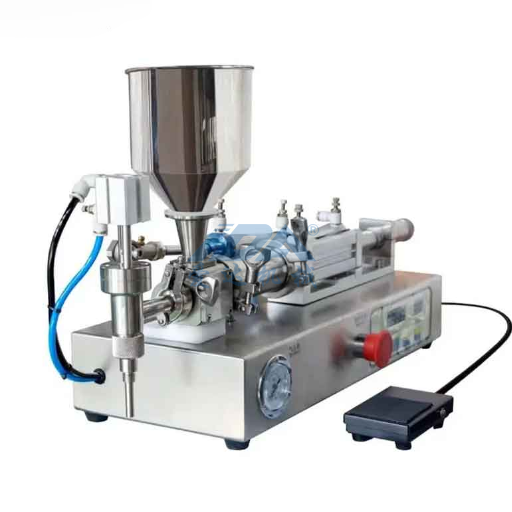
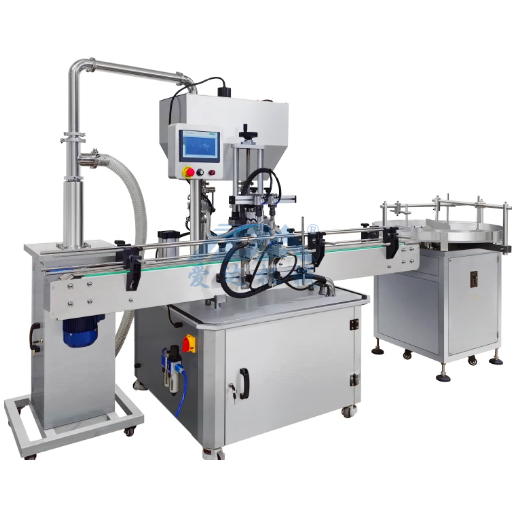
There are most commonly used filling machines for the various forms of fillers: piston filling machines are used for thick pastes and creams; gravity and overflow fillers are used for low-viscosity liquids; pump-based fillers are used for general-purpose uses. In volumetric systems, the piston delivers an accurate amount at greater distances, while time/pressure and mass flow suit lightweight liquids on high-speed packaging machinery. For bottle-filling machines, they can be semi-automatic for smaller production runs or completely automatic in terms of packaging systems. Many manufacturers of filling equipment provide capping systems, capping machines, and conveyor modules designed to assist in the product design required to isolate machines for the different varieties of bottle geometries and needs most general in production lines.
| Filling Machine Type | Typical Use or Feature |
|---|---|
| Piston fillers | Thick pastes and creams; volumetric, repeatable doses |
| Gravity and overflow fillers | Low-viscosity liquids |
| Pump-based liquid fillers | Versatile applications |
| Time-pressure / mass-flow options | High-speed packaging machinery |
Table 1 — Filling machine types and their primary applications
| Automation Level | Context |
|---|---|
| Semi-automatic | Lower volumes |
| Fully automated | Comprehensive packaging lines with optional cappers and conveyors |
Table 2 — Automation levels and contexts
Key Features of Filling Equipment
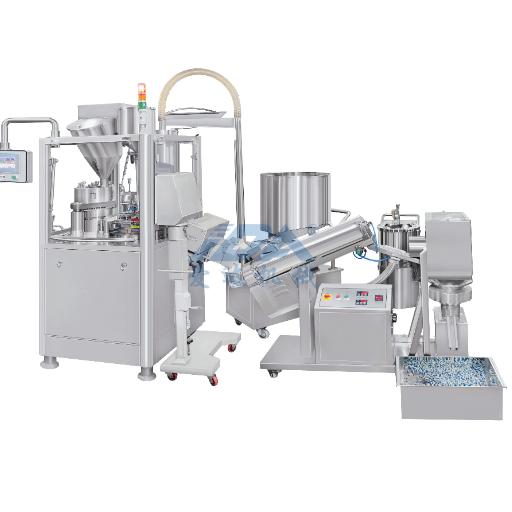
Precision, speed, and consistency are the most important attributes that are combined into high quality filling equipment in order to cater for a great variety of products and container types. Like this, a modern filling machine is fed via a conveyor from a capper and bottle-unscrambling machine to compose a production line with options for automation of repetitive tasks and output stability. While for a bottle filler, leading equipment manufacturers stress robust build-up, precise hygienic nozzle control, and design, for continuous hassle-free manufacture of superior filling with as little imbalance as can be away from field stops or wastage in respect of time.
⚙
Automation and Efficiency
Automation essentially raises productivity by bringing fluid fillers, cappers, and conveyors together to work in unison and solve the labor problem while improving cycle time. In a range of filling machines, PLC control, servo-driven pistons, and volumetric dosing are used to help a filling machine manufacturing company managing changeovers and recipe management. Integrated sensors, bottle presence detection, and anti-drip nozzle technology are designed not only to reduce rejects but also to assure strong capping of bottles far down the line. This results in a very fluid machinery ecosystem whereby filling systems remain within takt time, enshrined into OEE, and can be embraced for scalability in high-quality manufacturing in hostile environments as false.
◈
Customization Options for Every Industry
From cosmetics and personal care to foods, beverages, and pharmaceuticals, equipment manufacturers customize machine solutions to match the rheology of the product, bottle geometry, and compliance requirements. A filling machine manufacturer could modify a filler and nozzle array for the prescribed viscosities and throughputs. Bottle filling equipment can be adapted for quick change parts, tools free adjustments, and recipe-driven volumetric settings. Through the use of modular packaging equipment and collaborating capping processes, a bottling machine can get an upgrade with new SKUs giving flexible packaging machines into all market niches.
≋
High Viscosity and Liquid Filling Capabilities
Filling any type of liquid is demanding, requiring an adaptable filling mechanism and full control over the filler. In case of thick products, the piston principle supplies an accurate volumetric dosing system. In the case of very low viscosity products, the water-thin, the machine facilitates liquid-dosing apparatus in pump and gravity designs. Advanced filling equipment focuses on preventing foaming, while immersion nozzles and recirculation act synergistically to maintain precision. When interfaced with a filler and a capper tied to the system through conveyors, such systems can be set up as end-to-end packaging lines, assuring the integrity of bottles and sound manufacture. A good equipment maker melding machine/equipment selection with product properties is a guarantee of dependable, repeatable manufacture in all situations.
Directory of Major Filling Machine Manufacturers

The ultimate action would be choosing among an entire set of filling systems embodied within company names. The range of filling systems which on a wide platform covers a wide range of models from semi-automatic models for an SO to turn-key systems including different conveyers, capping machines, bottle capping modules and bottle unscramblers, should be selected according to the technology for nozzles, viscosity, volumetric accuracy, changeover speed as required and after-sales service to make automation applies to the level where it can deliver reliable quality fillings.
Comparative Table of Filling Machine Manufacturers
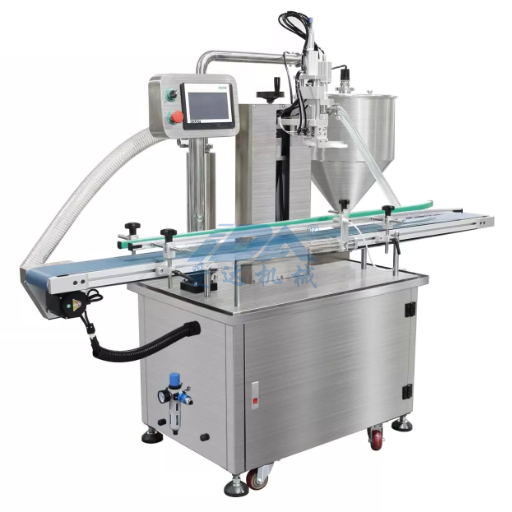
Comparative approaches make it possible to evaluate every liquid filling unit productively by key points influencing the production lines and business time of the filling machine manufacturers. When it comes to liquid filling systems, the buyer should check features like filling liquidability, nozzleing, volumetric accuracy, compatibility with capping machines, cappers, and conveyors. They should also investigate possible customization, integration with bottle unscramblers, and reliability. Comprehend equipment frame services’ abilities and the support of the equipment supplier toward scale-up for maintaining automated manufacturing line advancement.
Overview of Key Features
This type of machine is responsible for most of the novel filling innovation. Some of the pioneer advancements in filling technologies include additions to fill from our range of servo-driven piston fillers used in packaging products like viscous ones and liquid fillers used in packaging free-flowing items with CIP, diving nozzle assemblies, and anti-drip control to assure good filling quality. Options are available including volumetric and mass-flow measuring techniques, recipe control, and capper and conveyor synchronization. Semi and fully automatic machines are also made to fit into bottle unscramblers and inspection systems, where they enhance packagers’ abilities to indigenize the machine design for productivity and reliability.
| Category | Examples / Functions |
|---|---|
| Filler Technology | Servo-driven piston fillers for viscous goods; liquid fillers for free-flowing products |
| Sanitation & Quality | Clean-in-place, diving nozzle assemblies, anti-drip control |
| Control & Options | Volumetric and mass-flow options; recipe management; synchronization with cappers and conveyors |
| Line Integration | Semi-automatic to fully automated machines integrating with bottle unscramblers and inspection |
Table 3 — Key features overview by category
Pricing and Service Options
Prices for these machines can be determined through the frame size, number of filling heads, material finish, and the extent to which they are integrated with other packaging equipment such as cappers and conveyors. Also consider the complete cost of ownership apart from the initial capital investment, consumables, change parts, software, and power use for the line. Some of the good service models are preventive maintenance, remote diagnostics, spare-part logistics, and operator training. A feedback-resilient equipment builder should deliver commissioning support, maintenance agreements, and performance guarantees orientated towards uptime, thereby facilitating quality production of services and minimising threat to the machine.
Customer Feedback and Reputation
User feedback indicates the performance of the filling machine under real packaging conditions. Look into uptime, durability, volumetric accuracy of the nozzle, and consistency of bottle capping as paired with cappers. Reviews should ensure that the liquid filling equipment remains clean, accommodates product changeovers, and is seamlessly integrated with bottle filling equipment and conveyors. Prefer those manufacturers armed with evidence of performance and reliability standards across the cosmetics, personal care, food and industrial sectors.
Conclusion and Summary
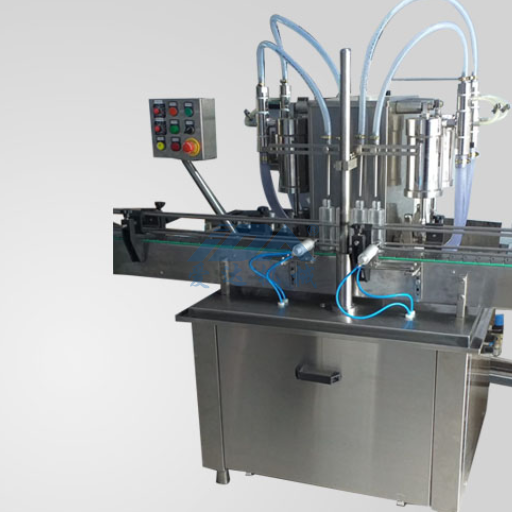
Deciding on the proper filler hinges upon its alignment with this technology, integration, and support for your packaging line. Attention should be paid to the ability to check a piston or a liquid filler for viscosity requirements, the existence and control of an additional nozzle, tolerance of volumetric precision, and compatibility to be installed inline with a capping machine, capper, conveyor, and bottle unscramblers. The best filling equipment manufacturers are those providing the means of production that automate the work process, effect quality fills, and serve and expand with the work requirement. Price should be assessed against a combination of features and reputation in order to help guarantee that the purchase is of high-quality equipment for extended productivity.
Final Thoughts on Choosing a Filling Machine Manufacturer
A leading filling machine manufacturer delivers modular machine equipment, reliable controls, and turnkey integration to automate the production line. The choice of the right equipment that really complements product rheology and that allows for quick changeovers in order to retain precision, using advanced caps and nozzles, is a must. Services relating to lifecycle, spare parts, and training services shall impact OEE positively. Packaging equipment shall truly integrate with cappers, conveyors, and inspection equipment to ensure that bottle capping is perfectly performed. At the end of the day, one must choose partners whose packaging solutions deliver measurable reliability and productivity gains across the spectrum of packaging contexts.
Future Trends in Filling Equipment
The filling systems are advancing to digital twins, predictive maintenance, and AI-based quality monitoring, capable of detecting nozzle wear and volumetric drift. Servo-assisted piston technology is another development that continues to make strides, with the enhancement of hygienic design and interoperable controls, thereby uniting fillers, cappers, conveyors, and unscramblers. The ability of machines to operate in adaptative takt time, or continuous editing right at the shop floor’s pace of production, will come about. Sustainability goals are driving energy-efficient packaging machinery and reducing waste, while modular packaging equipment ensures massive format changeovers and scalable automation all the way along the facility.
Next Steps for Your Packaging Needs
Define viscosity ranges, target speeds, and container formats, then map integration points for a bottle filling machine, capper, and conveyor. Develop a user requirement specification detailing nozzle configurations, volumetric tolerances, sanitation, and data connectivity. Further supplier who has interest in FAT/SAT plans, service SLAs, and also references. Test critical recipes on candidate fillers within the representative packaging line. Select the filling equipment manufacturer whose packaging solutions consistently deliver reliability, quality filling, and streamline manufacture at your required scale.
| Planning / Specification | Procurement / Validation |
|---|---|
| Define viscosity ranges, target speeds, container formats; map integration points for filler, capper, conveyor. Develop user requirement specification: nozzle configurations, volumetric tolerances, sanitation, data connectivity. | Request proposals including FAT/SAT plans, service SLAs, and references from multiple manufacturers. Pilot critical recipes on candidate fillers within a representative packaging line; select the manufacturer that delivers reliability, quality filling, and streamlined manufacture at the required scale. |
![Filling Machine Types, Working Principles & Selection Guide [2026]](https://idaequipment.com/wp-content/uploads/2026/04/1-2-768x515.png)