Get in Touch with IDA

Piston Filler vs Peristaltic Pump Filler: A Technical Comparison

Contents
show
Introduction to Liquid Filling Machines

Overview of Filling Technologies
In filling liquids, technicians use two major types of filling technology, volumetric filling and gravity filling. Being methodically opposite mechanisms, the two methods remain different due to related objectives and different performance considerations according to specific application requirements across disparate industries applying technologies.
Volumetric filling machines by design provide accurate volume dispensation on every passing unit of liquid. Therefore, automated insurance allows perfect workflows where perfection is paramount, like in medicines or cosmetics. Volumetric filling is pretty flexible with multiple types of machinery meant for different viscosities. However, these machines also require very regular calibration and maintenance to prevent inconsistencies in accuracy and inconsistency performance due to variations in parts’ wear and tear on the mechanism.
In contrast, gravity filling machines employ the natural force of gravity for discharging liquids. They are most suited for thin, free-flowing liquids such as water, juice, and oil. Gravity fillers are usually simpler, more cost-effective, and contain fewer moving parts, resulting in significantly lower maintenance requirements. However, it is still unclear whether this method performs adequately for thicker or higher viscous products since this could limit their applicability to fewer niches. Through understanding these basic technologies, businesses can assess these according to the requirements to obtain the perfect process control, accuracy, and product type.
Importance of Choosing the Right Liquid Filling Machine
Having the right liquid filling machine is absolutely key to ensuring a smooth production process, maintaining the quality of the product and catering to customer demands. The selection of the equipment again augurs for more usefulness; in fact, if the right machine is there, then one expects lifting in the speed so that the quick and precise filling can be done for all the products and with minimal wastage yet reducing the downtime for the manufacturing process. This makes the business run smoothly and profitably, delivering consistent and reliable results for all products.
The next and one of the most significant factors to consider is the compatibility with the product and packaging requirements. Different liquids come in different viscosity; hence, some may require custom handling such as: the foaming and heat-sensitive items. If one keeps in mind the type and size of containers, then the wrongoing machine can be easily and safely selected because a machine matching those specifications means greater precision, fewer operational setbacks, and further avoids costly errors or damage to the product.
For future growth of the business, the scalability of the filling machine becomes crucial. Investing in a machine that can adapt to better yield or adjust to different product lines can allow your business to scale up over time without too much expense in constant upgrading or changeovers. Far beyond present-day services, such an insightful configuration prepares a company for the long haul, not just concerning competitiveness but also continuing with its dynamic growth.
Applications in Various Industries
Filling machines are very important in industries for improving the efficiency of production processes while also keeping their quality consistent. A major one of such industries is that of food and beverage. These machines assist in packing various types of fluids to high precision, such as juices, sauces, and dairy products while upholding hygiene standards and wastage. In their broad spectrum of applications, they could assist producers in dealing with all kinds of viscosities and packaging size requirements regardless of the consumers’ most diverse requirements.
One more important industry enjoying great benefits from filling machines is the pharmaceutical industry. Here, precision and sterility are crucial. Filling machines are utilized for filling up measured quantities of medicines, including syrups or tablets, or even vaccines, while observing stringent regulatory standards. This enhances productivity capacity for fulfilling health demands at the world scale.
Filling machines are used extensively for lotions, perfumes, and creams in the cosmetics and personal care industry. Due to high precision and consistency in packaging aesthetics, the filling machines make it possible to transport the several products in a managed and very controlled manner throughout the market, using the brand representation as their mode. Filling machines enhance the backbone for an efficient operation control, saving on costs, and cater in a timely way to satisfy all market demands in all these industries.
Piston Filler: Mechanism and Applications
How Piston Pump Filling Works
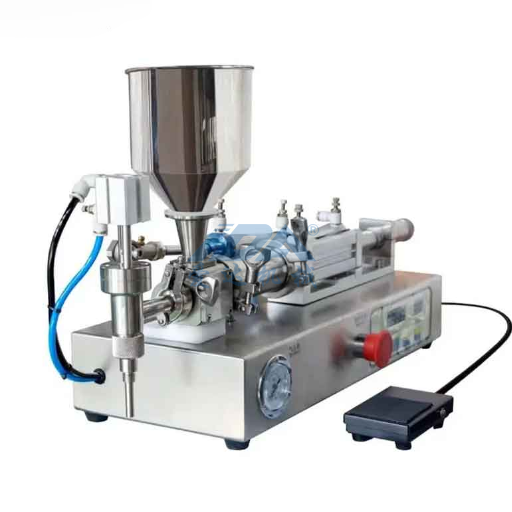
The piston pump filling system follows the principle of a mechanical system that forces liquid into a pit, and makes it deliver exact amounts of liquid. Piston pump function as follows: The piston draws in from a filled cylinder through an inlet valve, and then, when both the cylinder and piston are completely charged, the piston moves to discharge with an outlet valve into the final container; thereby, all needs to ensure a total and fill volume system in one go, where necessary.
These are incredibly flexible experiences with many products and a range of viscosities. Fillers are multiple for example, Majoroza, respectively thin and applied in such industries as food and drink, cosmetics, pharmaceuticals, and chemicals where exact dosing is unimportant.
The robustness and consistency of piston pump filling machines make them cost-effective in all operations, both small and large. They reduce product wastage by delivering accurate fills and speed up the entire production process by automating repetitive tasks. An extra bonus is that they are easy to clean and maintain accordingly, upholding the standards of cleanliness, which are essential for consumable or sensitive product industries. This is a reliable, total solution that ensures accuracy, versatility, and the quality of production efficiency.
Advantages of Piston Filling for Liquid Products
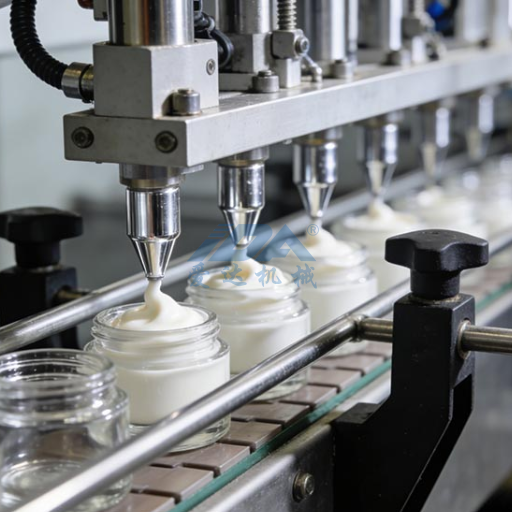
The most straightforward machine filling technology which assures the highest accuracy in liquid dispensing, a must to ensure product uniformity and minimal wastage, the piston filling is one of the most possible ways to handle inferior as well as high-viscosity liquids and an absolutely smooth and precise filling action for a vast variety, from water-like substances to the thickest sauces or creams. This adaptively, suits them in many industries, including food and beverage, cosmetics, and pharmaceuticals.
Piston fillers require less maintenance because of their simple and sturdy design. Typically, machine failures are almost ruled out owing to great mechanical precision, and ideally, the consistency of their performance is reliable with time. Piston filling machines are less sensitive to operator ignorance and can, therefore, be controlled and reconfigured for different container sizes and products in a matter of minutes. This significantly contributes to productivity because less downtime is incurred from production line changes.
The piston filler also makes the task of hygiene maintenance very easy, catering to the high-end requirements of industries dealing in consumable or sensitive goods. All the components offer ease of cleaning, in most cases embedding food- or pharmaceutical-grade materials. Therefore, care is taken while handling any kind of liquid product to ensure that health and safety are complied with, which solidifies the reputation of these piston fillers as a good and dependable solution to filling products with liquid.
Ideal Applications for Piston Fillers
A piston filler is a machine of choice for industries that require accurate output of their liquid or semi-liquid products. Though it can be applied to low viscosity solutions such as water and oil cleaning, it really shines when it comes to handling more viscous solutions, i.e., sauces, creams, and gels. These fillers have gotten near to the level of undeniable necessity in a variety of sectors in which quality must be maintained.
The food and beverages industry is surely one winner in the hands of piston fillers, which offer a suitable filling service for items which are forthcoming to meet consumer dejunctures, such as jams, honey, syrups, salad dressings, and dairy products. Thus, contributing to hygienic conditions that arise throughout the fabrication process. It is important to minimize the residues because the use of the filler plays a testimonial to the process in itself. This is of interest to all organizations that prefer to conserve the environment and cut down on energy costs.
Moreover, piston fillers are used in various industries, particularly pharmaceuticals and cosmetics. Since they can smoothly move fragile or highly viscous items, they are perfectly well-suited to filling creams, lotions, ointments, and liquid medicines. Operating robustly under an aseptic environment, these machines ensure that they comply with industry regulations and ensure precision. As a result of diverse types of products and the modes of their operation, these fillers are versatile enough to prove suitable for the most demanding situations.
Peristaltic Pump Filler: Mechanism and Applications
Understanding Peristaltic Pump Filling
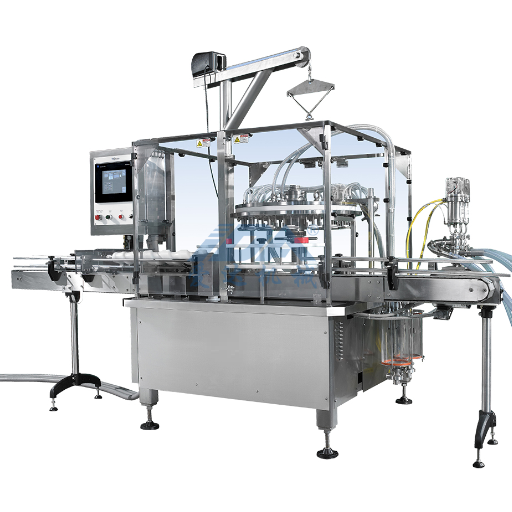
Peristaltic pump filling is a technique that is used to transfer liquid using a system of tubing. The idea is that a roller or shoes rolling over the flexible tubing compressing and thus pushing the liquid in the tubing, with definite limitations. The tubing design guarantees that the liquid does not get in contact with the external surroundings, thus guaranteeing cleanliness and preventing external contamination of the liquid’s very purity. This approach is particularly beneficial for delicate liquids, restricting contact with undesired outer factors and hence reducing product degradation during filling.
One of the chief benefits of having a peristaltic pump filler is its exactness and flexibility. The system is able to provide an accurate control of the volume of liquids. It is ideal for cases in which precision is of the essence. This is suitable for a wide-range of liquid viscosities as well as thin solutions or very dense creams, and hence fits itself well for broad industrial spectrum usages that may range from pharmaceuticals to cosmetics to food. Changing the tubing gives rise to a business process that will ensure little time to set up and a quick turnaround between cycles of production.
High cleanliness standards are met in an aseptic field, and as the medium is confined within the tubing, no other cleaning is needed for the rest of the pump; hence, operational efficiency gets another boost. This facilitates the use of peristaltic pump filling at the top end in sterile applications, filling drugs, biologics, or specialty products and maintaining compliance with the very strict laws governed by regulatory authorities in this front.
Benefits of Using Peristaltic Pumps
Peristaltic pumps are perfect for keeping a very precise and steady flow ratio for applications subject to severe precision requirements, such as pharmaceutical dosage and laboratory testing. The circular flow of fluids moves them wholly within the pump tube so they do not contact the pumps; this simply reduces the chance of contamination. This renders them an “almost mandate” for handling sterile and delicate substances, ensuring the integrity of product every step of the way.
Peristaltic pumps are very low-maintenance because of their straightforward build. There is no contact between the fluid and the pump, so there is limited wear and tear on the components, making maintenance costs quite low and the duration of efficiency somewhat longer. Moreover, the replacement of the tubing is simple and does not require the use of special tools, adding to the ease of upkeep.
These pumps are capable of handling a wide variety of fluids, ranging from thick discharges to abrasive or shear-sensitive fluids. The wide adaption of peristaltic pumps is just possible across many industries, food production and chemical processing, among them. Their performance in an aseptic atmosphere makes peristaltic pumps an adaptable, solid, and cost-efficient solution for an array of demanding applications.
Common Uses for Peristaltic Fillers
Peristaltic fillers have numerous uses across various industries. Precise, contamination-free handling of fluid makes these fillers perfectly suited for various pharmaceutical and biotechnological applications. They are perfectly suited for filling vials, syringes, or IV bags with heat-sensitive fluids, such as vaccines, serums, and other medical-grade substances, and the aseptic operation ensures sterility which plays a key role in maintaining the integrity of the product and patient safety.
Food and beverage, with demands for hygienic and accurate filling solutions, provides another common area. Applications abound, where peristaltic fillers contribute, for example, in filling of products like sauces, dressings, dairy items, etc. Construction enables a non-contact system, aiding prevention of contamination, whereas gentle pump operation maintains the product quality and texture over sensitive products like dairy; hence, shear-sensitive substances are devoid of shearing apprehension.
Peristaltic fillers are widely used, doing chemical and industrial work, dealing with fluids that range from high viscosity solutions to abrasive chemicals. They have robust construction to handle most corrosive materials while ensuring accuracy and consistency in fill volume. This flexibility together with the reduced risk of employee exposure from toxic fluids places the peristaltic fillers at the top of choices for harsh industrial settings.
Comparative Analysis: Piston vs Peristaltic Fillers
Key Differences in Operation
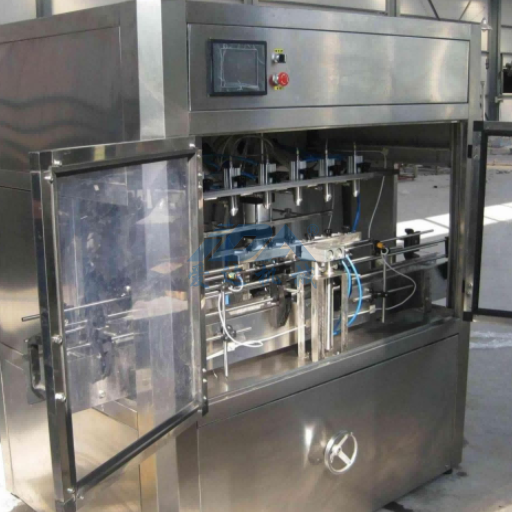
The fillers in peristaltic method differ significantly in functional form from those in the piston method, which clearly dictate that they would thrive in different sectors. The piston filler involves the product slowly being drawn by a piston into the cylinder. It is then pushed into the packaging. The advantage of this system is that it provides high efficiency in the liquid to be filled which may be viscous or semi-solid so that fill volumes are due to its being highly accurate and consistent. Nevertheless, this method requires more maintenance at regular intervals and is relatively complex due to various moving parts present in the mechanism.
On the contrary, peristaltic fillers are designed so that the rotation of a system of rollers or shoes would massively compress the flexible tube where the product is pushed through. This design causes zero contact between the product and the interior machine parts, making these designs suitable for sterile, clean conditions. This design adds low risk of contamination, especially when being manufactured in industries of pharmaceuticals or cosmetics. The peristaltic principle is tailored to low to medium-viscosity fluids and is easier to be cleaned and maintained compared with piston fillers.
The majority of the choice depends upon the product characteristics and rate of operation. Piston fillers would excel over their counterparts in applications with thick substances or where precision high-volume fills are necessary. Peristaltic filler works best for anything intricate about handling liquids, such as small batch volumes or where there is an absolute need of keeping it clean. The knowledge of these operational functionalities will help an industry make an informed choice relevant to their requirement.
Advantages and Disadvantages in Different Scenarios
Piston fillers and peristaltic fillers can be distinguished based on how well they perform in specific scenarios. Piston fillers can be applied when lot of accuracy volume is required, especially in case of thick pastes, creams, or sauces. It allows for filling of very pasty product that may not flow through other types of fillers. Although piston fillers may require more maintenance due to longer mechanical complexity, they are at a disadvantage when it comes to the dispensation of very small volumes of liquids.
On the other hand, for more delicate operations with small batches or delicate liquids, peristaltic fillers are ideal. Hence contaminating the product at a minimum, a filling tube and nozzles with liquid characteristics make it suitable for applications demanding sterility, like pharmaceuticals or cosmetics. However, they do score high for ease of cleaning and maintenance. The primary downside is their limitations in size and viscous nature, as their tubing and pumping may not remain effective for upscaling volumes or products substantially higher in viscosity.
Viscosity of the fluid, amount of material to dispense, and cleanliness required are major determinants for choosing the type of fillers. Peristaltic fillers provide the best low-end filling capacity for precise sterility. Piston machines best serve the market for filling thousands of items in the confectionary and pharmaceutical industries filled with high viscosity. Appreciating the difference in application ensures that the choice of filling equipment corresponds to the application in terms of production specificity.
Choosing Between Piston and Peristaltic Fillers
The distinction between a piston filler and a peristaltic one is often based on considerations such as the product being filled and the accuracy required. Fillers that make use of pistons are popular for handling high viscosity products, such as creams, gels, and heavier liquids, as they have the capacity to handle denser materials with ease. Hence, it is about possible for them to fill faster, given that they are designed to have a resilient treatment of products. Here, the red, pace-consuming performances that require high levels of production, such as pharmaceuticals or food processing, would simply have to align generally with basic functionality.
On the other hand, peristaltic filling machines stand out as a good choice, particularly in sterilized applications where decontamination is absolutely critical. Their best working applies to the lowest viscosity liquids, such as cutting solutions or certain medical- or laboratory-grade material. Given that only the liquid comes into contact with the tubing, these fillers are very sanitary and sterile, minimizing the risk of the product becoming contaminated and causing havoc in a sterile application and for sensitive product requirements.
The decision on whether to select a piston filler or peristaltic filler should basically match your preferred preferences for your operation. Consider the viscosity of the product, expected production output, and hygiene needs for your list of possible filling machines accommodating you most effectively and efficiently.
Conclusion: Selecting the Right Filling Equipment
Factors to Consider When Choosing a Filling System
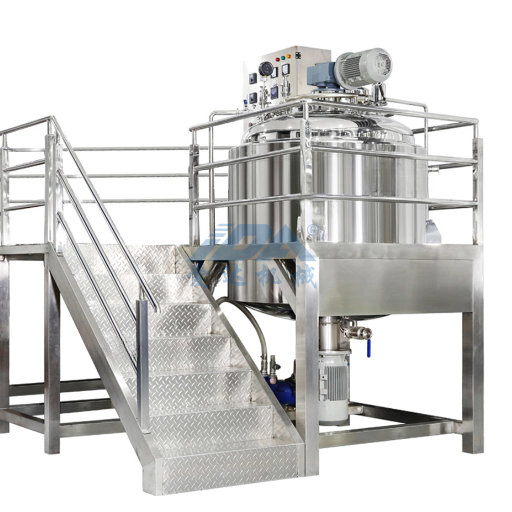
When choosing a filling system, it is essential to assess the characteristics of the product(s) in question. In essence, viscosity, as a characteristic, will influence the type of filling mechanism that can be apt for your product. Thick products may seek the piston filler, while peristaltic fillers may suit the thinner or delicate liquids. Knowing the nature of the products you have brings accuracy in filling and minimizes product wastage.
Your production capacity is another critical factor. What are your expected output and how do you align them with the given filling system? High throughputs would require systems designed for speed and uniformity, whereas smaller productions would usually allow more flexible and manually operated systems. Choosing according to your production scale of your equipment will help to optimize workflow and sustain efficiency.
One of the last things to be considered is cleanliness; indeed, it is a great concern in terms of industry sectors such as food, his/her products, or in pharmaceuticals. In procurement, the essential criterion should be equipment that complies with safety and cleanliness regulations specific to an industry. Purchase criteria that incorporate ease in cleaning or design minimize chances of contamination. Compliance with hygiene standards in and by itself actually safeguards not only product quality but also buyer trust and state consent.
Future Trends in Liquid Filling Technologies
Liquid filling technologies are developing at great speed, driven by automation, sustainability, and customization. One of the major trends is to unify the automation with the goal of optimization and accuracy. Automation steers clear of the human intervention that may encounter errors and therefore ensures good, consistent quality. This is particularly appreciated by high-production industries such as food, pharmaceuticals, and cosmetics.
There is another trend that needs to be recognized – or one in which producers in particular are trending largely toward concern for environment-friendly solutions. This is mostly about investments in designing liquid filling equipment that saves more waste, carry recyclable and biodegradable materials, require far cleaner energy, and significantly reduce industry pollutants. Some of them are in line with global efforts at promoting sustainability and meeting the growing customer preference for environmentally friendly products. The incorporation of such green technologies means that environmental impact is being addressed and that the existence of industry players is backed up by several sustainable-based practices becoming new industry buzzwords.
The final critical shift toward a more flexible and versatile liquid filling machinery belongs to the industry. Modern systems are designed for filling containers of diverse shapes, sizes, and liquid viscosities, affording the manufacturing unit with significant versatility. This is especially important when it comes to markets with specialized product lines or companies that manufacture a variety of products. The cocurrance of these points marks the ongoing evoluton of the complete machinery in the production of liquid filling technologies to more automated, more informal, and more customer-interest versions.
Frequently Asked Questions (FAQ)
Q: What are the main differences in operation between a Piston Filler vs a Peristaltic Pump Filler?
A: A piston filler uses a reciprocating piston inside a cylinder to draw and dispense product, offering quantitative filling and high accuracy for viscous liquids and creams. A Peristaltic pump filler uses peristaltic action where flexible tubing is compressed and released by rollers, so the fluid contacts only the peristaltic pump tubing. Peristaltic systems are ideal for aseptic filling and delicate liquids, while piston pumps are strong for high-viscosity products and fast filling lines.
Q: Which one will be appropriate, and why, in viscous liquids: a piston filler or a peristaltic one?
A: Usually, in viscous liquids, a piston filler will be most appropriate due to the unmatched volumetric control offered by a pump driven by reciprocating piston stroke that handles a full range of viscosities. Peristaltic pumps can also be considered for handling viscous liquids, but gear pump filling, lobe pumps, or diaphragm pumps can also be considered depending on shear sensitivity and required flow rate.
Q: How will a Peristaltic pump compare with a piston filler for aseptic filling? Is there secularity for vial filling?
A: Each has some merit: the Peristaltic pump has the advantage of aseptic filling since the product comes into contact only with the tubing which is disposed of, thereby reducing the risk of contamination during aseptic filling, especially for vial filling. Piston fillers could also be built for aseptic filling, but this needs to be managed while having a more complex way of cleaning the system and validation. This will depend on the cleaning needed at the time as well as on whether you value filling speed during vial filling.
Q: What are common pump types and pump uses in filling lines in modern times?
A: Modern day filling lines incorporate the use of various pump types, such as piston pumps, peristaltic pumps, gear pumps, lobe pumps, diaphragm pumps, and centrifugal pumps. The use of each pump varies: while the piston and peristaltic best suit quantitative and high-precision filling, gear and lobe instantaneous beat out for continuous flow and high pressure, and centrifugal types are generally utilized for low viscosity as well as high flow rates. The needs of your production, as well as the types of products you are selling, will dictate the choice in the pump.
Q: In what way does the service and downtime of peristaltic systems differ from that of reciprocating piston machines?
A: Generally, peristaltic pumps allow more cleanroom-plastic-compatible maintenance because they do not need periodic replacement, except for tubing; this operation could be ground out fairly quickly. But maintenance of a piston filler (seals and cylinder surfaces) is the reverseway around, although, if duly sustained, it happily stands the test of time. The selection of pump execution and the spare part availability for your automatic filling system should weigh in as to the type of machine to select.
Q: Which one provides better accurate pouring through measurement about a bottle filling machine?
A: Because this pumping action is performed on a consistent basis by both peristaltic pumps, involving the fullness of tubing compression, it’s possible to achieve high precision for smaller and medium-sized fill volumes. When highly accurate pour volumes are required over a huge range of volumes and viscosities, then piston-fill gloss would be an apt choice. For high accuracy, larger pouring amounts, or viscous products, a piston fill through a volume stroke is more often preferred; a low-volume metered dispensing means peristaltic versus piston patterns can also cater to considerations such as flow rate stability and specific chemical compatibility.
Q: Will peristaltic pumps be able to handle a greater range of product types than pistons?
A: Peristaltic pumps not only handle a wide range of products but especially excel with shear-sensitive and/or sterile liquids because of the way these pumps work without internal valves contacting the fluid. Piston systems, however, can handle very high-viscosity and particulate filled products better. When choosing a peristaltic pump, the evaluation of pump technology, pump tubing compatibility, and the type of filling machine will guide one in selecting the best product required for your application.
Q: How the pump technology and flow rate of pumps affect the choice of the right pump for production needs?
A: The pump technology enables the flow rate, accuracy, and compatibility of the product. The peristaltic pump technology can give a good insight into the enviable flow at low to medium flow rates and produce comfortable scale-up by changing the tubing or the speed, whereas the piston fillers could be good for high-flow rates, better control over dose volume by adjusting the piston stroke in frequent fashion, and work well on the high-speed filling lines. The choice of pump system depends on the production needs, flow rates, and the type of product.
Q: What factors should influence the decision: peristaltic or piston for a new filling line?
A: The decision splits between peristaltic or piston by considering product viscosity, necessity for aseptic conditions, accuracy required, production speed, and maintenance preferences. You have to be aware of the types of liquid filling and the type of filler that will be serving it–for example piston fillers are the best for the handling of viscous liquids and for precise filling at high-speed bottle filler lines, while peristaltic pumps are a lesser contamination risk with easy cleaning, disassembly, and reassembly and are used for filling of delicate and sterile fluids. Moreover, assessing pump types like gear pump filling or lobe pumps for continuous flow or specific shear characteristics might be also required as per the application.
References
-
Practical Insights and Advances in Concrete Pumping
This source discusses the differences between peristaltic and piston pumps, highlighting their pressure capabilities and wear characteristics.
Read more here -
Recent Advances in Microscale Pumping Technologies
A detailed academic paper from Purdue University exploring the mechanics and applications of peristaltic pumps.
Read more here -
Machines Building Machines
This document provides insights into the operational differences between peristaltic pumps and other pump types, including flow interruptions and pressure considerations.
Read more here - Professional Filling Machine Solutions from China Factory
![Filling Machine Types, Working Principles & Selection Guide [2026]](https://idaequipment.com/wp-content/uploads/2026/04/1-2-768x515.png)