Get in Touch with IDA

Complete Guide to Filling Machine Types

Contents
show
On the backdrop of manufacturing and production, efficiency and precision are key. Filling machines are some of the indispensable ones which have driven success across industries thereby streamlining packaging liquids, powders, or other materials with precision and consistency. The right filling machine can greatly enhance operational productivity and quality of the products, though the vast number of different types is enough to overwhelm any incapable individual at the site to decide which one to get. This exhaustive article points its audience to the different types of filling machines, their working principle, and where and when to apply them. If you are working in the food and drink sector, in pharmaceuticals, cosmetics, or others, then suffice it to say that article provides you with a list of criteria to help you through the difficult process of selection for your business needs. Stay with us to explore everything you desire!
Introduction to Filling Machines
What is a filling machine?
A filling machine is a kind of machine useful for dispensing accurate amounts of products into containers, such as bottles, cans, jars, and pouches. They also assume special importance in industries, which require precise and high efficient packaging with conformed distribution of each product, thereby minimizing the waste by all means. Therefore, they are essential for all those industries where benchmark quality and productivity is an indispensable aspect of furthering their growth. Food and beverages, pharmacology, cosmetics, and chemicals are the other major sectors for the use of such sophisticated machinery.
The principles on which these machines operate vary with the kind of products that are to be filled. In the liquid category of products, flow may be directed via gravity, pressure, or both, so that the containers are filled correctly; for powder and granulate materials, systems capable of handling such flows are needed. Most seamless performers are still confined to handling specific material, which dictates the choice of the right machine for any given application.
Footholds giving to the machinery into the production process include increased efficiency, consistency, and hygiene. The advantages of enabling them to take on the fill are that manufacturers often go beyond the normal human volume and precision; this is indispensable in cases of large-scale production. Nature maintenance indicates various industries such as hygiene, which cannot afford to have errors like contamination or maldocumentation.
Importance of Filling Technologies in Packaging
The technologies belonging to the filling category play all the more crucial a role in the containers of the present than in the past, ensuring that the dispensing of products was accurate and as efficient as required. Thus, their targets were to do so for any kind of product even vaguely conceivable, such as liquids, powders, or solids, with a high degree of accuracy; this ably took care of the problem of overfilling or underfilling, interpreting, and thus decreasing the percentage of wastes and ensuring the highest level of product quality, hence customer trust and satisfaction.
Moreover, production time scales faster by virtue of these improved filling systems. Automated systems can set up to produce a high volume of products but still assure that unfathomable accuracy and hygiene standards are maintained. Therefore, it streamlines the packaging procedure, reducing labor costs for businesses and being good stewards of lessening material use, also decreasing energy consumption.
Examples are attributable to critical sanitation and safety impacts of filling technologies, particularly in sectors such as food, beverages, and pharmaceuticals. They play a crucial role in averting a contamination risk and ensuring a sterile operation and tamper-evident packing that is indispensable with respect to regulation compliance to safeguard public health, uphold product integrity, and protect the brand.
Overview of Different Types of Filling Machines
Filling machines are among the most critical pieces of equipment across various industries for the accurate and rapid packaging of products. These machines are categorized based on the specific types of products they handle and the filling methods employed. Filling machines generally fall into four main categories: liquid fillers, powder fillers, granule fillers, and paste fillers.
Liquid Filling Machines: Liquid fillers are primarily designed to handle fluid products such as beverages, edible oils, or chemicals. They are capable of dispensing precise volumes, thereby ensuring minimal product loss and uniform filling results. Gravity, piston, and vacuum-type liquid fillers are widely adopted due to their suitability for specific liquid viscosities and/or container types.
Powder Filling Machines: Powder fillers are designed to handle powdery substances such as fine pharmaceutical powders, spices, or cosmetics. To secure great precision and without any spillage of the product, these machines use such filling systems as auger or vibratory mechanisms. Also on a similar note, there are filling machines built purposely for granular products-such as coffee beans, fertilizers, or cereals-ultimately giving the user great and uniform distribution throughout the individual packaging units.
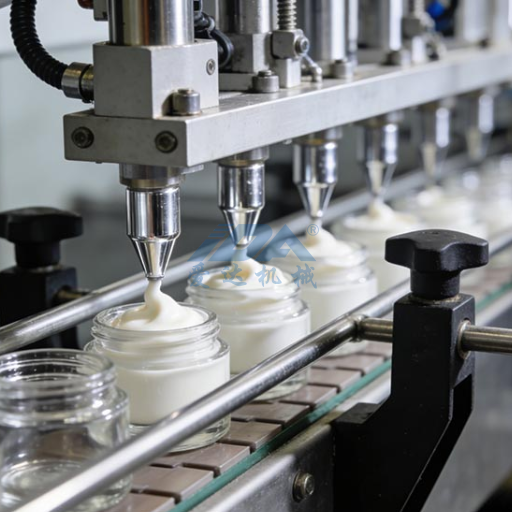
Paste Filling Machines: Paste fillers are characterized by their robust performance in managing and processing paste-like products by controlling the viscosity of a high variety of creations, as well as creams and sauces or adhesives. The exact amount of metering required for these types of applications is facilitated through the paste-like/gel-like texture mechanism. The consistent flow of the paste fill during filling procedures aids in the operation of the equipment as the relay of safety and control measures effectively enables promise to work with efficiency during all phases of the filling operation so they can quickly and safely chuck out a product that is reliable and meets all industry standards show to.
Liquid Filling Machines
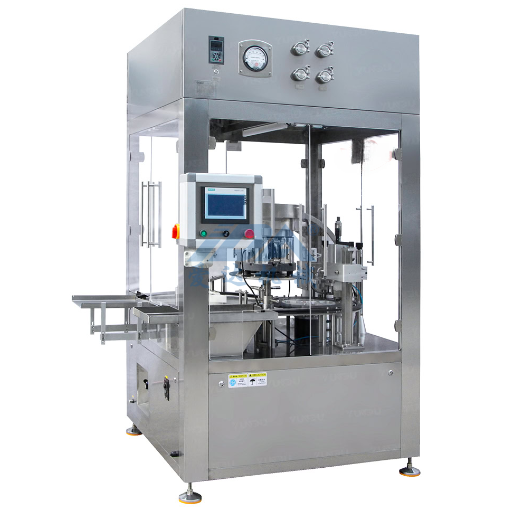
Categories of Liquid Filling Machines
For liquid products to be correctly dispensed into a variety of containers, it is the liquid filling machines that do the principal job. The various main types of liquid filling machines are designed for specific applications and industries. These include gravity, piston, overflow, and peristaltic pumps. The choice of machine greatly depends on the viscosity of the liquid, the nature of the product, and the target output.
- Gravity Fillers: which are known to handle thin, free-flowing products such as water or juice, depend on gravity to expose the liquid into containers, thus lending the apparatus the extremely simple and cost-effective status for non-viscous goods.
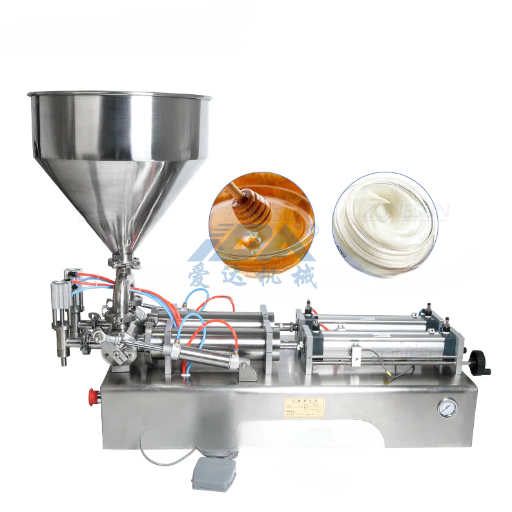
- Piston Fillers: handle those thicker products like creams, sauces, or gels. It uses pistons to draw and dispense accurate amounts of product, making it extremely efficient with thicker substances.
- Pump fillers: are versatile for a wide-range of products including thin to thick liquids. They use a pump system that is adjustable up to different viscosities. Overflow fillers work to evenly fill both more viscous and less viscous products.
The kind of filler finds increased relevance when filling transparent packaging because the even level of the product looks nice on the shelf. And vacuum filling can handle very light or very low-viscosity liquid. The vacuum principle sucks the liquid into the container for perfect fill time after time.
Each of these filling machines can offer significant benefits depending on the production scale and the characteristics of the filled product. Finding the very best machine leads to advantages in terms of increased efficiency, reduced wastage, and improved appearance of products, which makes essential the alignment of the machine to the specific needs of the operation.
Choosing the Right Liquid Filling Machine for Your Needs
Choosing the proper liquid filling machine depends on the several factors such as the form of liquid material to carry into its filling container, the degree of automation, and production capacity. Consider the viscosity of the fluid under processing, as various machines are designed to work with fluid consistency ranging from very thin, water-like samples to very thick, viscous substances. Now also ponder about the particulates present in the product because some liquids may be too hard for machines to handle with solids.
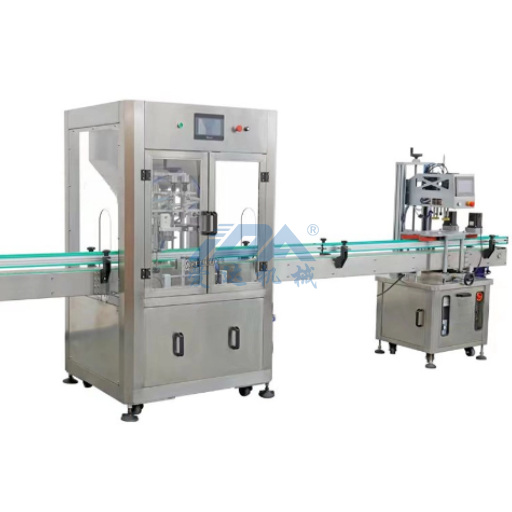
Automation is another vital thing to consider. In cases where a higher speed and efficiency is paramount in your operation, then an automatic liquid filling machine may be the most right one for you. Otherwise, if you are looing for a machine that is relatively less expensive and will enable you to carry out liquid filling within acceptable limits automatically, it is possible that semi-automatic machines fulfill the requirement. By all means, it is crucial that you thoroughly evaluate that part of your operation where filling will be performed. Filling machines with higher speeds infused with several nozzle configurations have aptly been designed for support in large volumes, while others can opt for those brands providing comparatively smaller machines for smaller capacities.
Thirdly, a prompt check on the kind of container used is must. Know that some machines are tailored to fit specific shapes and sizes of containers. This would include bottles, jars, or any other specialty formats. Contemplate on your long-term expectations like maintenance and ease of operation. In order to make a good return on your money spent on liquid filling operations, it is important to choose a machine that caters for your present needs and at the same time permits more, should there be any chance for growth.
Applications of Liquid Filling Machines in Various Industries
Liquid filling machines are among the essentials in a number of industries guaranteeing efficient and accurate product packaging. In the sector of food and beverage, they are utilized for packing liquids like juices, sauces, and condiments in bottles, pouches, or jars, providing for a clean and consistent filling. Automated systems should prevent any integrity compromise in the product while taking into consideration contamination risks, in addition to fast production to meet the market demands.
The pharmaceutical industry also relies heavily on liquid filling machines to package medicines, syrups, and other liquid formulations. Precision and accuracy are critical in this field, as even minor deviations in the volume of liquid dispensed can impact the safety and efficacy of the product. The design of such machines is usually done complying with strict industry requirements while stressing on sterile and secure packaging processes.
To serve other roles, operational as well as critical areas in the chemical engineering industry, liquid filling systems are employed for manipulating alcoholic substances, oils, and other chemical solutions. This formula involves the proper consideration of protocols maintain the value of their viscosity to contain hazardous or sensitive ingredients of these liquid fills. Their adapts quite uniquely to different kinds and dimensions to accommodate a wide variety of packaging configurations in serial production.
Powder Filling Machines

Types of Powder Filling Machines
Auger Filling Machines:These are the most widely used types of powder filling machines. The auger filling machine works by delivering an even and uniform fill of fine and granular powders. The mechanism of this apparatus involves a rotary design with an auger screw that leads the smooth and precise transfer of items from the hopper to the containers. These equipments are suitable for charging various kinds of items, such as flour, spices, coffee, and pharmaceutical powders. This equipment provides high precision and little product wastage. In addition, the machine can handle a great variety of container sizes and has been recommended for any kind of output, handling production in both small and large quantities.
Vibratory Filling Machines:The same mechanism of vibration principle is employed by the vibratory powder filling machines to fill out powders into a container; they are best suited to the thus lightweight or clumpy materials like baking ingredients and protein powders as well. Extremely precise tuning over the vibrations facilitates powder flow regulation by operators, ensuring consistent fills, and tight packaging standards. Simply in terms of their adaptability and gentle treatment of delicate substances, the vibratory fillers are perfect for the gentle handling of delicate powder fill challenges.
Vacuum Filling Machines:In vacuum filling machines, suction is employed to shift powders mechanically into containers. These machines have been adapted specially for materials that are lightweight and capable of generating airborne particles during their movement. With continued use of the vacuum inside the entire component, they will be granted the benefit of clean and systematic movements, whereby the uniformity of the container will remain sound. Powder chemicals are one hot example of a product line that must be perfectly accurate and clean at every step; in order to ensure this quality, an appropriately chosen configuration like this is never going to disappoint.
Key Features of Powder Fillers
The precision that powder fillers provide is amazing for packaging powder substances. In weighing or measuring volumetrically, the powder filler is great for measuring powders. Mixing makes the ingredients consistent in the packaging and with the minimum possible loss and, thus, ensures uniformity in the final product. The major areas are pharmaceuticals, food, and chemicals, where proper weighing is crucial for safety, as well as quality control.
Despite the many challenges presented, powder fillers are versatile in the types of products they can handle and sizes and shapes of containers. Thanks to the different types of powder fillers available to work in company management tasks (for instance, fine powder, various sizes of granular materials for kohl, highly moisture-sensitive substances, and probably more), adjustments may apply to their operation to ensure that each is compatible with the product. To help in processing different containers distributed, many models can also adjust rapidly to container size, shape, and fill capacity, as well, depending on their varied operational needs.
In addition, advanced powder fillers are extremely mindful of cleanliness and amount to compliance with safety standards. Employing features like dust containment and hygienic designs, they prevent contamination during the bagging process, saving and supporting the product and the customers. These machines also come with simple user interfaces and can be readily automated so that the operators can handle quick production with high precision and dependability.
Best Practices for Powder Filling Systems
In order to optimize the performance and efficiency of powder filling systems, it is essential to conform to some key best practices. First and foremost, regular equipment maintenance and inspection should remain top priority. Regularly, checks should enable you to check some common wear and tear and prevent downtime. Clean the system very well, avoiding contamination, especially when changing products or batches-this colossal agile safety and hygiene safety.
Another must-have practice is training operators adequately. explaining the operating procedures well, the operator cannot operate the equipment without adequate knowledge about proper functioning as well as about safety instructions and troubleshooting. An operator, by using equipment the right way and providing the best quality, cannot leave room for mistakes and misuse by unskilled personnel, which in turn is the reason behind production delays and inaccurate output. By providing training and record-keeping for various training and process adjustments, the company will have a hand in monitoring where the system ought to deal with or that requires more emphasis.
In addition, compatibility and expandability are important aspects to consider. Use of basic equipment as appropriate to the materials being handled and those which have very accurate metering. Currently, the key issue is the ability to extend the functioning of the system so that it can handle the increase in production without exempting from quality. By implementing such actions, companies can maximize productivity whilst fully meeting well-timed and quality-driven compliance objectives.
Choosing the Right Filling Machine

Factors to Consider When Selecting a Filling Machine
The first factor considered during the selection of a filling machine is the kind of product that will fill it. The product being liquid, powder, paste, granules, and many more will determine the most suitable method of filling. For instance, fluid products with varying viscosities might only be super-served with machines made explicitly for fluids acting as a medium, while powders and granules will enjoy volumetric fillers or auger fillers in the quest for precision.
Growth potential should also be taken into account when selecting a filling machine; the typology of the product being a less-directed factor than capital considerations in growth. A primary consideration is not being the rate at which a product gets filled but actually how much product emerges from the machine in the given time. At higher rates of production, the system should ensure that the quality is not typified or downplayed. Determining the rate at which a filling machine possesses compatibility paralleled to the rate of production is perhaps an ideal connotation of understanding a bottleneck. Finally, scalability means offering opportunities for future needs to grow in the face of a possibly increasing demand.
Operation and maintenance convenience should be the focus point, and goes hand in hand with ease of usability, costing less training requirement and minimal downtime caused by technical problems. Maintenance requirements, for instance, cleaning and spare parts, arrived at the complexity bars for keeping the facility going without hustle. Thus, with all this, the right filling machine ought to be identified in order to give priority to efficiency, maintain product correctness, and enable long-term guarantee of reliability.
Finding the Right Liquid Filling for Your Production Line
Selecting the most suitable liquid filling machine for your production line involves an assessment of key selection considerations spanning the lines of efficiency and effectiveness. First of all, the nature of the fluid will need to be looked into to help determine the most suitable filling method for it, that is whether it consists of a liquid, viscous product, or particulate. The more important factor is knowing absolutely everything there is to know about the properties of your liquid so that they may not pour over or otherwise disturb production.
Secondly, notice the speed and volume stats. Establishing this will enable you to make a more educated choice between a manual and automatic model. High rates of production line run better on automated machines, which drastically reduce the need for manual intervention yielding more conducive results. Nevertheless, on the flip side, semi-automated machines will favor small-scale or batch production producers in terms of flexibility and cost-effectiveness.
Additionally, the machine must be compatible and adaptable to the consumer demands for the handling and filling of the packaging. The machine must produce and fill containers of all shapes and sizes and, at the same time, maintain the standards of hygiene and safety. It would also be prudent to keep in mind that the requirements relating to the production specifics might vary with time, so the equipment should be adaptable for future demands. By taking all these aspects into consideration, you can identify the liquid-filling solution that is perfect for your unique process and goals.
Cost Considerations for Different Types of Filling Machines
Cost analysis of different filling mechanisms mainly consists of the type of filling machine being measured and the rate of production and automation, if fully automatic machines give lower unit prices and are costlier upfront, making them ideal for large production capacities. Manual and semi-automatic machines are generally cheaper in buying and maintenance, but those very same perks lead to high operational cost-occupies at the same cost with minimum output.
Yet another financial consideration to be taken into account renders the machine’s compatibility with one’s product type. Machines made for specific liquids-such as for water-thin viscosities to heavier syrups and creams-can considerably affect cost. Machines that handle a number of products may be featured with a charge but will end up saving money over periods of time, as opposed to those machines that require the use of others for better work on each specialized target.
Furthermore, one must consider maintenance costs over months along with power-usage expenses while considering cost. Healthier and well-automated machines might need to be taken care of with specialized servicing, upping the expenses in the long run. Reducing power attention to energy-efficient machines may help cover operation expenditures by cutting utility bills. A full analysis into not only the purchase price but also the long-term maintenance expenditures are necessitated in choosing what best suits one’s budget within the limits of reliability and satisfactory efficiency.
Conclusion

Recap of Filling Machine Types
A filling machine is obligatory to many industries for a complete and correct product packaging. Filling machines have three varieties: liquids, powders, and granules, possessing specialized fields of application. Liquid filling machines accommodate fluids for packing, ranging from water to the syrupy substances, for example, syrup or sauces. For example, powder filling machines can pack fine, dry products such as spices or pharmaceutical powders. Granular filling machines operate for the filling of substances like grains or seeds, in order to realize an accurate measurement and minimal spillage.
There is also another classification based on the level of automation. The manual filling machines require human operation and are largely used for small-scale production. A semi-automatic machine allows the operator to render manual inputs along with some automatic operations, so that we get a better deal in this respect. Full automation comes with the advantage of the highest economies and is most suited for projects requiring large-scale, high-speed production line operation. The choice actually depends on the requirement, the resource availability, and definitely other commercial issues as constraints.
The design of the filling machine corresponds, in some degree, to the filling mechanism. Piston filling is much preferred in cases with viscous liquids, while gravity filling is ideal special for free-flowing liquids. Vacuum fillers are suited for gentle treatment of delicate or frothy products. Opting the best filling machine is of much distant importance to keeping your process going quickly, cut back on wastage, and keeping product quality. The buyer has to work with the kind and texture of the product, number of units it may fill in a given time period within his view on offering long-term maintenance cost, and buy the most appropriate piece of tool.
Future Trends in Filling Technologies
Today’s filling industry is on the move as it evolves with the constant demand for efficiency, sustainability, and precision. Merging automation and artificial intelligence into filling systems is a leading trend. Automation brings technology to the production lines that help eliminate human errors, speed up work, and monitor systems in real time while also aiding in checking for diagnostics. AI-powered filling is equipment that allows for maintenance predictive in time before the occurrence of any downtime-disruptive failure.
Sustainability is one of the major motivations for this pivot in interest. More and more companies are opting for green machines and green processes that consume less energy, produce less waste, and promote packaging materials, easily recyclable and biodegradable. This is in sync with the present day’s environmental regulations and consumer expectations, thus in filling, moving the territory to sustainable solutions to march forth in fields of innovation.
Some major trends in customizing filling technology are shaping the future. Industries are designing flexible systems, which perform well with an even broader range of product types and packaging formats, simultaneously providing more adaptability to rapidly change their marketing offerings. This improved operational efficiency and customer satisfaction are made possible by being able to accommodate fast market demands. All these improvements hint towards a more efficient, sustainable, and pretty flexible future for filling technology.
Final Recommendations for Businesses
First thing it is important to undertake a thorough evaluation of specific requirements related to operational characteristics about the type of product that needs to be filled, performance required for production, and packaging types. Certain filling machines are also appropriate for products or chemicals at liquid form, while some would be best for those that are granular or powdered. The proper understanding of such features ensures that the equipment selected shall aline with the business’s goals and product characteristics.
The crossing scaling as well as flexibility should be given some attention. The fast times to market, adjustment of packaging size, and availability of different products – the tacos of modern filling technology make grow increasingly important in the ever-changing environment. Further points aligning with the flexibility of growing systems can save the business from production cut-off due to change in demand and operational costs.
For the last item on the list: prioritize energy-efficient and sustainable filling equipment. Some features to look at include reducing material waste, lowering energy consumption, and decreasing maintenance requirements. These technologies result in an environmentally friendly scenario, and actually, upon integrating with the right market conditions, reduce costs over the long term, thus aligning both sustainability goals and financial objectives of businesses.
Frequently Asked Questions (FAQ)
Q: What are the common types of filling machines used in the packaging industry?
A: The most common types of filling machines include piston types (positive displacement machines), pump filling systems, gravity liquid filling, rotary filling machines, linear filling machines, and weigh filling machines. Various types of filling machines are used throughout the packaging industry for various liquids, as well as semi-liquids.
Q: What differentiates positive displacement fillers from the piston fillers?
A: Positive displacement fillers, for example the piston fillers, allocate a fixed volume of fill for each fill cycle by physically displacing the product; the fillers are especially well suited for thick, chunky, or shear-sensitive liquids because accurate fills are obtained regardless of shape of the container or the pressure levels.
Q: Which filling units are usually the best choice with respect to food and beverage items?
A: For sauces and beverages, pump fillers (in which the rotary filling machine could also come in) seemed the most popular option for food work. Pistons are the best choice for pasty foods because, in their svelte, quite sweet promptness, they tailor a comfortable ergonomic syntax. Gravity liquid fillers are to low viscosity liquids, etc. Food packaging solutions should always consider maintaining a neat and clean appearance, besides some could be hygienic enough for demonstrations.
Q: What are the criteria in determining the characteristics of a filling machine relative to the product?
A: The suitable types of filling machines, i.e. overflow vs hot fill, are selected based on the requirements of fill volume, filling liquid viscosity, nature of receptacles, and-speed demands (rotary or straight-line designs), desired accuracy (weight filling machines for those needing exactness), whether the product has solids. Dependent on the particular product characteristics, different pump technologies and pump types are then considered.
Q: Is semi-automatic filling machines a good choice for small enterprises?
A: Yes, semi-automatic filling machines are quite practical for start-up entrepreneurs and small business enterprises since they entail a lower expense than totally automatic filling machines while being adaptable for various kinds of product and container sizes, assuming full automation is not needed, or space is at premium.
Q: What are the advantages of using rotary packaging technologies instead of linear filling machines?
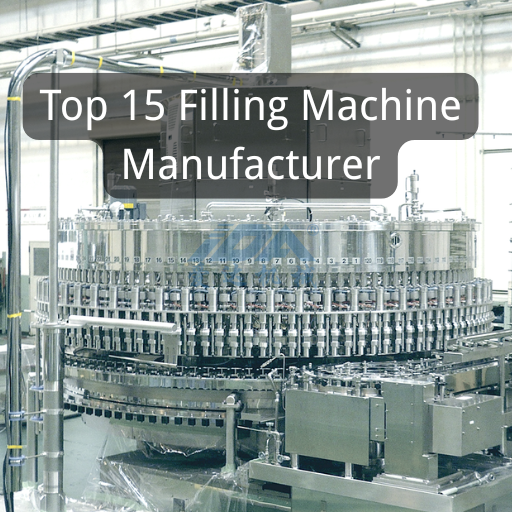
A: The filling cycles with a rotary girder are very fast thanks to the rotation of multiple filling heads around the central turret compared to counterparts in rotary packaging technologies, making it only fit for high volume production; linear filling lines that are simple in design are a better fit for slow filling speeds or for larger containers. Both are innumerable types in the world of packaging machinery, operated depending upon the production requirement.
Q: Can filling machines handle every product while offering different shapes and sizes and containers?
A: Yes, several types of filling machines are structured to handle different shapes and sizes of containers, and fill an array of item types. Adjustable nozzles, changeover parts, and modular designs permit the use of fillers for bottles, pouches, and more. Fillers are also used in quick-change auto products held by supplying multiple lines.
Q: What major issues in operating or maintenance need to be kept in mind when you invest in a filling machine?
A: Along with the minutiae on calibration for an accurate fill volume, weighing, and cleaning and sanitation (in the food industry), spare parts for pumps and seals, suppliers’ energy requirements (although mainly manual gravity or non-electrically operated piston systems provide one option to pursue), taking up an additional responsibility regarding manufacturer support concerning filling cycle and maintenance schedule.
Q: How do weigh-fill machinery and pump-fill setups fit into overall packaging solutions?
A: Mass weighing systems need to be used whenever high-mass precision is a must (as common for powdered and bulk liquid solutions); while the pump fill systems are mechanically appropriate for most liquids where careful pressure control is required. Fill systems and compresses are part of larger packaging solutions and most often are tied to cappers, labelers, and conveyors for a total packaging line that would do labeling and filling.
References
-
Processing, Forming and Filling Equipment
This source from Michigan State University discusses various types of filling equipment, including semi-automatic fillers for a wide range of products.
Read more here -
Filling Machines for the Smaller Food Processing Operation
A detailed PDF from UC Davis covering different types of fillers, such as brewer-type fillers and single-head units, tailored for smaller operations.
Read more here -
Processing Equipment Considerations – Food Product Development
This educational resource from Montgomery College outlines common types of filling machines, including volumetric fillers, net weight fillers, and overflow machines.
Read more here - Professional Filling Machine Solutions from China Factory
![Filling Machine Types, Working Principles & Selection Guide [2026]](https://idaequipment.com/wp-content/uploads/2026/04/1-2-768x515.png)