Get in Touch with IDA

5 Essential Maintenance Tips for Three Roll Mills

Contents
show
When you want to protect your mill against long-term damage notwithstanding a long life and efficient performance the warnings coming from the maintenance dept. are serious enough not to be revocable. The beauty about these machines is that they work in various fields like cosmetics, food manufacturing, fine mixing of materials in controlled and controlled means. But like any other equipment, three-roll mills require due care to give their best. If maintenance is neglected, you run the risk of expensive repairs, downtime, and even continuous degradation of product quality. Read further to get five critical tips on the essential maintenance hence essentially the machine becomes long-lived and productive. The given tips could be the cutting edge owing to dealing with the beginners or perhaps the improvement that you were sketching out in your past maintenance plans.
Understanding the Three Roll Mill
What is a Three Roll Mill?
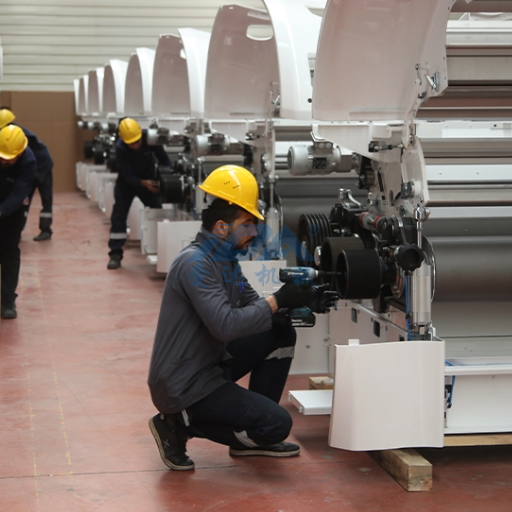
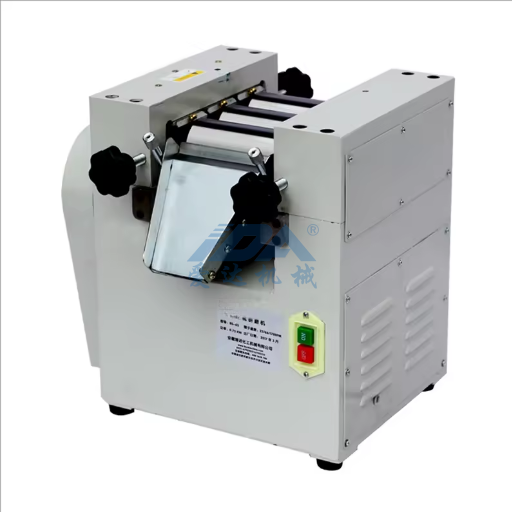
A Three Roll Mill is a machine employed in various industries to mix, refind, and disperse materials into finer particles. Three vertically positioned rollers rotate at varied speeds horizontal to each other. The rollers bear in place that helps in precision milling, break down particles, and blend into very uniform mix. This process is widely used in the processing of pastes, creams, or powders-demanding — high precision in texture and consistency.
The working of a Three Roll Mill is rather easy. The materials are furnished through the wide nip of the rolls. As the rolls turn, the materials flow through them and are flatted. Here, the materials go through intense pressure and shear. The processing of the particles involves a thorough mixing and dispersal; the mill has been particularly popular with inks, cosmetics, adhesives, and food-processing applications.
The main reason the three roll mill is accepted well in industries requiring fine particle distribution is its high efficiency and reliability. The adjustable gap between the rollers gives the operator control over the level of refinements, and this is what makes the mill versatile in handling different products and processes. Maintenance of the machine and proper operation are therefore necessary in ensuring its performance and lasting long to reach its highest capabilities in the delivery of quality results time and again.
Applications of Three Roll Mills
Three roll mills are commonly used for many uses such as the fine dispersing, homogenization, etc. These three roll mills are most effectively employed in industries such as pharmaceuticals, cosmetics, and food processing due to their capacity to create uniform particle size and thickness. Three roll mills help mix, refine, and decreases the particle size very efficiently. Thus, strikingly, the products resulting from these methods meet tightened quality standards.
Medicines, generating various kinds of ointments, creams, and other semi-solid formulations, are one of the areas in the pharmaceutical industry working with three roll mills. In this kind of process, the three roll mills so excellently disperse the active ingredients to improve the efficacy and consistent delivery of drugs. The cosmetics industry repeatably applies three roll mills to produce smooth, consistently worked-on products, like foundations, lipsticks, creams. which notably enhances both improve performance and customer acceptance.
Three roll mills are also employed in production of inks, coatings, adhesives, apart from pharmaceuticals and cosmetics. With precise pigments spread in printing inks, specialty coatings look great in relation to texture quality; high-performance products are assured. Their versatility with high precision is the virtue of their habit for reliable material processing in any quality application.
Key Components of a Three Roll Mill
A three roll mill’s working principle depicts the perfect cooperation of its vital components that are designed to provide an operative material processing technique with uniform quality as its output. Since each component plays a crucial role, the following is an overview of these main components and/or their functions:
- The Feed Roll:
The primary roller, also called the feed roll, is formed for drawing the material into the mill with certain precision. The feed roll stands right in the way of the hot or cold material shift, taking control of the feed in a manifest fashion; thus, its speed directly contributes towards how much material the machine processes in each revolution of the roll.
- The Middle Roll:
The center, or middle, roll does the actual shearing. This roll is sandwiched between the feed roll and the apron roll: it is spinning nearly twice as fast as the feed roller and repeats the shearing force applied to the material, thereby ensuring the ultimate promise of breaking all PSU and finest particle size.
- Apron Roll (Discharge Roll):
The purpose of the apron roll is to remove the product from the nip easily. It plays a most vital role in creating smooth output in the relative final thickness and quality or in the discharged material layer.
- Adjustable Nip:
The nip width among any two rolls is so meticulously adjustable that the means and ways of machining might be set as to shear a certain amount of material or a smaller material particle size.
- Cooling System:
Most hydraulic threel roll mills have an incorporated cooling system, which aims at dissipating heat generated during the process of filling, avoiding overheating, and preventing the damage to sintered materials. The cooling systems often consist of water or oil channels within the rolls.
- Scraper Mechanism:
The scrapers collect any excess material left on the scraper roll and send it back for reworking or discharge. Such automation increases the quality of each batch of material, thereby avoiding waste during long production runs.
- Material Feed Hopper:
The hopper, attached to the infeed roll, improves stability when feeding raw stock into the equipment and reduces manpower requirements, substantially increasing ease of operation and production rates.
The three roll mills nowadays come with superior adaptability and efficiency in terms of roll speeds and gap distance-controlled automation, addressing the global demand of high-tech industries, e.g. pharmaceuticals, microelectronics, nan omaterials.
Daily Maintenance Routines
Operator Responsibilities
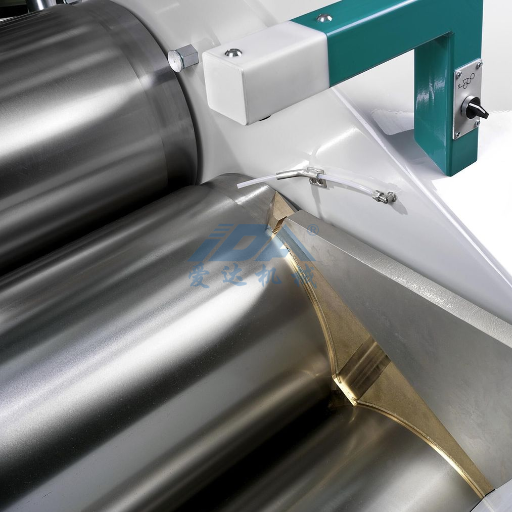
Operators work behind the scenes to maintain the harmony and the effective functioning of three-roll mils. Their first responsibility is daily checking of the equipment for any visible damage or wear: especially to the rolls, gears, and other moving parts. By approaching the problem from the very start, operators’ quick reactions may solve the problems while the rolls are slowly deteriorating/accumulating damage and on the verge of an operation breakdown. Finally, operators must make sure the alignment/set-up before one gets into the machine and secures work constant quality.
Mill cleaning is a regular operator task and another one of his or her essential responsibilities toward which material residues on rolls left unnoticed could trouble equipment performance and longevity. Proper cleaning involves the use of proper tools and methods that ensure that all surfaces are free from dust or possible harmful contamination. A normally routine check enhances operational efficiency and ensures the hygiene level of the machine, which is important in some industries, pharmaceutics and foods being prominent examples.
Last point: the operators have to maintain spare maintenance and operation logs. The logs are used to keep the track record of equipment operations, such as downtime, and other persisting problems. Keeping maintenance logs that reference preventive maintenance schedules by any maintenance activity, repair, or observed problems, the operators provide very important information for the planning of future maintenance triggers. The neat record enhances the chances of comprehensive communication between shifts and certainly aid maintenance personnel with the quick fixing of problems.
Inspection Procedures
A regular inspection for compliance is an absolute must to guarantee functionality and service life of three roll mills. The inspection procedure may start with a visual inspection of the machine for external signs of wear, damage, or misalignment. Most crucial in this inspection are the bearing housings, gears, and rolls, whose wear and tear over time is directly proportional to increased inspection diligence. This check would give you an insight into any strange noise or vibration being generated by the processing machinery.
Now, examine the surface of the rolls. They must be clean and free from drastic defects like cracks, deep scratches, and even pitting. Such defects greatly affect the quality and quantity of products produced. Observe the alignment and the inter-roll gap to assess whether they agree with the manufacturer’s recommendations. Misalignment or gaps eventually lead to non-uniform rolling and complicate the wear on various components.
Be sure to check the lubrication system while one is still going. Each of the moving parts must be lubed up appropriately with no leaking in the system. Regularly continue checking and filling the lubricant as required as per the stipulated levels in the manual as read from the machine upon procurement. This should be documented alongside the corrective action taken in the maintenance diary to facilitate better preparation for the times when maintenance would require it, thus lessening the downtime and ensuring your three-roll mill’s productivity and reliability.
Cleaning Techniques for Optimal Performance
A good mill roller cleaning is an essential part of keeping equipment in top performance and preserving its life. The very first thing to do is to remove any residues carefully from the rollers, before too much build-up can affect deterioration in the quality of the dispersion. A soft, clean and lint-free cloth can be moistened with an appropriate solvent to complete cleaning. Make sure that your solvent is compatible with your materials to avoid any damage to your rollers. This shall prevent contamination and ensure consistent results in further batches.
Focus on cleaning the end plates and associated components immediately after this. If so required, take the end plates off to completely scour them from captured materials. Look out for crevices or seams housing deposits, and free these areas with some precision tool, such as soft brushes or a gentle needle. Always remember to put everything back together the way they were. It helps in preventing operational complications.
Please inspect the rollers and surrounding regions for any signs of wear or possible residues left unnoticed. Clear loose particles from hard-to-reach spots with the help of compressed air. The cleansing must be done frequently and should be fitted into the machine maintenance schedule. It will reduce the chance of cross-contamination, increase efficiency of the machine, and stretch the service life of the machine in spirit.
For a complete step-by-step cleaning procedure, see our dedicated guide: How to Clean a Three Roll Mill Properly.
Proper Lubrication Practices
Types of Lubricants for Rollers
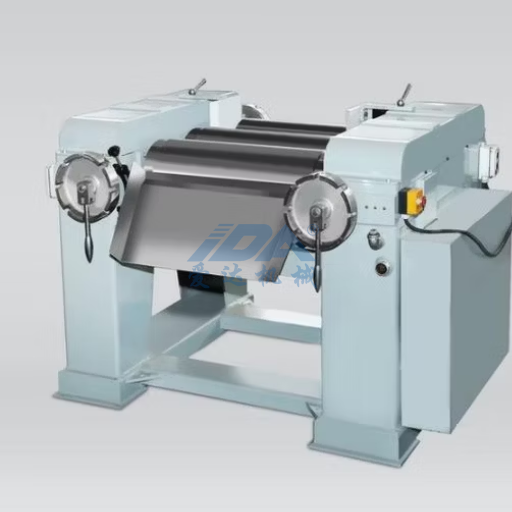
Some lubricants are indeed appropriate for use in rolling mills. It is good practice to apply lube properly in order to ensure smooth working and greater longevity of every roller in a three-roll mill. Various types of lubricants are used for the metal roller in three S-type machines.
| Lubricant Type | Description & Properties |
|---|---|
| Grease-Based Lubricants | Grease is usually used for introduction to the rollers; it has good adhesion, does not squeeze out of the contact area, survives well between the high pressure rotors. Greases with the best performance temperature characteristics, Lithium based and Calcium based greases, have properties such as best thermal stability, water washout resistance, etc. |
| Oil-Based Lubricants | Oils and synthetic oils are lube in mills that run up high-speed operations and, hence, need to lube through a comprehensive temperature span and cater for antifriction and anti-wear properties of the roller parts. |
| Dry Lubricants | These kinds of lubricants, usually made of graphite or molybdenum disulphide, are highly amenable to where liquid versions won’t go. They afford a clean lubrication that is not greasy in high-temperature conditions. |
As a rule, lubricant selection relies on the fact of the roller material, its working environment, the load it has to handle, and especially its operating speed. It will be to your best interest to take a peek at your machine-maintenance manual or contact the manufacturer of the appropriate lubricants for a one-off piece of advice whenever necessary.
Lubrication Schedule
The Importance of a scheduled lubrication, cannot be undervalued, in upholding the longevity and intensity of Three Roll Mill performance. Frequent lubrication causes less wear-down, reduces risks of breakdowns, and converts over to sustained uniform operations. Here we shall give a general guide that would be beneficial for correctly lubricating the critical components of a Three Roll Mill:
- Roll Bearings:
Wheel bearings should be lubricated at regular intervals to prevent wear, every two weeks typically under normal operating conditions, whenever there is any roll operation carrying so as to implement a high-temperature grease or other lubricant, as the standard is recommended by over-seas bearing association.
- Transmission Gear:
Transmission gears need lubrication from time to time to ensure smooth power transfer. Check how much oil is left in the gearbox on a weekly basis and have it changed every six months or as per the maintenance manual’s recommended time frame. The oil should be drained and replaced if signs of water or contamination are found during regular maintenance.
- Adjustable and Moving Parts:
All adjustable screws, hinges, and moving joints must be oiled monthly. Without friction in these areas, precise roll adjustments are available and smooth movement can be counted on, reducing the stress of machinery.
These guidelines would help you keep the maintenance of the three roll mill on your finger ends; however, always refer to what your equipment manufacturer recommends. Keeping a record of all maintenance activities will empower you with enough information to track the performance of the mill and anticipate future needs.
Signs of Insufficient Lubrication
Identifying insufficient lubrication is an important requisite to keep a positive life for a three-roll mill. Common signals to be aware of include abnormal mechanical noises. These noises might be grinding, grinding, or screeching sounds, but in essence, they occur when lubrication between moving parts is insufficient.
Another common sign would be increased amount of heat. Lack of lubrication causes friction to increase, resulting in a high temperature, which can be felt from the outside of the machine or picked out by any thermal device. This prolonged heat will damage the machine’s components, deteriorating operational capacity.
The first sign of improper lubrication should be visible wear or scoring on the rolls or other internal parts. It means that the physical damages are the result of high friction levels and inadequate protective coating. Timely inspection and repair will lessen unnecessary damages due to improper lubrication. Consulting your equipment’s user manual is always recommended for proper maintenance of your machine at peak performance.
Roll Grinding and Calibration

Importance of Roll Grinding
This is how roll grinding influence the efficiency and quality in roll-dependent production processes. Over age though, rolls wear out and get irregular surfaces that in turn hinder their performance, thereby giving bad quality to materials being fed in the system. Grinding is a way of helping maintain the surface of the rolls so that they may conform to the drawing for output control.
Conducting roll grinding with some regularity enhances the service life of the rods by catching wear and cracks early. This maintenance procedure helps ensure that as to minimize unwanted downtime and holdups with introduction of onboarding on the ureter. Grinding improves the finish for the roll and is effective when it comes to high precision settings that strictly demand great accuracy.
A healthy product is minimizing downtime by having good tools on hand, making the job faster, whether it comes to mechanic repairs, rolling refurbishing, or press procedures. Keeping the tooling capabilities firstrate translates into more loans and cheaper, which, in times of crisis, ensures cash management goes into big profits. Good tooling aids in holding up margins in the face of pressure from competitors.
Calibration Techniques
Calibration techniques are geared towards maximizing accuracy and reliability of equipment and tool sets. Calibration ascertains the marginal values of the behaviour of the measure, and whether the instrument is inclined to observe a known standard value. Calibration is a critical aspect in any industry that focuses on precision as this can minimize error, and keep if functionally considered between various applications when expressed differently.
The most reliable calibration processes begin by creating a strictly controlled environment free of all factors that could influence the instrument reading. Instruments must be calibrated against standard reference instruments complying with regulatory and industry standards. Timely scheduling from calibration at regular intervals too guarantees the accuracy of the measurements for everyday use or experimentations.
Documentation for each calibration session, therefore, is just as important. The records should be detailed, listing the date of the calibration, the method used, what was recorded from the calibration, and the outcome of the calibration. Especially, the whole process ensures the tool is adhered to so as not to cause unforeseen down-time resulting from the degradation thereof. In pursuance of these techniques, the company can remain assured that its equipment shall perform on-demand, with the company saving a great deal of expense and risk.
Adjusting for Different Materials
When operating with a 3-roll mill, modifying parameters for different materials is necessary to ensure the equipment can function in the best mode and the moment can deliver excellent products at the best quality. Different materials showcase differential properties in terms of viscosity, particle size, and sensitivity to temperature, consequently these factors do play crucial roles in determining the extent of interaction during the milling operation. Several important considerations that ought to be taken into account when setting up may be cases where the softer materials need some pressure and faster rolling to blend properly or the thicker substance might need slower roll speeds for effective blending.
One of the crucial topics of smooth operation of the mill is regular maintenance across-the-board for the handling of different materials. The very thorough cleaning between different materials is aimed at preventing any cross-contaminating effects and allowing repetitive sound results when changing over to materials different in nature. In addition, check particular parts, e.g., the end plates, scrapers, and bearings, to prevent wearing down from abrasives used during processing. Positioning the rolls properly also enables them to be prevented from unevenly cupping the plastic or little rolling overlaps on them.
Finally, maintaining a watchful eye over mill performance and acting on occasional recalibrations is a must. Over time, processing various materials may lead to the slow shift in alignment; roll wear would keep tracing back as well. Such eagerness needs to be preserved in order to monitor and deal with the problem when it happens.portunity toward life extension of the machine and production of quality outputs regardless of the nature of material being processed.
Extending the Life of Your Three Roll Mill
Common Wear-and-Tear Issues
Three-roll mills-like any machinery-are subject to wear and tear through the regular process of use. One of the more common complications is irregular wear to the rolls. Oftentimes this results in discrepancies in processing materials and reduced product quality. Regular inspection and mechanical interventions are the best practices to combat this problem. Due attention must be paid to the alignment and surface condition of the rolls to ensure their uniform and devoted performance.
Another commonplace issue is the continuous build-up of soot or other gunk materials on the rolls that hinder the pair’s rolling. This mostly happens because of untidy work. With meticulous cleanup after use, roll-buildup-related errors could be effectively prevented. This eventually leads to an extended life for the rolls along with optimum functionality.
It is very essential to keep in mind the fact that severe wear on different parts such as bearings and shaft seals will only lead to an ineffective machine, and, eventually, downtime. It is necessary and adequate to replace worn-out parts within given time limits to prevent any further damage and make sure that the equipment lasts. Consistent and proper operating structure and maintenance together could very well prevent wear-and-tear from ever cropping up and painstakingly preserve the overall reliability and efficiency of your three-roll mill.
Innovative Solutions for Maintenance
Regular maintenance and innovative solutions can drastically improve the performance and lifespan of your three roll mill. One key approach is predictive maintenance, which utilizes condition-monitoring tools such as vibration analysis or thermal imaging to identify potential issues before they result in costly problems. Thus, downtime can get cut to almost nil and actual work at the mill is planned with optimum efficiency.
Another equally effective solution is the consolidation of automatic lubrication systems. In reality, constant lubrication systems concerning the bearings and seals maximize longevity and moot mechanical performances. Automatic systems imply much smaller reliance on human to involve themselves, lowering chances of human error and imposing greater consistency on maintenance practices.
Last but not least, one very ingenious avenue to have an easy and efficient maintenance is through bringing into place a very user-friendly diagnostic software that will alert any operators whenever an irregularity is about to occur, help guide them with troubleshooting, and assist in tracking equipment performance over time. This good decision making equates to very efficient maintenance, while good proactive maintenance that helps to forestall most breakdowns. These, combined, promise an even better maintenance outcome; a longer and more dependable service life for clients’ equipment.
Long-Term Care Recommendations
To enhance the life and efficiency of a 3-roll mill, periodic and systematic maintenance is necessary. Starting with regular scheduled maintenance practices of cleaning rollers, checking for wear or damage on the surface, and maintaining proper lubrication is extremely important for any operator. Cleaning the mill of stuck debris, or accumulated residue helps in sustaining performance and not strain the internal parts of the mill.
Roller alignment should be checked regularly, and settings should be calibrated to eliminate uneven pressure and guarantee uniform material output. Misaligned rollers enhance wearing of the rollers and could cause potential damage to the product quality. Focus is also important on maintaining seals and keeping bearings alive to help prevent and spewing of grease.
Lastly, detailed maintenance logs are essential ways to watch over the mill’s operation along the years. And this is where they can ably identify wear patterns or recurring problems in the operation to facilitate preemptive measures before matters become too severe. The blending of preventive maintenance and proper record-keeping of sorts is, in essence, acting to ensure the life of the machines and save them from unexpected breakdowns.
Frequently Asked Questions (FAQ)
Q: What is the recommended routine for maintenance of a tripler?
A: Regular maintenance of the three-roll mill should contain scheduled checking of roll lives and roll surfaces, consisting of the cleaning process required to take away any contaminants, dust, and dirt, applying a sash on the dirt to avoid friction and wear, inspection on electrical connections and control panels, and confirmation of safety precautions to the mill operator with PPE; these are more optimally optimized by following an appropriate milling manufacturer’s maintenance schedule to keep performance good and maintenance costs lower.
Q: What are the causes of excessive wear on a 3 roll mill and how can excessive wear be prevented?
A: Excessive wear is generally caused by abrasive matrix abrasives, improper setup, foreign material becoming lodged, wrong gauge setting over gauge, or under-lubrication. Methods to prevent excessive wear include training for the operator, roll service and inspection schedules, correct cleaning techniques, checking for signs of unusual vibration or noise, and constantly setting in place preventive maintenance to protect damage to grinding equipment and extend the roll life.
Q: So, what are the safety precautions and PPE needed for mill operation during maintenance?
A: Safety during any work involving maintenance is only possible once extra power is taken off the equipment, all electrical detachments are locked out and tagged, and the proper wearing of gloves, ear/hearing protection, and safety glasses is ensured, among other protective equipment in compliance with the closest ANSI and mill guides. Proper guard use prior to mill reassembly beside intense instruction of the operator or adherence to safety programs can diminish a possible risk for equipment and injury.
Q: How to reduce production downtime during three roll mill maintenance?
A: Plan scheduled maintenance during production downtime, keep a stock of standard parts used in rolls services, train mill operators to carry out routine check-ups, maintain a written record of maintenance procedures for future reference and in case of new personnel, and in extreme situations, the mill manufacturer can provide field service or on-site emergency repairs with their certified technicians.
Q: What about calling the three roll mill manufacturer and requesting them when one of these happens?
A: Whenever abnormal noise is noticeable, persistent problems with inconsistent product quality lead to overt corrosion, the control panels show electrical problems, excessive wear is noticeable which is beyond the life of the roll, or the machine needs emergency repairs that are beyond in-house capabilities, then it’s time to summon the mill manufacturer or request field service; these are done by highly-trained technicians who can provide accurate diagnostic evaluation and implement complicated repairs.
Q: How does the proper operator training impact maintenance cost and the final outcome of the product?
A: Operator training lessens maintenance costs by eradicating mishandling, wear or machinery damage; rather improves the cleanliness, ensures stability of the product in functioning, correct gap and setup. Burstiness increases faster recognition for any form of issue; proper operating maneuvers while giving documented procedures influence the avoidance of costly machinery repairs and production downtime.
Q: What must be done post rebuilding the mill to ensure it is ready for production?
A: Post reassembly of the mill, a stepwise checklist should be maintained, thus, ensuring all electrical connections plus control panels are fixed securely, running a dry test for abnormal vibrations or noise, checking with safety interlocks and guards, inspecting contamination/remnants/impurity, adjusting roll gaps and torque settings according to thickness, and giving the process a small trial run to check that the product quality is not varying prior to running the process in production mode.
Related Maintenance Guides
References
- Roller Mill Maintenance (PDF) – A detailed document discussing roller mill maintenance practices. Available on Academia.edu: Roller Mill Maintenance
- Rolling Mill Standard Operating Procedure (SOP) – A guide from Iowa State University on maintaining and operating rolling mills. Available here: Rolling Mill SOP
- Kernel Processor Settings for Dairy Production – While focused on dairy production, this document includes maintenance tips for rollers. Available from the University of Kentucky: Kernel Processor Settings
- Professional Three Roll Mill Manufacturer