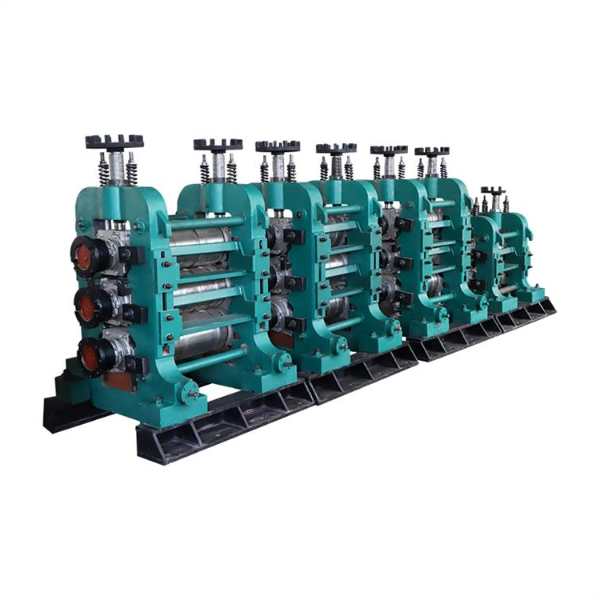
Get in Touch with IDA

Three Roll Mill Troubleshooting Guide

Contents
show
To maintain the effectiveness of your three roll mill, it is essential to be able to identify and troubleshoot any problems as soon as possible. An otherwise excellent machine will generally still have flaws here and there, and it must be attended to promptly in order to avoid late-stage downtime. This guide has identified some of the common problems that are attributed to three roll mill maintenance and then provided easy-to-follow problem-solving suggestions that will result in improved machinery operations. It will actually take a few preventive steps to ensure smooth and reliable operation-alleviate all the head-aching problems with more than one option! In this blog post, we shall discuss how to master the maintenance and problem-solving methods for three roll mills.
Understanding the Three Roll Mill
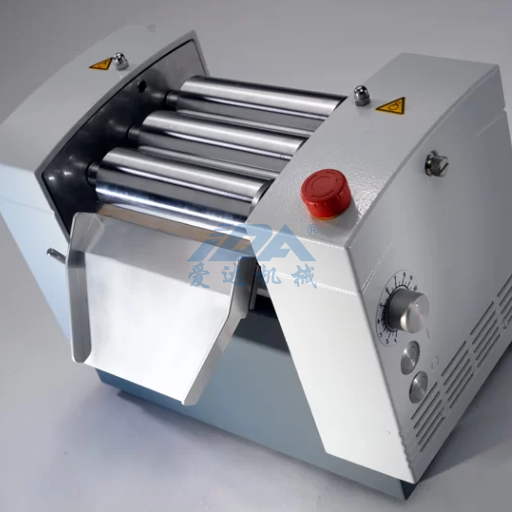
What is a Three Roll Mill?
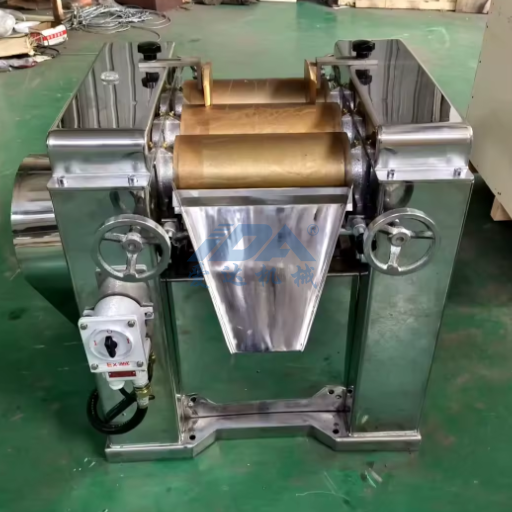
A Three Roll Mill is equipment used in industrial applications to mix, refine and homogenize material by passing it through these three horizontally situated rolls. These rolls rotate at differing speeds, thus causing a shearing force that considerably reduces the particle size, thereby ensuring the materials are prop- erly mixed. It is a much-used equipment in the chemical, electronics, pharmaceutical, and cosmetic sectors.
The operation of a three roll mill comes down to the presence of both pressure and shear forces on the processing materials. The first roll will draw the material into the gap; the second roll applies the required pressure and starts the homogenization process. Finally, the last roll completes the mixing and refining, and offers the best quality and uniform results. This method works especially well for being able to achieve fine dispersions in cases that demand precision.
With their multi-purpose and highly precise tasks, three-roll mills are revered in tight circles, for making pastes, inks, coatings, and more! The machine, relatively uncomplicated to use and maintain, are most suited to consistent treatment to guarantee the desired results and secure longer life cycles.
Components and Functionality of Mill Rolls
Mill rolls are key equipment in three roll mills and are designed to make the process of grinding, dispersion, and mixing of various substances highly accurate. For a long operational life, Rolls are typically manufactured using materials that are not easily degradable, such as toughened steel, ceramics, or stainless steel. They are placed in a parallel fashion, where materials are allowed to move between them. As a result, they have to be as exclusively controlled as possible in the process for differentiation in particle sizes and surface texturing.
The performance of the mill rolls is controlled by the applied pressure and adjustments. The gap between rolls is adjustable; thus, the shear force applied to the product can be varied and definitely translated into further even grinding and homogenization. Furthermore, the speed at which each of the pair of rolls is being rotated differs, a concept known as differential speed, thus enhancing the homogeneity of the mixing or grinding process.
Uniform heat dispersion is a key role of rolls to prevent the thermal degradation of the material during processing. In addition to these, rolls facilitate regulated pressure to yield accurate results. For the best performance of the roll, proper maintenance and cleaning at regular intervals check for any wear or damage. Regular maintenance of the rolls, plus proper hygiene and calibration, ensures the highest quality of their numerous applicationsranging from industrial applications to coating and pharmaceuticals.
Applications of Three Roll Mills in Industry
Three-roll mills are known to be versatile tools critical to multiple industries primarily for their high accuracy in milling, dispersing, and mixing materials. Here are a few industries where three-roll mills are of substantial use:
Cosmetics and the Personal Care Industry:
Three-roll mills are very useful in producing high-quality cosmetics-that is, lipsticks, creams, and lotions. Uniform pigments; oils; and waxes are well mixed, which is essential for a smooth texture and rich colors.
Pharmaceutical IndustrySomething like this:
When dealing with pharmaceutical manufacturing, consistency and safety become highly noted. Three-roll mills are industrially accepted to deal with providing fine dispersion of suspensions, semisolids, and ointments, enabling close control of particle size to ensure correct dosage delivery.
Paint and Coatings Industry:
For the paints and coatings industry, three roll mills are critical machines. They ensure that pigments, resins, and additives are uniformly mixed thus meeting the requirements for perfect finishes. Here, such mills have become a must-have to produce enamel surfaces and external coatings with high gloss effect.
Food Industry:
Use of three roll mills in the food industry, however, is not as popular as in some other fields; they are typically employed for refining chocolate and confectionery. The mills help achieve the desired smoothness and texture by performing the fine grinding of cocoa particles and other ingredients.
Electronics and Advanced Materials:
Rising with nanotechnology and used in the manufacturing of electronic pastes and advanced materials, three roll mills disperse nanoparticles to communicate in an even manner for such products as conductive inks and lithium-ion batteries. This sector is expected to witness an exponential growth period that will be very much in line with emerging trends in renewable energies and electric vehicles.
Market overview reports and the most recent technology updates hint that three-roll mills keep evolving and having more important uses in modern industry.
Common Issues in Three Roll Mill Operations
Material Inconsistencies and Their Impact
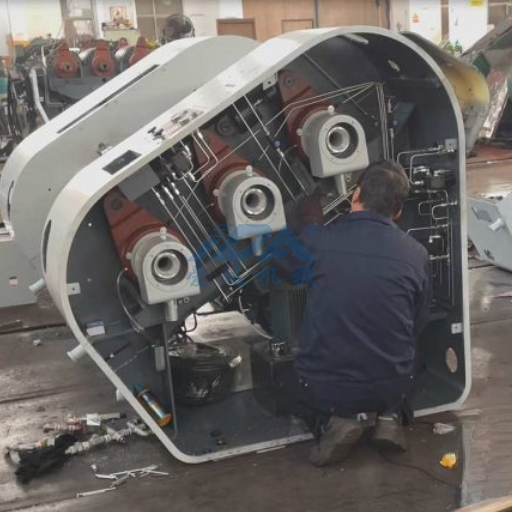
Material inconsistencies represent one of the most common nuisances in the world of three-roll mill operations and can radically dictate the quality of the final product. Properties of raw materials, like variations in viscosity, particle size, or composition, lead to uneven distribution and improper mixing once the milling process starts. This state creates inferior-quality finishes, low performance, or undesired properties that might result in jeopardy to the intended use or application of the final product.
Inadequate pre-mixing of materials and infrequent monitoring of raw material properties before feeding into the mill are the ways to sort out some issues. The three-roll mill needs to be regularly maintained and calibrated to ensure that the outcome is consistent. Alignment of the machine, gap setting, and processing parameters are mechanisms that can ensure that the impact of material differences is reduced.
One more major role for quality control systems occurs when they are employed in the resolution and prevention of material inconsistencies. The moment there is a possibility of an issue, they swoop in to inspect everything and even test the processes throughout the production cycle, thereby spotting discrepancies at the earliest opportunity and actioning corrections in time. Still very significant will be training workers to acquire the operator’s expertise since good handling and observations can save lots of three-roll milling material inconsistencies.
Overheating Problems and Solutions
Overheating is another common problem in tricylce mills which could significantly deteriorate machine operation and final product quality. Heat causes rollers to widen, thereby, hindering the even application of pressure, which in turn impedes effective material processing. Heat degradation is recurrent in the case of thermally sensitive materials which greatly affect the final product as regards both efficacy and functionality.
One of the most effective resolutions to overheating is to utilize proper cooling systems. Water circulation and air cooling systems are possibly the best for handling milling as it could keep the system control at the best temperature zone. Routine temperature monitoring and maintenance will ensure that cooling works effectively and boosts alarms if the system starts to heat up, thereby encouraging unnecessary heat accumulation during mill operation. Operating speed of the cooling process must be quite low for the temperature-sensitive materials so that minimal friction and lesser production of excess thermal energy can be guaranteed.
Preventing overheating also calls for proper setup and alignment of the machinery. Misalignment of rollers can advance friction and generate heat, so routine checks on alignments, with immediate, minor adjustments, are desirable practices necessary. For the cause of increased milling machinery overheating, preventive maintenance combined with effective cooling and efficient operating placements should alleviate some overheating challenges, while increasing the equipment’s lifespan and reliability.
Roller Alignment Concerns
Diverse Roots of Roller Misalignment:
The misalignment of the roller is frequently connected to poor mounting, wear, and operational issues, leading to movements through which operations are subjected to. These mal-aligned rollers cause significant spikes in friction between components, leading to overheating and sub-optimal functionality of the equipment. Correct alignment is important because misalignment will cause massive abnormal wear of the material, which affects productivity.
The Misalignment Effects on Machine Performance:
The effects of roller misalignment may be immediate, but some unfold as time grows on. The misaligned rollers consume larger amounts of energy while doing jobs, as the enhancing forces increase due to the misalignment. Another disadvantage of always working under misalignment is that wear on components is created earlier than usual, raising maintenance costs, and shortening the life of the machines. However, mismatched rollers, always experiencing too much friction, may generate excessive heat, putting the safety of a machine and running into side-by-side shutdown threats.
A Step-By-Step Guide for Rectifying Roller Misalignment:
Maintenance of the equipment on which the rollers are working is of the utmost importance. If ordinatingly implemented, proper maintenance will go a long way toward rectifying our lost alignment and preventing further misalignments. Without proper respect and care, the lasers for the shafts and tracks, scroll and web guides, and idler rollers will never reunite. It takes unreasonable actions and some words of morning/evening instructions and nothing falls because of this.
Best Practices for Maintenance
Regular Cleaning Protocols
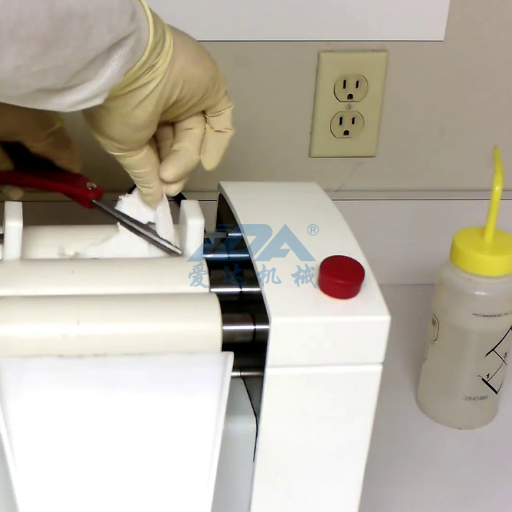
The operators consider regular cleaning a key step to maintain maximum efficiencies and machinery service life in a three roll mill. It involves operations where dirt is removed from the covering or roller, the scraper blades, and the feed surface. Immediately cleaning a machine after every use will prevent the material from forming on surfaces of the rollers where it can stay non-removable.
First, solvent should be applied to there-move the residues according to the processed material. Avoid rough cloths or any other material that may have the potential to damage the rollers surfaces. The rolls can be disassembled to do a full cleaning as recommended by the supplier, checking all components for wear and debris. Document and perform this cleaning conditioning regime at regular intervals, ensuring good production and avoidance of contamination of subsequent batches.
Inspection Practices to Prevent Breakdowns
Inspections are essential to avoid unanticipated downtime and improve the operating status of the Three Roll Mill. A machine’s life can be enhanced, together with maintaining product quality, by fusing routine observations with data-driven improvements. Here are the important inspection outliers and itemized details pertaining to the Three Roll Mill service:
Roll Surface Inspection:
Inspect the roll surfaces for scratches, dents, or even acetate wear. A roll in such poor condition can compromise product consistency and will have to be re-grounded or replaced. Studies show that routine maintenance of the roll surfaces may result in a downtime reduction of up to 20%.
Alignment Verification:
Misalignment of the rolls causes uneven cutting zones, affecting the material dealing processes. Periodic verification of the roll position can be done by the rolling sight edges using precision alignment tools or by use of the equipment’s automatic calibration system.
Bearing and Gearbox Inspections:
Live Role Bearing and gearbox are indispensable for a Three Roller Mill. Operators should be looking for overheating, excessive vibration, or noise. This may show wear or lubrication failure. The latest data suggests that 30% of all failures happen due to gearbox damage on rolling mills.
Lubrication System Maintenance:
Always check that the lubrication system of certain rolls and the other mechanical parts is working properly, as insufficient lubrication would cause increased friction leading to a fastened rate of wear, which quite possibly may cause breakdown.
Inspection of the Electrical and Control Panel:
Periodically inspect the electrical systems, including control panel, wiring, and braking systems, to ascertain problems at early stages like possible shorts or malfunctioning before they develop.
Monitoring Based on Data:
The smarter way for compliance is linking inspection practices with following guidelines laid down by the supplier to sustain performance as well as ensuring reliability of the Three Roll Mill. It is critical to recommend stored inspection results in documentation alongside maintenance activities for a reference chronology of fault and trouble-shooting.
Advanced Troubleshooting Techniques
Diagnosing Electrical Faults in Three Roll Mills
Diagnosis of electrical faults in Three Roll Mills will involve good approaches that can provide good expertise, sophisticated tools, and a live stream of data. Some common electrical troubles that could also be afoot are motor malfunction, overheating, wire congestion, or dirty power. To discover these problems effectively, follow these steps:
Visual Inspections and Safety Inspections:
Begin the inspection with a full visual check on all the electrical components of the mill. Ask whether any wires might be exposed, burnt, or any circuit element might have suffered mechanical damage, whatever that is. Make sure that the power is down and then locked out so that further shocks are avoided.
Use of Multimeters and Diagnostic Tools:
You could install diagnostic tools such as digital multimeters or clamp meters for taking voltage, current, and resistance measurement. The result of improper value assessment with these devices should be used to identify probable causes of troubles such as circuit overloads, short circuits, or voltage drops.
Analysis of Motor and Drive Systems:
Asynchronous motors and drive systems on a Three Roll Mill tend to be heavier and able to cause overheating or insufficient torque delivery. You’ll want to check for any indication of overheating, along with any unexpected noise or vibration that can trace back to bearing wear or an internal electrical failure.
Inspection of the Programmable Logic Controller and Control Systems:
Modern mills call for using Programmable Logic Controllers (PLCs) in automation. The failure or improper setup of a PLC system will leave you in a stand-still. Try to run the self-check diagnostics for your PLC and make sure that all software updates are also run.
Data Collection on Predictive Analytics:
Technologies that collect power demand readings, motor efficiency, and load variations through condition monitoring sensors foster an efficient run-time for the mill. These technologies analyze data for trends in predicting early failures and thus intelligent maintenance can avert potential breakdowns. A study conducted lately revealed a 50% decrease in unplanned downtime with predictive maintenance.
Check Power Quality Issues:
Poor voltage regulation and current spikes are among the various locations where external power disturbances may cause a heavy production hit. In some cases, it is helpful to put in place surge protection or uninterruptible power suppliesto shield equipment from the effect of such phenomena.
Frequent application of the aforementioned diagnostic approaches, when paired with new technology advancements, keeps Three Roll Mills operating more reliability, efficiently, and safely. By routine equipment maintenance and on-time defect detection, equipment life can be greatly extended and interruptions from equipment breakdowns can be minimized.
Addressing Mechanical Wear and Tear
Mechanical wear occurs naturally due to continuous Three Roll Mill operation. Repeated pressure and movement of components lead to erosion of rollers, seals, and bearings, among others. Naturally, ongoing erosion can cause delayed functioning, inefficiency, and damage to other components within the mill if neglected.
Hence, timely inspections are necessary to void away mechanical wear. The operators must set an inspection routine with specific times of wear detection, which includes apparent symptoms like uneven roller surfaces, noises, and/or vibrations. Moving parts should be appropriately lubricated to slip and prolong equipment life while seals and bearings are changed at any sign of wear to safeguard final failure.
Integrating modern design into hard material production to prevent wear and tear over a period is another consideration that should be taken into account. For instance, such as by using abrasion-resilient coatings on rollers or a modern alignment system, it will alleviate mechanical stress during operations. Therefore, the service life of the Three Roll Mills can be expanded along with reducing downtimes and ensuring production consistency over a long time, with proactively carried-out maintenance paired with substitute/create-for-better-stage interventions.
Fine-tuning the System for Optimal Performance
Several ways can be adopted to fine-tune a three roll mill for the best performance. In the first priority, rollers must have to be aligned tightly by basically adjusting them “calorimetrically.” Aligned rollers can allow for application in a very consistent manner, and they cut safeguarding high product quality. As part of routine inspections, the uniformity of the gap_spacing should be checked in order to avoid sufferings related to disturbances that might just set in otherwise.
Second, the use of properants holds a great value. Lubrication works towards reducing friction and their associated heat during working, while saving from tear and wear on the parts being protected. These are very instrumental measures to be adhered to for good lubrication, such as reliable lubricant, specified for a given part of the mill to prevent premature breakdowns. Provisions should be made such that all time checks can be made on the levels and quality of the lubricant itself.
Therefore, staff training is not limited in optimization efforts. Staff need to know where in the range the settings would be optimal, handling guidelines, and how to, which will ensure supreme performance of the equipment. Staff must be trained to make sure the system’s operations are monitored effectively, hereby reducing the risk of operational errors that shorten the service life of the equipment. Optimally, such imple-business strategies ensure that Three Roll Mills will efficiently and reliably achieve peak results.
Maximizing Output Quality

Strategies to Reduce Downtime
Ensuring that the unit is ever productive means preventing downtimes. Keeping up with maintenance tasks is a key strategy. The inspection of already running machinery finds out most of the minor and major problems, which when corrected, help in averting disruptions. Maintenance, in turn, then becomes an important reason for wear prevention, increasing the life and in-service capability of equipment in the near future.
Developing the human capital is the opposite characteristic to investing in machinery. By giving employees training on operations and machine fault detection, which ultimately reduces human-related downtime. Properly trained staff have the ability to identify and solve issues on-site rapidly, reducing the downtime it takes to have equipment running again in the factory. Additionally, cross-training staff saves the day even if one or two key personnel are absent because they can cover for them and still ensure the job gets done.
Finally, the use of technology such as monitoring systems can provide real-time data on equipment performance. Detection of faults, through employing advanced systems guarantees that the quick is not left for the dead. The awareness brings about anticipation against potential faults altogether. This goes a long way in preventing any breakdowns that would lead to massive losses of efficiency and in keeping operations continuously in check.
Ensuring Smooth Operations in Daily Work
Operational success requires being proactive about management issues. Communication of concerns comes first, along with the prioritization of tasks and allocation of resources. If roles of responsibility duly kept or explained, hence resulting in clarity, then the team need not worry about others’ tasks and but would rather concentrate on their own. One can identify any potential struggle that will disappear when the scrum master, PO, and technical lead check to see how the team is getting on.
Another major element required so that smooth operational excellence may be maintained is capital equipment and tooling. Regular maintenance action is carried out on a defined schedule and managed through a great system, ensuring smooth operation and suitable placement of machines and equipment. Preventative action is taken by keeping an eye on routine inspection and quick repair to ensure minimum downtime and proper operations. Equipment training according to safe operating principles ensures the safety of employees and the abatement of accidental hazards.
Encouragement organizations to the orderly and supportive work environment, which will make operations smoother. Your encouragement of the cooperation helps in breeding an environment of trust and enhances the mood of the workforce towards work. In addition, the faster the problems are solved and the more improvement rolling in, the better for organizations that are meant to deliver the satisfaction and support launching them to fruitful growth.
Frequently Asked Questions (FAQ)
Q: What is the Three Roll Mill Troubleshooting Guide and why is it important?
A: The Three Roll Mill Troubleshooting Guide is a practical guide that explains some common problems occurring with a three-roll mill and how to fix them. It looks at maintenance issues, such as hydraulic systems, adjustment of roll speed and roll cooling, and issues involving good roll design and safe operation protocols. The use of the guide is appreciated as part of preventive maintenance in roll performance maintenance, effective reduction of production costs, and better throughput that have great significance in general rolling methods, whether continuous, hot rolling, or cold rolling.
Q: What are the standard causes of roll and surface damage are likely to affect the work roll?
A: Rolls and roller bodies are often defaced due to foreign particles entering the rolls, misalignment, improper rolling pressure, at faults in roll grinding, or incorrect steel roll hardness. Surface damages could be found to be initiated as shear stress, corrosion, or mechanical failures present, and in equipment such as drive shaft and hydraulic cylinders. To avoid surface damage and keep roll failure small, a routine inspection, appropriate handling practices, training for the workers, and either the use of cooling aids or cooling the rolls are recommended.
Q: How does a hydraulic problem or excessive pressure in the hydraulic system have an impact on the mill?
A: The problems with the adjustment device and the displacement of the rolls may occur if there are hydraulic problems in the system, such as leaks, low pressure, and any malfunctioning cylinder. This may cause the roll to move out of the same line, become unaware, and get crushed. Spike high pressure can then blister the sealing, either cylinder deflection, or the impact upon the parallelism between the supporting and working roll. Keeping pneumatic pressure within limits and maintenance periodically check the hydraulic cylinders to ensure a safe operation and performance of rolling consistently.
Q: What measures can be attempted for misalignment occurrences in the rolls of the mill?
A: Misalignment calls for shutdown of operation and investigation of the roll position, backup roll, and drive shaft. Parallelism should also be gauged and the adjusting unit for wear. Roll diameter and any dimensioned variations on the face of the rollers can be checked; if there is the case for grinding, they will be ground on a grinding machine. The synchronized operation of the rotatable rolls in opposite directions with minimum wear should be carefully observed. If gaps are present in this area of the mill, there can be realignment of rolls or replacement and some re-calibration of worn machines, or dilation of the hydraulic system is done to restore the alignment and true parallel working conditions.
Q: In what manner are the roll hardness and design affecting the roll life together with production efficiency?
A: The type of roll, hardness properties of rolls, and the roll design collectively play a vital role in determining the resistance to deformation, corruption, and failure to the rolling pressure from the rolls. The hardness of a roll has to be harmonized with the material being rolled, as too high a hardness can result in brittleness and cracking, while excessive softness leads to extremely quick wear. Correct roll design, involving backup and other requisite factors, does improve roll performance, allowing fewer roll changes to be made, hence decreasing costs while improving milling speed in both hot rolling mills and cold rolling setups.
Q: What function does roll grinding play in protecting against problems in reciprocating roll mills?
A: Grinding of rolls and periodic check of journal integrity are of paramount importance in preserving the rolls’ surface smoothness and dimensional authenticity. By grinding the roll with a profilers capable scarcely to leave imperfections on the surface, the stress from the material’s shearing is minimized. A conditioned maintenance program provides for scheduled inspections, lubrications or roll coolings, and checking of the speed of the roll so that the machine is prevented from breakdowns, damage to rolls are minimized, and the plant non-stop effectively makes the whole stretch of rolling operation.
Q: How can handling practices and foreign particles be managed to avoid equipment damage?
A: Strict handling practices should be employed to prevent foreign particles from entering the mill area; contamination can get imbedded into the working surface producing surface defects or wear acceleration. Filters and hygiene protocols must be followed for hydraulic systems and cooling equipment. Operators may visually inspect the incoming material for foreign objects and are trained to spot early surface defect signs. All such actions protect rolls and lower suprise roll changes and downtime.
Q: What steps need to be performed upon reduced throughput or abnormalities while operating the mill?
A: A reduction in throughput or strange noises are symptoms of a number of problems such as the roll s-mooth need re-grinding, rolls are out of parallel causing varying output, worn-out drive-shaft bearings, changes in hydraulic pressure, or rolls deforming. Areas to be checked included the main equipment, the hydraulic cylinders, and the drive elements; indeed, the roll speed must be checked to confirm synchronous rotation of the rolls with no exacerbation in shear stress. Intrude adjustments to that device is necessary, with reference to the Three Roll Mill Troubleshooting Guide on which it should prioritize the repairs to return procedural efficiency.
References
-
Exakt 50I Standard Operating Procedure
This document provides detailed information about the operation and troubleshooting of a three-roll mill.
View the document -
Removing the Rollers from the Mill Using Your Rolling …
A guide from Iowa State University that includes procedures and safety measures for handling rolling mills.
View the document -
Yarding and Loading Handbook
While this handbook focuses on safety practices in hazardous environments, it includes relevant operational insights.
View the document - Professional Three Roll Mill Manufacturer