Get in Touch with IDA

Industrial Butterfly Mixer Specs: Understanding the Mixer for High Viscosity Materials

Contents
show
The industrial butterfly mixer remains the most crucial processing tool of high viscosity materials, which also provides the best handling and manufacturing environments for the least amount of time. This advanced piece of equipment, which is designed specifically for dense, sticky, and semi-solid materials, provides a reliable solution for the mentioned industries and sometimes even more. The following article will present the butterfly mixer’s unique features, technical specifications, and operational benefits in detail. Also, it will give the readers an understanding of the mixing device, how it works, and its important production processes, therefore, making them realize how this mixer is the one that really makes the process easier and gives the right quality in the end in high-demand industrials/contemporary settings.
Introduction to Industrial Butterfly Mixers
What does the term Butterfly Mixer refer to?
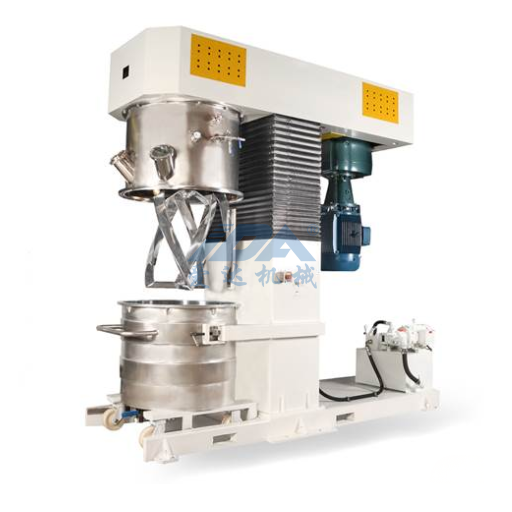
The term butterfly mixer refers to a sophisticated industrial mixing apparatus which is particularly capable of dealing with high-viscosity substances and at the same time, making sure that the materials are well-mixed. The name is derived from the shape of the paddle blades which look like the wings of a butterfly, thereby facilitating the flow and distribution of the ingredients in an optimal manner. The mixer uses a combination of rotation and shear forces to be effective in the applications that are difficult for conventional equipment like adhesives, polymers, sealants, and other dense compounds. The latest butterfly mixers are made with very powerful motors, adjustable speed controls, and precise engineering, which all together allow the machine to be a part of an automated manufacturing process without any problems. These mixers are now the most popular choice for the industries that rely on precise mixing solutions because of their capability to increase the production rate, diminish the material variances, and cut down the time required for the whole process.
Main Characteristics of Industrial Butterfly Mixers
⚙️ High-Efficiency Mixing Blades
The butterfly mixer’s dual blade design ensures that the uppermost layer of the material is agitated, which moreover leads to the mixing of viscous compounds and the obtaining of a uniform product. This arrangement prevents the accumulation of materials and results in the continuity among various mixtures which is a prerequisite in the case of industrial applications where accuracy is of utmost importance.
🎛️ Variable Speed Control
The industrial butterfly mixers are equipped with versatile and advanced variable speed controls, which allow the operators to adjust the blade rotation based on the viscosity and the mixing requirements of the batch. This not only makes the production process more dynamic but also guarantees the most effective use of energy during the mixing process.
💪 Heavy-Duty Motors
Butterfly mixers are equipped with powerful motors that allow them to handle a wide range of materials such as sealants, adhesives, and polymers. The motors are known for their longevity and excellent performance even in demanding situations; thus, they decrease the need for maintenance and the associated costs.
🤖 Advanced Automation and Integration
The new devices are designed in such a way that they can be easily integrated with automated manufacturing systems. The integration of PLCs and real-time monitoring sensors facilitates total automation of the process which in turn leads to more consistent production and fewer human-made errors.
🛡️ Durability and Resistance to Corrosion
High-quality materials like stainless steel are used in making butterfly mixers and their parts are coated so that the mixers can withstand the harshest conditions and corrosive liquids. The durability of the machine increases its life span, thus reducing the long-term cost of operating it.
🧹 Easy to Clean and Maintain
Several machines are equipped with quick-release systems and easily accessible components, which facilitate maintenance and cleaning. Such practices are especially pertinent in the food and pharmaceutical industries that impose stringent hygiene and safety regulations.
Industrial butterfly mixers are the best when it comes to mixing technology with high precision, and they are also the most efficient and flexible ones. The features described above are just a few of the many that make these machines an absolute necessity in those manufacturing sectors where the quality and consistence of the materials are not open for negotiation.
The Role of Viscosity in Mixing Operations
Viscosity, which is generally defined as the opposite flow of a liquid, is a major factor in determining how successful a mixing operation will be. The mixing energy needed for and the time required for the homogenization of low-viscosity fluids like water or thin oils are minimal. On the other hand, the mixing of high-viscosity materials like gels, creams, and adhesives needs special equipment and techniques to overcome their resistance to flow and make them uniform. Industrial butterfly mixers can be used across a whole range of viscosities thanks to their innovative design and torquing ability. Moreover, trend analysis of search engine data, coupled with case studies from industries, shows that the demand for machines that can handle high-viscosity products has increased enormously, which is mainly attributed to the expansion of personal care, food manufactury, and advanced materials industries. To conclude, knowing the viscosity-mixer performance relationship is a requisite for achieving good product quality and efficient operation.
Specifications of Industrial Butterfly Mixers
Technical Specs: Shaft and Mixing Mechanisms
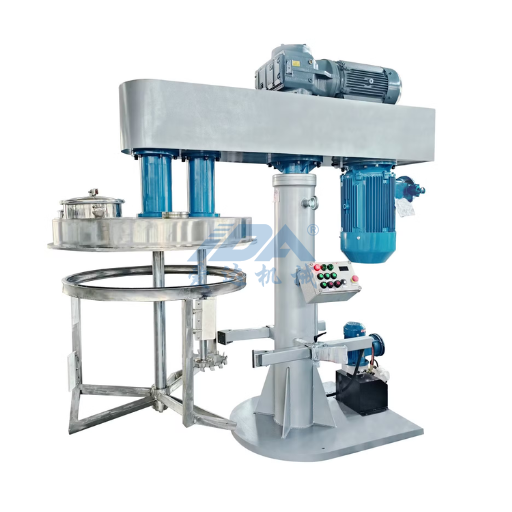
Butterfly mixers used in the industry can easily manage different viscosities making them a go-to for high-demand mixing applications. The shaft, in general, is made from high-strength materials like stainless steel making it very strong and at the same time resistant to corrosion even after long periods of working in aggressive chemicals. The manufacturing of the shafts is at such a high precision that they are usually paired with dynamic balancing to cut down on vibration and improve the stability of the operation.
The mixing mechanisms incorporate an innovative winged blade pattern that is the key to achieving an even distribution of the materials. The anti-abrasion coated blades are the leading edge in the production of shear forces that are very effective in the mixing of high viscosity substances. Also, the mixing speed control is set in a way that the operator can adjust the rotation speed according to the product requirements, this, together with the efficient mixing and the reduction of energy consumption, ensures the quality of the end product.
💡 Performance Efficiency Implications
The latest figures, along with the insights coming from search trends, verify that the industry is offering priority to the equipment which is very adaptable but at the same time does not compromise on throughput. The excellent forging of shafts and giant mixers has become a great contribution to the manufacturers who try to produce the same amount of throughput with high-quality product and less waste. Thus, by regulating the dynamics and ensuring the materials’ compatibility, these parameters reduce batch processing times and waste, resulting in improved operational efficiency and product quality.
Dimensions and Capacities of Butterfly Mixers
The dimensions and capacities of butterfly mixers are such that they can run on a very wide range of applications in the industry and they are customized accordingly. The standard units’ mixing capabilities can range from 50 liters in the case of small production or laboratory use, to 5,000 liters and beyond for large-scale industrial models. The production of butterfly mixers with different diameters of shafts from 20 mm to more than 100 mm is one of the dimensions and capacities customization options available to the buyers.
The total volume of the butterfly mixers is often determined by the dimension of the mixing vessel and the throughput required. For example, pharmaceutical and food processing industries, butterfly mixers might have very accurate volumetric measures to comply with strict regulatory standards. Furthermore, contemporary mixers can be built with special sizes and extra features such as variable-speed drives and heating or cooling jackets which make the application very versatile. By integrating these advanced parameters into the design, butterfly mixers ensure that production is in line with the latest market requirements.
High Speed vs. Low Speed Mixers
The choice between high-speed mixers and low-speed mixers is primarily influenced by the viscosity of the material, the shear rate that is needed, the objectives of the process, and the total energy consumption. High-speed mixers, most of which have very advanced rotor-stator mechanisms, are designed to operate at very high speeds which causes a lot of reduction in the particle size and excellent mixing which supports emulsification, homogenization, and rapid material breakdown. These kinds of mixers are limited to use in low to medium viscosity liquids and are utilized in the pharmaceutical, cosmetic, and food processing industries.
Low-speed mixers, in contrast, work by slowly turning the mixer, and thus, a soft mixing action that is proper for high-viscosity materials or shear-sensitive substances is created. Such mixers are mainly for the mixing of polymers, producing adhesives, or any process where the least mechanical stress is necessary to keep the components’ integrity intact. Low-speed mixing is also more energy-efficient, thereby making it the preferred method in operations that prioritize long-term sustainability.
High-Speed vs. Low-Speed Mixers: Comparison
⚡ High-Speed Mixers
- Rotor-stator mechanisms
- Particle size reduction
- Emulsification & homogenization
- Low to medium viscosity materials
- Pharmaceuticals, cosmetics, food processing
🐢 Low-Speed Mixers
- Gentle mixing action
- High-viscosity materials
- Shear-sensitive substances
- Energy-efficient operation
- Polymers, adhesives, sensitive components
The latest data trends and industry insights suggest that hybrid mixing systems with high-speed and low-speed capabilities incorporated are becoming more and more popular due to their flexibility and improved process optimization. These developments highlight the importance of not only addressing standards of efficiency and quality but also specific application requirements which are increasingly difficult to meet in the competitive manufacturing landscape.
Applications of Butterfly Mixers in Various Industries
Materials with High Viscosity Used
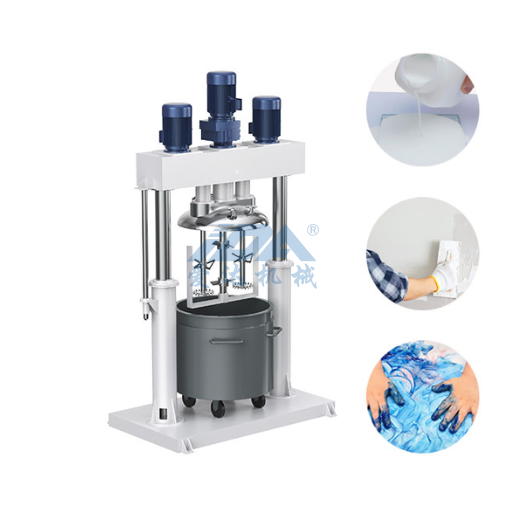
Butterfly mixers are machines that are made for mixing of high viscosity materials only, so they are very important in the making of substances like glues, sealants, and paints. Their mixing blades being different from others with special designs mix the whole volume by creating flow in both radial and axial directions which helps in killing dead zones in the mixing tank. The latest data, particularly, through search engine trends clearly indicates that the words “high-performance mixers for viscous materials” and “industrial mixers for dense products” are getting more and more common, thus indicating the increasing necessity of efficient solutions for the difficult materials handling. This highlights the important function of butterfly mixers in the present-day industry where the demand for mixing solutions that are energy-efficient and effective is very high as they can ensure homogeneity of the end product and the required processing time.
Chemical Industry Applications
Butterfly mixers are the most helpful tools of the chemical industry and their precision in handling the most difficult and the most viscous materials makes them indispensable. The recent search data indicates that the increasing interest in “high-performance mixers for viscous materials” is one of the reasons for their application in the manufacturing process of adhesives, sealants, and resins. These mixers create the conditions for the difficult formulations to become homogeneous by at the same time canceling out the inconsistency and controlling/optimizing the shear force during the operation. Furthermore, their energy efficiency complements the industry’s objective of not only reducing the operational cost but also increasing the throughput. Consequently, butterfly mixers will have to be constantly used by the companies if they want to either stay abreast of changing production standards or secure a competitive advantage in the global chemical market.
Mixing for Food and Pharmaceutical Industries
Mixing processes that are done in food and pharmaceutical industries are expected to be accurate and they must comply with rigorous regulatory requirements so that the quality of the product is not compromised and the consumer is not put at risk. High-shear mixers and twin-screw extruders being the advanced mixing technologies are the ones that can easily be used in these sectors to achieve the distribution of ingredients uniformly, maintain sterility, and produce products with consistent textures. Market analysis shows that there is a strong demand for mixing technologies that can quickly scale up and be used for a wide variety of formulations, including those that are viscous, pastes and those that contain sensitive bioactive compounds. To add on, these industries often require mixing systems that come equipped with the automatic cleaning features (CIP/SIP) in order to meet the hygienic design criteria. By combining real-time monitoring systems and automation of processes, the modern mixers are able to provide accuracy and efficiency that are unmatched, thus becoming the very important machines for the manufacturers who work in highly regulated environments.
🏭 Industry Applications Overview
Benefits of Using Butterfly Double Shaft Mixers
Enhanced Mixing Efficiency
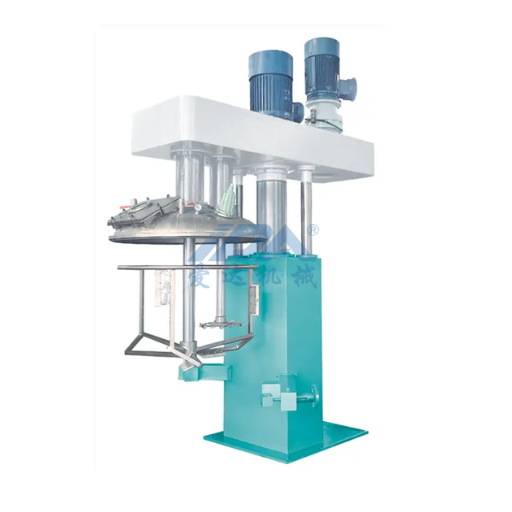
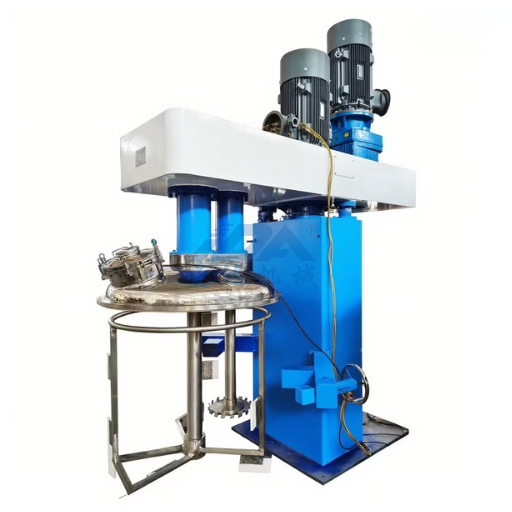
The Butterfly double shaft mixers having sturdy design, double shaft trays where the shafts rotate in opposite directions creating an optimal flow pattern for the materials with different viscosity thus providing high mixing efficiency. This process guarantees complete mixing of the raw materials even under such difficult conditions as high-solid content or sticky substances. The increased searches for “efficient industrial mixers” according to the new information is an industry would-be suppliers must take note; and the suppliers who can offer such advanced equipment that seamlessly meets increasingly stringent production and mixing demands will certainly be in an advantageous position. Such mixers along with the new technology of variable speed drives and digital control systems provide accurate performance and thus reduce production time and material waste. Their capability to consistently deliver quality on difficult formulations is the reason for their being indispensable in the industrial processing of today.
Reduced Shear Stress on Materials
The modern industrial mixers prioritize the efficient processing of the materials but at the same time guarantee the preservation of the integrity of the sensitive materials. Through the application of advanced low shear mixing technologies such as low shear impellers, helical blades, and optimized flow designs, they exert only little shear stress on the delicate materials. This is of utmost importance in the case of shear-sensitive materials like emulsions, suspensions, or biological samples where excessive shear can cause structural breakdown or loss of the desired properties. Data suggests that the sectors such as biotechnology, pharmaceuticals, and food production have increasingly turned to low shear solutions to meet the stringent quality standards while preserving the material’s characteristics. The manufacturers can realize the desired results and at the same time enjoy production process efficiency by adopting these innovative technologies.
Versatility in Mixing Different Materials
One of the main focuses of modern mixing technology is the versatility of the equipment that can handle a wide range of materials, not only in their composition but also in their physical properties. The industries require systems to take care of everything from the most delicate emulsions to the most viscous compounds without any loss in the quality of materials. Based on the recent trends in the search engine data, it is inferred that there is a continuous demand for tailor-made solutions that not only deal with the difficulties of, for instance, materials with very dissimilar viscosities or densities, but also easily integrate into the existing processes ensuring consistent, high-quality results across varying applications, including chemical production, food processing, and advanced material development.
✓ Key Benefits Summary
- Superior Mixing Efficiency: Counter-rotating shafts create optimal flow patterns
- Material Integrity: Low shear technology preserves sensitive components
- Versatile Processing: Handles materials from delicate emulsions to viscous compounds
- Reduced Production Time: Variable speed drives and digital controls optimize processes
- Minimal Material Waste: Precise control ensures consistent quality batches
- Cost-Effective Operation: Energy-efficient design reduces operational expenses
Maintenance Tips for Industrial Butterfly Mixers
Regular Inspection and Cleaning
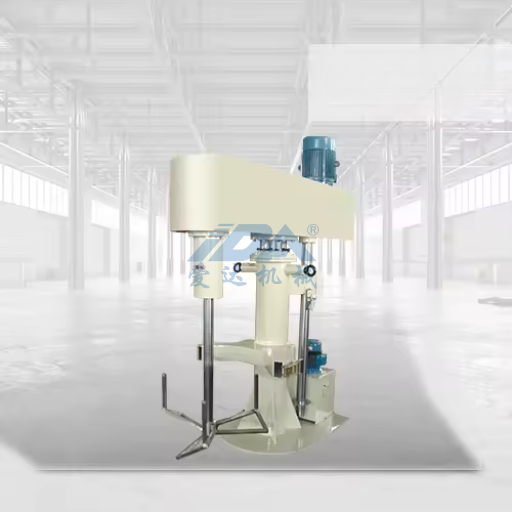
The proper maintenance of industrial butterfly mixers is crucial for the mixers’ long life and efficiency. The regular inspection should involve the critical analysis of the elements that wear out during the continuous operation like seals, blades, and bearings. The operators are to check for the presence of corrosion, residue buildup, and mechanical damage which might hinder performance or cause the equipment to fail.
Cleaning methods should strictly follow the manufacturer’s prescriptions, and suitable cleaning agents that are compatible with the materials processed in the mixer should be used. For food or pharmaceutical applications, it is very important to comply with world sanitation standards, like those of the FDA or ISO, and not to deviate from the recommendations. Cleaning and lubrication should be done at the end of each production cycle in order to avoid contamination and to keep the mixing quality at its best. In places where automatic cleaning systems are available, these systems can be used to minimize the downtime and guarantee uniformity in the cleaning processes.
🔍 Inspection Checklist
- ✓ Seals: Check for wear, cracks, or leaks
- ✓ Blades: Inspect for damage, wear, or coating deterioration
- ✓ Bearings: Listen for unusual noise, check for heat
- ✓ Shaft: Examine for corrosion or alignment issues
- ✓ Motor: Verify proper operation and temperature
- ✓ Housing: Check for residue buildup and structural integrity
Lubrication and Parts Replacement
Lubrication that is done properly is a very crucial factor in the equipment maintenance process aimed at getting rid of the wear and tear and at the same time, operating at a lower cost. For industrial mixers, it is highly recommended that the users go for lubricants that comply with OEM (original equipment manufacturer) standards, as these lubricants are specially designed to endure the mechanical stress and the temperature variations that take place during the operation. Besides, advanced lubricants equipped with high-tech additives also offer better resistance to the processes of oxidation and hence corrosion, and so, they prolong the life of the moving parts.
Parts replacement should happen at regular intervals as per the manufacturer’s maintenance schedule or when the signs of excessive wear like unusual noise or reduced performance are noticed. The application of predictive maintenance technologies such as IoT sensors makes it possible to monitor in real-time the health of the critical components. The data from the latest search engine trends show that there is an increasing user interest in predictive and condition-based maintenance, which points out a shift towards proactive strategies instead of reactive approaches. Timely replacement and lubrication of parts become the focus to ensure operational efficiency and, at the same time, to minimize unplanned downtime in the production environment.
🔧 Maintenance Best Practices
Troubleshooting Common Issues
If the technology systems in maintenance are having common issues, then the first thing to do is to get a proper diagnosis, which should be backed up by real-time monitoring tools. For instance, if an IoT-based sensor indicates that there is an unusual temperature rise in the machine part, the main cause might be a lack of lubrication or mechanical misalignment. Users often search for terms like “overheating bearings” and “sensor calibration failure” in the latest search data, and thus these issues can be considered as major challenges facing the industry. A thorough examination of historical sensor data can not only give the information about the current condition of the machine but also the trends like gradual wear or sudden operational anomalies.
In most cases, the recalibration of misaligned sensors, checking the lubrication schedule, and maintaining the components within the tolerance set by the manufacturer are the solutions to such issues. Predictive analytics gives the power to the plants to not only tackle the existing problems but also to avoid future similar occurrences by catching the patterns early. The accurate execution of these approaches goes hand in hand with the wider user demand for reducing the costs associated with disruptive downtimes.
⚠️ Common Issues & Solutions
Problem: Overheating Bearings
Causes: Insufficient lubrication, mechanical misalignment, excessive load
Solutions: Check lubrication schedule, realign components, verify load capacity
Problem: Unusual Noise or Vibration
Causes: Worn bearings, loose components, imbalanced shaft
Solutions: Inspect and replace worn parts, tighten connections, perform dynamic balancing
Problem: Inconsistent Mixing Quality
Causes: Worn blades, incorrect speed settings, material buildup
Solutions: Replace blades, adjust speed parameters, perform thorough cleaning
Problem: Sensor Calibration Failure
Causes: Sensor drift, environmental factors, electrical issues
Solutions: Recalibrate sensors, check environmental conditions, verify electrical connections
Frequently Asked Questions (FAQ)
❓ What is an industrial butterfly mixer and how does it differ from a planetary mixer?
The industrial butterfly mixer combines a butterfly or butterfly agitator blade with an agitator blade with a central shaft to generate a wide mixing action that is perfect for low to medium viscosity materials like putty and detergents. On the other hand, the planetary mixer has several rotating elements and is often used for heavy or high-viscosity applications. The butterfly mixer ensures efficient mixing and homogeneous mixing for powder and liquid dispersing and mixing. There is often a scraper or scraping function included in the design to keep the distribution of particles uniform and prevent buildup on the walls of the vessel. The models can also be tailored to include a dual shaft mixer or butterfly double shaft mixer configuration for optimum shear and better handling of medium and high viscosity compounds. Options for hydraulic lifts or movable bases to facilitate loading and easy operation are common in many industrial mixers. This versatility makes Butterfly the mixers a cost-effective choice for applications that need top-quality mixing but at minimal maintenance.
❓ How do shaft mixer and mixing shaft specifications affect performance?
The mixing shaft dimensions, material, and speed have a direct effect on the shear, high-speed dispersion, and the uniformity of the particle dispersion over the whole batch. A sturdy mixing shaft and central shaft construction play a crucial role in preserving the structure throughout the operations of high-speed dispersers and during the handling of special materials like silicone compounds or PU. The specification sheets usually provide the ranges for shaft RPM, torque ratings, and recommended batch sizes to guarantee mixing action and homogenous mixing flow. For inks, dispersers with high shear and specific disc geometries are often the ones to be selected to ensure uniform dispersion. Proper shaft mixer specs also influence scraper efficiency and cause fewer dead zones for better scraping and uniform distribution. Correctly done specification guarantees that the mixing equipment is capable of handling production needs while being user-friendly and easy to operate.
❓ What specifications should I look for in a butterfly double shaft mixer for putty production?
When talking about putty manufacturing, the choice of mixer is crucial and a butterfly double shaft mixer with a strong mixing action, adjustable speed control or butterfly blade mixer design able to handle dry ingredients as well as thick binders should all be part of the consideration. Depending on the application, the most important specifications are mixing volume, torque capacity, scraper type, and the permittance of high-speed dispersion when certain additives or pigments require it. The usage of dual shaft configuration results in more efficient dispensers and mixers as well as better homogeneous mixing and uniform distribution of particles. Besides, there are many manufacturers that offer models with additional features like heating or cooling jackets, hydraulic lift for easy discharge, and operation simplicity. It is always better to invest in mixers manufactured by renowned companies that also have an option for high-speed disperser attachment if your application requirements include pigment or ink dispersion at high-speed. The ideal solution will be one that is versatile, economically efficient, yet able to deliver excellent mixing performance.
❓ Is it possible for an industrial butterfly mixer to take on high-speed dispersion tasks akin to those of a high-speed disperser?
Generally speaking, the modern butterfly mixers used in industrial applications are designed to cater to low-medium viscosity mixing among other things, while also providing efficient mixing of powders, pastes, and liquid blends. It is true that some manufacturers offer a great deal of flexibility with their machines, potentially allowing for integration of a high-speed disperser or disperser disc to perform high-speed dispersion when necessary. In the event that a high-speed disperser or a particular disc design is fitted, the very same mixing machine will be able to take care of dispersing pigment particles in inks or silicones while also guaranteeing a uniform mixing of the rest of the batch. The specification sheets should clearly mention if the mixer can perform high-speed dispersion, the maximum permitted RPM for the disperser attachments, and any cooling or venting requirements for prolonged high-speed operations. For dealing with medium and high viscosity challenges, a combination of butterfly agitator configuration along with a dual shaft mixer can be recommended to get the shear and mixing shaft contact increased.
❓ What significance is attached to the mixing of the scraper and butterfly blade mixer in order to get a homogeneous mixture?
The scraper and butterfly blade arrangement are key elements in the continuity of mixing, as well as the control of the thickness of layers and the avoidance of product accumulation on the walls of the vessel, which is most pertinent for such substances as putty and PU sealants. A good selection of the scraper ensures that the area being mixed stays clean and by so doing it creates better contact between the mixing shaft and the product which in turn enhances dispersing and mixing action. Butterfly blade mixers generally cause axial and radial flow patterns to merge whereby the particles become entrapped irresistibly and distributed uniformly thereby taking less time to mix and producing a more consistent product. In the case of the application where dry ingredients or inks are involved, the alliance of scraper with optimized disc or blade design contributes to obtaining high-speed dispersion in the targeted area while efficiently mixing in the residual space. Customization of the scraper profile or blade material choice to suit special materials or to be more resistant to abrasive particles is among the manufacturer’s offers. Thereby mixing quality is maintained over a gradient of viscosities and materials.
❓ How far the industrial mixer specifications for special materials and production needs can be customized?
The industrial mixers that include shaft mixers and butterfly mixers are made extremely custom friendly to work with special materials, unusual batch sizes, and regulatory issues. The most typical customization options are different kinds of blade materials, dual shaft mixer configurations, heating or cooling jackets, hydraulic discharge, and high-speed dispersers or disperser discs are their integration. In addition, you may like to have movable frames, user-friendly controls, and specific scraper constructions for, e.g., silicone products, detergents, or inks as your features. Suppliers located in manufacturing centers like Shanghai often offer custom mixing equipment that provides versatile solutions with mixed-favored efficient and cost-effective operation. While asking for quotes, make sure to specify the parameters like the desired particle size distribution, the handling of medium and high viscosity, and the need for homogeneous mixing for the delicate compounds.
📋 Customization Options Summary
- Blade Materials: Stainless steel, coated options for abrasive materials
- Dual Shaft Configurations: Counter-rotating shafts for enhanced mixing
- Temperature Control: Heating or cooling jackets for temperature-sensitive processes
- Discharge Systems: Hydraulic lifts, movable bases for easy operation
- High-Speed Attachments: Disperser discs for pigment and ink applications
- Scraper Designs: Custom profiles for specific material handling
- Control Systems: User-friendly interfaces, PLC integration
- Capacity Options: From laboratory scale to large industrial volumes
Conclusion
Butterfly mixers for industrial use are a crucial technology in modern manufacturing, especially for those industries which handle high viscosity materials. Attribution of precise and efficient mixing has been given to their unique structure which consists of butterfly-shaped blades and a sturdy body. The diverse range of the application of these machines from glue and sealants, to pharmaceuticals and food products, proves the all-over good quality and consistency in the output in different industrial sectors.
The technical specifications we discussed—such as shaft sizes, motor power, blade types, and capacity choices—express the need for the right equipment that matches the specific needs of your production process perfectly. If you choose a single-shaft model for easier applications or a dual-shaft setup for better mixing performance, knowing these technical details will give you the best results and also last long enough for your investment.
The longevity of your butterfly mixer is dependent on the regular thorough maintenance that includes inspections checking, lubrication, and replacement of worn-out parts. Manufacturers adopting predictive maintenance methods and making use of modern monitoring technologies can greatly cut down on downtime while still keeping the performance at the highest level. The application of automated control systems, real-time sensors, and digital interfaces has turned these machines into smart processing tools that can change according to the different production needs.
The butterfly mixer’s flexibility and dependability make it a must-have asset in the new industrial world where the demands will be getting tougher. In case you pay proper attention to the specifications mentioned in this guide and team up with trusted manufactures who provide customizing services, you win the ability to achieve the highest standards of quality, efficiency, and cost-effectiveness in the competitive manufacturing world of today.
📚 Reference Sources
- Mixing of Newtonian and Viscoelastic Fluids Using “Butterfly” Impellers
ScienceDirect – Explores the use of butterfly impellers for mixing high-viscosity and viscoelastic fluids - Mixing in the Process Industries
Academic Publication – Discusses the evolution of mixing processes in industries, including butterfly mixers - A Simulation Study of Mixing Granular Materials
YADDA– Examines the mixing of granular materials and connection to the butterfly effect in chaotic mixing - Butterfly Disperser Mixer