Get in Touch with IDA

Butterfly Mixer for Paint: An In-Depth Guide to High Viscosity Mixing Solutions

Contents
show
When talking about the higher viscosity type of materials such as paints, the knowledge of the tools and their utilization came play in as to avoid any remaining debris in the gas phase, such as saturation or clumps of paint by the pores. This comprehensive study highlights the importance of incorporating butterfly mixers in the painting works, looks at how paint works, as well as the technical aspects of the butterfly mixer.
Whatever the primary goal of optimization of the manufacturing process or achievement of the effective blending or examining some of the pioneering developments in this field, one of the points that will be attention is related to acumen why among practitioners who deal with high-consistency mixtures butter flies are number one choice. Spend some time browsing why these particular types of mixing tools are understandable for the readers beyond what they offer.
Understanding Butterfly Mixers
What is a Butterfly Mixer?
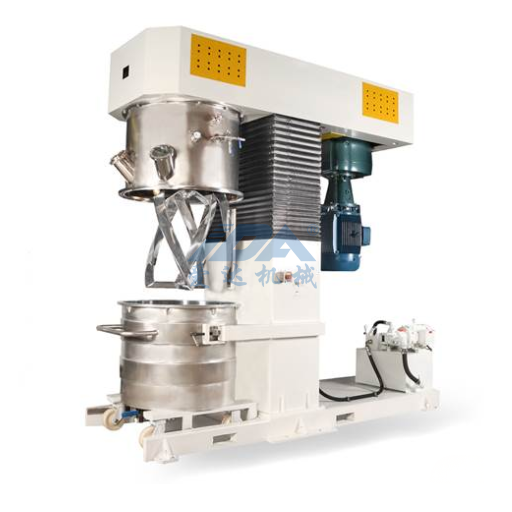
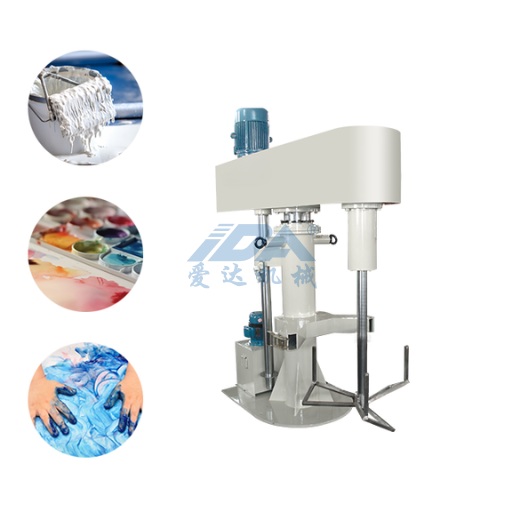
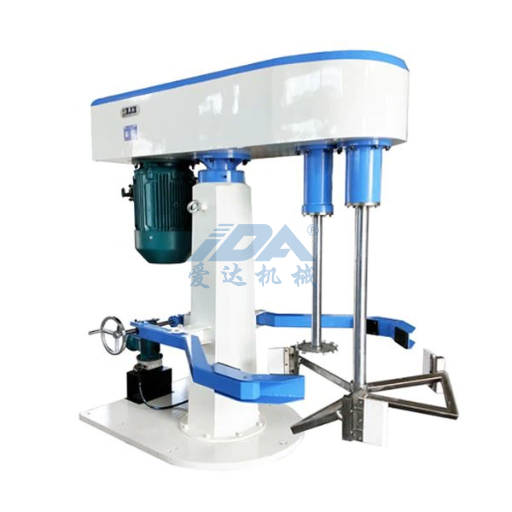
Utilized in industrial processes, a butterfly mixer is a heavy duty equipment used to mix varying mixes especially viscous ones such as paints, adhesives and sealants. The name of this mixer is set to be derived from the shape of the blades that greatly resembles the shape of a butterfly’s wings. The design of this mixing device design allows for the effective application of shearing and polygon folding in mixing high viscous solutions.
🔧 Key Features of Butterfly Mixers
- Powerful motors with fine tuning speed regulators
- High torque and power mixing with excellent precision
- Effective mixing of several ingredients with minimal power input
- Adaptable for chemical manufacturing, pharmaceutical production, and cosmetics
How Butterfly Mixers Work
In order to improve efficiency of usage and better understand performance of this device, it is essential to understand how the double shaft butterfly dual agitator divider works. It is a double shaft counter rotating manually operated bathtub mixer, which can rotate the butterfly wing shaped blades of the inner vessel at different speeds, engaging the blades inside the mixture. The blades are attached to an axial shaft that mixes the ingredients effectively by forming both axial flow and radial flow.
High shear energy is instrumental in achieving such results since viscous materials can hardly be mixed without it, nor powders into liquids without air. Recent searches indicate that there is a high interest in increasing production efficiency through this sort of mixers. In fact, the ability to accurately control the speed and monitor the system have brought some remarkable diversification and flexibility to butterfly mixers.
💡 Performance Benefits: These mixers may be adjusted for performing a diverse range of mixing processes apprehending either low viscous liquids or more solid heavier materials. The evolution of technology in this field therefore supports the demand for energy efficient formulations with assured smoothness, reduced cycle times, and lower volumes of waste generated.
Shaft Design Considerations
The design of shafts in industrial mixers is very crucial for the operational performance, uniformity of the products and mechanical instability. Shafts are constructed in such a way that allows maximum transmission of torque with respect to the shaft, avoiding mechanical strain and vibration. Due to engineering achievements, many sources in industry augment the use of corrosion-resistant components and high precision machining in a range of mixing processes in a bid to achieve durability and productivity of the process.
Trend reports for search engines show that internet users are concerned with failure of shafts which indicates that there is a need for high resistance to loading of the type which causes fatigue and advanced methods to model them. Misalignment of shaft causes wear of bearings and seals, therefore increasing the time period of equipment without breakdown and ensuring the process continues as expected.
Types of Butterfly Mixers
Single Shaft vs. Double Shaft Butterfly Mixers
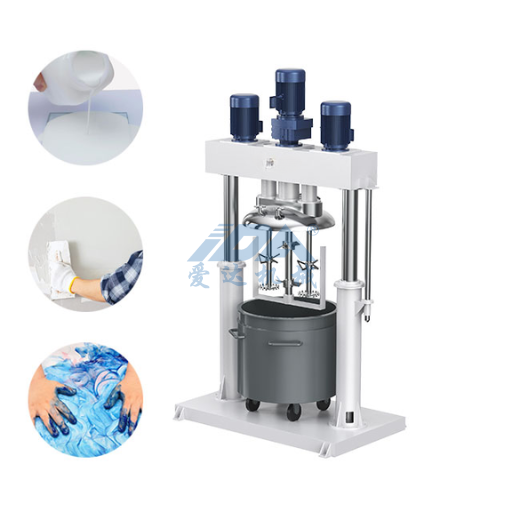
The decision as to which of these butterfly mixer variations to use lies with the buyer, subject to the end use, performance efficacy and the level of maintenance, if any, required to keep them working. Analysis of current search trends also indicates that people search about these mixers constructional benefits and weakness features more frequently proving a tendency of increased demand for robustness in industrial mixing applications.
Single or double shaft butterfly mixers will finally be settled in consideration of the requirements, load capacity and the extent of effects desired. In both cases, alignment and assessment measures are necessary in order to optimize the process, as well as to extend the lifespan of the equipment.
Intensive Butterfly Mixers
These mixing devices are specifically designed for working with thick materials, processing them and withstanding heavy loads. The devices are driven by powerful motors and user-specific, specifically tailored blade designs that provide additional milling speeds to blend very effectively difficult materials employed in, for instance, adhesives, sealants, or concerning high-viscosity polymers.
With the ability to improve the quality and energy consumption significantly through such microscopic control of the systems, automation, automation for self-training, and other means, such mixers emerge as a winner in this race. There is also a considerable interest, as indicated the search, of their extent of utilization in creating sustainable materials, which may signify a large amounted use across various establishments which are in the process of making the switch to sustainable production.
Butterfly Disperser in Paint Industry
The butterfly mixers for paint mixing play a crucial role in the paint-making process since they help intensely mix all types of paints, pigments, PVC, additives, and other ingredients effectively. Topics “frequently asked” on the internet show that users are much more interested in the benefits of buying these dispersers as opposed to traditional ones.
✨ Why Butterfly Dispersers Excel
- Stronger shear force and controlled dispersion
- Superior particle size distribution control
- Precise viscosity management
- Batch size flexibility
- Reduced resource wastage
Applications of Butterfly Mixers in the Paint Industry
High Viscosity Liquid Mixing
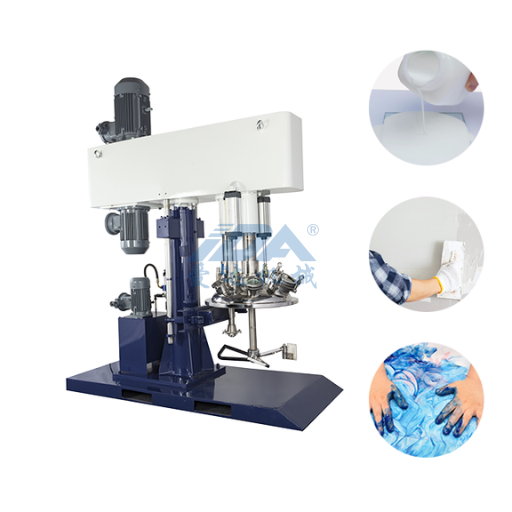
The butterfly mixers are designed specifically to deal with high viscosity liquids frequently found in manufacturing of paints, coatings, and adhesives. The use of intricate design of blades allows for the effective cutting and mixing in solutions with above 50,000 centipoise. In what is seen more of a historical development from search algorithm, new and improved technology that enhances the blade attachments has eliminated dead spots and enhanced free flow of the materials.
This adept technique allows blending of materials without limiting the capacity of the batch. It becomes possible to overcome daunting tasks such as pigment dispersion, thixotropy, viscosity etc., when using such a butterfly mixer for paint for instance, offering an improved quality and the control of the process.
Putty and Coating Production
One of the areas where advanced mixing technology has been applied is in the field of putty and other coatings. The new technology has been employed to solve the various problems associated with the tools and improving the level of putties. Take high-shear mixers, they are specifically modified to incorporate different fillers, binders, and additives in a uniformly distributed manner and avoid discrepancies in the consistencies and workability of the putties.
By enabling exact dispersion parameters, the manufacturers are able to minimize particles from clustering ultimately improving the final products’ properties of thinness and coverage. Additionally, when it comes to coatings, controlling the viscosity of the medium is of utmost importance to ensure appropriate application of the paint be it through a brush, roller, or spray.
🌱 Sustainable Mixing Trends
The data collected from the search engine shows an increasing number of inquiries focused on the “green” formulations in this area. The rise in the number exhibition visitors emphasizes the need for new types of mixer that is compatible with some other systems, which include those working on water and other delicate materials which make them effective only when other materials are carefully mixed. Such sophisticated mixing techniques provide competitive advantage and allow companies to evolve with industry changes and meet the demands for performances and ecologically friendly coating means on the part of customers.
Vacuum Butterfly Mixers
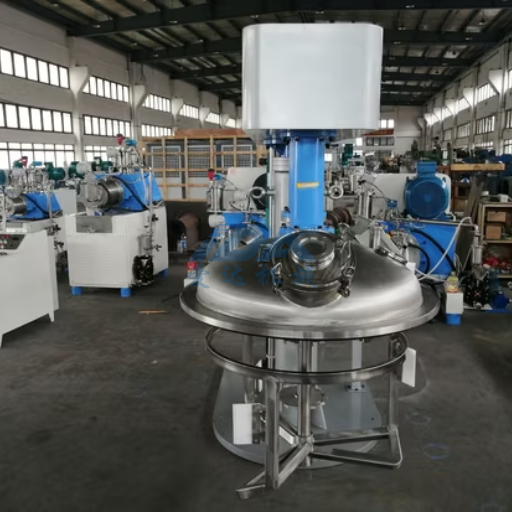
According to recent search engine statistics, there is a high growth of queries on various search engines showcasing the need for new generation mixers, where Vacuum butterfly mixers play a key role in a contemporary production process. It is designed for effective mixing of materials with high viscosities, especially in the manufacture of paints and finishes, as well as adhesives and sealants.
The vacuum in question is the one which eliminates the air bubbles present during mixing to produce a uniform presentation which has no bubbles, to be exact since it is necessary to ensure the same functional efficiency. Manufacturers are able to adopt Vacuum Butterfly Mixers which are capable of handling complex formulas even those which are made of environment friendly water based systems. Their solid structure allows management of shear forces and temperature thus avoiding issues of defects in a batch and thermal degradation of delicate components.
Benefits of Using a Butterfly Mixer
⚡ Efficiency
Handles thick and dense materials with ease. Two blades rotating in opposite directions ensure proper mixing and shear distribution, eliminating dead zones.
✅ Quality Control
Perfect balance of shear and flow systems minimizes clumps and variations. Helps reduce energy consumption while maintaining production standards.
⏱️ Time & Cost Savings
Up to 30% increase in processing time efficiency. Reduces production cycles, operational costs, operator labor, and machine hours.
Choosing a Supplier for Butterfly Mixers
Key Factors for Selecting a Supplier
📋 Supplier Selection Checklist
- Quality Assurance: Look for ISO accreditation and evidence of durable equipment with hardwearing capabilities
- Technical Support: Comprehensive usage instructions, spare parts availability, and remedial services
- Customization Capability: Ability to offer mixer designs with different configurations for specific processes
- Transparent Pricing: Clear cost structure and convenient delivery schedules
- Industry Reputation: Review testimonials, case studies, and standing in industry forums
- Innovation Focus: Investment in advanced concepts like energy-saving motors or digital control systems
Warranty and Support Considerations
When looking at the warranty and maintenance options for this butterfly mixer for paint users, it is essential to understand and aim on the various warranty offer coverage and the after sales support. In some cases, warranties might also include wear and tear components for example motor or gearbox or seals excluding manufacturing faults. As a standard practice in the industry, the warranty span can be from one to three years but there are other options of paying for an extended warranty which gives further reassurance to the user regarding usage over a considerable period of time.
🛠️ Support Services to Look For
- 24/7 helpline numbers for technical assistance
- On-site technician support for problem resolution
- Readily available spare parts for exchange or repair
- Online instruction manuals and troubleshooting guides
- Preventive maintenance programs
Leading Brands in the Marketplace
Search engines’ recent reports suggest that the leaders of the niche regulated industries see the need for customization in order to match reliability with customer satisfaction. Every time, names such as Caterpillar and John Deere are at the top of the list because of the integration of advanced diagnostic systems into their equipment which has extended warranty periods and proactive pricing of these services.
Furthermore, some companies, for example, Kubota and Komatsu, with their IoT implementations, make full use of their products as of now. These changes respond to the call for improved predictive maintenance methods to prevent unexpected breakdowns. Based on search engine data, it appears that organizations that have dedicated their resources to innovation – from users’ point of view, exceed the others in the market consumer search engine index.
Frequently Asked Questions
Reference Sources
📌 Key Takeaways
- Butterfly mixers excel at handling high viscosity materials above 50,000 centipoise
- Double shaft designs offer superior performance for demanding applications
- Modern vacuum systems eliminate air bubbles for flawless finishes
- Proper maintenance and supplier support are critical for long-term success
- Energy efficiency and sustainability are driving innovation in mixer technology