Get in Touch with IDA

Electronic Paste Types & Three Roll Mill Selection Guide

Contents
show
When the subject revolves around producing high-quality electronic pastes, precision and consistency are held as the pillars of the process. Of literally many of the road dependent tools used in this process, the three-roll mill stands out as one such tool that has a significant impact on the reliable operation and high performance of the electronic pastes. But what really is a three-roll mill, and why is it so important in the development of electronic pastes? This guide will discuss the important aspects of three-roll mills with regard to the manufacture of electronic materials and how they enrich the paste quality, uniformity, and performance. This article equips you with an awareness of how such a noble machine functions, offering practical tips and expert knowledge.
Introduction to Electric Paste Grinders

Understanding the Basics of Grinding Machines
Grinding machines are among the most necessary equipment used in the processing of materials into very fine particles or in the obtaining of certain uniformity and texture. All grinding machines apply forces mechanically such as compression, shear, or impact to solids and that makes the material smaller. For the production of electronic paste, it is the grinding machines that make sure that the particle size of the materials is the same and that it is within the set standards for the production process.
There are many types of grinding machines but the major ones are ball mills, three roll mills, and high-speed dispersion machines. Although each one of them serves slightly different industrial needs, they all work in a very similar manner. For instance, three roll mills apply the force of shear, which is produced by rollers, to mix and disperse the material very finely; they are thus compatible with viscous pastes. In contrast, ball mills produce the grinding and impacting action between the rotating chamber and the grinding media.
The choice of the grinding machine is influenced by a number of factors, such as the application intended, the properties of the materials to be ground, and the degree of production efficiency desired. In case your concern is getting the highest throughput or you want the finest dispersions, then it is very important to know the strengths and weaknesses of each grinding technology as this will affect the decision regarding the right solution for your manufacturing requirements.
The Importance of Three-Roll Mills for Electronic Paste
Making electronic pastes of high quality is a process that to a great extent relies on three-roll mills because these machines can disperse and make particles very precisely and uniformly. The three rolls that are arranged horizontally and rotate at different speeds are what these machines consist of and they are responsible for the shearing and refining of the particle size. Through this shearing action, the agglomerates are dismantled effectively leading to the production of a paste with uniform texture and quality. In electronic applications where consistency is crucial, three-roll mills give a dependable solution to the production of uniformity to the extent of these standards.
One of the main benefits of using three-roll mills is their ability to work with very thick materials which are widely used in electronic pastes. The perfect mixing of the conductive or non-conductive particles in the paste is the main factor that determines the electrical performance of the product. By adjusting the gap settings between the rolls, the manufacturers can easily control the milling process and thus, they can make the paste’s properties fit the requirements for the specific application like screen printing or coating.
Furthermore, the use of three-roll mills has a positive impact on the overall plant’s productivity. The machine being strong in design is able to run non-stop even while waste is being kept to the minimum which makes it a reasonable choice in terms of cost for high-capacity production. The control they provide is high and thus, repeatability is assured; this is of utmost importance in the production of electronic components where consistency is a must. By controlling the dispersion of the particles and the quality of the paste, three-roll mills enable the manufacturers to comply with the strict regulations of the electronics sector.
Key Features and Benefits of Electric Paste Grinders
Efficiency in Grinding Different Materials
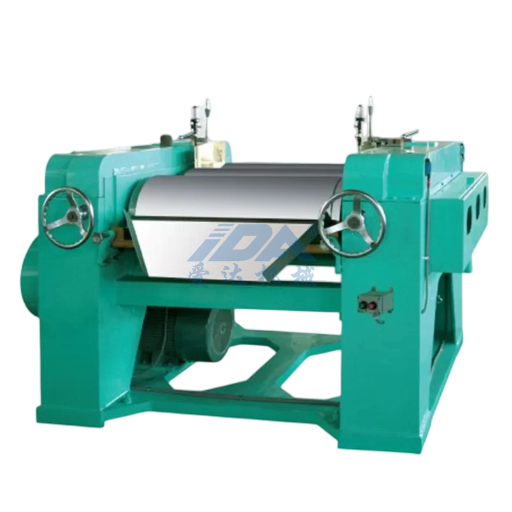
Electric paste grinders are the most versatile processors for a wide range of materials, and they achieve this with precision and uniformity. They are built to process materials with different consistencies, that is, from thick pastes to the most liquid ones, and still guarantee the best texture and quality. These grinders use the efficient way of functioning by the help of adjustable settings which let the manufacturers set the process according to the specific requirement giving the high-quality output suitable for various industrial needs.
One of the main benefits of electric paste grinders is their ability to keep the same particle size throughout the whole grinding process. This uniformity is very important for the electronics industry, for instance, where uneven particle dispersion can affect the performance of the product. Electric paste grinders thus not only deliver reliable and uniform results but also help manufacturers comply with strict standards while improving the quality of the product.
Moreover, electric paste grinders also play their part in the cleansing of production workflows as they cut processing time and material waste down to a minimum. The way they are built makes it possible to grind much faster, but without losing the accuracy aspect, which means that costs are cut and productivity is increased. This is what makes them a must-have in industries where precision and efficiency in material handling are the two main requirements.
Consistency in Texture
Texture consistency is very important in grinding operations, particularly in high-precision and uniformity-demanding industries. The electric paste grinders are the heroes of this process: the state-of-the-art grinding mechanisms are taking the delivery of this consistency by making sure the whole process produces even-sized particle. This uniformity is a must in such industries as food, cosmetics, and industrial materials handling where a tiny deviation in texture could easily lead to quality standards not being met.
One of the factors which contributes to consistent texture is the character of electric paste grinders to work at controlled speeds and pressures. These machines can be more precise adjustments and in this way, they, operators can, without the risk of over-grinding or producing too much heat, get the required texture. The control of the process is at such a high level that the quality of the product is determined in accordance with requirements and at the same time, its physical and chemical integrity is not affected.
Moreover, electric paste grinders reduce the risk of human mistakes by taking over, in a huge way, the grinding process automatically. The automated systems, unlike the manual ones, provide replicability and accuracy and this implies that every batch is identical. The consistency not only raises the quality of the final product but also increases the total efficiency in production processes by removing the necessity for rework or extra processing.
Durability and Design of Stainless Steel Models
Electric paste grinders stainless steel models are the most durable and toughest ones in the market. The material used is stainless steel that is intrinsically not affected by rust, corrosion, and wear making it a good choice for long and heavy-duty use. This long-lasting quality makes sure that the machine will be able to do various grinding tasks for a long time even in the case of being surrounded by moisture or acidic ingredients. Moreover, the strength of the material minimizes mechanical breakdowns thereby prolonging the life of the equipment and reducing the cost of maintenance.
It is not uncommon that the design of the stainless steel models is geared towards function and user-friendliness. The ease of cleaning and maintenance along with the smooth surfaces and ergonomic layouts of these grinders contribute to hygiene which is very important for food and paste production. Non-slip bases, enclosed grinding mechanisms, and easily accessible controls are some of the safety features that many models have. This meticulousness guarantees that the workers can carry out their duties not only efficiently but also in a safe manner in compliance with the industry standards.
Moreover, the fact that stainless steel is a polished material is not only a professional appearance but also a reason why these grinders are favored in commercial places. As a matter of fact, the modern and sleek design mostly matches the aesthetic standards of the kitchens and production facilities. Apart from the aesthetics, the material’s strength and resilience enable the manufacturers to come up with compact but powerful designs without affecting performance. In the end, the stainless steel models become a blend of durability, efficiency, and aesthetic design thus being a dependable option for both small and industrial operations.
Comparative Analysis: Electric Grinders vs Traditional Manual Grinding
Speed and Convenience of Electric Grinders
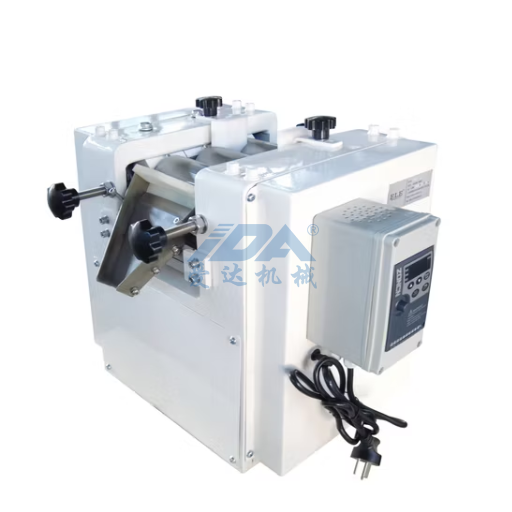
Electric grinders not only supply the maximum speed but also comfort when compared with the traditional manual grinding methods. Their strong motors are the primary factor that cuts down the grinding time greatly. In contrast to manual grinders whose operation depends on physical exertion, electric grinders work smoothly with the press of a button thus, they are perfect for busy places where only efficient machines are tolerated.
Uniformity is among the main benefits of electric grinders. These devices are built to give uniform results letting only the common operator do the job masterfully without even a supervisor being around all the time. This way the inconsistent output often linked to manual grinding is eliminated thus everybody gets his/her quality standard met each time. Moreover, electric grinders together with the user can process bigger amounts of materials at once; thus, they not only increase the productivity but also lessen the fatigue of the operator.
Another major positive aspect is their widespread application. The majority of electric grinders offer the option to fine-tune the parameters such as the size of the grind; thus the user can adjust the grind to his t taste or rather the requirement of the specific application. This kind of flexibility in operating range can be very valuable in many domains from preparing food to industrial usage. In summary, electric grinders are an excellent modern tool that can replace the old-fashioned, time-consuming and exhausting manual grinding without any sacrifice in quality.
Quality of Grind: Electric Mills Performance
Electric mills are, by and large, the best grinding machines that are available on the market. Their precision mechanisms and advanced motorized systems make them very accurate and therefore reliable for excellent quality and consistent grinding. These machines are very good at the size of the ground material not being mixed. This is very important for cooking, brewing, and industrial processes. Manual grinders cannot compare with the consistency of electric mills which gives optimal results with every use.
The ability to adjust is one of the main features that electric mills provide. Users are allowed to select the coarseness or fineness of the grind according to their needs. This can be noticed a lot in the culinary world where various recipes require certain sizes of grind specifically, for instance, coarse grounds for a heavy spice rub or fine powder for light baking techniques. Industrial applications benefit this way because imprecision in particle size may result in wastage of energy and other resources as well as poor quality output in the process.
The automation of electric mills is another thing that makes them different from the rest. When compared with manual grinding devices, they auto grinding devices greatly cut down the time and effort required for grinding. They consume less human energy while keeping up the same throughput and this is due to their automation and user-friendliness characteristics. The combination of performance, flexibility, and efficiency makes electric mills a must-have tool for consistent grinding quality.
Safety Tips for Operating and Maintaining Electric Paste Grinders

Essential Safety Precautions During Use
Read the Instruction Manual:
The user’s manual should be thoroughly read before an electric paste grinder is operated. It assures the acquaintance with the machine’s characteristics, operations, and possible dangers.
Use the Grinder on a Stable Surface:
The grinder should always be placed on a level and steady surface. Unsteady arrangements will bring about accidents, particularly if the machine is operating at high speeds.
Avoid Overloading:
Grinder’s capacity should not be increased beyond its specified limit. It can cause overheating, reduce machine’s efficiency, or even lead to mechanical failure. For instance, the studies recommend that machines should work at 70-80% of their maximum capacity to eliminate wear and tear.
Wear Appropriate Safety Gear:
For protection against cuts, the use of protective gloves and safety goggles is mandatory while grinding. Safety precautions say that more than 40% of minor injuries in food processing are attributed to inadequate protective gear.
Unplug After Use or During Maintenance:
Always shut down and unplug the appliance when not in use or before cleaning and maintenance. Electrical safety organizations’ reports indicate that more than half of workplace accidents with small machines result from oversight during cleaning or repairs while the appliance is still connected to the power supply.
Avoid Contact with Moving Parts:
Never make direct contact with the device using either your hands or tools during its operation. To ensure a safe and controlled feed of materials into the grinder, use the pusher or guard, and always stay your hands away from the parts in motion.
Regularly Clean and Inspect:
Grinder cleaning after every use should be done without any hesitation to completely avoid clogging and contamination. Periodic blade, seal, and wire inspections to check for wear are also very important for safe and efficient operation.
If the users adhere to these crucial safety measures and are aware of the latest operational practices, not only they can protect themselves but also the electric paste grinders’ lifetime will be longer.
Maintenance Techniques to Extend Service Life
Among the maintenance practices, cleaning and checking are the principal ones that are to be done on electric paste grinders to ensure the performance of the grinders at their best for longest possible periods. In the light of the latest data, the following techniques are being recommended in the most elaborate manner:
Regular Cleaning and Inspection:
The equipment shall be cleaned after every use, as it is the only way to isolate the equipment from the residue buildup, and thus preventing clogging and contamination. The results of the studies are that daily maintenance can increase the lifespan of the machine by as much as 30% compared to the machines with cleaning being done at random intervals. Special care is to be given to the areas of blades, seals, and the grinding chamber, as those parts of the machine are usually covered with residues more than any others.
Lubrication of Moving Parts:
The use of food-grade lubricants on key moving parts like motor-bearing and sealing can minimize both friction and wear. In support of this, it has been put forward by recent studies that the application of lubricants on the components can lead to performance improvement by 20% and also contributes greatly to prolonging their lifespan.
Blade Sharpening and Replacement:
Blades that are not sharp enough can cause unnecessary load on the motor of the grinder thus producing low quality output and increasing the chances of overheating respectively. Dull blades are usually replaced after 100-150 hours of usage or if there is significant wear observed then the manufacturer recommends replacement. Regular monitoring will give control over precision and smooth operation.
Electrical Component Checks:
When wires, plugs and circuits are regularly checked they can be a source of identification of potentially unsafe or low operational effectiveness signal problems through their connections’ weakening or damage. Each power line’s professional inspection is recommended every six months by specialists to ascertain its health that can help avoid 10%-15% of unplanned machine stoppages caused by the faults in electrical systems.
Use of Quality Ingredients:
Materials that are very hard or very abrasive need not be used as they will only wear down the internal components of the grinder excessively. The use of the ingredients within the density and texture range prescribed in the user manuals will help keep the grinder efficient. It is reported that repairs can be reduced in terms of costs by 25% if the recipes are complied with.
Adhering to Manufacturer Recommendations:
Adhere to the manufacturer’s maintenance program meticulously and apply only those spare parts that are compatible with the device. As per the information obtained from industrial surveys, the number of premature equipment failures caused by either using unapproved parts or neglecting maintenance can be estimated at approximately 40%.
Through the application of these maintenance practices and the constant awareness of the industry changes, the grinder will always be kept safe, reliable, and efficient.
Common Issues and Troubleshooting Guide
Grinder Fails to Start
Possible Causes:
- Power supply problems, including disconnection of a cable or a circuit breaker that has been tripped.
- Power switch that is defective or has undergone wear and tear.
- Motor inside the machine has broken down or is being obstructed.
Solution:
- Check that the grinder is properly connected to a power outlet that is working. If the circuit breaker is off, check it and reset it if necessary.
- Carefully examine the power switch for any signs of wear or damage; if there are any, then the switch should be replaced.
- If the motor seems to be not working or stuck, turn off the power and then look for dirt or obstructions. For repairs related to internal motor issues, it would be best to hire a professional technician.
Uneven Grinding Performance
Possible Causes:
- Dull or damaged knives.
- Incorrect adjustment of grinding settings.
- Buildup of debris impeding operation.
Solution:
- Dull or worn-out blades must be checked and replaced on a regular basis.
- Make it a point to verify the grinding settings in order to ensure they are suitable for the particular material being processed.
- The grinder gets a thorough cleaning with particular focus on the blade areas so that no debris is allowed to come in between and hamper the performance.
Adopting these very simple troubleshooting steps users can effectively solve the common problems and at the same time keep their machines working smoothly and reliably. In case the situation does not change, always rely on professional help to prevent the damage from spreading.
Buyer’s Guide: Choosing the Right Electric Paste Grinder
Factors to Consider: Capacity and Power
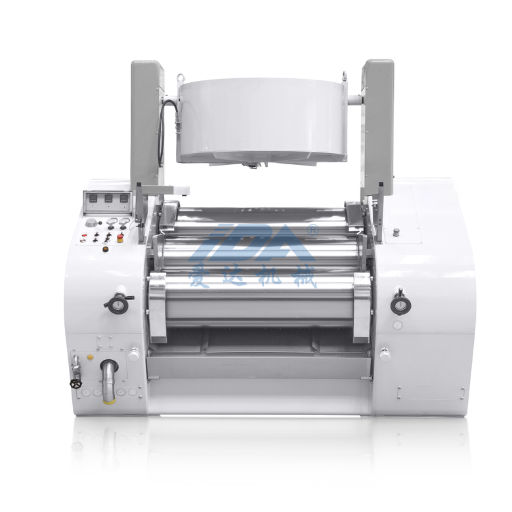
The first and foremost consideration when choosing a pastry dough kneading machine is its capacity of: the capacity of the machine should correspond to the end use of the user: small scale home needs or large commercial scale production. Occasional users are provided with small grinders with lower capacities, on the other hand, also offered are huge capacities continuous feeding of large volumes of processes. Over estimating one’s requirements might lead to an inappropriate purchase of an oversized machine, while underestimation will lead to inefficient use or overuse.
Power is necessarily the supreme consideration in this context; in deciding on its wattage, one will actually be deciding that way on his ability to shed for him the privilege of grinding one type of material after another without any recurrence of those moments of disappointments caused by lack of power. Lower power in that case may force the investment of a lot of time into preparing a dense hard-to-grind product before the power is found to run at grossly slow speeds with strained motors-and that is being seen to wear an appliance down very quickly. It will be of much end if high wattage can be achieved, making your grinding job a hassle-less, smooth affair soon to clear the way for long what you mean by studies about high-speed motor.
The suitability of both capabilities and power considering one’s own needs is the best scenario to look for in an espresso machine. Machines with high capabilities and less power are not effective if you plan on processing a large batch of coffee, slowing down the production time; in contrast, machines with high capacity and are capable of grinding for a longer time to which however they may need more frequent refilling. By weighing out these two factors, one will conclude: you will be able to have the finest coffee machine for your operations, deliver a good job; however, it will have few drawbacks than the alternatives.
Material Decisions: Stainless Steel or Others
Stainless is the material for grinding machines that is so often chosen by manufacturers for the traits like toughness, rust resistance, and ease of maintenance. So, it is commonly found in food processing industries and other places where cleanliness and life are required. Stainless steel also presents an aesthetic quality with its shiny and professional appearance. Staining and odor residues do not stick to stainless steel, thus keeping the grinder hygienic and efficient over any length of time.
Other materials like aluminum, plastic, or ceramic could be chosen based on specific needs. Aluminum would be preferable for its lightweight and affordability, although it is not as long-lasting as stainless steel. Plastic is the most inexpensive and lightest but not very durable, which means it might not be able to take very heavy-weights or many years’ worth of heavy use. Alternatively, the ceramic might be another interesting one since it is so hard to rust or snap, but it remains significantly fragile, making it prone to breakage and chipping in heavy-use applications.
Most clients go for stainless steel as they are searching for high performance, long life, easy maintenance product. Alternatives have their relevant uses or come in a price range; they are more often than not not as durable and of lower quality. Feel not compelled to quickly decide; take time and reflect on your current needs to find best future material for the outcome of your operations at hand.
Detailed Guides by Paste Type
Frequently Asked Questions (FAQ)
Q: What types of electronic paste require three roll milling?
A: Several types of electronic paste benefit from three roll milling, including conductive silver paste for photovoltaic cells, solder paste for SMT assembly, thick-film resistor paste, LTCC (Low Temperature Co-fired Ceramic) paste, screen-printed and UV-curable functional ink for membrane switches and RFID antennas, and battery electrode slurry. Each paste type requires different roller materials and gap settings to achieve optimal particle size distribution and homogeneity for reliable electronic performance. See our screen-printed and UV-curable ink guide for rheology and heat-sensitivity considerations specific to those two paste types.
Q: How does paste viscosity affect three roll mill selection for electronic applications?
A: Paste viscosity is a critical factor in mill selection. High-viscosity pastes (above 100,000 mPa·s) such as silver paste and thick-film inks require hydraulic three roll mills with higher nip pressure for effective dispersion. Medium-viscosity formulations (10,000–100,000 mPa·s) can be processed on standard manual three roll mills. The roller diameter, speed ratio, and gap adjustment precision should all be matched to the viscosity range of the target electronic paste.
Q: What particle size targets apply to different electronic pastes?
A: Target particle sizes vary by application: photovoltaic silver paste typically requires D50 below 3μm for optimal conductivity; solder paste for fine-pitch SMT needs particles in the 25–45μm range (Type 4) or 15–25μm (Type 5); thick-film resistor paste demands sub-5μm particles for precise resistance values. A three roll mill can achieve these targets through multiple passes with progressively tighter gap settings, typically starting at 20μm and finishing at 1–5μm depending on the application.
References
- Ultrastretchable Conductive Elastomers with a Low Percolation Threshold
Explains the use of a three-roll mill for processing conductive elastomers with precise roller gap settings.
- Formulation and Evaluation of Resistive Inks for Applications
Details the use of a three-roll mill for re-dispersing pigments in resistive ink formulations.
- United States Patent: Crain et al.
Covers the application of three-roll mills in the production of electrically conductive inks for printed electronic devices.
- Professional Three Roll Mill Manufacturer