Get in Touch with IDA

Pneumatic vs. Electric IBC Mixers: A Comprehensive Comparison of Industrial Mixing Equipment

Contents
show
Mixing is a very important process across chemical production, food and beverage making, and many other industrial sectors. The Intermediate Bulk Container mixer has become the most reliable and necessary tool among all, providing the mixture quality, effectiveness in operation, and control in the amount of mixing that is needed when liquid or semi-liquid materials are being handled. The major dilemma generated by the professionals in the industry is still the same: should you opt for pneumatic or electric IBC mixer? This thorough analysis will look at both technologies closely, and will compare the performance characteristics, operational efficiency, safety protocols, and requirements for maintenance which can support your decision-making.
Introduction to IBC Mixers
What are IBC Mixers?
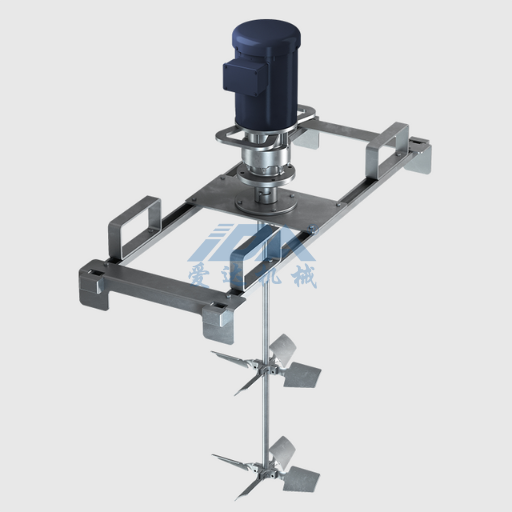
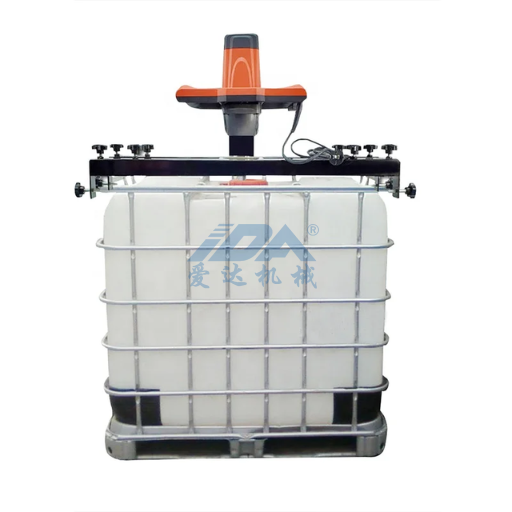
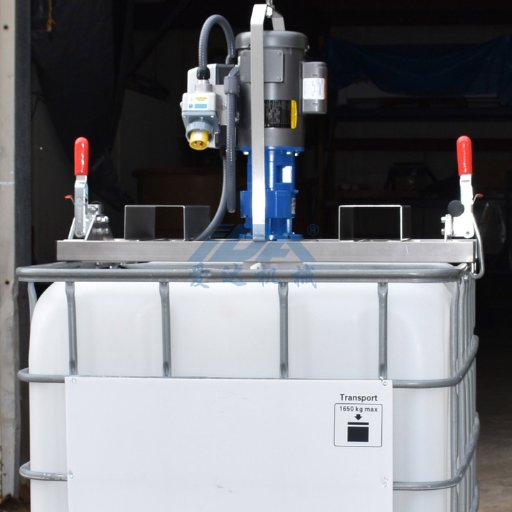
IBC mixers are industrial machines created to mix or stir up the substances inside IBC containers. These containers, which are usually cubic in shape, are made to hold and move liquid or semi-solid bulk materials in an efficient way. The mixing of the substances with IBC mixers is so versatile that it can even produce homogeneous dispersions and avoid sedimentation.
According to the latest industry data, the sectors of chemical, food and beverage, pharmaceutical, and cosmetics have become more and more reliant on IBC mixers in recent years because of their portability, ability to adapt to different container sizes, and capability to handle different viscosity ranges. Technology has played a major role in improving IBC mixer performance with the reduction of energy loss during mixing and better uniformity of particle distribution as signs of the enhancement.
Incorporation of pneumatic or electric drives into IBC mixers guarantees strong performance and at the same time assures adherence to the strictest hygiene and safety practices that are prevalent in various industries.
Importance of Choosing the Right Mixer
Choosing the right mixing equipment is very important to keep industrial production processes in chemical, pharmaceutical, and food manufacturing operations efficient and consistent. Presently, some research trends and industry statistics show that users are looking for more versatile mixers that can deal with a wide range of material properties, such as viscosities and shear sensitivities, to name a few. This underlines the need for very exactly matched equipment meant for the particular application’s needs.
To illustrate, high-viscosity applications may call for special impeller designs to mix the primary fluid without its components losing their quality. Besides, energy-efficient technologies and regulatory compliance have become the top priorities, this is shown through the growing demand for sustainable and hygienic mixer solutions.
If a mixer of the above-mentioned characteristics is chosen, it will reduce material waste, cut down operating costs, and guarantee an excellent quality yield.
Overview of Pneumatic and Electric Mixers
Pneumatic and electric mixers form the backbone of industrial mixing processes, each offering distinct advantages for specific blending requirements.
Pneumatic Mixers
Pneumatic mixers run by compressed air and are majorly used in sectors that prioritize safety. This includes industries dealing with flammable or explosive materials. Electric-free construction removes the possibility of fires, therefore, these mixers can be used in very hazardous areas which correspond to ATEX or ANSI/ISA standards.
One of the key features of these mixers is their ability to consistently monitor speed and torque, especially in the case of viscous materials such as adhesives or resins which offer significant resistance during mixing.
Electric Mixers
Electric mixers function through electric motors, in which they provide steady and dependable performance in safe areas. Generally, they take up less power compared to pneumatic systems since they efficiently convert electrical energy into mechanical energy and lose little of it.
Electric mixer technology has advanced to brushless motors and digital speed controllers that prolong the life of the components while meeting the accuracy for controlling the blending under very smooth conditions set.
According to the industrial information, major factors that influence decisions when comparing these types of mixers are energy efficiency, cost of operation, and safety features. Nowadays, industries focusing on energy efficiency are opting more for electric mixers, but pneumatic mixers are still dominating the market in hazardous areas needing safe operations. Finally, the decision about whether to use pneumatic or electric mixers relies mainly on the characteristics of the application such as safety, energy consumption, and torque requirements.
Technical Differences Between Pneumatic and Electric Mixers
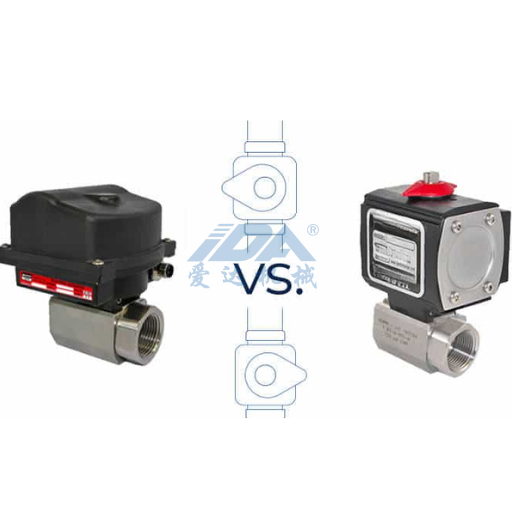
Power Source: Air vs. Electric
| Characteristic | Pneumatic Mixers | Electric Mixers |
|---|---|---|
| Power Source | Compressed air | Electric motors |
| Safety Profile | Safer for hazardous environments; minimizes ignition risk | Requires explosion-proof housing in hazardous areas |
| Power Delivery | High power output; operates in extreme conditions without overheating | Reliable and precise power; highly efficient for extended processes |
| Energy Efficiency | Lower efficiency; higher operational costs | Higher efficiency; reduced power consumption |
| Maintenance Requirements | Moderate; simpler construction but requires air system maintenance | Lower frequency but potentially higher repair costs |
Recent search trends indicate electric mixers are attracting industries focused on sustainability and energy effectiveness due to lower power consumption and reduced maintenance requirements. However, pneumatic mixers remain the preferred choice for sectors operating under hazardous conditions, valued for their explosion-proof features and dependability in extreme environments.
Mechanism of Operation
The operational mechanisms of electric and pneumatic mixers can be analyzed through technical examination combined with current industry data:
Electric Mixers
Utilize electromotive force from electric motors to generate rotational movement of mixing blades. Highly efficient in applications requiring precision, speed control, and energy optimization. User searches frequently target these mixers for applications prioritizing energy efficiency and low operational noise.
Pneumatic Mixers
Employ compressed air to generate torque, making them suitable for environments with strict safety standards, particularly where flammable materials or gases are present. Primarily sought in industries valuing safety against explosion risks and resilience in volatile conditions.
This clear operational division highlights the need for careful evaluation of application-specific parameters when selecting mixer types.
Variable Speed Control Options
Aggregated query data reveals that users place high value on accuracy and versatility across diverse applications when considering variable speed control options.
Electric Mixer Speed Control
Variable speed control is a must for those processes where mixing intensity needs to be changed very delicately – the control of speed helps to improve the quality of the material and at the same time also increases the accuracy of the process.
Pneumatic Mixer Speed Control
Variable speed control serves crucial roles by allowing operators to simultaneously manage torque and temperature in explosive or high-temperature conditions. This feature ensures both safety and process efficiency.
Ultimately, speed control selection depends on specific technical and environmental requirements of the application, emphasizing the need for targeted rather than random product selection.
Performance Benefits of Pneumatic vs. Electric Mixers
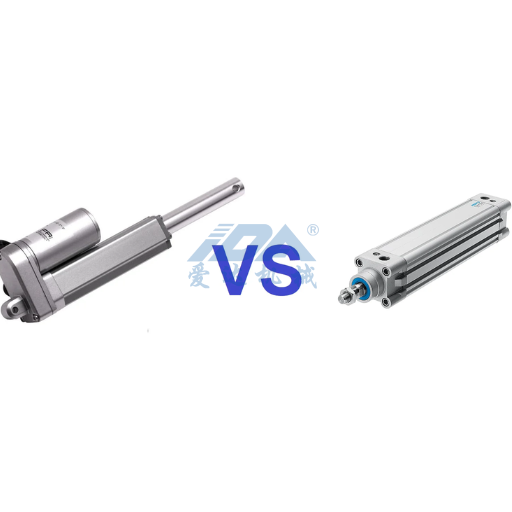
Torque and Speed Control
In terms of torque and speed management, pneumatic mixers reveal their superiority in industries that demand accurate and variable dosing. The pneumatic systems enable the instantaneous torque change just by varying the air pressure supplied to the motor. This aspect is extremely helpful for keeping the performance output uniform over diverse mixing needs, especially for the materials with high viscosity.
On the other hand, electric mixers generally use Variable Frequency Drives (VFDs) and electronic accessories for the control of speed and torque, which might lead to slower interventions and necessitate the use of elaborate electronic components.
Industry Preference Insights
Recent search engine data shows increasing adoption of pneumatic systems in explosive atmospheres or high thermal exposure environments. User search patterns indicate that when selecting torque control solutions, safety and mechanical reliability are prioritized over extensive functionality.
Electric mixers are very energy efficient and quiet but pneumatic mixers are still the preferred option in situations where safety concerns are most important. The decision whether to use pneumatic or electric mixers should be made carefully taking these points into account in order to meet both technical requirements and environmental considerations.
Efficiency in Mixing Various Materials
Mixing efficiency for different materials is significantly influenced by the physical and chemical properties of materials involved, as well as the technology employed. Viscosity, particle size distribution, and homogeneity specifications substantially impact mixing equipment performance.
Material-Specific Applications
- Low-Viscosity Fluids: This segment is mainly occupied by electric mixers, which are known for their accuracy and control, thus, achieving perfect blending with the least energy consumption.
- High-Viscosity Materials: High-viscosity or non-Newtonian materials, which are often met in industrial or chemical processes, need pneumatic mixers to create such a power and torque that would be very consistent.
- Hybrid Solutions: Current data show a growing curiosity about hybrid solutions that join electric system precision with pneumatic setup durability, particularly for mixed material processing under fluctuating environmental conditions.
This analysis illustrates the significance of selecting equipment that matches material specifications and working environments to achieve optimal efficiency.
Energy Consumption and Cost Analysis
Energy consumption emerges as a critical factor in operational cost-effectiveness of mixing equipment. Pneumatic systems, despite their robustness and ability to operate under harsh conditions, are typically energy-intensive, resulting in inefficiency and contributing to increased utility costs over time.
| System Type | Energy Profile | Cost Implications |
|---|---|---|
| Pneumatic | Higher energy consumption; less efficient conversion | Increased long-term utility costs |
| Electric | Advanced motor technology; higher energy savings | Reduced waste; precise process control |
| Hybrid Systems | Optimized energy use combining both technologies | Balanced initial investment with operational savings |
Electric systems that use the latest in motor technology get the most energy savings through waste reduction and accurate process control. Recent searches show a steady rise in the interest of hybrid systems that mix electric and pneumatic parts for the purpose of optimizing energy use without losing performance.
These hybrid systems lower operational costs through energy-efficient electric technologies and pneumatic reliability especially in industries with changing demand conditions. The choice of such systems backed by high-level analytics and data trends enables companies to get a grip on not only the initial equipment investments but also the long-term savings and efficiency for the best return on investment. This is in line with the growing demand in industrial applications for sustainable and cheap energy practices.
Safety Considerations in Industrial Environments
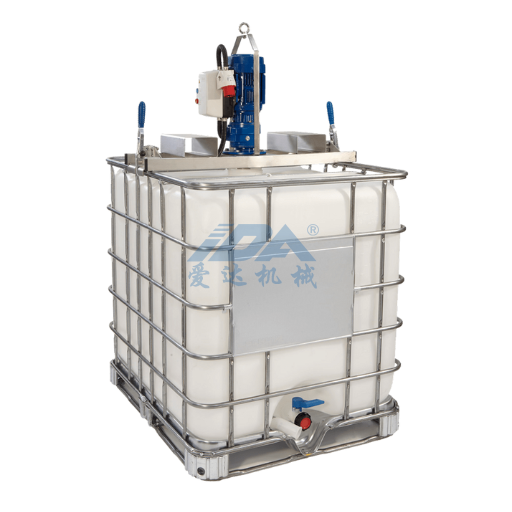
Hazardous Environments and Equipment Safety
Hazardous environments pose specific difficulties that can only be addressed through careful planning and the application of very reliable safety measures. The oil and gas, chemical manufacturing, and mining industries are some of the ones that operate very often under conditions that expose their equipment to, for instance, extreme temperatures, chemical reactions, flammable gases, or high-pressure systems.
The safety of equipment in these places is a matter of strict compliance with the applicable regulations such as OSHA and IECEx certifications, and the use of intrinsically safe devices that ensure the equipment will not become a source of ignition.
Advanced Safety Technologies
- Predictive Maintenance Systems: Implementation of cutting-edge predictive maintenance systems enables proactive equipment monitoring and failure prevention.
- IoT-Enabled Sensors: Adoption of IoT-enabled sensors provides continuous monitoring of environmental and equipment conditions, recognizing potential hazards before failure occurrence.
- Protective Materials: Application of fireproof materials, anti-corrosion coatings, and explosion-proof enclosures significantly increases equipment lifespan and dependability.
The combination of preemptive safety planning, state-of-the-art technology, and regulatory framework compliance enables risk reduction, worker protection, and operational continuity in the most challenging environments.
Best Practices for Using Pneumatic and Electric Mixers
Pneumatic and electric mixers are utilized in a variety of industries such aschemical processing, especially food manufacturing. For attaining the highest performance and safety, it is necessary to observe the best practices particular to each mixer type. The following significant guidelines are suggested according to the latest data and insights:
1. Know the Application
Take into account the viscosity, density, and other material characteristics. Pneumatic mixers are usually the best choice for hazardous or flammable environments owing to the fact that they do not create any sparks, whereas electric mixers in non-hazardous areas deliver the highest precision and control.
2. Maintenance and Inspections
Regularly inspect parts such as blades, shafts, and motor casings for signs of wear or damage. In the case of pneumatic mixers, take a look at the air supply pressure and airflow to ensure that the mixer is working consistently. For electric mixers, keep an eye on the voltage and check the connections to make sure they are secure.
3. Follow Manufacturer’s Guidelines
Always follow the manufacturer’s recommendations for load capacity, motor speed, and the duration of operations. Over-mixing or running beyond the prescribed limits can cause damage to the machines or lead to lower output.
4. Adopt Proper Cleaning Protocols
Utilize cleaning techniques that are appropriate for the materials being processed as well as the type of mixer used. In critical areas such as pharmaceuticals, opt for cleaning agents that are non-corrosive to avoid contamination or damage to the equipment.
5. Operator Training
Provide comprehensive training to prevent human errors. Operators should be trained to detect operational abnormalities and understand emergency shutdown procedures.
Strict adherence to these practices enables industries to maximize pneumatic and electric mixer capabilities while upholding productivity, safety, and durability standards. Furthermore, implementing advanced monitoring technologies like IoT-enabled sensors can significantly enhance mixer maintenance and diagnostics, paving the way for data-driven equipment management approaches.
Compliance with Safety Regulations
Adherence to safety regulations is a crucial component of industrial practices which also prolongs equipment life. Compliance with the standards of the Occupational Safety and Health Administration (OSHA) or ISO 45001 involves conducting frequent audits, keeping the documentation up to date, and training the staff thoroughly.
Particular OSHA stipulations consist of the installation of safety devices as required on machines, labeling of hazardous materials in the correct manner, and reporting of workplace accidents on a regular basis. Compliance monitoring that is based on the Internet of Things (IoT) and supported by data analytics plays an important role in non-stop compliance verification and in quick identification of noncompliance situations like temperature anomalies, gas leaks, or equipment behaving abnormally at real-time.
Data-Driven Compliance Management
The increasing use of data-driven technologies allows organizations not only to fulfill legal obligations but also to mitigate potential risks through predictive maintenance and automatic reporting tools. The recent search trend has shown that the use of compliance automation tools in the industry is on the rise, which has become a major factor in the prevention of noncompliance fines and the creation of safer work environments. Companies can through the combination of these cutting-edge technologies and strong internal policies take a more proactive and educated compliance position.
Cost-Effectiveness Analysis
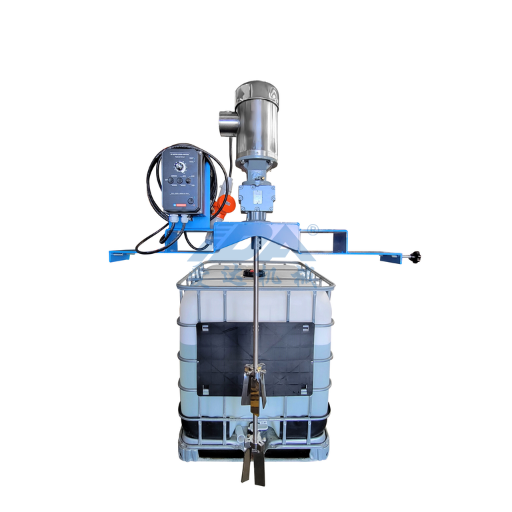
Initial Investment and Purchase Costs
Initial investment in mixer equipment encompasses not only direct purchase price but also licensing fees and additional expenses such as integration and training costs. Search data indicates that cloud-based solutions with scalable pricing models represent a major trend to consider, as they can reduce organizational upfront cost burdens.
Companies must conduct comprehensive total cost of ownership (TCO) analysis comprising initial outlays and future operational savings. Utilizing search trend data enables companies to select tools providing highest ROI while maintaining compliance with and adaptability to new regulations.
| Cost Component | Pneumatic Mixers | Electric Mixers |
|---|---|---|
| Equipment Purchase | Moderate to low | Moderate to high (higher for explosion-proof variants) |
| Installation | Requires compressed air infrastructure | Requires electrical infrastructure and potentially explosion-proof housing |
| Training | Lower complexity | May require specialized electrical training |
| Integration | Simpler integration with existing air systems | May require control system integration |
Operational Costs and Maintenance
The operational costs along with the maintenance requirements are the crucial factors that will determine the effective use and long-term sustainability of the technologies. Business organizations are now able to get the latest data insights through search engines which would allow them to spot the cost metrics and industry benchmarks that are trending, thus providing a more accurate forecasting of expenses and better management.
Data coming from the search engines has the possibility to indicate the rising interest in cost-efficient managed services or open-source solutions, which in turn, is a reflection of the changes in the industry preference. This situation may be interpreted as an indication that the technological investments are being made only in those areas that are good for long-term operation and maintenance and at the same time, the company is reducing its dependence on expensive proprietary tools by cutting down overall organizational operational costs.
Key Operational Considerations
- Pneumatic systems rely on compressed air, typically resulting in lower efficiency and higher utility costs
- Electric motors and control systems may require less frequent servicing but potentially higher repair costs
- Pneumatic mixers have simpler construction but require recurring air filter, valve, and compressor maintenance
- Predictive analytics based on usage trends can help organizations estimate future cost increases, leading to timely budget and resource adjustments for operational stability
Long-Term Financial Considerations
The latest search engine data together with long-term financial considerations can definitely be more precise now. Companies are able to do analyses of search trends and patterns, consequently getting instant access to market needs, competitive price structures, and changes in consumer habits.
To illustrate, a rise or fall in search frequency for certain raw materials or technologies could be a signal for price fluctuations or even disruptions in the supply chain. Companies can thus protect themselves strategically by switching to different suppliers, locking in goods at cheaper prices with long-term contracts, or nurturing new supplier relationships.
Strategic Financial Planning
The search data has the power to tell the businesses about the changes in demand at home or abroad, which would allow them to invest in the expansion of infrastructure or diversification of operations in order to capture the upcoming opportunities. This would turn the approach to financial planning of the firm into one that is more data-driven and flexible, hence, creating economic resilience that is sustained.
Frequently Asked Questions
What are the main differences between electric mixers and air-powered IBC mixers?
The primary differentiations between electric and pneumatic IBC mixers are their power sources, the output of torque, and control options available. Continuous torque generally provided by electric power is also more widely variable through the speed control of electric mixers as compared to pneumatic ones. On the other hand, pneumatic mixers powered by air motors are uncomplicated, hard-wearing, and suitable for dangerous conditions where electric power or sparks are issues. Operating costs can be different: electric and pneumatic industrial mixers have their respective disadvantages depending on prices of compressed air, electric power, and maintenance; it is crucial to check that the supply of compressed air or electricity will be enough for the operation of the selected mixer. Pneumatic mixers might be chosen for their simplicity and mobility; however, one still has to determine compressed air system requirements like air compressor size and valves. With electric direct-drive mixer applications, always be mindful of the risk of under-powering when torque vs. speed needs lead to poor performance; if necessary, contemplate gear-driven mixers or motor control upgrades.
How does variable speed control for electric mixers compare to pneumatic mixers?
Variable-speed control usually provides very fine adjustments through motor control systems and DC motor control or VFDs with electric mixers, making it possible to perform batches with identical quality consistently, and get energy saving. Pneumatic mixers driven by air motors generally use less sophisticated valve-based throttling systems for speed control which can be coarser but less precise than electric systems with their accompanying low-speed torque characteristics. Electric industrial mixing equipment with speed control is often the better choice for processes requiring close speed control or programmable profiles. However, if the facility’s air compressor and compressed air system are strong enough, pneumatically powered industrial mixers can still be very advantageous in hazardous areas where the danger of fire due to electrical power is present. When choosing between electric or pneumatic, one should also consider operating costs, compressor capacity, and whether drum mixer, tank mixers, or portable mixers are needed.
Are pneumatic mixers safe for hazardous environments compared to electric power mixers?
Pneumatic mixers are often utilized in risky zones because they do not generate sparks hence do not require electric power, and in addition, pneumatic-powered equipment may be specifically constructed to eliminate ignition sources. On the other hand, heavy-duty electric mixers might have to be fitted with explosion-proof motors or housings or be provided with the necessary certifications to be used in such areas, which increases cost and complexity. Pneumatic mixers are often considered as the recommended choice since they allow for a simpler air motor design with less routing of electrical power into flammable areas, but it is essential that the placement of air compressors and valves is done with care so as not to create a risk. For pneumatic mixers, it is important to make sure that the air supply and all pneumatic components are safe according to the standards set for the particular site, and if necessary, portable mixers should be grounded. Do not just look at the purchase price, but also installation, maintenance, and long-term operation across the entire range of the electric and pneumatic options.
What are the operating costs and maintenance characteristics of different industrial mixer types?
Operating costs are determined by the utility rates and the consumption of mixers: power is consumed by electric mixers, but their efficiency may be higher due to the proper duty cycle of the direct-drive electric designs. On the other hand, pneumatic mixers use compressed air, which is typically much less efficient than electricity and may result in operating costs higher than those of electric versions. Electric mixers usually demand different maintenance: electric motors and motor control systems may require less frequent maintenance but, in the event of a failure, the cost of repair could be higher than the case with pneumatic mixers, which are simple in the construction but might need recurring air filter, valve, and compressor maintenance. If there is already an air compressor installed in the factory, pneumatic direct-drive or portable mixers could be cost-effective solutions for short-term use. However, for continuous blending, the recommendation would be to go for the electrical power and variable speed control for electric units. Moreover, it is wise to compare gear-driven mixers with direct-drive electric mixers to suit the torque output requirements and to rule out under-powered electric direct-drive mixer complaints. In addition to this, consider in your calculations cost of ownership, availability of spare parts, and impact of downtime.
When would I opt for an air mixer or an electric industrial mixer for tank mixers and IBCs?
An air mixer is suggested in case of hazardous application, if the portable mixer of light weight is needed, or if a powerful air compressor is already installed in the location that can drive the mixer by compressed air easily. For an industrial electric mixer, choose it for applications with the need for very precise speed control, higher torque output at low speed, or lower operating cost in continuous power; consider variable speed control for electric options or direct-drive electric mixers for simplicity. If you are employing drum-type or tank-type mixers for thick substances, be careful as pneumatic-powered mixers may not be able to deliver the torque required, in which case gear-driven or electric-powered solutions may be more suitable. Besides, look at associated equipment such as valves, motor control components, and whether electrically and pneumatically powered industrial configurations will have an impact on the complexity of installation. It is important to check that the compressed air system is able to support the desired pneumatic mixers and that the electrical power capacity and safety ratings match the site conditions.
What practical factors weigh in when deciding on a powered pneumatic mixer against electric power mixers?
Areas influencing practical factors include available utilities (air compressor vs electrical power), noise levels (pneumatic mixers are generally louder than electric mixers), footprint and portability (pneumatic units and portable mixers may be lighter), and mixed material (viscosity and required torque output). Consider cost and complexity extent: systems powered electrically and pneumatically differ in initial cost, where explosion-proof electric systems are often costlier, whereas compressed air infrastructure can raise operational cost. Review available electric systems for the process being used: is it single-speed or variable-speed? An under-powered electric direct-drive mixer will produce poor mixing results, thus motor size and torque vs speed requirements must be matched carefully. If investing in new mixing equipment, check compressor capacity, valve sizing, and whether pneumatically powered industrial mixer or electric industrial mixing equipment package provides better total cost of ownership. Consult manufacturers about available options of gear-driven mixers, DC motor control, and compatibility with tank mixers and IBC configurations.
Conclusion
The final verdict on pneumatic versus electric IBC mixers will be influenced by a combination of factors, namely, the specific operational requirements, safety measures, and financial goals for the long term. Pneumatic mixers are great for dangerous places and they are very powerful even in the toughest of situations, but on the other hand, electric mixers are about energy efficiency, control accuracy, and lower costs during the entire life span. You will be able to choose the right mixing solution that fits perfectly with your industrial requirements and gives the best performance for your application by looking into the factors mentioned in this thorough comparison including power source, torque and speed control, energy consumption, safety compliance, and total cost of ownership.
Reference Sources
- Industrial Use of IBCs – EBSCOhost: Study discussing IBC use in industrial applications, including considerations for electric-powered mixers and operational efficiency.
- Development of Internal-Mixer Technology for the Rubber Industry – Allen Press: Exploration of internal mixer technology evolution, including electric-powered systems and their impact on industrial processes.
- IBC (Intermediate Bulk Container): A Safety Risk in Industry? – ScienceDirect: Examination of safety considerations for IBCs, including electric field strength role and implications for electric-powered mixers.
- IBC tank mixer