Get in Touch with IDA
Direct Drive vs. Gear Drive IBC Mixers: A Comprehensive Comparison

Contents
show
The selection of appropriate mixer technology directly impacts operational efficiency for industrial mixing solutions which serve various material processing applications. The two most widely used mixer types include direct drive and gear drive IBC (Intermediate Bulk Container) mixers which provide different benefits for various operational situations and material properties. The comprehensive guide presents a detailed evaluation of mixing technologies which shows their basic differences and their operational capabilities and their appropriate use cases to help you choose the best industrial mixing technology for your specific requirements.
Introduction to IBC Mixers

What is an IBC Mixer?
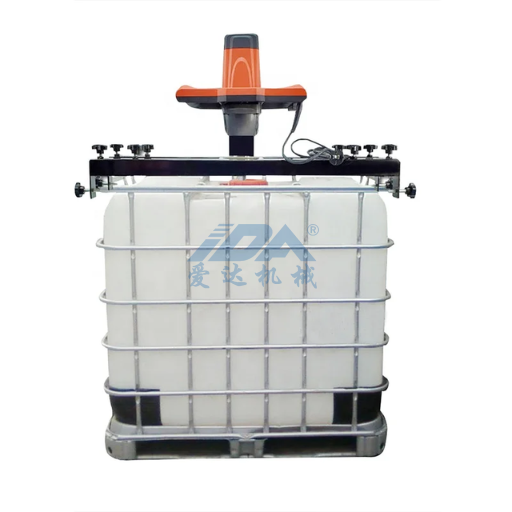
The IBC (Intermediate Bulk Container) mixer operates as a specialized machine which mixes, stirs, and creates uniformity among liquid and semi-solid materials that IBC totes hold. The mixers are specifically built to work together with standard IBC containers which industrial operations utilize across chemical manufacturing, pharmaceutical, food production, and cosmetics industries.
Key Features of IBC Mixers:
- Efficient Operation: Works inside the container without requiring content transfers
- Variable Speed Controls: Manages multiple viscosity levels from low-viscosity liquids to heavy slurries
- Contamination Prevention: Streamlines mixing procedures while preventing contamination
- Versatile Operations: Enables re-suspension, emulsification, and blending operations
Types of IBC Mixers: Direct Drive vs. Gear Drive
The basic structure of IBC mixers divides into two main categories which use different driving systems to achieve their particular operational functions and performance objectives.
Direct Drive Mixers
Connection Type: Motor connects directly to mixing shaft
Speed Capability: Maximum rotational speed for fast mixing
Best For: Low-viscosity liquids requiring rapid mixing
Maintenance: Simplified maintenance with fewer mechanical losses
Limited effectiveness with dense materials
Gear Drive Mixers
Connection Type: Gearbox system decreases speed, boosts torque
Power Output: Sufficient power for high-viscosity fluids
Best For: Slurries, solid particulates, dense materials
Operation: Precise mixing with controlled speeds
Requires regular upkeep due to complex design
Selection Guide: Application requirements including fluid viscosity, mixing speed, and torque requirements should be the main factors guiding your choice between direct drive and gear drive IBC mixers.
Importance of Choosing the Right Mixer
The correct IBC mixer selection serves as a vital process which enables industrial mixing operations to function at their most efficient level because it determines how mixing activities will proceed and which products will be produced and which machines will keep running.
| Selection Factor | Impact on Operations |
|---|---|
| Energy Efficiency | Reduces operational costs and energy consumption |
| Application Compatibility | Ensures proper blending and product quality |
| Cost-Effectiveness | Minimizes equipment failure and maintenance costs |
Critical Note: The wrong mixer choice will lead to poor mixing results which will cause higher maintenance costs while hurting product quality. The selection process requires in-depth knowledge about process needs, fluid characteristics, and mixer operation capabilities.
Understanding Direct Drive IBC Mixers

Direct Drive Mechanism Overview
The IBC mixer direct drive mechanism transmits motor power directly to the impeller without using any belts, gears, or other intermediate components. The system design achieves minimal mechanical losses through its direct drive design which produces efficient energy consumption together with stable torque performance.
Operational Advantages:
- Delivers power instantly for uniform mixing
- Operates best with low-to-medium viscosity fluids
- Produces less noise than gear-driven systems
- Prevents equipment failures by removing potential malfunction points
- Reduces energy waste through optimized motor and impeller design
Research from search engines shows that direct drive mechanisms have become more popular because they need less maintenance and create less noise during operation than gear-driven systems. The motor size selection together with the impeller design needs to match specific viscosity requirements and flow patterns of the application to achieve optimal results.
Key Benefits of Direct Drive IBC Mixers
Compact Design
Enables integration with existing equipment without extensive structural modifications
High Energy Efficiency
Transfers power with minimal energy losses, generating operational cost savings
Reduced Maintenance
Fewer components result in lower mechanical failure rates and reduced upkeep needs
Reliable Performance
Produces consistent mixing results across different viscosity levels
The chemical processing, pharmaceutical, and food production sectors increasingly adopt these mixers because they produce reliable mixing results for different viscosities according to recent industry trend data. The combination of durability with efficiency and reliability makes direct drive IBC mixers the best choice for industries that want to save costs over time while maintaining their operational efficiency.
Industrial Applications for Direct Drive Mixers
Industry-Specific Applications:
Chemical Manufacturing
Achieves complete mixing of reactants and additives across different viscosity levels and chemical compositions
Pharmaceutical Industry
Enables stable mixing of delicate formulas while maintaining product quality and meeting stringent quality control requirements
Food & Beverage Production
Vital for precise ingredient mixing in sauces, dressings, and dairy products with consistent batch-to-batch uniformity
Water Treatment Facilities
Optimizes coagulant and disinfectant mixing operations for improved process efficiency
Renewable Energy (Emerging)
Growing adoption in biofuel production requiring efficient mixing of biological materials
Industry Trend: Search engine data combined with industry insights indicates that direct drive IBC mixers will experience higher adoption rates in renewable energy fields, demonstrating the technology’s adaptability to both traditional and emerging industries.
Exploring Gear Drive IBC Mixers

Overview of Gear Drive Mechanism
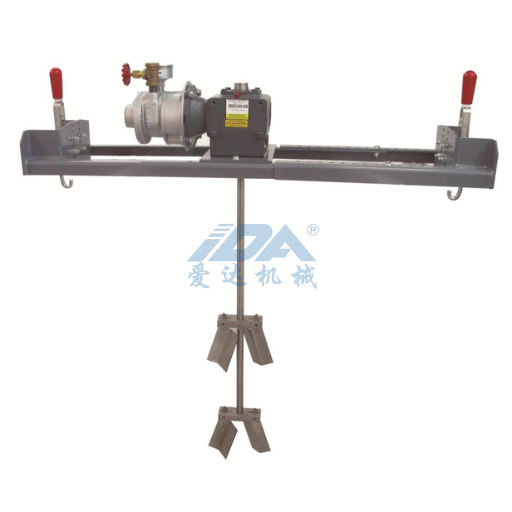
The IBC mixer utilizes gear drive mechanisms which operate to maximize torque output for performing mixing tasks with high-viscosity materials. The system uses multiple gears to transform motor power which operates at low speeds into strong mechanical force needed for applications that require blending of adhesives, resins, and other heavy materials.
Mechanism Characteristics:
- Transforms high-speed motor rotation into high-torque output
- Optimal for applications requiring constant functionality during heavy operational periods
- Enables precise control of complex mixing tasks
- Maintains accurate results while using less energy for demanding applications
Latest search engine data shows that industrial sectors such as pharmaceuticals, coatings, and specialty chemicals sectors are increasing their interest in gear drive IBC mixers. The equipment enables organizations to accomplish complex mixing tasks which require different materials while maintaining accurate results and using less energy.
Advantages of Gear Drive IBC Mixers
1. Enhanced Torque and Precision
The gear drive design of IBC mixers enables them to achieve better torque performance which makes the equipment suitable for processing materials with both high viscosity and high density. The system runs continuously from the beginning to the end of the process, which guarantees that all materials will achieve their proper blend. The system maintains constant torque operation, which ensures both product quality and process reliability while reducing batch differences.
2. Energy Efficiency
The most recent search findings show that businesses now consider energy-saving technologies as their main focus to lower expenses and achieve their environmental targets. IBC mixers that use gear-driven designs achieve energy-efficient performance through their use of specialized mechanical components which deliver optimal results with minimal power consumption. The system’s strong design structure stops energy loss which normally happens in different drive system technologies.
3. Durability and Longevity
The design of gear drive systems uses durable materials which protect essential parts from damage, thus enabling systems to function properly for extended periods. The system maintains its operational efficiency throughout its life cycle because it requires less maintenance during its operational life. Industry reports demonstrate that these products provide multiple extended operational life benefits through their use in demanding work conditions.
4. Compatibility with High Shear and Complex Fluids
These mixers show optimal performance when handling high-shear operations and complex fluid dynamic situations. The gear-driven systems deliver constant results because they operate at peak performance, which matches the demands of both pharmaceutical emulsification and pigment dispersion in coatings according to current search patterns for advanced mixing technologies.
The combination of precise operation with efficient performance and long-lasting durability gives gear drive IBC mixers the ability to meet complex operational needs which makes them the top choice for advanced mixing systems used in modern industries.
Applications for Gear Drive Mixers
| Industry Sector | Primary Applications | Key Benefits |
|---|---|---|
| Pharmaceutical | High-shear mixing for emulsification | Uniformity in complex chemical compositions |
| Chemical Industry | Precise measurement and mixing | Accurate blending of various compounds |
| Coatings & Paint | Pigment distribution control | Reduces operational interruptions and material loss |
| Wastewater Treatment | Large-scale water aeration and mixing | Essential equipment for facility operations |
| Food & Beverage | Stable emulsions, batch homogenization | Controlled ingredient mixing accuracy |
Their capability to process high-viscosity substances or delicate parts with accuracy establishes them as the preferred option for these specific use cases, which solve present operational issues and prepare for future technological advancements.
Performance Metrics: Comparing Direct Drive and Gear Drive
RPM and Speed Control
The performance evaluation between direct drive and gear drive systems depends on two vital factors which include RPM metrics and speed control mechanisms that determine system operational performance.
Direct Drive Systems
Speed Control: Superior management without transitional components
Operation: Smooth operation with accurate speed control
Applications: Equipment requiring different speeds and high performance
Advantages: Quick and precise RPM adjustments for sustainable operations
Gear Drive Systems
Torque Output: Higher torque generation capability
Speed Reliability: Reduced due to gear system wear and tear
Best For: Applications requiring high torque over speed precision
Considerations: Mechanical complexity affects speed control accuracy
Industry Trend: Direct drive technology has gained more popularity among industries that focus on reducing energy consumption and minimizing operational noise according to recent search data insights.
Torque and Power Requirements
The determination of suitable drive systems for various applications depends on the analysis of torque and power requirements. The machinery requires specific operating conditions to match the torque which represents the rotational force on a shaft and the power that defines the work execution speed.
Power-Torque Relationship
P = T × ω
Power (P)
Watts
Torque (T)
Newton-meters
Angular Velocity (ω)
Radians/second
Critical Assessment Factors:
- Load expectations and required rotational speeds
- Possible changes in operational behavior
- Power outputs that can sustain performance under different load conditions
- Selection of drive system matching mechanical requirements to prevent energy waste and overheating
Businesses use real-time performance monitoring combined with industrial application search engine trends to track drive system developments which help them create torque and power solutions that match market demands while achieving sustainability targets.
Viscosity Handling Capabilities
The operational effectiveness of industrial systems gets compromised when their systems fail to manage viscosity because this results in operational waste and equipment damage. Businesses can identify the best methods to manage materials with different viscosity levels through fluid dynamics research and real-time performance data from search engine trends.
| Mixer Type | Optimal Viscosity Range | Management Solutions |
|---|---|---|
| Direct Drive | Low to medium viscosity fluids | High-speed operation, instant power delivery |
| Gear Drive | Medium to high viscosity materials | Adjustable pump systems, optimized temperature management, advanced lubrication |
Innovation Focus: Smart sensors and adaptive control mechanisms continuously monitor fluid characteristics and adjust system parameters in real time, achieving precise control which helps reduce component wear while meeting product specifications to enhance system performance and decrease operational expenses.
Considerations for Choosing the Right Mixer
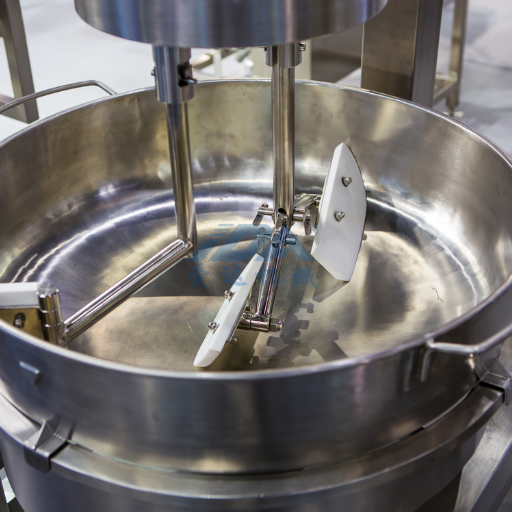
Material Viscosity and Mixing Needs
The viscosity of materials determines which type of mixer can be used because it affects both design and operational performance requirements. Viscosity determines how resistant fluids are to flowing when an external force is applied which affects both the energy needed for mixing and the selection of impeller design and operational speed.
Low-Viscosity Liquids
Recommended Systems: High-shear mixers or turbine-style impellers
Benefits: Fast and consistent mixing results with efficient energy usage
High-Viscosity Materials
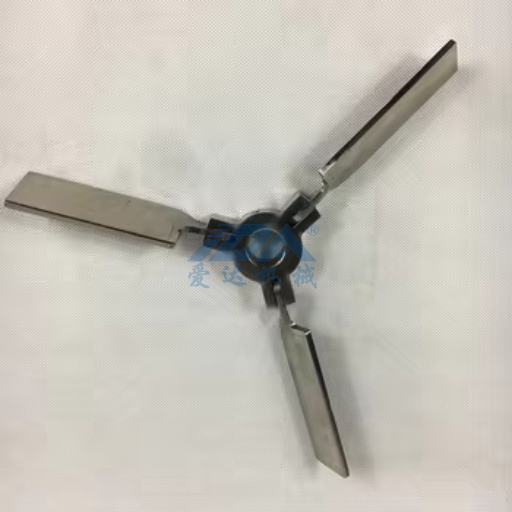
Recommended Systems: Helical agitators and double planetary designs
Benefits: Better handling of creams, gels, and slurries while managing mechanical stress
Industry Requirement Trends:
Current search data shows that various industries require custom mixer solutions that meet their specific requirements which include applications in both pharmaceuticals and food processing. The current trends require control systems which use advanced technologies to control both torque and speed because they need to adapt to different viscosity levels during a single batch process, enabling more flexible operations through automated processes which help businesses improve efficiency while delivering consistent product quality.
Operational Environment and Space Constraints
The operational environment assessment needs to include three critical variables which are ambient temperature, humidity, and corrosive material exposure because these three factors affect equipment operational performance and equipment lifespan. The need for compact designs or modular systems emerges because space constraints require equipment to fit existing facility layouts without demanding major reconstruction work.
Space-Saving Solutions:
- Vertical equipment configurations for optimal floor space usage
- Multi-functional machinery combining multiple operations
- Automated systems enhancing operational efficiency
- 3D modeling during planning for seamless integration with existing workflows
The latest search engine data shows that industries are adopting smart space-saving solutions to enhance their floor space usage. The process of addressing multiple factors together results in enhanced productivity and equipment performance while the organization achieves alignment with current spatial optimization standards.
Maintenance and Durability Factors
Industrial equipment requires regular maintenance which needs to follow durable design standards for its performance and long-term operational efficiency. Predictive maintenance has become the primary choice for modern industries based on current search trends and data analysis.
Modern Maintenance Approaches:
- Predictive Maintenance: The system employs IoT sensors together with machine learning algorithms to monitor equipment performance throughout its operational time.
- Material Selection: Materials must demonstrate resistance against wear and corrosion while enduring extreme environmental conditions.
- Advanced Coatings: The surface solutions based on ceramic and polymer materials provide protection against friction and damage from exposure.
- ISO 55001 Compliance: The organization follows international standards which govern asset management practices and define maintenance standards.
Operational Impact: The system reduces unplanned equipment downtime and increases the operational lifespan of machinery while creating an industrial environment which operates at high efficiency while maintaining sustainable practices and controlling operational expenses.
Frequently Asked Questions
Which mixer is better for an IBC tote: direct drive or gear drive mixer?
The direct drive system and the gear drive system for IBC totes both require testing to determine their performance based on specific material specifications and operational needs that require different speed settings. Direct drive systems typically offer higher efficiency and simpler maintenance with fewer components, while gear drive mixers with a gear reducer provide increased torque for medium to heavy viscosity materials and can be paired with a power drive for demanding blends. You should select explosion proof or pneumatic systems when working in environments that contain combustible materials or hazardous substances, while your options include air motor and electric motor systems that provide hp air motor configurations for different operational needs. The IBC tote mixer needs to be selected through two specific requirements which involve matching the IBC tank capacity and the IBC center cap dimensions of 6 inches or most IBC tank center caps.
How do I mount a tote mixer to an IBC using a clamp or bridge mount?
The mounting of a tote mixer requires either a clamp mount or a bracket mount or a bridge mount according to your needs and your choice of square or rectangular containers. The quick installation process requires tote clamps, which are common connectors, while the bridge mount system provides a stable base for IBC tote mixers that use gear drive or direct drive systems. The mount mixer configuration should clear the center cap while matching the 6 inch center cap to IBC tanks because any interference will disrupt the operation of the impeller. The selection of electric motors for electrically driven mixers should include all compatible options, which cover both single phase motors and TEFC motors, while the pneumatic systems require confirmation of hp air ratings and exhaust routing. The correct installation of an IBC mixer requires proper hardware selection and adherence to IBC mixer feature guidelines according to established safety standards.
Can I use a tote mixer with medium to heavy viscosity materials and collapsible turbines?
The right impeller and drive choice enable the mixing of medium to heavy viscosity materials, while gear drive mixers with a gear reducer deliver the necessary torque and collapsible turbines function through limited tote openings. The situation requires you to select a mixer with the appropriate impeller design because you need to handle high viscosity materials. The mount mixer needs to feature strong construction so bridge mount and bracket mount installations can handle all tank loads while securing the bridge for proper mixer locations. All mixers and agitators must meet chemical environment standards, which include explosion proof enclosure requirements, while you need to verify tote clamp and center cap compatibility. The correct choice of mixer type will decrease gear reducer damage and increase equipment lifetime.
What motor options are available for an IBC tote mixer: air motor, electric motor, or hp air?
The system allows users to select between air motor (pneumatic) systems and hp air motors which provide increased torque through pneumatic operation and electric motor systems which include both single-phase and three-phase motor designs. The selection of electric motors can include TEFC (totally enclosed fan cooled) and explosion proof designs which depend on the surrounding environment and the need for hazardous-area protection of mixers and agitators. The combination of air motor systems with pneumatic controls makes them suitable for washdown environments and spark-sensitive areas while electric motors enable precise rpm control through their ability to work with gear drive reducers which increase torque output. The IBC tote mixer application requires users to consider the chosen drive system and the required mixer and impeller type and the required bridge mount or clamp mount style which will enable proper functioning with the center cap of standard IBC containers.
How does an IBC tote mixer interface with cap openings like a 6 inch center cap?
The IBC tote mixer operates through its 6 inch center cap opening which functions like other standard tote openings. Most IBC tote mixers operate through standard tote openings which include the 6 inch center cap while most IBC containers use the center cap for their design. The impeller shaft needs to pass through the tote openings without touching the cap or tank walls because this protects equipment from harm while maintaining optimal mixing performance. The mount options need to provide support for both the cap and tote openings while the mixer needs to achieve its required blending depth through these connections. The drive system for IBC tote mixers needs to operate with both the IBC tote mixer and its gear reducer when handling heavy-duty work because the system must match the safety requirements of the cap system. Always review IBC mixer features and manufacturer recommendations to match the mixer to your specific tote configuration.
Are explosion-proof or TEFC mixers necessary for IBC tanks in industrial settings?
When handling flammable materials or working in environments that contain dust or corrosive elements or require washdown procedures inside IBC tanks, explosion proof and TEFC (totally enclosed fan cooled) designs serve as essential design elements. Explosion proof motors reduce the risk of ignition in hazardous atmospheres, while TEFC enclosures protect electric motors from moisture and contamination and can prolong motor life. Explosion proof electrical classification becomes less important when you operate pneumatic drives or hp air motors, but you must follow safe installation practices for pneumatic controls. Selection should be based on the type of mixer and impeller, the chemical compatibility, and the IBC mixer features required by your process. Proper mixer installation requires secure mounting solutions such as tote clamps and bridge or bracket mounts and consideration of tote openings and center cap compatibility.