Get in Touch with IDA
Ultimate Guide to Industrial Mixing Equipment for Coatings

Contents
show
Industrial processes require reliable precise paint mixing systems to operate efficiently and produce high-quality products during large-scale production. The selection of an industrial paint mixer together with its matching mixing equipment ensures that products maintain consistent textures while decreasing material waste and increasing production efficiency. This guide presents the essential elements of industrial paint mixing which include equipment types and essential characteristics together with advanced technologies for specific industrial uses. The information presented here will guide your selection of mixing solutions which will enhance your production performance for operations that include automotive construction textile and specialty coating processes.
30%
Avg. Cost Reduction Over 5 Years
6+
Core Equipment Types Available
↓
Reduced Defects via Automation
↑
Rising Demand for Eco-Friendly Coatings
Understanding Industrial Paint Mixers
What Is an Industrial Paint Mixer?
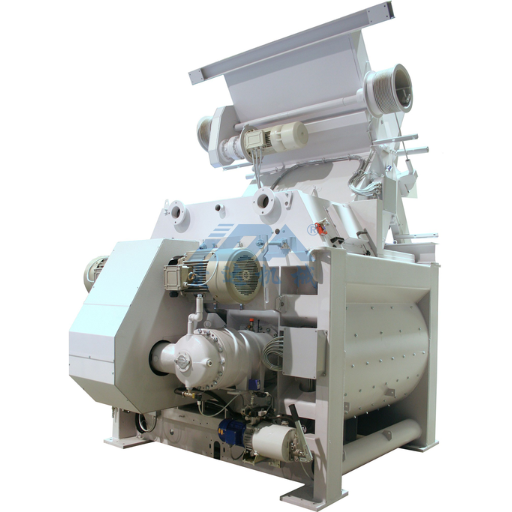
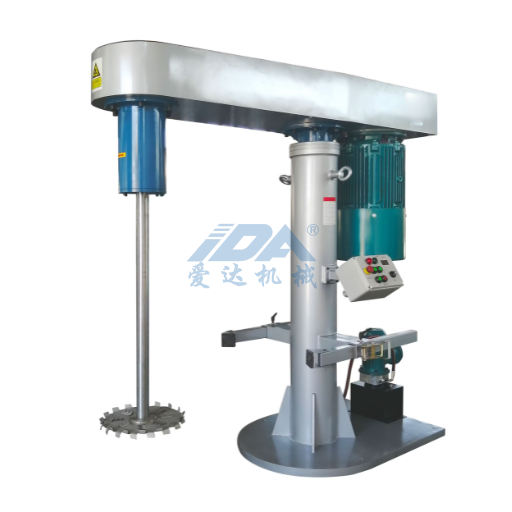
An industrial paint mixer is a dedicated piece of equipment designed to produce fully blended paint mixtures through an automated process built for large-scale production. The automotive and construction and manufacturing industries depend on these mixers to create paints with uniform texture and color and quality because the machines achieve complete pigment resins and solvent and additive blending. Modern industrial paint mixers combine advanced technologies which provide variable speed controls and programmable settings and precision impellers to handle all viscosity levels and formulation types. The latest systems bring energy-saving automation which reduces labor requirements while enhancing output precision. Their core value in the production process lies in delivering consistent outputs that directly reduce material waste and manufacturing downtime.
Types of Industrial Paint Mixing Equipment
Key Features of Paint Mixers
Modern paint mixers combine a suite of advanced features engineered to improve operational efficiency, measurement precision, and user experience. The most important capabilities to evaluate include:
Adjustable Speed Control
The system provides speed adjustments which operators can use to match paint viscosity and composition requirements for complete uniformity during different formulation processes.
Durability & Reliability
Industrial-grade materials maintain consistent performance under demanding continuous-operation conditions without degradation in output quality.
Energy Efficiency
The power-optimized systems decrease energy usage while achieving their highest mixing performance which results in decreased operating expenses for each production run.
Automated Functions
Programmable controls automate mixing sequences, increasing process precision and significantly reducing operator error rates across production runs.
Material Compatibility
Supports water-based, oil-based, and specialty coating formulations — providing flexible deployment across multiple production product lines.
Ergonomic Design
User-friendly surfaces that clean easily, accessible controls, and thoughtful layouts that minimize operator fatigue during extended production shifts.
How to Choose the Right Paint Mixing Equipment
Batch Size & Process Requirements
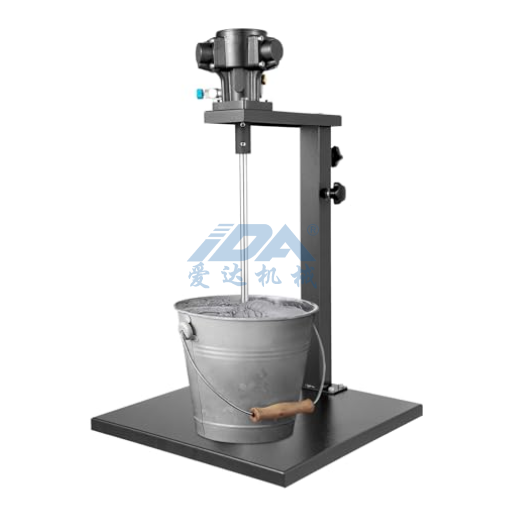
Batch size is the most immediate factor shaping equipment selection. Compact precision mixers serve businesses producing small quantities of unique paint mixtures, while large-scale manufacturers require high-capacity systems designed to manage complete production volumes. Growing market demand favors systems that offer flexible operation between small and large batch sizes — allowing manufacturers to adapt to changing order requirements without dedicated equipment changes. Defining production requirements at the outset, then matching flexible solutions to those requirements, allows companies to select equipment that serves both present and projected operational needs.
Material Compatibility
The combination of coating formula and mixing machine design leads to three negative effects which result in operational and financial impacts that can be measured. The process requires manufacturers to verify that their equipment materials and seals and shaft parts and impeller coatings can safely interact with the particular paints and solvents and adhesives and specialty coatings that they will use. The practice of using material compatibility as the main selection criterion establishes both a technical protection mechanism and a strategic advantage which enables manufacturing processes to operate more sustainably while experiencing fewer unexpected shutdowns.
Evaluating Mixing Technologies
The specific application needs of the operation determine which mixing technology needs to be used. High-shear mixers provide the best solution for mixing two liquid substances that do not mix with each other while creating emulsions that maintain consistent results during brief operational periods. Static mixers perform optimally in operations that maintain continuous flow and require minimal upkeep, which makes them suitable for use in chemical processing plants and water treatment facilities. The assessment of technologies through process parameter evaluation, which includes viscosity range and shear sensitivity and throughput targets and maintenance limitations, results in technology selection that enables economical and expandable business operations.
Equipment Selection Checklist
- ✓
Define your batch size range — small, medium, large, or variable-batch production - ✓
Assess viscosity requirements — low, medium, or high-viscosity formulations dictate impeller type - ✓
Verify material compatibility — confirm all contact components resist the specific solvents and additives used - ✓
Evaluate shear requirements — high-shear for emulsions; low-shear for shear-sensitive additives - ✓
Consider automation level — programmable systems reduce human error and support documented quality control - ✓
Plan for future scalability — select systems that can accommodate projected production volume growth
Benefits of Industrial Paint Mixers
Benefit 01
Efficiency in Production
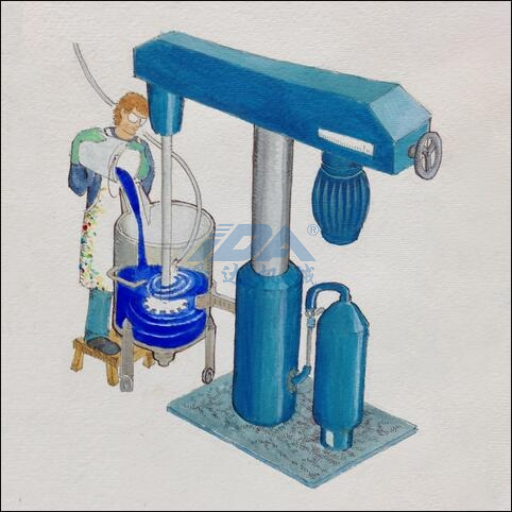
Industrial paint mixers boost production efficiency through continuous material blending that decreases operational costs and improves resource management. Advanced automated controls enable faster batch processing and lower defect rates, helping organizations fulfill production capacity objectives while reducing downtime in competitive manufacturing environments.
Benefit 02
Consistency in Paint Quality
Automated paint mixers with real-time monitoring and precise control systems eliminate human variability that leads to product waste. Every production batch meets demanding quality specifications regardless of batch size or material type — ensuring that outputs match customer expectations and maintain competitive positioning in quality-sensitive market segments.
Benefit 03
Cost-Effectiveness Over Time
While automated paint mixing systems carry higher initial costs than manual alternatives, their long-term operational savings consistently exceed the investment. High precision reduces material waste, automated systems increase output speed and decrease inactivity periods, and manufacturers that adopt automation report average cost reductions of up to 30% over five years — delivered alongside consistent quality and customer satisfaction improvements.
Technologies in Paint Mixing Equipment

High-Speed Mixing Technologies
The introduction of high-speed mixing technologies has revolutionized paint mixing processes by providing superior operational efficiency and enhanced blending precision. Modern motorized systems complete material mixing tasks within shorter periods compared to traditional methods which results in faster batch processing and better production planning. The combination of smart sensors and automated control systems provides real-time system monitoring while enabling process optimizations that reduce operational mistakes and decrease resource wastage. The advanced technology implementation shows measurable financial benefits because it enables manufacturers to meet increasing market demand while reducing their production costs.
Electric vs. Manual Mixers: A Comparison
Advancements in Dispersion Technology
Recent dispersion technology advancements are transforming how industries achieve ingredient mixing. The developed technology solutions enhance mixing results through better clumping control which enables uniform product quality across different production volumes. The manufacturing process reaches maximum efficiency through the use of high-shear mixers and ultrasonic dispersers together with advanced blade designs which decrease energy consumption and meet current sustainability and environmental regulation standards. The trend toward higher-performance dispersion technology reflects broader industry demand for solutions that are simpler to operate, more versatile, and reliably precise across production conditions.
Applications of Industrial Paint Mixers Across Industries
Frequently Asked Questions
Reference Sources
Source 01
Design and Scale Up of a Mixing Process for a Novel Automotive Coating
Explores the development and scaling of mixing processes for high-performance automotive coating applications.
Source 02
The Development of Combinatorial Chemistry Methods for Coating Development
Discusses innovative methods for combining components in coating systems, with practical insights into industrial application development.
Source 03
Specialty Chemicals Fundamental to Coatings Innovation
Highlights current trends in the coatings industry, focusing on the role of specialty chemicals and advanced mixing technologies in product development.