Get in Touch with IDA
How to Choose the Right Mixer for High Viscosity Materials

Contents
show
People find it difficult to select appropriate equipment for mixing high viscosity substances because their work requires exact results and stable performance. The food industry and adhesive manufacturing and specialized chemical production face production problems and unpredictable results when they select incorrect mixers. This guide will assist you through the mixer selection process because it contains expert knowledge and practical information. The article teaches readers about high viscosity material challenges and essential mixer characteristics which helps them choose suitable equipment for process optimization.
Understanding High Viscosity Materials
Definition and Characteristics of High Viscosity
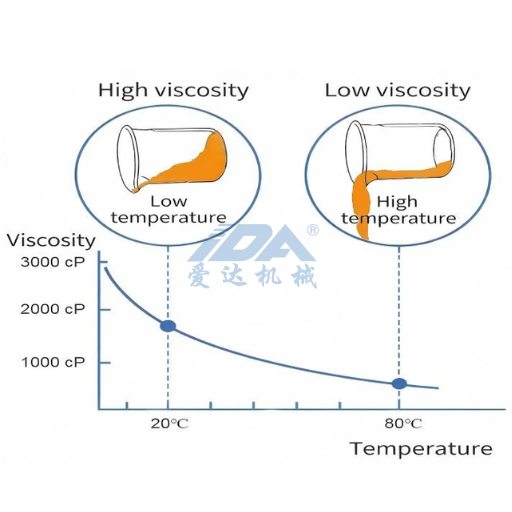
High viscosity describes the flow resistance of a fluid which increases with internal frictional forces that control its movement through external applied forces. The flow rate of materials with high viscosity properties which include syrups and creams and heavy oils remains slower than the flow rate of substances with low viscosity properties which include water and ethanol. The material displays this property because its molecules create stronger bonds with each other.
Scientists measure viscosity using units that include Pascal-seconds (Pa·s) and centipoise (cP) which show increased flow resistance when their unit values rise. The viscosity of a material changes with the following three factors: temperature and pressure conditions and chemical composition. The viscosity of honey decreases when it reaches a higher temperature while it becomes thicker when its temperature drops.
Industrial operations require knowledge about how high-viscosity materials behave during mixing and pumping and dispensing activities. The improper handling of these substances results in two main problems which include incomplete blending and equipment strain and inconsistent product quality so process optimization requires professionals who possess expertise in this particular field.
Common Applications for High Viscosity Materials
Various industrial and commercial applications use high-viscosity materials because these materials have special flow and handling properties. Viscosity serves as a critical factor for the production of adhesives and sealants because it determines their ability to form strong bonds and maintain their strength throughout different environmental conditions. Food manufacturers depend on these materials for their production of spreads and syrups and processed food items because product taste depends on maintaining proper food texture and consistency.
Another major application exists in the cosmetics and personal care industry which includes lotions and creams and shampoos. These products depend on particular viscous characteristics to enable users to apply them easily while achieving their best results. The pharmaceutical field uses high-viscosity materials in all gel and ointment-based therapeutics because these materials create controlled delivery systems for drugs that need to be applied on skin and internal surfaces. The construction and manufacturing sectors utilize viscous materials for their work processes because these materials enhance the strength and protective qualities of lubricants and coatings and paints.
High-viscosity materials function as essential components in daily products and industrial systems because they maintain essential product functions while producing new technological solutions which drive innovation in all industrial sectors. Organizations use advanced technologies to control their systems because these solutions deliver operational efficiencies and performance improvements.
Challenges in Mixing High Viscosity Materials
The process of mixing high-viscosity materials creates multiple difficulties because these materials display their thick and unyielding characteristics. The main challenge in this process revolves around the need to create a mixture that maintains both uniformity and complete blending throughout its entirety. The flow properties of high-viscosity fluids create obstacles for standard mixing equipment to distribute ingredients accurately during industrial operations which require large-scale production. The mixing process generates heat because excessive friction creates hot spots that lead to temperature variations which change material characteristics or cause material deterioration. The selection of mixing equipment becomes essential because standard mixers lack the ability to create adequate shear forces needed for effective processing of heavy materials.
The mixing problems which occur in this field receive solutions through the development of advanced mixing technologies which produce exceptional mixers for working with highly viscous materials. The development of planetary mixers and dual-shaft mixers and static mixers with special blade designs and stirring systems enables users to handle high-viscosity materials. The mixing process now benefits from computational models and real-time monitoring systems which optimize operations to achieve reliable outcomes while minimizing energy usage and material losses. The ongoing improvements represent essential elements for solving present-day problems which industrial sectors face when dealing with high-viscosity materials.
Importance of Selecting the Right Mixer

Impact on Quality and Efficiency
The choice of mixer impacts both production process efficiency and product output quality. The selected mixer needs to provide uniform mixing because that process establishes product quality standards which must be met throughout production. The process needs to establish reliable patterns because this requirement determines how various products will emerge from production in pharmaceutical and food processing and cosmetic industries. The correct mixer selection will benefit operational efficiency since it enables processing time and energy usage to decrease which brings lower expenses for operating costs. The current data shows that customers want better products so companies need to spend money on modern mixing systems which match their material specifications to remain competitive. Through the combination of precise engineering with data-driven optimizations companies achieve high product quality and efficient production throughout various industrial sectors.
Consequences of Poor Mixer Selection
Inadequate mixer selection for a particular application results in multiple negative effects which decrease product quality while hindering the efficiency of operations. The incorrect choice of mixer leads to poor material blending which results in defective products or products with diminished quality. Customer satisfaction suffers because defective products create extra product waste which raises total production costs. The system requires extra repairs because of its insufficient equipment which results in higher expenses and unplanned operational interruptions. The latest search data shows that businesses increasingly recognize mixing problems because they search for “how to fix inconsistent mixing results” and “best industrial mixer for specific applications.” The analysis shows that businesses must match their mixing capabilities with material needs and operational processes to maintain efficiency while achieving sustainable business growth.
Overview of Mixing Equipment Options
The current search engine data analysis demonstrates that businesses require assistance in selecting industrial mixers which will meet their particular requirements. The most common mixer options used by industries include paddle mixers, ribbon blenders, high-shear mixers, and planetary mixers. The distinct advantages of each type depend on its particular application.
Paddle mixers function best when they process bulk materials which need smooth and complete blending. High-shear mixers operate effectively in situations which need fast particle size reduction or emulsification processes. Ribbon blenders serve industries requiring precise mixing of powders or granules. Planetary mixers, on the other hand, are preferred in viscous material applications like adhesives or certain food products due to their robust and thorough mixing action.
The selection of appropriate mixing equipment depends on three main factors which include material characteristics and the size of production runs and manufacturing needs. The business process functions better when companies match their mixer specifications to their operational requirements which results in less operational delays and more dependable performance and better results.
Types of Mixers for High Viscosity Materials
Planetary Mixers
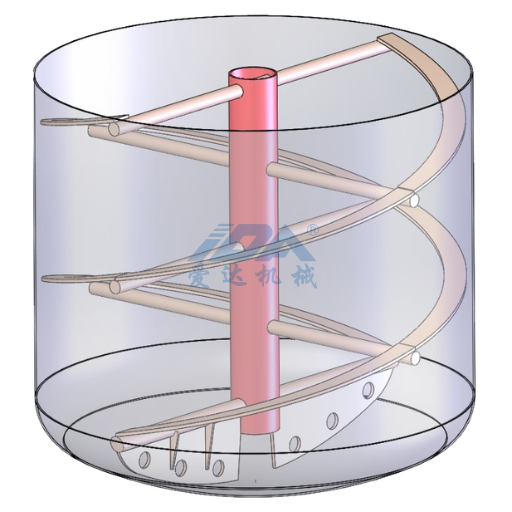
The planetary mixer serves as an optimal solution because it efficiently manages high-viscosity substances while delivering complete mixing results with perfect material combination. Current search trends show that users search for information about planetary mixer capabilities and their effectiveness in industrial operations. The mixers demonstrate perfect performance with dense materials because they provide strong power together with a special mixing system which allows agitators to spin on their axes while they move around the mixing bowl. The dual motion system of the equipment guarantees complete material combination which functions successfully even with difficult substances. The equipment becomes a preferred selection for food processing and pharmaceutical and cosmetic industries because it can handle multiple viscosity levels while its users can create customized operational setups.
Twin-Screw Mixers
The twin-screw mixer functions as a versatile machine which processes materials that exist in different physical forms. The intermeshing screw design of these mixers enables them to perform advanced mixing functions which include kneading and homogenization of materials. The equipment proves most suitable for food production and plastics and pharmaceuticals and chemical industries which require precise results and consistent outputs. Twin-screw mixers show their advantages when compared to other mixing methods which exist in industrial use.
Twin-screw mixers demonstrate their superior handling capabilities through their ability to process advanced formulations which require complete blending of multiple substances according to current research findings. Twin-screw systems enable continuous operation because they provide precise control over essential elements which include temperature and shear and mixing time. The system provides product quality enhancements together with waste reductions and production time improvements. The rising usage of twin-screw mixers results from their flexible design which modern automation systems and custom operational features make available to different business sectors.
Other High Viscosity Mixers
Various industries use advanced mixers which exceed twin-screw systems to handle high-viscosity materials because these mixers produce better results. Planetary mixers, for instance, serve as popular equipment which enables users to combine thick pastes with adhesives and highly viscous materials. The mixers achieve complete mixing through their dual blades which rotate on separate axes while they turn around the central vessel. High-shear mixers stand out as a popular choice because they excel at emulsifying and homogenizing products with high viscosity. High-shear mixers use precision-engineered rotor-stator systems which enable them to produce smooth results through effective particle size reduction.
The latest data shows that multi-shaft mixers technology enables precise processing of sticky materials through its combination of high-speed dispersers and agitators and optional shear components. The specific product requirements which a high-viscosity mixer must meet for its temperature sensitivity and consistency and throughput needs will determine which mixer to select from today’s available market options.
Key Factors in Choosing the Right Mixer

Batch Size Considerations
The efficiency and production consistency of a process depend on batch size when choosing the appropriate mixer equipment. Research and pilot-scale operations which use small batch sizes need mixers which can create exact measurements while achieving complete product mixing without any quality loss. The equipment used in large batch operations needs to have the ability to process substantial material quantities while keeping the mixture components evenly distributed throughout the batch. Industry research indicates that companies are now looking for scalable solutions which include mixers that can operate at different production levels without needing complex system changes. This operational flexibility enables manufacturers to meet market requirements through effective production processes which require minimal operational delays and additional financial expenditures.
Material Properties and Behavior
The mixing process of materials depends on their fundamental properties which include viscosity and density and particle size distribution. The processing efficiency of material handling equipment depends on these factors, which determine how materials will interact with the equipment. The major inquiry about how manufacturers should develop mixers for optimal material property handling, arises from current search engine data combined with existing search engine information.
Manufacturers should develop their facilities through funding for adaptive mixing systems. Manufacturers can create optimal processing systems which support multiple materials through their use of equipment that contains sophisticated control systems and flexible mixing parameters. The system uses automatic equipment which adjusts its speed and torque and mixing time to provide complete control over difficult material handling. Manufacturers use real-time monitoring together with analytics which search trends indicate to forecast production problems, which enables them to maintain production processes that operate without interruptions.
Desired Outcomes and Mixing Techniques
The most recent search engine data trends reveal that manufacturers main focus their mixing operations on three key areas of process improvement which are operational efficiency and system scalability and environmental friendly practices. The required results can be achieved through a combination of advanced mixing methods and data-driven technology solutions. The common search term high-shear mixing, ultra-sonication, and planetary mixing demonstrates that multiple industries including pharmaceuticals and food production and material sciences show high interest in performance optimization. The manufacturing process employs smart technology for two main purposes which are predictive analytics and real-time error correction to help manufacturers reduce waste and increase energy efficiency while they work toward environmental sustainability targets. Through the adoption of advanced mixing practices which follow current industry trends businesses can enhance their product quality while they maintain their competitive edge over industry standards.
Best Practices for Mixing High Viscosity Materials
Optimal Mixing Conditions
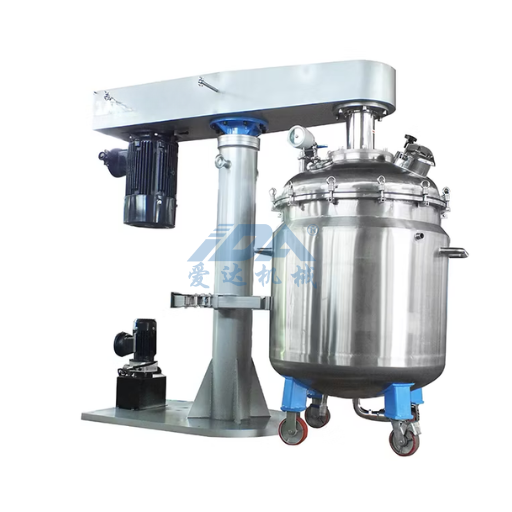
Achieving optimal mixing conditions for high viscosity materials requires careful consideration of multiple critical parameters which need to be assessed. Temperature functions as a vital factor because correct thermal conditions enable better material flow during mixing process. The selection of an appropriate mixer type including double planetary mixers and helical blade mixers enables proper shear force distribution with complete material coverage.
According to the latest data from search engine, even distribution of additives with reduced clumping issues represents a major challenge faced by manufacturers who work with high viscosity materials. The solution requires manufacturers to establish both fixed mixing speed operations and implement a sequential approach to their material handling process. The calibration process needs to happen regularly because it helps to maintain mixing equipment accuracy while producing consistent results.
Manufacturers achieve operational improvements and product quality enhancements through their implementation of best practices together with new technologies and their existing industry expertise.
Regular Maintenance and Care for Mixers
The process of maintaining mixers through scheduled maintenance and correct operational procedures will increase their operational lifespan while delivering peak performance results. Oneof the most common questions people ask about industrial mixers centers around their maintenance schedule because search trend analysis shows this query as the most frequent search term. The maintenance requirements of equipment depend on how frequently it operates throughout the entire day. The manufacturers recommend that heavy-duty mixer operators conduct their equipment maintenance through weekly inspections and complete equipment evaluations which should occur every three months.
Essential tasks require operators to clean mixing blades until they reach full cleanliness and to examine seals and bearings for any type of abnormality while maintaining lubrication for all equipment components. The application of predictive maintenance tools enables organizations to assess equipment condition through vibration analysis and thermal imaging which helps them identify upcoming potential maintenance problems before they develop into serious issues. Equipment manufacturers must follow all equipment manual instructions because this practice protects against unexpected operational failures which lead to poor mixing performance results. A properly maintained mixer system decreases operational costs through its enhanced productivity and reduction of equipment nonoperational times throughout its entire operational duration.
Innovative Mixing Solutions and Technologies
The field of mixing has achieved major progress because innovative technologies have been developed to fulfill the specific requirements of different industrial sectors. High-shear mixers which use precision-engineered impellers are changing the pharmaceutical and food industries by delivering unprecedented levels of product uniformity. The current technological advancements in automation systems enable operators to achieve remote process control through IoT (Internet of Things) integration which improves operational efficiency and process reliability.
Recent search engine data shows that more people are choosing energy-efficient mixing solutions which are becoming more popular. Manufacturers are now developing mixers designed to optimize energy consumption while maintaining exceptional reliability. The use of variable frequency drives (VFDs) as a technology enables users to accurately control their mixing operations which results in decreased energy consumption and improved processing capabilities. The implementation of AI-driven predictive algorithms enables organizations to make instant decisions which decrease waste and enhance their mixing operations. Companies need to implement advanced mixing technologies because current market conditions demand higher operational standards than before.
FAQ
How do I choose the right mixer for high-viscosity materials?
The procedure of selecting an appropriate mixer requires testing various aspects which include the viscosity range and mixer mixing capacity and their intended mixing results. The mixing of highly viscous materials requires the use of planetary mixers which operate at low speeds and generate high torque or the utilization of high-viscosity mixers which perform gentle mixing operations during the dispersion process. The configuration of the mixing vessel requires assessment followed by decision-making about jacket and scraper requirements and the selection of a mixing vessel which can manage both heat and cooling requirements. The product quality and consistency depend on two factors which are the correct selection of mixer configuration and speed along with high shear capabilities that match the material characteristics. You need to check with mixer manufacturers who will help you find the suitable mixer for your specific mixing requirements and need to choose the appropriate equipment for your operations.
What makes planetary mixers suitable for mixing high-viscosity materials?
Planetary mixers achieve effective mixing of high-viscosity materials through their system which combines planetary movement with a central agitator that breaks up solids and maintains uniform product development. Their scraper arms and specialized blades maintain contact with the mixing vessel walls to prevent dead zones and improve effective mixing for coatings, inks, and pastes. These mixers offer a temperature control jacket system which operators need to control viscosity during their high-viscosity mixing operations. The selection process needs to assess three elements which include the mixer mixing capacity and the maintenance requirements and the mixer design which should match your distinct mixing requirements. Planetary mixers serve as the optimal solution for industrial mixing applications because they deliver both low-speed torque and adequate dispersion capabilities needed for creating the desired mixing solution.
Which mixing equipment offers the best dispersion and high shear for dense pastes?
The mixing equipment that provides essential high shear capabilities needs to be selected because it serves to disperse pigments and fillers and agglomerates which exist in dense pastes and inks. The equipment needs to include high-shear dispersers which use high-viscosity mixing equipment through their design. The equipment needs to be combined with scraper-equipped vessels which enable the mixer to function as a device that provides both dispersion and thermal regulation capabilities. The optimal mixer configuration should be determined based on the material type and material volume while the high viscosity mixer needs to be selected for effective mixing purposes. The selection process requires assessment of various factors which include mixer maintenance requirements and product quality control capabilities and the need for gentle or aggressive mixing methods. You should consult manufacturers to determine the required mixing capacity and function of the equipment which meets your unique mixing requirements.
What factors determine the selection process for high viscosity mixers in coating and ink projects?
Coating and ink formulations require specific particle size distribution and specific energy requirements for dispersion while selecting between high shear and low-speed mixing methods. Coating and ink needs are fulfilled by the mixer which provides three essential features that include dispersion and vacuum degassing and complete mixing capability to achieve consistent product results. The evaluation process requires assessment of mixing vessel geometry and scraper type and the need for a jacketed vessel to implement temperature control during high viscosity mixing. The selection of a high viscosity mixer for these industries requires both verification of the mixer mixing capacity and the assessment of production volumes and maintenance requirements which help to reduce operational interruptions. You need to consult suppliers to identify the optimal mixer configuration which will deliver maximum performance for your specific application.
When is a scraper or jacketed mixing vessel essential for mixing high-viscosity materials?
Scrapers and jacketed mixing vessels become necessary when operators need to mix materials which have high viscosity. A scraper becomes necessary for highly viscous material mixing because it prevents wall buildup and enables the mixer to achieve solid particle distribution while a jacketed vessel becomes necessary when temperature management needs to control both viscosity and reaction speed. The jacket system enables precise temperature management which maintains product structural integrity while enabling high-speed operations with strong shear forces for effective thermal control. A scraper improves mixing effectiveness and product consistency while a jacket controls temperature during high-viscosity material mixing according to the mixing solution and the desired mixing outcome. The matching process needs to evaluate mixing capacity and material type together with the specific mixing tasks which your organization performs. The ideal mixer for your requirements will include these operational capabilities which deliver effective mixing results and dependable performance throughout extended use.
What process should I use to determine the optimal mixing capacity and speed for industrial operations that involve high-viscosity materials?
The best mixing capacity selection requires a product volume and desired mixing strength assessment which will maintain consistency throughout all batches. Low-speed high-torque mixers create optimal control for highly viscous materials because they reduce thermal buildup while enabling dispersion through suitable blade designs and planetary motion systems. The mixer needs to include a scraper and vacuum system for your specific material and mixing requirements while you should check all dimensions of mixer design. The evaluation needs to include maintenance requirements and energy usage together with the mixer system’s ability to maintain operational efficiency during production increases. The selected mixer will need to meet all mixing capacity requirements while operating as the ideal mixer for your specific needs according to information from the manufacturer.
Reference Sources
-
- Discusses practical approaches and equipment for mixing high-viscosity materials, including helical impellers.
-
Influence of Process Parameters on High Shear Mixer Agglomerates
- Explores the impact of process parameters on mixing outcomes with ultra-high viscosity binders.
-
Effects of Viscosity Ratio on Morphology in Chaotic Mixing
- Investigates how viscosity ratios affect mixing efficiency and morphology in polymer systems.