Get in Touch with IDA

Butterfly Mixer vs Planetary Mixer: Choosing the Right Mixer for Your Bakery

Contents
show
Owning a bakery is not only about making mouth-watering pastries and cakes with cold and sweet icings, but also about possessing all necessary utensils that would produce work faster and at the same time deliver consistent quality. For pastry making, the most important utensils are the mixers, as they can either save much time or improve the quality of the end products.
Butterfly mixer and planetary mixer are probably the two most widely used industrial mixers. They can be distinguished by certain peculiar advantages depending on the problem at hand. The present paper will focus on the comparison of two types of mixers based on their uses and earning values, helping bakers make informed decisions aligned with their production targets and aspirations.
Understanding the Mixers
What is a Butterfly Mixer?
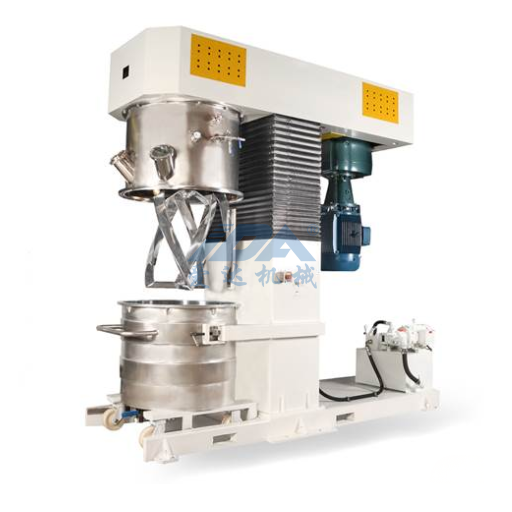
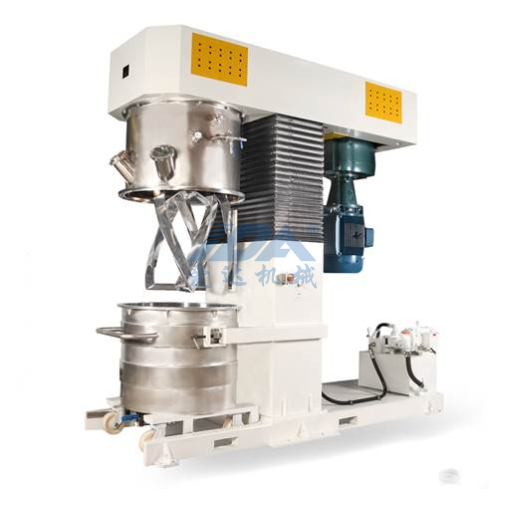
This butterfly mixer is an adaptation normally associated with more dense viscous materials in baking and food processing. The term ‘butterfly’ is used because of the fact that the blades on the agitator resemble the wings of a butterfly.
The actual shape of the mixer allows proper mixing and folding with ease, making it more appropriate for working with dense structures like dough, batters or pastes. Butterfly mixers are known for their strong motors with speeds which can be controlled so that they handle very large batches while maintaining the same quality of the mixture.
Key Features:
- Heavy duty build with high power levels
- Suitable for high-risk, high turnover manufacturing processes
- Prevents over-mixing while retaining particle structure
- Ideal for handling dense, viscous materials
What are Planetary Mixers?
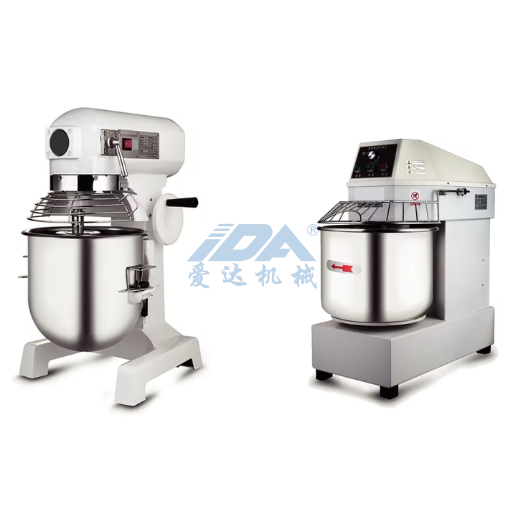
Planetary mixers are types of industrial equipment that can mix, throw or knead ingredients in different forms, for instance, dough, batter, cream or paste. The construction of a planetary mixer features a remarkable revolution mechanism.
Unique Motion: The implement revolves in its own circle and also circles the central axis of the bowl as in orbit, which is what the motion of planets in a solar system is—hence the name of the machine. This orbital action allows the perfect mixing of all the substance that has been placed.
Planetary mixers have various frameworks, such as beaters, whisks, and dough hooks, that are replaceable, enabling users to perform tasks in different industries, such as food manufacturing, pharmaceuticals and even cosmetics. Planetary mixers are classified as heavy capital equipment and are very flexible, with manufacturers placing emphasis on durability while including features like speed controls and timers.
Comparison: Butterfly Mixer vs Planetary Mixer
| Feature | Butterfly Mixer | Planetary Mixer |
|---|---|---|
| Mixing Mechanism | Symmetrical mixing blades turning in a round cylinder with scrapers | Central mixing tool that spins around its center and the bowl |
| Primary Use | Industrial chemicals, paints, adhesives, sealants (highly viscous materials) | Bakeries, food industries, pharmacies (versatile ingredient manipulation) |
| Batch Size | Larger masses of heavy materials (500+ liters) | Smaller to medium batches with flexibility (1-500 liters) |
| Versatility | Specialized for viscous, heavy materials | Multiple attachments for various mixing tasks |
| Ideal For | High-volume production with consistent viscosity | Diverse products requiring precision and adaptability |
Functionalities and Features
Butterfly Mixers: A Kitchen Workhorse
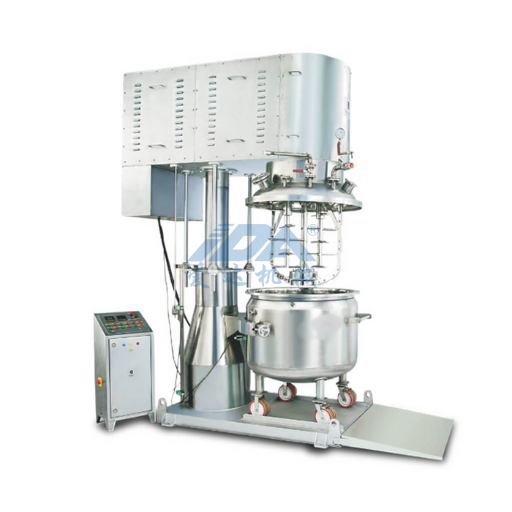
Butterfly mixers act as real kitchen workhorses in industries where numerous mixing jobs are performed as a process cycle. They fit well in pharmaceutical, cosmetic, food, and chemical industries for a variety of product viscosities.
Industry Applications:
- ✓ Pharmaceutical: Precise mixing for medication formulations
- ✓ Cosmetic: Uniform blending of creams and lotions
- ✓ Food Industry: Processing of viscous batters and pastes
- ✓ Chemical: Mixing of adhesives and industrial compounds
These devices are known for their ability to enhance production processes at the least energy expense. Features like precise speed control and digital timers are compatible with butterfly mixers so that specific process requirements can be accommodated as required. This has led to their popularity in regulated industries where stringent requirements for product quality occur.
Distinct Characteristics of Planetary Mixers
Distinguishable from the common drop agitator, planetary mixers are fitted with an advanced mode of operation. This contraption causes the mixers to revolve on their own axis and simultaneously swim to the circumference of the container. Such a process enables an effective working of the material, no matter how heavy or difficult its consistency might be.
Modern Developments:
- Enhanced modularity and automation capabilities
- Programmable controls for setting recipes and parameters
- Both dry and wet mixing capabilities
- Multiple working speeds for different materials
- Intensive processing without damaging product integrity
Comparing Batch Size Capacities
One of the factors to consider while comparing capacity or batch size is understanding that planetary mixers perform very well within the smallest possible batch as well as the highest batch size. The pharmaceutical equipment industries prefer to have mixers with shorter or more accurate batches such as 1 to 10 liters for purposes of accuracy and control of waste. However, large-scale operations require sizes above 500 liters for substantial volumes to be processed at a time.
Factors Affecting Processing Effectiveness:
- Engine characteristics: Motor power and torque capacity
- Blade orientation: Design and positioning of mixing tools
- Container shape: Bowl geometry and volume capacity
- Material handling: Viscosity and density considerations
Advantages of Each Mixer
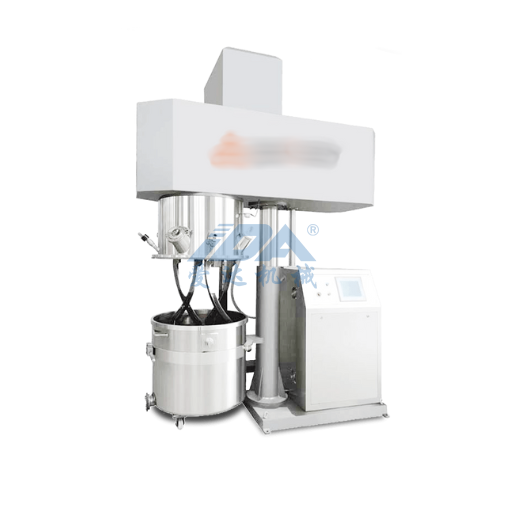
Butterfly Disperser Advantages
- • Non-contaminative operation
- • Energy efficient processing
- • Excellent folding capability
- • Limited air incorporation
- • Complete media mixing
- • Complex control systems
- • Reduced equipment downtime
Planetary Mixer Advantages
- • High efficacy and flexibility
- • Dual rotation mechanism
- • Even distribution of contents
- • Multiple speed levels
- • Interchangeable tools
- • Faster homogenous mixtures
- • Digital controls for precision
Cost Comparison Analysis
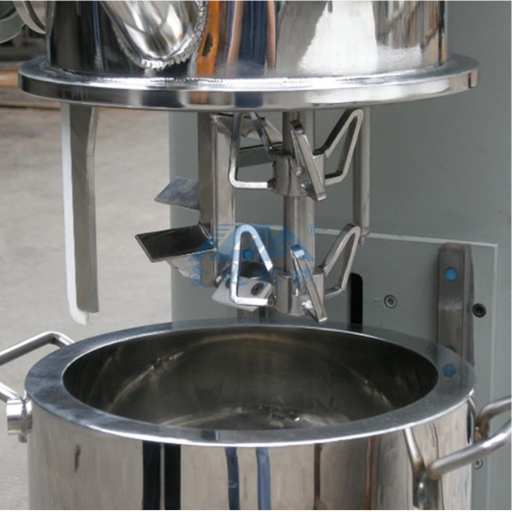
In the butterfly mixer vs planetary mixer analysis, a variety of parameters are considered including costs, power needs, cost of maintenance, output ratio, and various aspects of ergonomics.
Key Insight: Research indicates that the demand for spiral mixers is on the rise in commercial applications because of their greater ability to handle repetitive tasks in excessive quantity. This reflects higher importance attributed to saving money on operational costs and long-term efficiency, especially in the bread industry where performance dominates over initial cost considerations.
Ideal Use Cases
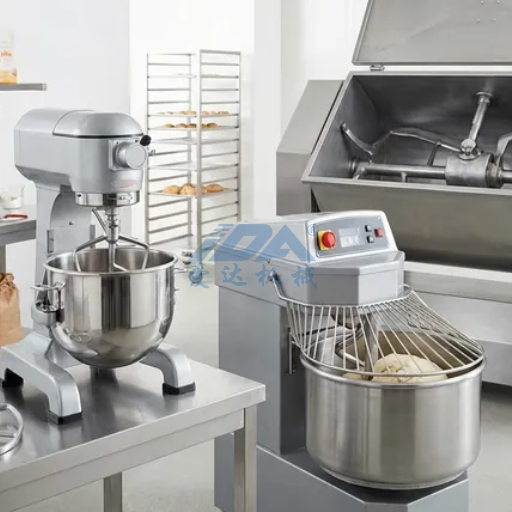
Situations that Demand the Butterfly Mixer
The butterfly mixer’s best use is in mixing high or semi-high viscosity materials where uniformity in most, if not all, of the material is essential. These industries include the pharmaceutical, cosmetic and food sectors where changes in the composition of a product beyond the desired levels are unacceptable.
Optimal Scenarios:
- Small to medium businesses with low output but high-quality requirements
- Processing small quantities of materials with high mixing efficiency
- Specialty manufacturers requiring precise consistency
- Industries where product quality advantages over competitors are crucial
Optimal Use of Planetary Mixers
Planetary mixers provide maximum adaptability and can be useful in multiple settings where there is a necessity of complete admixture of ingredients. These types of mixers are always a necessity in many sectors, for example, in baking, pharmaceuticals, cosmetics, where high viscosity material, such as dough, paste, or cream needs to be mixed.
Perfect Applications:
- Bakery: Precise incorporation of ingredients for dough and batter preparation
- Chemical: Compounds in certain ratios with strict observation requirements
- Pharmaceutical: Maintaining product stability and quality
- Small/Medium Operations: Processing different batch sizes with quality smooth textures
- Multi-component Processes: Various components in constant motion irrespective of consistency
Sophisticated mechanisms creating ample opportunities to design and control the process allow for repetitive cycles which are incapable of being handled manually. The characteristics of planetary mixers enhance the capability of handling processes in which accuracy, efficiency, and evenness are key factors.
Catering to Professional Bakeries
Butterfly mixer vs planetary mixer is quite a famous topic due to its importance and wide use among the baking community. Planetary mixers can be used in the dough preparation process for making artisan bread where there is a need to distribute gluten and aerate evenly; otherwise the texture suffers and bread or dough falls apart easily.
Professional Bakery Applications:
- Artisan Bread Production: Even gluten distribution and proper aeration for optimal texture
- Light Batter Preparation: Mixing cakes and pastries thoroughly while avoiding lumps
- Dense Dough Handling: Processing both water-rich and compact doughs while preserving authentic characteristics
- Whipping and Frosting: Achieving desired consistencies for advanced and complex works
Frequently Asked Questions
How does a spiral mixer compare to a planetary mixer for dough?
Spiral mixers have a bowl that is capable of rotating as well as a hook that spins. The dough is split and spun in order to integrate everything evenly. These models are ideal for relatively thin bread and pizza dough that requires significant development and hydration. The bowl in a typical planetary mixer does not rotate, but the mixer itself has a mechanism which revolves around the bowl. This characteristic makes the planetary mixer good for a number of items and can produce small to medium volumes when needed. A spiral mixer is recommended when there is a need to control temperatures accurately and achieve bread with uniform crumb, while a planetary mixer is better for versatile applications with various attachments or agitators.
Which mix and batch size is ideal for a diving arm mixer vs other types?
Diving arm mixers and horizontal extractors are designed for large volumes of dough, unlike butterfly mixer vs planetary mixer comparisons, where the planetary mixer is generally used in the professional kitchen. In contrast, diving arm mixer construction enables mixing thick doughs without overheating, hence it is preferred by bakers who want to produce many products. Small spiral mixers and even small planetary models are relevant for cooking in small bakeries or scattered units/enterprises. The choice of a mixer is driven by factors such as working dough volumes, the ability to ferment or proof immediately after mixing, and whether articulation, temperature and hygiene during bread making, particularly craft breads, are required.
Is a planetary mixer suitable for artisan breads and pizza dough mixing?
Irrespective of the ingredients such as batters and filling which can be mixed using attachments hooks and whips, planetary mixers include processors that add much more flexibility. Nonetheless, spiral mixers and the spiral hook attachment in particular provide better dough handling for pizza dough or most high-hydration artisanal breads, since the dough is not overheated—an important point for artisanal pizzas where long fermentations are necessary. Whereas planetary mixers are available in different sizes such as small and medium to large models for home cooks and commercial kitchens, chefs and staff in catering kitchens wish to get batches prepared within minimum time and maximum effectiveness. In conclusion, it is all about the crumb structure one desires, the hydration, and whether such a mixer provides suitable dough consistency without causing it to overheat or ferment at an intensified speed.
What advantages do horizontal mixer and diving arm mixer designs offer for large volumes?
The horizontal mixer and the diving arm mixer are mass production configurations meant to hold greater batter or dough capacity for mixing purposes, which is advantageous for multi-product production. These machines are usually supplied with temperature control mechanisms and powerful motors to avoid failure during kneading of heavy dough, as this leads to overheating and premature fermentation. The diving arm mixer is an excellent choice when you have heavy dough to mix like bagels or high hydration content where the arms need to go through the dough and sufficiently develop and hydrate it. When a machine has to be in continuous use in a restaurant, it must address the need for hygiene and cleaning and therefore either in the form of a removable bowl or by the top of the appliance it is easily accessible and can be cleaned. In the case of a bakery with high production activity, the main aspect of consideration in the employment of horizontal or diving arm mixers is the throughput and consistent dough development required in addition to the amount of dough per cycle.
How important is temperature control and avoiding overheating when selecting a mixer?
Regulation of temperature is important as the lower temperature of dough helps regulate fermentation and meets the target outcomes of crumb and taste, while mixers which produce heat can overheat and ferment the dough very rapidly. Spiral mixers generally perform well in keeping the dough cold, given the rotating bowl and spiral arm that reduce friction, while planetary mixers might need pauses in between operations or shorter durations of mixing to avoid temperature increase. For artisanal breads and high hydration doughs, it is important to have proper consistency of the dough and its slow development, hence temperature becomes a factor considered when buying mixers. Bakeries and professional kitchens should consider if the mixer offers cooling options, adequate motor capacity and if the bowl material is able to conduct heat. Moreover, food safety guidelines necessitate simple to clean and disengage bowls after every production.
Can a Hobart planetary or KitchenAid handle a variety of products in one machine?
Yes, Hobart planetary models and KitchenAid mixers are very versatile and most of them come with several attachments and agitators which enable one machine to knead doughs, whip creams, mix batters, and beat and whip up several products. Unlike other types of mixers, planetary mixers allow for mixing at different angles within the bowl. Hence, smaller establishments and chefs who are looking for versatility would appreciate this type of machine. Nonetheless, if high quantities of high hydration pizza dough, or dense bagel dough are to be produced on a regular basis, then the spiral mixer is superior to butterfly or planetary mixers. Cleaning ease, removable bowl options, and grading level of planetary mixers’ sturdiness are some of the considerations to make for commercial premises. The final decision on which mixer to buy is influenced by how many different products one intends to mix, the amount of dough per use, and need for fast and efficient use of a single machine for various recipes together.
Key Takeaways: Choosing the Right Mixer
Decision Factors Summary
Choose Butterfly Mixer If:
- ✓ Working with highly viscous materials
- ✓ Need large batch processing
- ✓ Require consistent quality at scale
- ✓ Focus on industrial applications
- ✓ Priority is energy efficiency
Choose Planetary Mixer If:
- ✓ Need versatility and flexibility
- ✓ Working with varied batch sizes
- ✓ Require multiple attachments
- ✓ Focus on bakery applications
- ✓ Need precision and automation
Reference Sources
- Study of Hydrodynamics and Flow Characteristics in a Twin-Blade Planetary Mixer with Non-Newtonian Fluids
AIChE Wiley Online Library – This study explores the mixing dynamics of planetary mixers, including comparisons with butterfly impellers, focusing on their performance with non-Newtonian fluids. - Study on the Centrifugal Mixing Process of PBX Simulants
IOP Science – This research examines the effects of mixer type, including planetary mixers, on the mixing process, providing insights into their efficiency and applications. - CFD Simulation of the Twin Blade Planetary Mixer Between the Blade’s Geometry and Deformation
Space Journal– This paper uses computational fluid dynamics (CFD) to analyze the performance of planetary mixers, focusing on blade geometry and material deformation.
Final Recommendation
Using a one size fits all approach should not be the case for both a butterfly and planetary mixer. It should depend on the corresponding tasks that need to be performed, the volume of the mixes, the thickness of the ingredients and the costs. One can begin with a planetary mixer which is known to be flexible for a small to medium size bakery, or choose a butterfly mixer in case of huge amounts of highly viscous material in an industry. Whichever option you select, it is very important that the machinery being used can perform the task especially with mixing out well producing good quality and high quantity outputs.