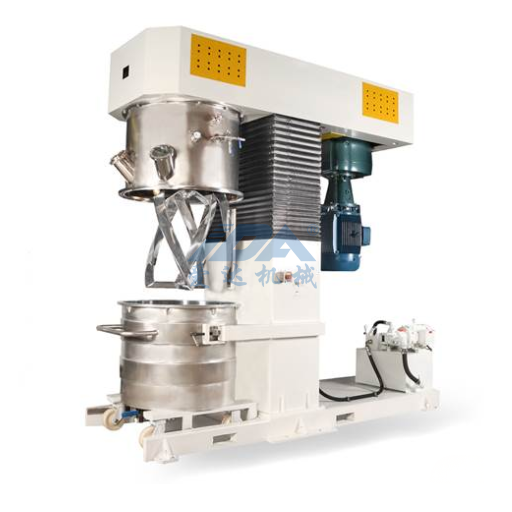
Get in Touch with IDA

Butterfly Disperser Mixer: A Comprehensive Guide to High Viscosity Mixing Solutions

Contents
show
Mixing materials with high viscosity is a difficult process and needs special equipment that can maintain the mixing operation to be efficient, regular, and accurate. The Butterfly Disperser Mixer is one such reliable solution and it has been developed precisely for this task of heavy mixing and blending. Whether working with adhesives, coatings, or any other industrial products, workers need a trustworthy system that can provide them with even results and at the same time boost the performance of the whole operation.
This guide will talk about the different characteristics, the way of working, and the benefits of butterfly disperser mixers and it will also provide an overview of their importance in the process of high-viscosity mixing. By the end of this article, you will be aware of the facts that this mixer is a reliable tool that can help you to get superior quality products in critical areas.
Understanding the Butterfly Disperser Mixer
What is a Butterfly Disperser Mixer?
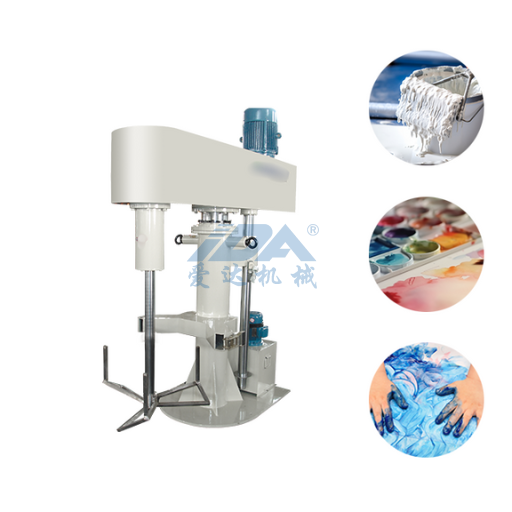
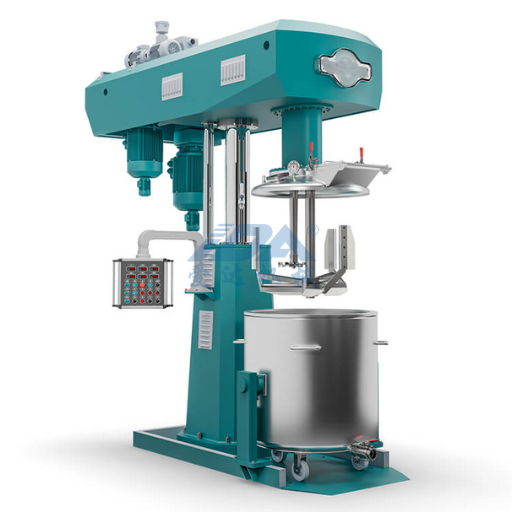
A Butterfly Disperser Mixer is a very effective mixer that is capable of mixing the most difficult and high-viscosity materials and at the same time ensuring uniformity in dissolving. It has an impeller shaped like butterfly wings, which causes a very strong cutting and kneading action. Such a design supports mixing of materials even in the most difficult cases like, for example, joint compounds, adhesives, and all other viscous materials.
Furthermore, they work by developing axial and radial flow movements that greatly improve the distribution of particles and thus disperse clumps of material. Usually, these mixers are utilized in the production of such goods in the paint, coating, and drug manufacturing industries that the factors of texture, consistency, and blending are closely controlled. Thus, they become an indispensable tool in the above sectors.
Key Components of Butterfly Mixers
Compressors of various shapes and sizes are built with essential parts that are the basis of their efficiency and accuracy. The main element of the structure is the butterfly-shaped impeller which produces the much-needed flow patterns of both axial and radial types for complete mixing of materials. Normally this impeller is made of strong materials like stainless steel so that it can resist the high shear forces and the chemical exposure. The motor is another important part as it rotates the impeller with different speeds, thus giving the required flexibility for different viscosities and densities of the material.
In addition, the container that is usually jacketed is also very important in regulating the mixing temperature especially when there are heat-sensitive materials involved. The shaft seals not only prevent the leakage of the material but also the infiltration of contaminants thus maintaining a sterile environment when necessary, especially in the case of the pharmaceutical or food industries.
As per the latest data, the evolution of butterfly mixers’ designs has also introduced the option of the vacuum and pressure for the places that require high precision. This will further uplift the homogeneity and consistency of the materials mixed, thus their application throughout industrial areas become even stronger.
How Butterfly Dispersers Work
The operation of butterfly dispersers is based on the concept of high-shear mixing with an inventively shaped blade that guarantees easy dispersion as well as blending of the substances. The “butterfly” blade setup is made to induce great turbulence that in turn allows the raw materials to come close to each other with longer and finer particle size in the blend.
💡 Latest Technology: Current-day butterfly dispersers have the cutting-edge control systems that are operated to set the rotation speed, torque, and the angles of the blades with high accuracy. This versatility guarantees uniformity of the end products, even though the materials for blending have different viscosities or densities.
Moreover, the combination of vacuum or pressure options with a disperser’s operation is the reason for high efficiency since it leads to the total removal of air pockets, thus creating the best conditions for mixing especially in the case of airtight or contamination-free applications. The interplay of robust mechanical design along with state-of-the-art technology is what makes butterfly dispersers comply with the high-quality and performance standards that are so demanding across fields such as chemical production, pharmaceuticals, and specialty coatings.
Applications of Butterfly Disperser Mixers in Various Industries
Usage in the Food Industry
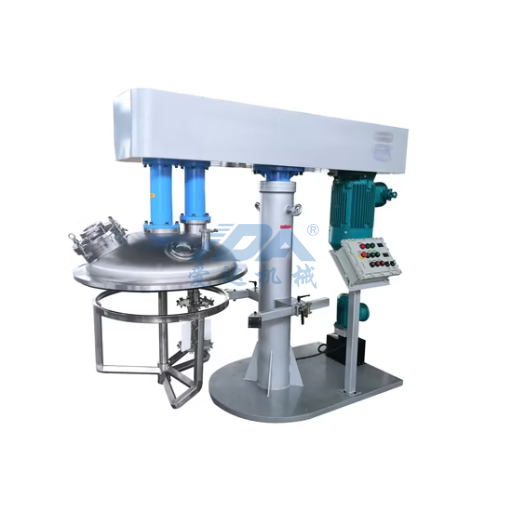
Butterfly disperser mixers are the best mixers in the food industry where precision and uniformity are the most important factors. Among the various food items that these mixers are used for, one could mention sauces, dressings, confectionery, and dairy-based products. The uniform blending of the ingredients, even those of complex and heavy consistency, guarantees the ultimate product quality which is not only up to the mark but also complies with strict regulatory requirements.
Data from recent industry analyses shows that there is an increasing demand for efficient mixing solutions as the production of prepared and processed foods is rising due to the changing consumer habits and the expanding global market. Butterfly dispersers are among the most advanced mixing solutions as they come with such features as speed variation control and sanitary-grade materials, thereby complying with and aiding in food safety protocols while maximizing production efficiency. Their flexibility in both small-batch and large-scale operations makes them an absolute necessity in the modern food manufacturing environment.
Applications in Chemical Manufacturing
Butterfly dispersers are key players in chemical manufacturing operations and especially in the mixing, dispersing, and homogenizing materials with very accurate precision. These machines are made to work with various degrees of viscosity and are used for the production of paints, coatings, adhesives, and polymers. Their high speed and shear force make it easier and quick for the manufacturer to achieve and maintain the desirable product characteristics of stability, texture, and performance through rapid particle size reduction and uniform dispersion, which are, of course, the prerequisites for stability, texture, and performance.
The usage of butterfly dispersers in the chemical industry is not only a necessity but also a way to get process efficiencies, shorter production time, and consistent quality control that are up to the industry standards and regulatory requirements.
Role in Pharmaceutical Production
One particular batch is known as the butterfly disperser mixer which is of significance to the pharmaceutical industry mainly due to the added precision and accuracy it offers. Through use of such machines, the pharmaceutical active ingredients (AIs) and excipients are dispersed to obtain uniform products formulations. This is particularly important in manufacture of suspensions, emulsions and semi-solid forms of medication where mild instability could have adverse effects on the rate and extent of drug absorption or clinical response.
🔬 Modern Advancement: One of the most modern improvements encompasses the integration of butterfly disperser mixers with automated systems which permit monitoring and control of variables such as temperature, viscosity, and shearing rate in real time. The purpose is to comply with the stringent practices of GMP and regulations, which ultimately improve stability, safety and performance of the product.
Technical Specifications of Butterfly Dispersers
Specifications for High Viscosity Materials
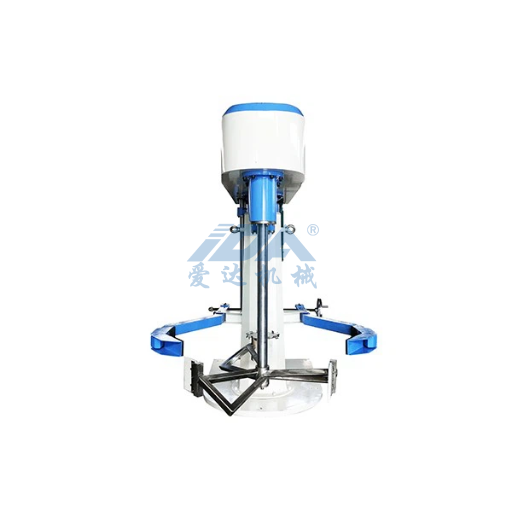
In the process of working with the high viscosity materials, the butterfly dispersers need to be strongly built and motor drives that can produce the torque necessary to overcome the resistance while dispersing. The normal torque capacity is from 100 Nm to more than 500 Nm with the indication of specific demand from the application. The disperser blades made of either corrosion-resistant stainless steel or hardened alloys are given the shape that applies the best shear force and thus dissolves and mixes the material evenly no matter the density.
| Specification | Range/Details |
|---|---|
| Torque Capacity | 100 Nm to 500+ Nm |
| Blade Material | Stainless steel or hardened alloys |
| Viscosity Range | Up to 500,000 centipoise |
| Drive System | Variable-frequency drives (VFDs) |
State-of-the-art models use variable-frequency drives (VFDs), which allow for very gradual speed changes depending on the changing material properties that are dynamically measured in real-time. The automatic sensors that have been installed as a part of the process control give a continuous snapshot of the viscosity, and the process is tightened around the specified limits.
New data echoes the need for operational flexibility and efficiency, which are the driving factors behind the implementation of digital monitoring systems that not only cut down energy consumption but also pull up production to the maximum. These new methods give the manufacturers the ability to exceed their limits when it comes to the quality and standard consistency of high viscosity material processing. This is then going on in the sectors of pharmaceuticals, coatings, and adhesives.
Types of Butterfly Dispersers: Dual Shaft vs. Standard
Butterfly dispersers are the most important part of the processing of high-viscosity materials and the right type of them is determined by the operation needs.
✓ Dual Shaft Mixers
- Main butterfly blade for low-speed, high-torque mixing
- Additional high-speed dispersing blade for fine dispersion
- Handle materials requiring extensive shear and thorough mixing
- Ideal for adhesives and coatings with complex compositions
- Reduce production time with consistent results
⚙ Standard Dispersers
- Single-type modified for blending applications
- Low-speed requirement operations
- Cost-effective with simple design
- May require longer processing time
- Best for less complex viscous materials
The latest research has indicated a growing trend in dual shaft designs because they are able to cut down on production time while giving very consistent products. The solution of dual shaft is supported in the market of highly viscous materials processing, where productivity is the only way to survive, as dual shaft mixers match the trend of optimizing output while lowering operational costs.
Hydraulic Systems in Butterfly Mixers
Hydraulic systems used in butterfly mixers play a significant role in terms of power efficiency, accuracy, and flexibility of operation. These hydraulic systems use the pressurized hydraulic liquid to create the necessary torque for the mixing to be done in a way that gives the fullest control over both speed and force. This exactness level is a very important point for all the processes that deal with high-viscosity materials since the uniform particle distribution is assured and the batch inconsistency is reduced.
Benefits of Hydraulic Systems
- Energy Efficiency: Adjust output according to resistance encountered, eliminating unnecessary power consumption
- Load Capacity: Capable of handling bigger loads while maintaining efficiency
- Real-Time Monitoring: Incorporate sensors and feedback systems for performance tracking
- Preventive Maintenance: Immediate problem detection minimizes downtime
These improvements are what place hydraulic systems as an essential element in the pharmaceutical, coating, and other industries where precision and efficiency are the most valuable factors.
Advantages of Using Butterfly Disperser Mixers
Mixing High Viscosity Materials Efficiency
Mixers with butterfly dispersers or venturi mixers are designed to confront the problems connected with high viscosity materials. These materials typically have a low mixing and a flow rate resistance due to their physical attributes. The butterfly disperser mixers have a solid construction that is built around the dual blades that resemble wings of a butterfly. This enables the creation of shear force and the free circulation of the materials. Hence, it can be said that mixing is guaranteed to some extent even in sophisticated mixtures. Examples of such mixtures are adhesives, sealants, and some polymers.
📊 Industry Reports Highlight:
- Reduction in processing time and energy consumption
- Maintain exact same quality throughout production
- Handle viscosities over 500,000 centipoise
- Advanced variable-speed drives for consistent batch production
- Automated control systems reduce human error
These characteristics place them at the forefront of solutions for the manufacturers who want to meet strict quality requirements in competitive markets.
Dispersing Capability Improvement
The improvements made in dispersing technologies have greatly increased the potential of butterfly disperser mixers to be used for a wider variety of materials as well as for materials with a high viscosity or that are sensitive to shear forces. The mixers, which make a combination of precision-engineered blades and optimized rotational dynamics, guarantee that the distribution of particles is uniform even at the micro or nano levels.
There is an increasing demand for the equipment that can cope with the growing complexity of formulations in industries like paints, adhesives, and pharmaceuticals according to the latest data derived from the search engine. This demand is a reminder of how important it is to innovate in dispersing systems to make them more adaptable to market trends such as customization of products, eco-friendliness, and so on, ultimately, improving the dispersing capabilities of the manufacturers. Thus, their production of market-effective volumes will not be at the cost of the quality of the production process.
Cost-Effectiveness and Reliability
Combining cost-effectiveness and reliability is the main principle in modern industrial dispensing systems that keep them competitive and reliable in their operations. The cost-effectiveness part is taken care of with the help of innovations that optimize the energy consumption of the process, reduce wasting of raw materials, and increase the speed of the process. For instance, development in the area of energy-efficient motors and precision-engineered components has greatly reduced the operational costs incurred during the equipment’s lifespan.
🌱 Sustainability Trend: There is a noticeable uptrend in the number of searches for “sustainable manufacturing processes” and “energy-efficient dispersing equipment,” which points to a growing industry trend towards the dual approach of functionality and sustainability.
In the same breath, reliability is tackled by the inclusion of durable materials as well as the incorporation of sophisticated monitoring systems into the machinery. Predictive maintenance technologies, which are based on the use of sensors and IoT integration, let manufacturers possibly prevent the occurrence of equipment failures thereby minimizing downtime and repair costs.
By giving priority to these factors, manufacturers are able to not only lower their total cost of ownership but also, at the same time, be in line with customer expectations and regulatory requirements.
Comparing Butterfly Disperser Mixers with Other Mixing Technologies

Butterfly Mixers vs. Traditional Mixers
Comparing butterfly mixer dispersers with traditional mixers reveals the most important differences, especially when the latest search trend data is taken into consideration. The butterfly mixers are equipped with a ‘butterfly’ type of blade structure which is the main reason for the improved shear and flow dynamics for both viscous and non-Newtonian materials. Butterfly mixers, unlike standard propeller or paddle mixers, provide an extremely good dispersion of materials which in turn makes it possible to evenly distribute all the substances like additives, fillers, and pigments in applications that need very high precision.
| Feature | Butterfly Mixers | Traditional Mixers |
|---|---|---|
| Energy Efficiency | Very high – lower operational costs | Moderate – higher energy consumption |
| Viscosity Handling | Excellent for high-viscosity fluids | Best for low to medium viscosity |
| Mixing Time | Shorter processing time | Longer for high-viscosity materials |
| Material Distribution | Uniform at all levels | May have inconsistencies |
| Sustainability | Environmentally friendly option | Standard environmental impact |
The search for ‘energy-efficient dispersing equipment’ is the major source of interest that points out one of the greatest benefits of butterfly mixers—their energy usage is very low but they are still very powerful. While traditional mixers are very effective in processing low to medium viscosity materials, they still have problems when it comes to working with high-viscosity fluids resulting in inefficiency and increased operational costs.
Advantages Over High-Shear Mixers
Butterfly disperser mixers have the upper hand over high-shear mixers by pinpointing the advantages that will be outlined below in energy-saving applications and careful material handling.
Key Advantages:
- Lower Speed Settings: Work at lower speeds without compromising homogenization efficiency, greatly reducing wear on components and extending equipment longevity
- Energy Efficiency: Consume significantly less power compared to shear-intensive systems, leading to substantial differences in operating costs
- Heat Generation: Minimal heat production makes them ideal for heat-sensitive formulations like glues, coatings, and pharmaceuticals
- Versatility: Handle wide viscosity range from low to high without quality compromise
- Material Integrity: Process composite materials without particle breakdown, strengthening position in advanced composites and specialty products
According to recent data, there is a growing trend of industries where versatile mixing solutions that can cater to a wide viscosity range are preferred if no compromise on the quality is made. There is a clear support from the current search trends that the adoption of butterfly mixers, which is motivated by efficiency and sustainability, corresponds with an important move towards green and innovative manufacturing technology. Through this, industries are capable of taking advantage of these benefits to enhance their productivity while at the same time reducing their environmental impact.
When to Choose a Butterfly Disperser Mixer
✓ Ideal Applications Checklist
- Manufacturing processes requiring efficient management of high-viscosity materials
- Uniform mixing of different components in mixtures
- Advanced composites, adhesives, sealants, and specialty coatings production
- Industries requiring energy efficiency and waste reduction
- Aerospace, pharmaceuticals, and electronics manufacturing sectors
- Applications demanding strict quality and consistency maintenance
The search engine data reveals that there is an increasing interest in the equipment that can offer energy efficiency and waste reduction in materials areas, which the butterfly disperser mixer being the one with very precise mixing capabilities as well as low operational footprint has been highlighted as a potential winner. The capability to provide consistent results even under complicated process conditions renders them to be the must-have tool for the most advanced and high-tech production processes.
Frequently Asked Questions (FAQ)
Reference Sources
- Mixing of Newtonian and Viscoelastic Fluids Using “Butterfly” Impellers – ScienceDirect
This paper explores the use of butterfly impellers for mixing high-viscosity and viscoelastic fluids, providing insights into industrial applications and efficiency. - Synthesis of Butterfly-Like Amphiphiles and Dispersion of Multiwalled Carbon Nanotubes in Aqueous Solutions – ACS Publications
This study discusses the dispersion of materials using butterfly-like amphiphiles, which may offer parallels to the principles of butterfly disperser mixers. - Mixer Development for Urea SCR Applications – SAE International
This research compares different mixer designs, including butterfly mixers, for urea dispersion in industrial applications, focusing on uniformity and performance. - Butterfly Disperser Mixer
Conclusion
Mixers branded as butterfly disperser types are known for handling substances having high viscosity for mixing. Their innovative structure which integrates baskets or blades in the shape of a butterfly with innovative methods of control enhances performance, quality and adaptability. Be it the manufacture of food items, drugs, chemicals or the paint industries, they are key technology elements that help in enhancing the quality of the manufactured goods.
This energy efficiency and labor-time saving feature along with outstanding durability gives good use for the manufactures who purchase the butterfly disperser mixer when they anticipate to carry out some improvements without compromising the regulation policies and exacting standards of manufacturing. As time goes on these mixers will play an even more major role in the development of the technology which shapes up the industrial mixing industry as industries grow better practices which are eco-friendly and cost effective.