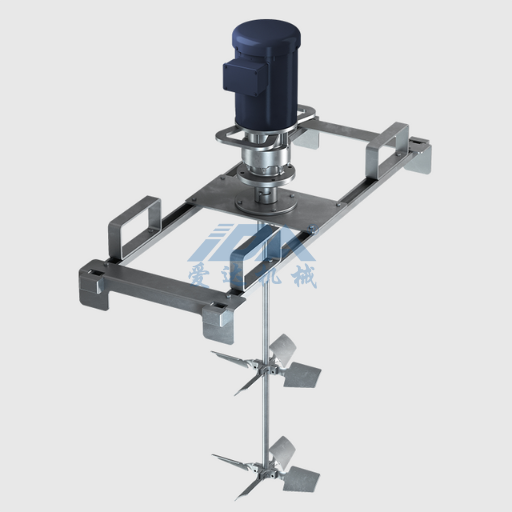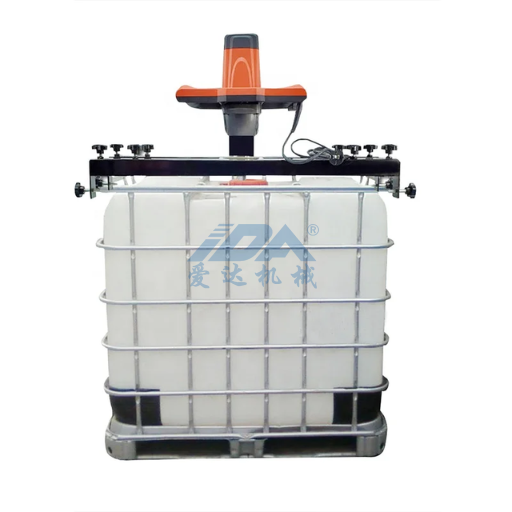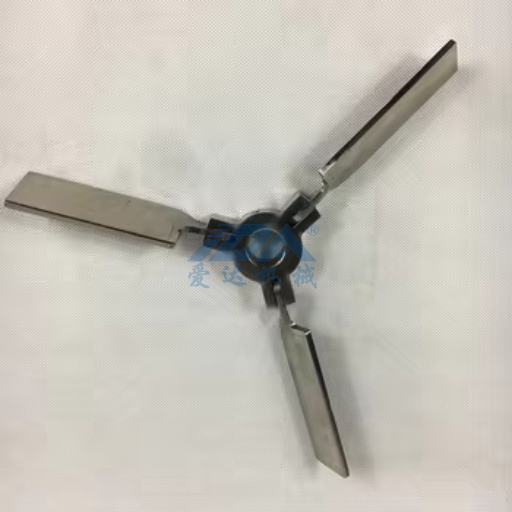
Get in Touch with IDA

Bubble-Free IBC Mixing: The Ultimate Solution for Precision Coatings

Contents
show
The production process demands precise work at all stages to create consistent high-quality coatings which depend on the particular mixing method used in production. This comprehensive guide explores groundbreaking developments in IBC (Intermediate Bulk Container) mixing technology which enables complete air removal to produce uniform material mixtures that comply with the highest industry standards.
Introduction to Precision Coatings
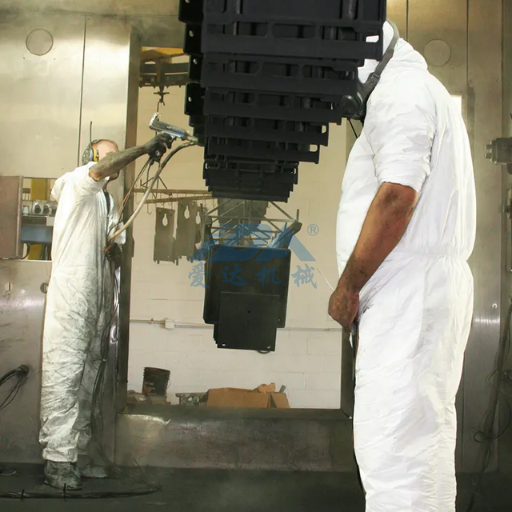
The Importance of Precision in Coating Applications
Coating applications need precise application methods to achieve their best performance and longest durability and most attractive appearance. Industry data shows that when coatings are mixed incorrectly or when there are coating inconsistencies, this results in defects that create uneven surface textures and decreased adhesion and faster material deterioration.
Key Industry Trends
- Increasing searches for “defect-free coatings” demonstrate rising need for precision solutions
- High-performance industrial coatings demand consistent material distribution
- Advanced agitation methods enable operators to correct air entrapment faults
IBC mixing technology creates bubble-free results by producing consistent material distribution, which decreases the chance of viscosity changes and pigment separation problems. The coating process needs high precision because this process helps to produce better long-term results and lower rework needs and meet strict customer requirements in high-quality industries.
Overview of Bubble-Free Mixing
Bubble-free mixing functions as an essential requirement for all electronic and aerospace and medical device manufacturing operations because any small defect in these systems will damage their operation and durability. The process uses advanced degassing techniques together with vacuum systems to remove air pockets, which guarantees the materials will achieve homogeneous distribution.
Critical Applications Requiring Bubble-Free Mixing
Semiconductor Encapsulants
Prevents electrical failures in components
Adhesive Production
Maintains bond strength and product lifespan
Medical Devices
Ensures operational reliability and safety
The adoption of bubble-free mixing enables manufacturers to create accurate viscosity profiles while preventing structural inconsistencies and improving the adhesion of their coatings and substrates. The process improves product reliability while helping companies to meet all mandatory requirements of regulatory and quality standards in critical industries.
Challenges in Achieving Air-Free Mixing
Air-free mixing operations experience major technical difficulties that arise from handling both highly viscous substances and materials with complex rheological behavior. The primary problem arises from the challenge of completely degassing materials when they are being mixed, which becomes more difficult in industrial operations that handle large volumes of material.
| Challenge | Impact | Solution |
|---|---|---|
| Material Composition Variables | Air entrapment during mixing | Advanced parameter monitoring |
| Mixing Speed Control | Inconsistent batch outcomes | Sophisticated automation systems |
| Pressure Changes | Product quality variations | Dual planetary mixers with vacuum systems |
| Environmental Conditions | Compromised material integrity | Real-time quality assurance systems |
The modern manufacturing environment requires manufacturers to implement real-time quality assurance systems, which include in-line gas content monitoring, to address these challenges and achieve their quality requirements. Sectors such as aerospace, electronics, and medical devices require strict compliance with their air-free product regulations, which creates additional requirements.
Understanding IBC Tote Mixers

What is an IBC Tote Mixer?
The IBC tote mixer functions as an industrial mixing device which performs its mixing operations by executing its work directly inside an IBC tote. The mixers operate with standard IBC totes which function as large portable containers that multiple industries use to store and move bulk liquids and semi-solid materials.
Key Features of Modern IBC Tote Mixers
- Variable Speed Control: Precise impeller designs for optimal mixing results
- Portable Design: Enhanced productivity with reduced operational downtime
- User-Friendly Operation: Simplifies industrial mixing processes
- Container Protection: Prevents damage to tote during operation
These mixers are essential for production processes in chemical manufacturing and food and beverage processing and pharmaceutical production and coatings industry because these fields require identical quality in every production run.
Components of IBC Tote Mixing Systems
The IBC tote mixing system includes different components which improve mixing efficiency and guarantee system reliability throughout its operational life. Understanding each component is essential for optimal system performance.
Mixing Motor & Drive System
Electric or pneumatic motors provide sufficient power for mixing operations. Variable speed drives (VSD) technology enables precise speed control for different viscosities and material volumes.
Agitator Blades or Impellers
Fundamental elements generating turbulence movement through the container. Includes axial flow impellers, radial flow impellers, and folding blades for uniform consistency.
Mounting Systems
Strong mounting systems including bracket mounts, bridge mounts, and clamping systems ensure mixer stability during operations and accommodate different IBC tote designs.
Sealing Mechanism
Essential elements preventing leaks and contamination. High-quality seals protect both the material being mixed and the surrounding environment for hazardous or sensitive substances.
Control Panels
Advanced control systems featuring digital displays, programmable functions, and safety features. Enable operators to track and adjust speed, mixing duration, and energy consumption.
Portable Frame or Stand
Enables equipment movement between locations and totes, leading to decreased downtime and improved operational flexibility across various production settings.
The combination of these components enables IBC tote mixing systems to deliver consistent high-quality mixing results which extend across multiple industrial sectors. System performance receives enhancement through advanced technology which uses IoT-enabled sensors and data monitoring systems to achieve system efficiency while meeting industry regulatory requirements and enabling predictive maintenance.
How IBC Technology Enhances Mixing Efficiency
IBC (Intermediate Bulk Container) technology uses advanced engineering methods and state-of-the-art technologies which include IoT capabilities and real-time data analysis to improve mixing efficiency. The IBC system uses dedicated agitators and mixing elements which create homogeneous product distribution to achieve exact mixing results.
IoT-Enabled Monitoring Capabilities
Viscosity Tracking
Real-time monitoring
Temperature Control
Continuous analysis
Mixing Speed
Automated adjustment
Predictive Maintenance
Prevents downtime
The latest data shows that IBC technology provides pharmaceutical and food and beverage and chemical industries with flexible substrate handling capabilities which enable them to process multiple materials. The systems provide essential support for companies which need to achieve consistent results between different batches because they help build sustainability while cutting operational expenses.
Technical Challenges of Air-Free Mixing

Common Problems: Air Entrapment and Material Inconsistencies
The mixing processes of pharmaceutical and food manufacturing operations face their toughest difficulties through air entrapment and material inconsistencies. Air entrapment occurs when pockets of air are introduced into the material during mixing, which can lead to compromised product quality, reduced structural integrity, and issues during downstream processing.
| Problem Type | Causes | Advanced Solutions |
|---|---|---|
| Air Entrapment | Excessive mixing speed, improper impeller placement | Dual planetary mixers with vacuum systems |
| Material Inconsistencies | Failed homogenization, uneven component distribution | Vacuum-based mixing systems with precise controls |
| Batch Variability | Inadequate mixing speed and duration | Automated control systems with real-time monitoring |
The latest search trend data shows that industries now focus on developing solutions which will resolve these particular business challenges. The innovations create uniform mixtures through their air-free environments and exact control systems which completely remove trapped air, enabling manufacturers to deliver reliable products while minimizing waste and achieving compliance with strict industry regulations.
The Role of Impellers and Blades in Mixing
Impellers and blades function as essential components which determine how well different industries achieve effective and uniform mixing processes across their operations. Impellers use rotational energy to create motion and drive fluid movement which results in flow patterns that enable materials to combine with each other.
Impeller Design Types and Applications
Axial-Flow Impellers
Function: Create vertical movement for solid suspension and blending operations
Best For: Low to medium viscosity materials, particle suspension
Radial-Flow Impellers
Function: Generate high shear forces for intensive mixing processes
Best For: Emulsification, high-viscosity materials, dispersion
Mixed-Flow Impellers
Function: Combine axial and radial flow patterns for versatile applications
Best For: Complex rheological materials, multi-phase mixing
Blades’ profiles—ranging from flat to curved or pitched—determine the shear rate and flow behavior, allowing customization for specific viscosities and materials. The current data shows that high-efficiency impeller designs which depend on computational fluid dynamics (CFD) simulations have become more popular among users because they improve operational efficiency while decreasing energy use.
Vortex Creation and Its Impact on Mixing Quality
The formation of vortexes during mixing operations stands as the primary factor which impacts both operational efficiency and product consistency. The mixing vessel experiences a vortex creation process which occurs when rotational energy produces a low-pressure area that forms a depression. The phenomenon increases fluid movement in both vertical and horizontal directions, which proves essential for ingredient mixing and heat distribution.
Vortex Control Methods
Baffle Installation
Strategic placement disrupts excessive vortex formation while maintaining necessary turbulence
Impeller Positioning
Optimized placement prevents air entrainment and ensures uniform mixing
CFD Analysis
Computational tools optimize parameters for ideal mixing quality and energy efficiency
The process of uncontrolled vortex creation leads to three problems which include air entrainment and decreased mixing efficiency and uneven material distribution. The latest data from search trends and scholarly sources shows that industries now use innovations to decrease excessive vortex creation, which prevents performance problems while providing enough turbulence to ensure complete mixing operations.
Benefits of Advanced IBC Mixing Systems

Improved Product Quality through EvenMix® Technology
EvenMix® technology uses its patented mixing blades which have variable pitch capabilities together with its advanced drive systems to distribute materials evenly throughout Intermediate Bulk Containers (IBCs). The technology achieves homogenization improvement through computational modeling and advanced engineering design which eliminates dead zones and maintains consistent material movement throughout the container.
EvenMix® Performance Advantages
- Enhanced Homogenization: Patented blade design creates optimal shear and flow dynamics
- Energy Efficiency: Low-energy drive systems achieve power savings while delivering optimal results
- Reduced Mix Times: Advanced engineering decreases processing duration significantly
- Minimized Material Waste: Eliminates dead zones for complete material utilization
- Consistent Batch Quality: Ensures uniformity across all production runs which results in identical product quality for every manufacturing process.
- Cost Savings: Improved efficiency of operations leads to decreased expenses for the organization.
Recent search data analysis shows that users establish EvenMix® systems as the standard which enhances product quality between food processing and pharmaceutical and chemical industries. EvenMix® maintains its position as the leading IBC mixing solution provider through its ongoing development of dependable products which meet the needs of demanding operational environments.
Reduction of Waste and Resource Efficiency
Waste reduction together with resource efficiency enhancement has emerged as an essential requirement for businesses that seek to achieve both financial success and environmental sustainability. The systems demonstrate this goal through their advanced computational fluid dynamics (CFD) technology which enables better mixing results while using less energy to achieve distinct material blending.
Resource Efficiency Impact
20%
Waste Reduction
↑
Energy Efficiency
↓
Operational Costs
The search analytics trends which monitor platforms show that users have developed an increasing need for sustainable manufacturing methods. The industrial sector has shifted its focus towards two main topics which involve “how to reduce industrial waste in mixing operations” and “energy-efficient industrial mixing solutions.” The evidence shows that businesses need to combine environmentally sustainable methods with modern technological solutions to accomplish their resource conservation objectives while achieving operational efficiency.
Sanitary Mixing Solutions for Sensitive Applications
The rising interest in “sanitary mixing solutions for sensitive applications” demonstrates that people now understand the importance of maintaining hygienic conditions and safety standards while achieving operational efficiency in pharmaceutical and food and beverage and biotechnology industries.
Key Sanitary Features
- ▪
Polished Surfaces: Mirror-finish stainless steel prevents bacterial adhesion and simplifies cleaning - ▪
CIP (Clean-in-Place) Technology: Automated cleaning without equipment disassembly - ▪
SIP (Sterilize-in-Place) Systems: In-situ sterilization for pharmaceutical applications - ▪
FDA-Compliant Materials: Certified components meet stringent regulatory requirements - ▪
Magnetic Mixers: Hermetically sealed systems prevent contamination - ▪
Sealed Shaft Design: Eliminates bacterial accumulation in hard-to-reach areas
The features of these products protect against cross-contamination while providing complete cleaning capabilities and adhering to strict regulatory requirements. The companies in these industries can achieve better operational performance through these technologies while maintaining the strict hygiene requirements needed for their sensitive operations.
Best Practices for Implementing Bubble-Free Mixing

Choosing the Right IBC Tote Mixer for Your Needs
The process of selecting an IBC (Intermediate Bulk Container) tote mixer demands a systematic method which requires both application understanding and precise data analysis. The mixed material’s viscosity and required mixing speed and container dimensions form the critical elements of this assessment.
IBC Mixer Selection Checklist
- Material Viscosity Assessment: The testing procedure needs to apply stronger torque motors for high-viscosity materials which include adhesives and high-speed impellers for testing low-viscosity liquids.
- Variable Speed Control: The system needs this feature because it helps to match various material properties while stopping air from entering the system.
- Container Compatibility: The mixer needs to support different IBC tote sizes to provide operational freedom for its users.
- Energy Efficiency: The study needs to analyze power usage patterns because this knowledge will help develop sustainable solutions which also deliver cost-effective results.
- Ease of Maintenance: The system uses collapsible impellers which work with quick-clamp mounting systems to make both setup and cleaning processes easier.
- Hygiene Standards: The food-grade and pharmaceutical requirements need verification to ensure compliance with FDA and cGMP standards.
- User Feedback Review: The evaluators will examine operational results through industry testimonials and case studies.
The current search data shows that users prefer mixers which offer both adjustable speed control and compatibility with multiple IBC tote sizes. The decision-making process gives high importance to energy efficiency and cleaning simplicity because organizations now focus on sustainable practices and cost-efficient operations.
Optimizing Mixing Parameters for Air-Free Results
The process of achieving air-free results in mixing requires precise monitoring of essential mixing parameters. The mixer operator must maintain control over the rotational speed since excessive speeds will create a vortex that introduces air into the mixture.
| Parameter | Optimization Strategy | Expected Outcome |
|---|---|---|
| Rotational Speed | Use slow-speed high-torque mixers to reduce turbulence | Minimized air entrapment |
| Impeller Positioning | Position at bottom center of container | Regular flow patterns, reduced surface air intake |
| System Configuration | Closed systems with vacuum seals and inert gas purging | Complete air contamination prevention |
| Equipment Calibration | Regular calibration tests and maintenance | Accurate results, regulatory compliance |
Pharmaceuticals and high-viscosity polymer industries require closed mixing systems which use vacuum seals and inert gas purging to avoid air contamination in their products. Data trends analyzed from search engines indicate a rising preference for these systems, largely driven by their ability to enhance mixture homogeneity and prevent contamination through precise environmental control.
Industry Innovations and Future Trends in Mixing Technology
The emergence of smart sensors, together with advanced automation systems, represents the most important technological breakthrough that will define upcoming developments in mixing technologies. Smart sensors deliver real-time information about viscosity and temperature and shear rate which enables the system to adapt its mixing process to changing conditions.
Industry 4.0 Integration in Mixing Technology
IoT-Enabled Equipment
Real-time monitoring of viscosity, temperature, and shear rate for adaptive process control
Machine Learning Algorithms
Analysis of historical data to determine optimal mixing settings and predict outcomes
Predictive Maintenance
Advanced diagnostics prevent equipment failures and minimize production downtime
Automated Quality Control
Continuous monitoring ensures consistent product quality and regulatory compliance
The pharmaceutical and specialty chemical sectors require such controls because even minor product variations will lead to product quality issues. The implementation of intelligent control methods brings about increased operational effectiveness, production flexibility, and adherence to high-quality standards. Companies are directing their financial resources toward these advanced solutions to gain a competitive edge within the fast-growing, increasingly intricate market environment according to search engine data about user interest.
Frequently Asked Questions
How does an IBC mixer prevent bubbles during 3D mixing in an IBC tote?
The IBC tote 3D mixing process uses controlled impeller blades together with optimized vortex patterns to achieve bubble-free performance which protects liquid contents during container circulation. The mixing blade position together with sanitary impeller designs which produce low shear force enables effective reductions of foam creation and undesirable air intake. The 3D mixing technology achieves product distribution from the container base to its top section which helps eliminate dead zones that occur during mixing. The use of stainless steel food-grade components ensures that sanitation standards stay intact throughout the entire mix and blend operation.
Can a tote mixer with vortex and 3D mixing capability eliminate foam and air bubbles?
The tote mixer which uses a controlled vortex together with its 3D mixing system effectively reduces foam and air bubbles because it produces gentle circulation. The system prevents air entry into the liquid and excessive turbulence creation because it uses fixed pitch impeller blades and vertical impellers which draw fluid from the container base. Air-powered and electric drive systems should use variable speed control to enable users to select operational speeds that match different fluid properties. The correct implementation of startup procedures together with controlled speed increases prevents foam formation while extending the operational lifespan of impeller blades.
What are best practices for using an IBC tote mixer to mix high viscosity liquids without causing bubbles?
The IBC mixer requires a 3D mixing design which features strong impeller blades to achieve effective mixing results for high viscosity products. The operation should proceed at reduced RPM levels to enable effective tank agitation through its capacity to deliver additional power. The process of mixing using a drum mixer or tank mixer with wide pitch impellers enables the achievement of an even mix, while the end of the mixing process needs to be controlled to prevent air production. The design of sanitary seals together with food-grade stainless steel construction prevents contamination in sensitive applications while specially engineered agitators enhance circulation in formulations that pose difficulties. Maintenance of consistent mixing performance requires ongoing monitoring of impeller blades and seals.
How do blade design and mixing technology work together to achieve complete air bubble elimination?
The appropriate pitch and blade profile of impeller blades can create a continuous fluid flow that brings liquid into the system while preventing surface movement from drawing air into the environment. The combination of 3D mixing solutions and advanced mixing technology produces circulation patterns that distribute materials throughout the vessel without creating air bubbles. A vertical agitator or specially designed blade system creates laminar flow throughout the container’s bottom area which prevents chemical or viscous products from creating foam during processing. The combination of sanitary stainless steel components with appropriate impeller blade selection based on liquid viscosity requirements protects product quality while minimizing contamination threats. Variable speed control enables customization of mixing operations while stopping high-velocity mixing from producing air bubbles.
Do sanitary IBC mixers exist for food-grade mixing without producing bubbles?
Sanitary IBC mixer options exist that use food-grade stainless steel, hygienic seals, and polished surfaces to maintain product integrity while minimizing air bubbles and foam. These mixers use 3D mixing designs together with gentle impeller blades to achieve uniform mixing throughout the system while maintaining low surface activity that would result in air bubbles entering the liquid. The use of a hygienic CIP-compatible mixer for sensitive formulations allows for efficient cleaning which maintains sanitary conditions while delivering high-quality continuous production. The majority of sanitary tote mixers provide fixed pitch and custom impeller blade options which enable operators to create mixing equipment that matches product viscosity and rheological properties while preventing foam formation during the process.
Which industrial IBC applications require mixers with bubble control and 3D mixing capabilities?
Commercial IBC tote mixers and drum mixers use 3D mixing motion together with vortex control and specialized impeller blades to achieve low air bubble formation while maintaining industrial-strength performance. The mixing unit needs to provide adjustable torque and speed together with stainless steel construction and impeller designs which handle both high and low viscosity liquids to achieve uniform mixing throughout the container. The product requirements for sensitive quality control are met by models which include circulation technology, sanitary seals, and food-grade components. The evaluation process requires assessment of the mixer type which can operate through air power or electric power and the available blade options which include fixed pitch and custom blades for different solvents and chemicals. The correct equipment selection and setup will reduce foam production while preventing air contamination and extending the lifespan of impeller blades while achieving desired mixing results.
Reference Sources
Bubble Mobility in Seawater
ScienceDirect – Study exploring bubble dynamics and interactions for bubble-free mixing processes
Research on bubble behavior during free-rise, bouncing, and coalescence
Chemical Reactor Modeling
SpringerLink – Resource discussing bubble-free liquid dynamics in reactor systems
Comprehensive analysis of precision mixing in chemical reactors
Dynamic Single-Use Bioreactors
SpringerLink – Paper examining bubble-free surface aeration in modern bioreactors
Applications to liter and m³-scale biotechnological processes