Get in Touch with IDA

Vacuum Basket Mills: The Secret to Bubble-Free High Viscosity Grinding

Contents
show
Understanding Vacuum Basket Mills
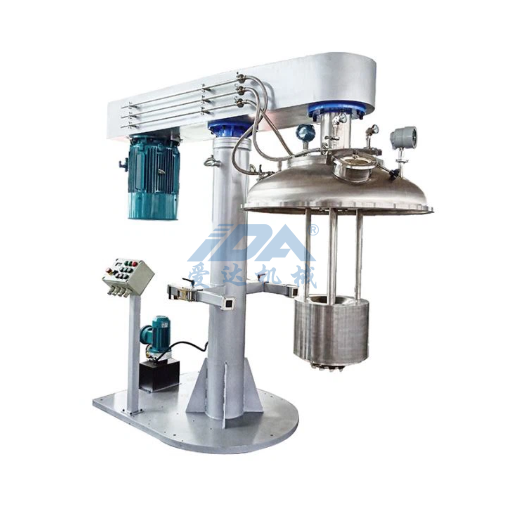
What is a Vacuum Basket Mill?
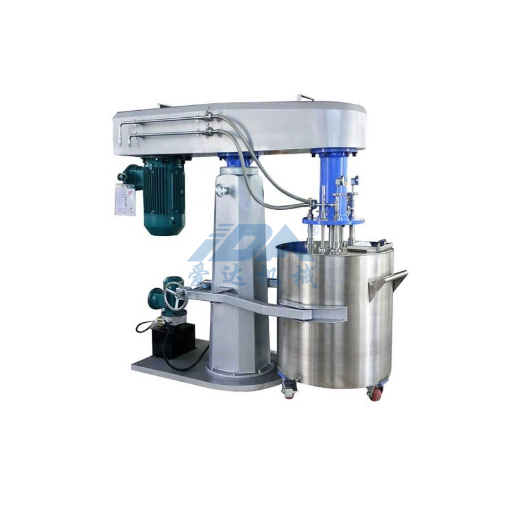
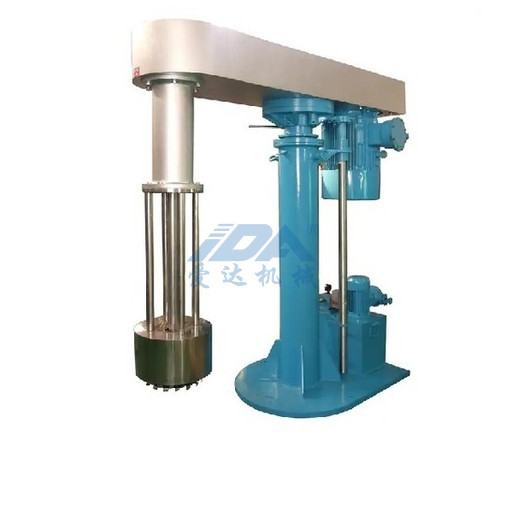
A vacuum basket mill operates as an industrial machine which uses its grinding capabilities to process high viscosity materials for fine grinding and material dispersion. The system uses a milling basket which contains grinding media together with a vacuum system to improve its grinding performance. The mills remove all trapped air and gas from products by operating in a vacuum state which results in smoother product textures while preventing bubble formation and other texture defects. The vacuum environment enables better material wetting which results in improved pigment dispersion and produces smaller particle sizes. The production processes of multiple industrial applications now use vacuum basket mills because these machines can process difficult materials while producing high quality results.
How Vacuum Basket Mills Compare to Other Mills
The distinctive features and benefits of vacuum basket mills establish them as a separate milling technology which operates differently from other milling methods. The vacuum basket mills operate their processing systems through a controlled vacuum environment which prevents air from being trapped inside the equipment throughout their entire processing cycle. The production process results in reduced defects because The process produces The final product. The advanced vacuum system enables The equipment to achieve both pigment dispersion and particle size reduction through its effective system design.
| Mill Type | Vacuum Integration | Primary Outcome |
|---|---|---|
| Three-roll Mills | Manual / Atmospheric | Open processing, variable results |
| Standard Basket Mill | No Vacuum | Efficient grinding, air entrapment risk |
| Vacuum Basket Mill | Integrated System | Bubble-free finish, oxidation-free |
The three-roll mills handle materials with different viscosities while vacuum basket mills provide more versatile solutions which operate in multiple industrial applications. The integrated vacuum system of the system processes materials which would otherwise experience oxidation or contamination while maintaining their original properties. The vacuum basket mills enable production efficiency through their ability to process materials at faster rates while their streamlined operations reduce cleaning requirements and simplify material transition. Industries which focus on achieving stable production processes choose this system because it delivers both economical benefits and modern technology together with constant product excellence.
Vacuum Basket Mill Key Components
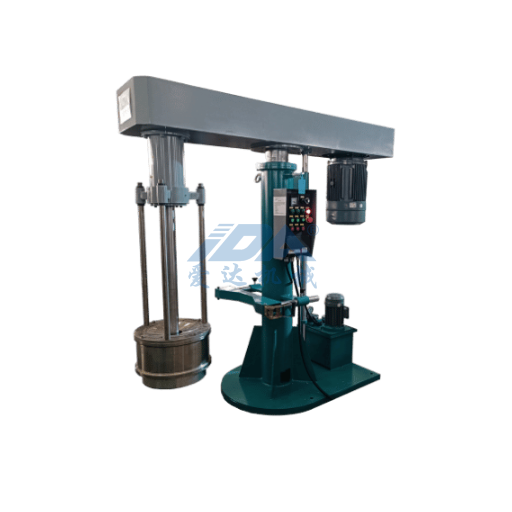
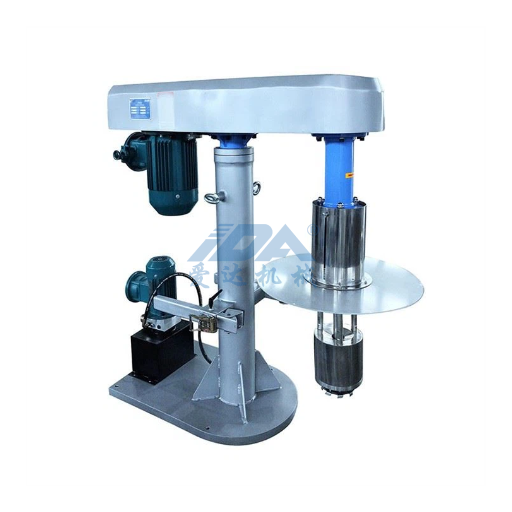
The vacuum basket mill system uses its main components to achieve two goals which include efficient grinding operations and safe handling of products.
1. Milling Basket
First, the milling basket itself is a critical part of the system. The location of the grinding media which includes beads occupies this space while the equipment enables complete dispersion and reduction of particle size. The media containment basket uses an integrated screen system which allows processed materials to exit while keeping media inside the basket. The system operates as a mixing and grinding system which achieves consistent results through its operational design.
2. Vacuum System
The high-performance vacuum system serves as an essential component because it helps to eliminate all trapped air from the product. This process becomes vital when dealing with materials which two chat groups that include oxidation-sensitive materials and bubble-free finish requirements. The vacuum system controls dispersion operations which helps to decrease contamination risks while enhancing product quality.
The milling operation depends on the mill motor and shaft assembly which offers both power and stability to maintain continuous operations. The system enables grinding media to reach their optimal speed to achieve effective particle size reduction. Modern vacuum basket mills distinguish themselves through their advanced control systems together with their user-friendly operator interfaces. The components give operators the ability to control three system elements which include speed and time and vacuum pressure with high accuracy. The new control system increases product consistency which helps businesses with multiple products to switch materials quickly while reducing operational interruptions. The system uses these components to create a vacuum basket mill system which fulfills the high operational requirements of current industrial and research needs.
The Technology Behind Bubble-Free Grinding
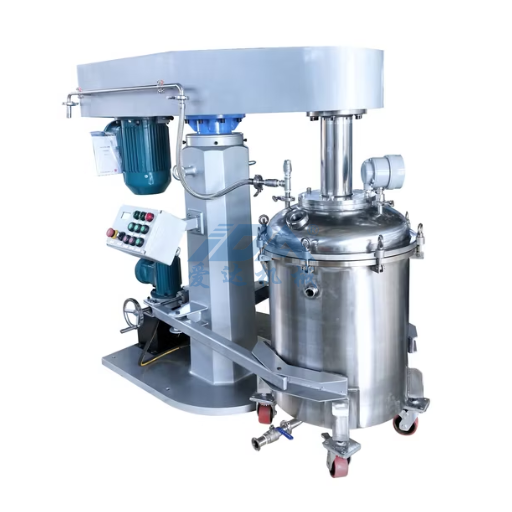
Principles of Vacuum Grinding
The vacuum grinding method functions through its ability to create vacuum space which decreases air volume inside the grinding chamber, thereby preventing bubble and air pocket formation during the grinding operation. The vacuum system creates a low-pressure environment which stops air from entering the material, resulting in even distribution of material across the surface. The process of removing enclosed air spaces improves the final product surface quality while eliminating risks of developing pinholes and losing structural strength.
This method functions best in applications which require both high accuracy and consistent results, particularly for manufacturing coatings and inks and high-tech materials. The modern vacuum basket mills operate under optimal conditions because they use advanced sensors together with automated control systems. The advanced technologies enable continuous tracking of essential metrics like pressure and temperature and viscosity, which results in stable production of top-quality outcomes.
Benefits of Bubble-Free Grinding in High Viscosity Materials
Bubble-free grinding in high viscosity materials provides multiple advantages which benefit sectors that need exceptional product quality and operational performance. The process removes air from the material which results in constant product consistency from beginning to end. Air bubbles must be removed from specialty inks and adhesives and coatings because they interfere with product functionality and product stability. The dispersion process becomes more effective through bubble-free grinding because it produces a uniform mixture which decreases the chance of material failures. The product achieves better aesthetic results because air bubbles are eliminated, which enhances its visual clarity and gloss and color consistency that major applications require. Bubble-free grinding reduces the chance of product rejections or failures which results in decreased production expenses and increased business profitability. The process achieves product quality excellence while satisfying specialized industry requirements for high-performance materials.
The Various Industries That Use Vacuum Basket Mills
Coatings & Inks
The primary purpose of these systems is to produce superior coatings which require their operators to achieve uniform particle dimensions while creating a formulation that contains no bubbles. The manufacturing process of electronic inks and pastes relies on these materials because they maintain the necessary conductivity and adhesion characteristics.
Medical & Cosmetic
The pharmaceutical and cosmetics sectors use vacuum basket mills to produce smooth and uniform products which include creams and ointments and gels that meet all necessary quality and safety requirements.
Food & Beverage
The food and beverage industry uses them to grind and mix flavorings and colorings and nutritional additives which improve both flavor and visual presentation.
Summary
Vacuum basket mills serve essential functions in industries that require consistent product quality because they provide accurate particle size control and complete removal of trapped air bubbles.
Operational Insights for Laboratory Use
Vacuum Basket Mill Operation in Laboratory Settings
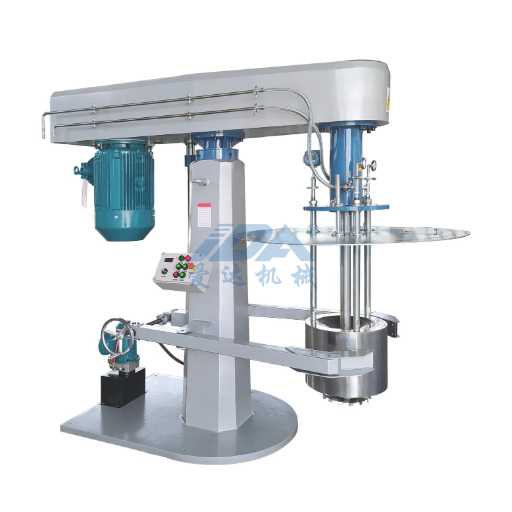
The vacuum basket mill needs proper setup procedures to achieve maximum performance while maintaining operational reliability during laboratory testing. The machine must be installed on a vibration-free surface which provides stability to prevent any external movement during its operation. All components including the basket and milling chamber and rotor need to be cleaned to remove all contaminants before assembly because impurities will affect test results.
Best Practices for Manual Grinding Operations
1
Start by selecting the right type of grinding tool and abrasive material suited for the specific material being processed. The grinding surface needs to be cleaned because all debris must be removed.
2
The grinding process requires operators to maintain equal pressure while performing consistent motion throughout their work to achieve proper surface results.
3
The workers need to use personal protective equipment which includes safety goggles and gloves and a dust mask to protect themselves from hazardous particles.
The execution of manual grinding work requires both the correct preparation methods and the correct operational methods to achieve results that maintain both consistency and precision. The workspace requires proper ventilation systems to operate safely while the dust collection systems need to function properly to reduce airborne contaminants.
Safety Considerations for Vacuum Basket Mills
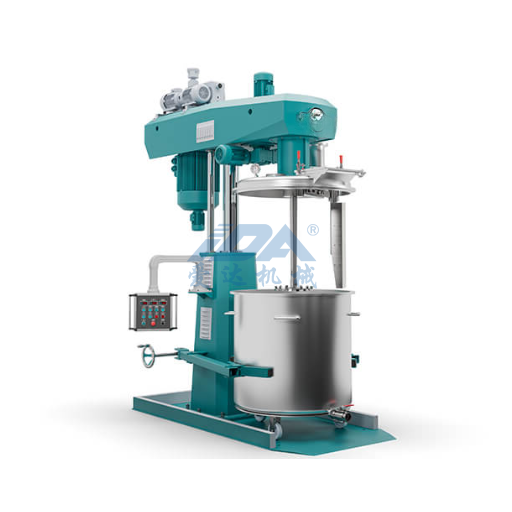
The primary goal of using vacuum basket mills includes maintaining protection for the workers who operate these machines. The user manual needs to be read completely because it contains all the safety procedures which need to be followed according to the equipment requirements. The operators need to use personal protective equipment which includes gloves and safety glasses and hearing protection to protect themselves from the potential hazards which include splashes and noise and material impacts. The mill requires all safety interlocks and emergency stop systems to operate correctly before starting any operations. The operation requires the use of splash guards or containment systems which protect material from escaping and prevent hazardous spills. The mill operation requires placement in a space which provides adequate ventilation to prevent workers from breathing toxic gases or volatile materials which are produced during milling. The vacuum basket mill needs regular inspections and maintenance because these processes help to detect any wear or damage that poses safety risks.
Comparing Different Types of Mills
Bead Mills vs. Vacuum Basket Mills
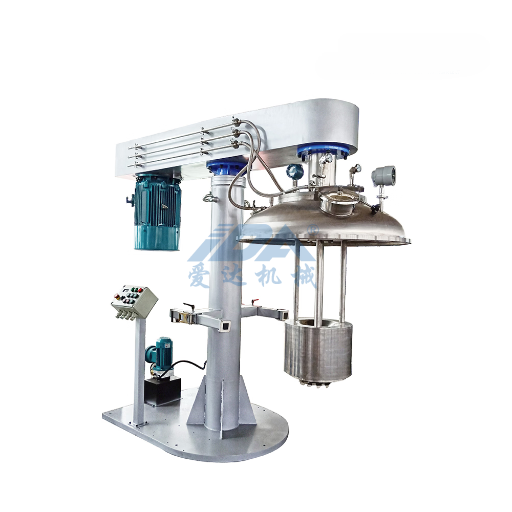
The design and operation of bead mills and vacuum basket mills show distinct differences which determine their optimal use for specific applications. Bead mills use grinding beads together with high-shear technology to create finely dispersed materials through particle size reduction. Their enclosed system design creates a low contamination possibility which enables reliable temperature management that benefits both pharmaceutical and ink and coating production processes. Bead mills operate at higher speeds because they can produce continuous output which enables them to handle extensive production needs.
Vacuum basket mills provide an alternative set of benefits which differ from other systems. The system operates with a self-contained basket which contains beads to achieve both grinding and dispersion functions. The ability of vacuum basket mills to function in vacuum environments allows them to produce products which possess an excellent surface finish because it prevents air entrapment. This feature proves essential for producing materials which require consistent texture and homogeneity, especially in high-performance coatings and certain adhesives. The simple design of vacuum basket mills enables users to perform cleaning and maintenance tasks which makes them suitable for facilities that handle multiple product transitions throughout the day.
Exploring the Immersion Mill and Its Applications
The immersion mill functions as a flexible and effective equipment solution which industries use for producing coatings and inks as well as cosmetics and pharmaceuticals. The system operates through its rotating shaft which it submerges into a material batch while using shear force together with grinding media to create fine particle distribution and complete material mixing. The system’s primary strength enables it to handle extremely thick materials while sustaining uniform operational outcomes. Modern immersion mill technology currently achieves advancements through improved energy efficiency together with enhanced control systems that manage temperature and particle size distribution.
When to Use a Sand Mill for Wet Grinding
Sand mills operate as ideal equipment for wet grinding processes which require both fine particle dimensions and exceptional material distribution. The equipment functions best in industries that produce coatings inks and pigments because these industries need to create products with evenly distributed particle sizes. The design of sand mills enables them to process materials with high viscosity which makes them appropriate for difficult product recipes that need thorough mixing. The equipment operates well in situations which require precise temperature management because it uses special grinding methods to remove heat from the grinding process.
Maximizing Efficiency in Pilot Plant Operations
Scaling Up from Laboratory to Pilot Plant
The transition from laboratory operations to pilot plant operations requires multiple factors that must be resolved to achieve operational efficiency. The first requirement involves keeping all process parameters at stable levels which include temperature and mixing speed and pressure since these parameters will show different results in laboratory experiments and pilot plant tests. The selection of equipment serves as a critical factor because laboratory equipment needs to provide different capabilities than what pilot-scale production demands. The use of advanced monitoring systems allows operators to receive real-time process efficiency data which they can use to adjust production parameters for maximum output. When laboratory experiments produce accurate data researchers can use this data to make system adjustments based on scaled volume differences between equipment and operational parameters.
Choosing the Right Mixer for Your Vacuum Basket Mill
The specific requirements of your application define which mixer should be selected for your vacuum basket mill. The suitable mixer type depends on three key factors which include viscosity and particle size distribution and throughput capacity. High-shear mixers perform best when the application needs to achieve fine dispersion together with complete material blending whereas low-shear mixers suit materials that cannot endure shear stress. The mixer’s material must be tested for processing substance compatibility because it establishes whether contamination or corrosion will occur. The system becomes more efficient and adaptable through its advanced features which include variable speed controls and programmable settings and easy cleaning mechanisms. The assessment of these criteria enables your vacuum basket mill to achieve flawless operation while producing consistent high-quality outcomes.
Integrating Dispersers and Dissolvers into Your Process
To implement dispersers and dissolvers into your production process, you need to develop an effective plan while understanding your actual needs for processing work. The devices serve as essential components which enable manufacturers to create products with consistent particle sizes while improving solving power and maintaining product quality standards. The selection process for dissolvers and dispersers should focus on three main factors which include material viscosity and production capacity and specific processing requirements. The advanced technology of modern dispersers and dissolvers includes their capacity to perform high-shear mixing operations and their energy-saving motor systems which enable them to manage multiple tasks successfully. The production line requires equipment compatibility with existing systems which include vacuum basket mills to create an effective and smooth operational workflow.
Reference Sources
Frequently Asked Questions (FAQs)
1. What is a vacuum basket mill and how does it mix and disperse materials?
The vacuum basket mill operates as a grinding machine which uses reduced pressure to process powders and pigments through its grinding basket system. The system operates by filling a grinding basket or chamber with zirconia beads as grinding media while an impeller or disc creates a vortex which achieves efficient mixing. The vacuum environment enables fine grinding and homogenization processes which are used to handle sensitive materials such as inks and coatings.
2. How does the grinding basket and grinding media affect fine grinding performance?
The grinding basket and grinding media determine contact mechanics and energy transfer, which directly influence particle size reduction to micron or even nano ranges. The combination of zirconia beads as bead material and the specific settings of circulation and impeller speed results in improved dispersion and fine grinding performance. The grinding basket design enables effective grinding operations because it eliminates dead zones and enables complete material processing.
3. Can vacuum basket mills handle both batch and continuous processing for pigments and powders?
The vacuum basket mills operate in both batch and continuous modes because their operation depends on the design of the vessels and the circulation methods used. The system performs best with small batch production because it allows for control of pigment materials residence time and achieves high-quality dispersion results. The system uses circulation loops and pumps in its continuous configurations to achieve stable particle size results while increasing production efficiency.
4. What are the benefits of utilizing a vacuum basket mill for producing nanometer and micron-sized particles?
The vacuum basket mill system provides researchers with a contamination-free milling method which enables them to produce nano and micron-sized particles through repeated mechanical impact. The process of reducing pressure enables better dispersing and grinding because it prevents air from entering the system and oxidizing material which leads to high-quality pigment and special powder production. The system achieves nano-scale uniform dispersion through its precision-designed impeller and disc components together with its optimized selection of grinding media.
5. How do you maintain and clean a vacuum basket mill to prevent residue and ensure longevity?
The cleaning process of the vessel and grinding basket and sieves needs to happen regularly because this practice helps prevent residue buildup and protects against cross-contamination between different batches. The laboratory bead mill and pilot plant systems operate at reduced downtime because their cleaning systems and ss304 materials enable quick equipment changes. The team needs to inspect grinding media and seals at regular intervals to sustain operational efficiency while stopping vacuum leaks.
6. Which dispersing and grinding technologies are most suitable and what safety options exist?
Modern vacuum basket mills offer integrated safety features which include explosion-proof motors and sealed inlets and controlled vacuum circuits to protect operators and products from danger. Customizable options include choice of grinding media and vessel materials which include ss304 and adjustable impeller and disc designs and tailored chamber sizes for different batch capacities. The combination of vacuum basket mills with dissolvers and precision dispersers enables operators to pre-wet powders while the equipment initiates the first stage of particle size reduction.