Get in Touch with IDA

How to Choose the Right Basket Mill

Contents
show
The selection of an appropriate basket mill can be a difficult yet important task at many organizations. After all, one must struggle with many choices that are present today and establish what features, finishes and merits for milleeters are individual and peculiar. This article is meant to help you sort out the major criteria when selecting a basket mill, if it is for greater productivity, narrower nanoparticle size, or a challenge to flow for various working points. Having read through this piece, one will acquire the knowledge on how the choice of options can be constructed so as to make the right choice that enhances the quality of every step of the work on production of the operational system being worked on.
Understanding the Basket Mill
Origin of Basket Milling Technology
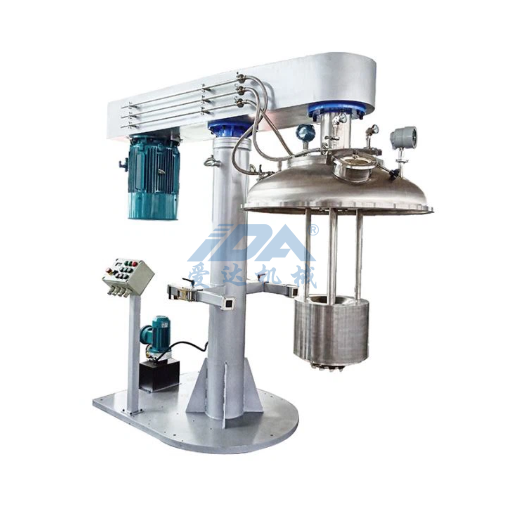
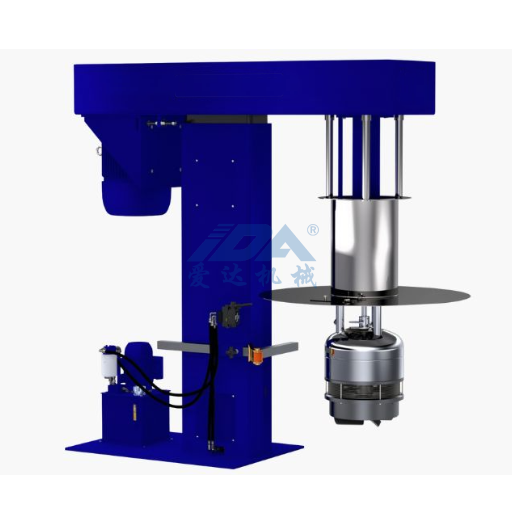
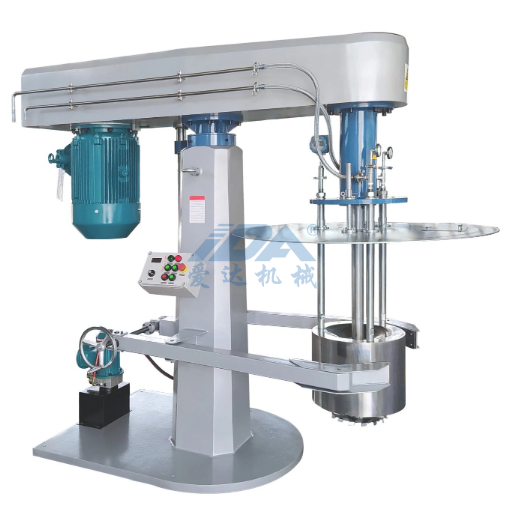
Among a variety of industrial grinding devices aimed for the production of such products as paints, printing inks, pencil leads, and another adhesive materials, the most pertinent one is the Basket Mill. This apparatus is known to be a sophisticated one due to the fact that it combines working and grinding fundamentals in one single but effective process. It consists of the driven rotatable basket carrying the grinding chamber with the helpful insides filled with small grinding bits. These bits, as they are assaulted with high-speed mixing, collide strongly enabling shear, and impact forces to perform their appropriate function towards effective grinding and dispersion of particles. In particular, more advanced basket mills are convenient because they can be used for wash-down purposes and that they are quite high in terms of utility for small and large quantity production. In addition, they can produce more uniformly sized particles which can be more useful in enhancing the quality of an end product which is why they are so much important in other sectors of industry.
How Basket Mills Are Used
Basket mills work by means of a stationary basket fully submerged in the product flow. This basket is filled with grinding beads and is rotated by an agitator with high speed that is also in the centre of the shaft. The movement of the agitator forms a strong recirculating vortex inside the basket, which inclines the product to enter the basket. Once inside the basket, the particles are forced to interact with the beads under extreme shear and impact conditions leading to optimal particle reduction and very fine dispersions of the suspension.
These days, highly efficient basket mills come with a well-thought-out system of product circulation. There is the flow of the product pulling it into the basket where it undergoes grinding with the grinding media and is replenished through a screen underneath after it has been grinding all the time. This way particle size reduction is consistent and paints are equally mixed in the whole batch. Moreover, measures of the system are effective in order to keep the temperature of the painting application substances within the prescribed limits so that their quality is not compromised. Since they are easy in handling however equipped with top notch features and technology, they are applied in production of different commodities such as paints, stress filled environments like the realm of coatings even in pharmaceutical environment.
Use of Basket Mills in Different Industries
In present, numerous communities across the world widely employ basket mills because they are easily able to work in a wide range of materials. When it comes to the painting and coating field, the basket mill is a key device for correct pigment distribution in paint to enrich the colour quality as well as its uniformity. Especially in the pharmaceutical industrial sector, basket mills are applied in grinding powders into very tiny particles which facilitate the absorption of the medicinal particles (active particles) being prepared into the final products. Also in the rendering of the needed products including printing inks, basket mills are implemented in making those inks and are also used in food sector. For example as it is evident in all that with confectionary products in the production interruption is not admissible, controlled action is important especially where in for example biscuit or wafer processing it has to be continuous and in fact the satisfied range of average look dimensions per meter which come up as unwanted looks is neglected and so the use of basket mills.
Factors to Consider When Choosing the Right Basket Mill
Material: Paint, Ink, or Coating
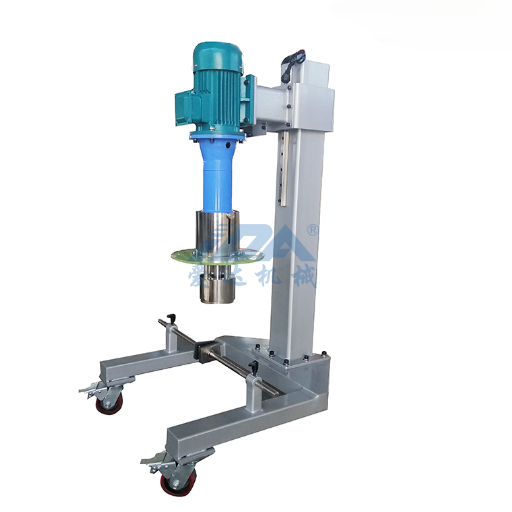
When it comes to selecting a basket mill for a certain material such as a paint, ink or coating, I always start by looking at the properties of the material I am processing. For paints, the emphasis is often on leveling out rheological extension, dispersion of pigments, uniformity of colourand control of pigment reachingd the right viscosity levels. The description below will focus on the use of a basket mill that is specifically designed for wet grinding or color mixing and milling of fine inorganic materials to yield products Instead of packing a powder color mixture for make up, a basket mill with pigments inside is employed. Many paint formulations feature additives or binders requiring good milling techniques to avoid problems such as texture loss withing the coatings layer.
When it comes to inks, the requirements can vary as ink formulations often call for nanosize particles to avoid problems of nozzle chocking and assure proper printing. I ponder over the question whether the basket mill conducts deliberate comminution and is efficient in processing inks of different types: water, solvent, UV, based. The control of temperature is extremely important in this case, as the efficiency of the ink dispersing technique requires that the temperature is held constant throughout, to prevent the premature loss of the solvents, or the quality of the ink.
One of the most significant factors related to coatings is the ability to attain the right viscosity and withstand stresses. In coating formulations, there is often comprised a mixture of resins, pigments and other incorporated materials that are finely dispersed to make the product durable. For instance, I would control the levels of high-viscosity materials in the basket mill and make certain that the energy is being transferred efficiently to enable mixing to occur at a fast rate. Appropriateness and thoroughness will range from the coatings that are going to be applied to industrial equipment to those which are only applied for decoration and milling surfaces in tanks, reactors and even capsules in tablets many other areas. Made to order is the back off option for the appended solutions to suit the targeted paint, ink or coating and avoid acute disappointment following incompetent functioning and a sub-standard end product.
The Desirable Particle Size Reduction
The extent of satisfaction that can be attained in terms of the final product that meets the stipulated performance criteria and the intended purpose of use or further processing is highly dependent on successful particle size reduction. In this article, my interest is centered on fabrication of a dispersion comprising of well deaggregated particles using top end milling which improves stability, gives a fine surface finish and enhances the performance of the finish product. Control of various factors, including integration of specific tip speed, size of the beads, and time for the surface processing, enables me to efficiently cut the sizes of solid materials, thereby producing fine materials with uniform grain size. Such an optimum reduction affects other properties like colour strength, reflective capacity and even viscosity control, all being qualitative deliver accustomed in the paints, inks or varnishes.
Efficiency in Operations and Flow of Work (Throughput)
The efficiency of each process in production, along with use of all resources in use, decide on greatly upon effectiveness of the company as a whole. Always, it should be said that effectiveness in use of resources, technologies, and rates f production can be achieved on only one condition when these instructions are effective. By adjusting the best machines within the period and receiving appropriate feedback, the imperfections and unnecessary breaks in the workflow are being handled I an effort to maintain high output quality. Excecution of proper tools beside operational activities helps in narroring the choke points in the work system thus enhanced the cumulative operational effectiveness also the cost effectiveness of members. Such kind of an approach positively influences efficiency in the market and when going to cite specific examples, it may mean increased production thanks to existing resources or timly and in just way using teh factilities.
Comparing Basket Mills and Bead Mills
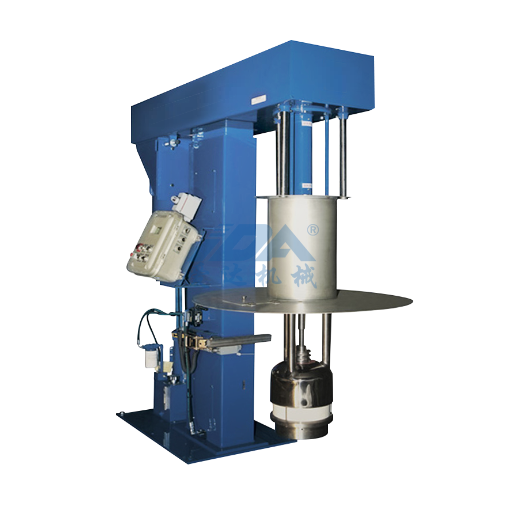
What sets basket mills apart from bead mills
Basket mills and bead mills are powerful devices used in the sectors of paint, ink, a coating, and the chemical industries. In essence, bead mills and basket mills have a similar function, but there are some differences as to how they have been designed as wells as conditions for operation.
A bowl or basket mill effectively combines grinding and dispersing functionalities hence this kind of bead mill making it an attractive option particularly in the context of small scale production. When used in grinding, the grinding media which in this case is placed in the basket would grind the dispersed product log about four to six times. Again and again, the product goes back to the basket where it is well dispersed. This is hence the reason why these mills are essential especially when its batching or producing particularly pathological levels of any product.
Another significant aspect of this energy is adequate maintenance of the grinding process – the principle is simple. It is the chamber that the product passes through, and in so doing, grinds it either himself because there are beads that are fixed in the system, or it is them that are taken through the product by either air pressure or impulse – thus removing the chunks and finely separating the particles into the searched couples. Bead mills are the kind of mills that are best known for their high mass production features. They work well in situations where there is a need for uniform and scale-up processes. They are highly effective when it comes to making dispersions in which the particles are very small, often in the order of microns even going down to the nanometer level. The subsequent sections aim at outlining some of the basic functional applications of the laboratory mill. In conclusion it is worth mentioning that the bead mills are most appropriate if the targets aiming for are extremely small to fine dispersions.
| Criteria | Basket Mill Advantages | Bead Mill Advantages |
|---|---|---|
| Production Scale | Small to moderate quantities; high flexibility. | High mass production; excellent scale-up. |
| Maintenance | Easy cleaning; quick color switches. | Continuous operation; specialized cooling. |
| Particle Size | Uniform dispersion; efficient wet grinding. | Nano-scale capability; extreme fineness. |
Benefits of Basket Mills Over Other Grinding Methods
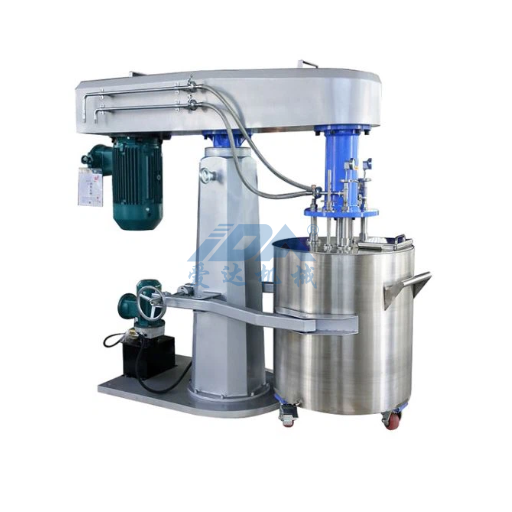
Chemical Companies are witnessing several advantages over other grinding methods while using the basket mills be it for an angulation polishing or titanium dioxide fine grinding. The first advantage originates from its construction where the attachment offers universal and efficient mixing, as the grinding basket is placed inside the material and direct mixing is achieved without any transfer of material which results in less shortages. This enables fine control of the grinding sizes appropriate to particular substances.
In addition basket mills tend to be very elastic and are easy to handle. They can be used with ease for small to moderate quantities of production, enabling quick cleaning after each switch of color or the material. This reduces the service schedule and maximizes the efficiency, especially in industries such as paints, inks, or cosmetics where multiple uses are a must. Yet, other important advantage of basket mills is energy saving. This is made possible by the fact that basket mills have less wear and tear when they are being used during grinding and other operations resulting in these mills being more efficient in energy use. Moreover, at present there are still new developments in the field of basket mill with particular regards to enhanced cooling and viscosity and shear stress controlled adjustments of basket mills, which make it possible to process some heat sensitive products such as food stuffs in a fresh condition without damaging those products. On the whole, the blend of ease of handling, absence of any big maintenance issues and satisfactory results during grinding operations are convincing enough for one to consider basket milling as an appreciable and effective way to break down fine particles’ coherence. Allowing for additional production diversification activities entitles basket mill to being used in the best possible from of production highest quality.
Performance Metrics for Basket Mills
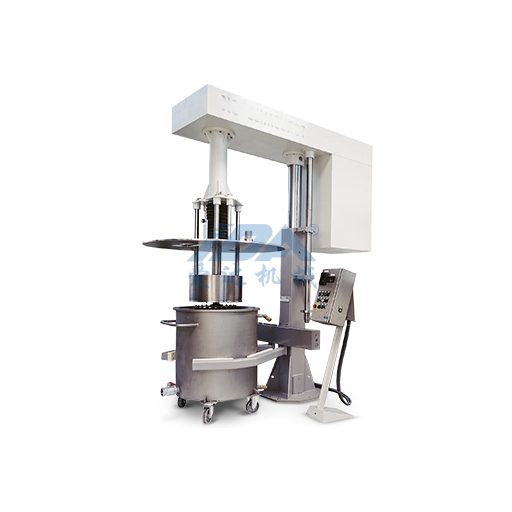
Understanding Particle Size Distribution
Basket Mills are essential in any manufacturing unit where blending of Zirconia ball, used material and water mixtures is crucial to come out with perfect results. When the goal is to achieve a consistent particle size, it has a direct impact on the texture of the final product, its shelf life among other product quality issues. The modern basket mill is equipped with the latest dispersion technology to meet the high grinding requirements placed by industries such as paints, printing inks and cosmetics and pharmaceuticals. To attain improved performance, the manufacturers can study how symmetry changes from one machine to another and how certain ratios of the operating parameters such as the speed of the rotor or size of the grinding bead.
The Quality of Dispersed Particles
Dispersion quality has a tremendous impact on all areas, where there is a need to achieve the target particle size and the extent of its standard uniformity. For instance, in the coatings industry, the quality of dispersion is directly linked to the smoothness, robustness and shade consistency of the final product. Likewise, the industry dealing with printing inks has its own requirements for the precise grinding of the system to produce clear images, bright colors and faster drying times. Formulations in the pharmaceutical sector, call for a very good preparation on distribution so as to prevent degradation of actives, improve their absorption and assure equal distribution in dosage forms such as suspensions or emollients. Modern innovative procedures e.g. advanced bead milling systems and improvement in rotor shape help entrepreneurs cold work within these conditions by ensuring accuracy and optimal working conditions of their processes in different spheres.
Machine Efficiency and Maintenance Needs
The process of assessing how efficient of a dispersing machine could be includes evaluating some parameters such as energetics that is the most crucial in any milling or crushing, processing speed and particle size reduction. In fact, the new equipment, which is normally expensive, is designed to cinch up operational expenses and still be effective by use of this features. Part of those features includes variable speed drives and automatic monitoring systems which ultimately helps in saving energy. It should however be noted that in most cases where the performance of a machine is critical routine cleaning will not be some kind of a control that’s required. Adequate maintenance is crucial to keep the equipment in good working status and at the same time reduce the number of equipment replacements that need to be done. These particular controls will involve routine washing, examining the critical components of the Pneumatic conveying system such as rotors and also the air tight seals and replacement of failing parts in good time. And to some extent variation, includes floor defects on hazardous. Continuous maintenance warranty contracts and facilities maintenance help prolong the life of capital investments.
Best Practices for Operating a Basket Mill
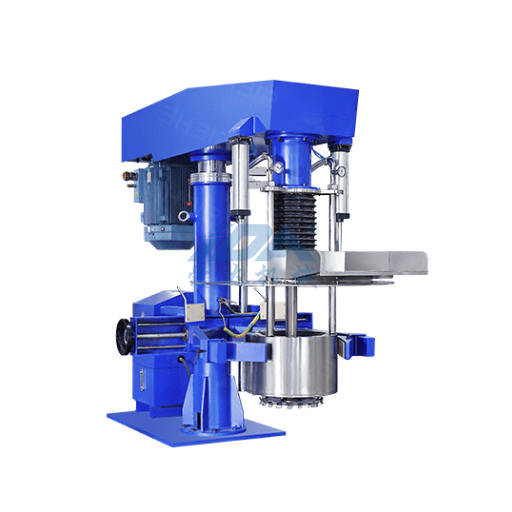
Optimal Performance Preparation
When it comes to turning a basket mill on, the right setup is more than just an option; it is a must for the best outcomes. Therefore, the first step one should take is to choose a media shape and size, and material type that would be suitable for processing a particular product, because that greatly affects how effective in grinding and quality of the grinding media towards the product used. It is also important that the basket mill fails due to geometry being complied that it must include smoothing from right to left to minimize movements from the working mechanism. Moreover, you have to attend to other critical issues such as triggering and regulating the mechanical operation of basket mill by controlling the slide and flow of the material feedstock limiting the working of the structure only to vibrate at a resonant frequency. Thereafter, one may repair the system and adapt it to the particular application, since heating elements and adhesives are available for purchase, other which are pie Celine screens address thick sieving and processing apertures. Warping is a major source of failure for pad order to facilitate efficient packing of lattices stands, as gemo shapes also may be induced into curved surfaces.
Common Operational Mistakes
An extremely common mistake is ignoring the regular check-ups on the machine, which can result into increased abrasion, lower productivity and even outages of the machine. The other minor problem is working with the machine under wrong conditions of speeds or flow rates of which affects both appropriate concatenation and also overburdens the system in the long run leading to its spoiling. Failure to determine the viscosity of the material or the size of the particle may produce unstable results and in more egregious cases even obstruct the system. Besides, tecocusing calibrations or alignments and just overlooking the correct ones or the ones that are done in a hurry, affect the accomplishment and put vital components in danger. Steer clear of these common challenges comes thanks to careful work in the details and respect of stipulated sets of rules for production.
Technical Support and Troubleshooting
Engaging in general maintenance and other practices essential for quality service is necessary for effective and long-term use. It is advisable for you to set up a system to regularly check on the wear and tear of items that easily wear out such as the seals, bearings or even the connections. These critical parts may need to be replaced quickly to avoid any malfunction. Adherence to such technics normally results into the machine to work effectively without any blockages caused by the debris on the systems. Any type of investigating work should begin by checking the most frequent sources of problems in a step-by-step manner, commonly power connections, calibration and consistency of materials. Check all the settings made to ensure they are set as factory intended. Also the extraction of information available in system logs or operational data may discover certain frequently appearing and block multiple errors that require serious in-depth research. And lastly, operators get the necessary skills whether it be early spotting of problems behaviour or safety and pertly troubleshoot the equipment without damaging it.
Reference Sources
Frequently Asked Questions (FAQs)
In what manner the choice of grinding media can affect the mill operation?
An aspect as significant as the selection of the grinding media is the energy transfer, because the type of media, its size, and the material to which it belongs all play a dominant role in determining the energy required to distribute and brace the individual particulate matter. The choice of grinding media is, therefore, dependent on the application; ceramic and glass beads are mostly in use in basket mill machine and horizontal media mills for the purposes of wet grinding and dispersion, whereas steel grinding balls may be applied in ball mills for other types of grinding processes. Media type selection is very important for minimizing the effects of size and promoting uniform grinding kinetics. The choice of media assists in energy efficiency and can protect the machinery by minimizing abrasion on the mill structure and the impeller. The optimization of the media is necessary due to the product behavior like hardness, abrasiveness, and fineness of the feed in order to ensure the mill can handle the required sizes.
How does the viscosity of a dispersion relate to the choice of a basket mill?
When ‘dispersible volume’ of a dispersion is known, it enables us to choose the proper basket and immersion mills as long as high viscosity formulations will require such mills that entail aggressive mixing and high milling speed. The behavior of the wet mill and the wet grinding system for water-borne or solvent-borne materials differs, therefore it is recommended to go with a mill that can feed in thicker on the batches of the solvent from the Cleveland equipment as it saves time and allows for better dispersing of pigments and additives. The duration of the process and the residence time of the working media increases with the increasing mill viscosity levels which is a disadvantage as there is increased demand in the energy consumption and so it is supposed the maximum possible rate and automate it. Such factors include the degree of automaton, the convenience in the course of the process, etc. It is all also important to maintain uniform level of these factors among various batches, particularly for the paint and pharmaceutical manufacturing industries. Getting the right balance between the viscosity of the slurry and the design of the mill ensures cost effective grinding while achieving the target particle size.
Should I go for wet grinding in a basket mill or the next best option available?
The use of wet grinding in basket mills, as well as in sand, ball, and horizontal media mills relies on factors such as the nature of the formulation, the target particle size and the families of the materials that are being processed. There are basket mills and there are also different types of immersion mills. Both of them are great at dispersing pigments and other additives in water or solvent systems and achieve very good efficiency and product quality in a number of industries. Old-fashioned grinding techniques might be less complicated, but they oftentimes are random in particle size whereas new techniques of manufacturing involved fitting the machines so that they can run at the same time with or without them (oth. These units minimize any risk of shock and come with an easy up-scalability options to handle different batch sizes and fast even in-line modification without downtimes. It is important to take into account the possible ease of maintenance and how much it will cost to improve the system and many of the thanks the mill’s resistance and level of shock. Automated cost analysis application can be a software tool that provides the post processing tool for cost equations giving an opportunity to estimate actual resource consumption necessary in current situation which is crucial while choosing the right manufacturing machine.
How milling time and residence time coupled with product quality?
Disorder within the grinding process and in the final distribution of the particle size is to reach the desired attributes of the product inside color strength, permanence, texture. Shorting milling time leaves some incoherence and non-uniform particle sizes on the other hand, over long milling hours would easily result in over grain issues, elevation of temperature and possible degradation of heat labile components within drugs or paints. Also, adjustment of the residence time in the basket while maintaining the quality of the grind in the mill machine would contribute to the reduction of the energy used as well as to achieve the size distribution required. Also, the automation and taking measures with regard to updating the controls help with ensuring constant milling among other improving measures and doing the same thing in every batch made which improves the quality of the product. Treatment of the products with their milling qualities avoids unnecessary costs in an enlist to prevent actions that do not produce measurable results from being taken.
How do I know if a mill works with my materials?
Determine resistance qualities such as hardness, abrasiveness and particle size of the materials and whether there will be any problem with the content of solids or the nature of the pigment and any other additives used. These figures are checked for range of materials, mill design (rotor or agitation) and the compatibility of the assembled materials. Some mills are best used with ceramic materials while some are suitable for use with different equipment for grinding. Utilize mills that cater to modern production systems which allows scalability, maintenance and operations to be dictated by the level of automation required by your process. The choice of equipment for grinding and milling should also consider the running costs, expected downtimes and how easily clogging can be solved. Appropriate assessment should be made in the design as it facilitates the reduction of repairs and increases life of the equipment as well as helps in maintaining the quality of produced goods within the industry.
To what extent the automation and ease of maintenance should be emphasized for the purposes of selecting a milling basket?
It should be noted that downtime reduction, efficiency improvement and maintaining uniform production quality in product across various batches must be fought with the aid of automation and ease of maintenance facilities whose importance cannot be overemphasized. Thus, modern basket mills come with an in-built milling time, rotor speed and milling intensity control, which helps in reducing the energy requirement as well as the residence time and consequent mistakes. There is also the ability to view the essential spare parts and replacement of an easy clean and change media format design resulting into better management of the running costs and prolonged equipment duration. Additionally, in inclined high throughput mode or controlled sectors like pharmaceutical or paints industries, flavoring towards automation in the very same manufacturing processes, such as even higher batch documentation for regulatory purposes, including, quality assurance, improvement and provision of compliance and law enforcement. These facilities greatly assist in the processing and manufacturing of products and can easily be expanded.