Get in Touch with IDA

Triple Shaft Mixer vs. Sigma Mixer: Complete Comparison Guide

Contents
show
The correct industrial mixer selection determines process efficiency improvements, consistent results, and product quality development. The Triple Shaft Mixer and Sigma Mixer stand as two widely used mixers which manufacturers built to process specific materials through their respective mixing applications. The correct choice between these two options requires understanding your particular needs. This comprehensive guide provides readers with information about the different features and advantages of both mixers and their most suitable applications. The article presents information which helps readers select the best solution for their production requirements, whether they work with high-viscosity materials, sensitive emulsions, or complex multi-phase mixtures. The article provides a comparison of these two powerful mixers to determine which equipment will enhance your business operations.
Key Takeaway
Triple Shaft mixers are the masters of versatility and dispersion for liquid-to-paste materials, while Sigma mixers are the heavy-duty workhorses designed for extreme kneading of dough-like, high-viscosity substances.
Introduction to Mixers
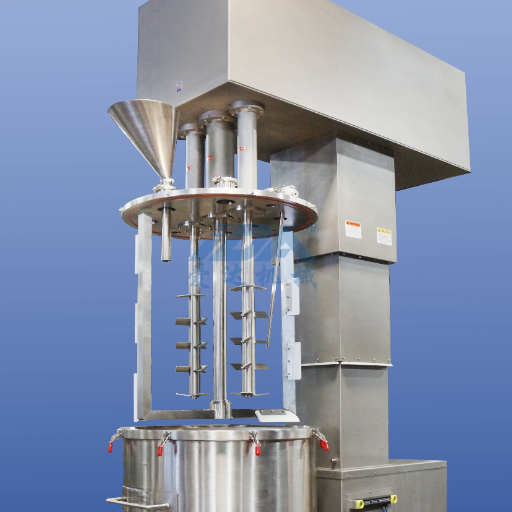
What is a Mixer?
A mixer is a machine or device that works to create a uniform mixture through the combination of two or more substances. The process of creating a uniform mixture of materials involves the machine operation which uses various techniques such as blending, folding, kneading, or mechanical agitation to distribute the mixture components throughout the material. The food processing industry, together with the pharmaceutical field, chemical industry, and construction sector, all depend on mixers for their essential operations.
Mixers are available in multiple designs which allow for different applications that involve handling materials with various viscosity levels, different particle size distributions, and different sensitivity requirements. For example, some mixers work specifically for liquid-liquid operations, while other mixers focus on solid and powder blending tasks. The combination of blades with paddles and rotating shafts enables mixers to maintain multiple consistency levels, which makes them suitable for different production requirements.
The operational performance of a mixer depends on three factors, which include its type, size, and configuration, where these elements get determined through the assessment of material characteristics and their planned use. The devices provide proper mixing routines which lead to better product outcomes while reducing operational time and increasing production output, which makes them essential equipment for contemporary manufacturing operations.
Importance of Choosing the Right Mixer
The manufacturing process needs the correct mixer because it keeps all production steps running smoothly and produces identical results. The proper mixer equipment enables mathematical equipment to create equal material results which determine the final product standards. A proper mixing device needs to match the specific equipment requirements of the materials which need processing, including their viscosity, density, and particle size characteristics. The failure to match equipment with specific parameters leads to two outcomes which include substandard mixing results and operational breaks and equipment destruction.
Another key benefit of choosing the right mixer is the potential for increased productivity and cost efficiency. The application-specific mixer optimization process leads to three benefits which include shorter mixing periods, lower energy needs, and reduced equipment deterioration. The results create two financial benefits which include decreased operational expenses and increased investment returns throughout the equipment operational period. The proper mixer selection process creates better production processes which increase business efficiency.
The process of selecting the correct mixer develops two critical functions which protect operational security and ensure regulatory compliance. Many industries require strict adherence to quality and safety guidelines, and an incompatible or poorly functioning mixer can compromise these requirements. Businesses can protect their workplace safety by acquiring a production environment-specific mixer which meets industry standards and business operations needs. The process of selecting the proper mixer requires organizations to assess all available options because this step leads to the best results.
Overview of Triple Shaft and Sigma Mixers
Triple Shaft and Sigma mixers serve as two versatile mixing solutions which specifically meet different production requirements. Triple Shaft mixers use three distinct mixing mechanisms which typically include a high-shear blade, anchor agitator, and secondary disperser to achieve precise process control and consistent results. The system achieves complete blending of ingredients which possess contrasting characteristics to process high-viscosity materials including adhesives, pastes, and gels.
The primary function of Sigma mixers involves their use in applications which require high-shear and heavy-duty performance. The mixers use two z-shaped blades which move in opposite directions to perform kneading and folding operations on dense viscous materials which include doughs, rubber compounds, and specific chemical formulations. Industries such as food processing, pharmaceuticals, and plastics manufacturing prefer these systems because of their strong construction which enables them to process extremely thick materials.
The selection process between Triple Shaft and Sigma mixers depends on understanding all operational needs for the specific application. Triple Shaft mixers operate most effectively when using products which need multiple mixing methods together with controlled shear and heat management systems. The Sigma mixers function best in operations which require extensive kneading work with materials that have extremely high viscosity. Industrial workplaces use both systems as vital instruments which help maintain product quality while streamlining operational processes.
Understanding the Triple Shaft Mixer
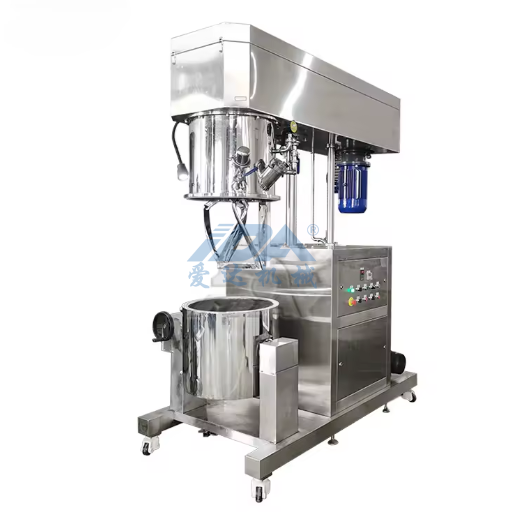
Functionality of Triple Shaft Mixers
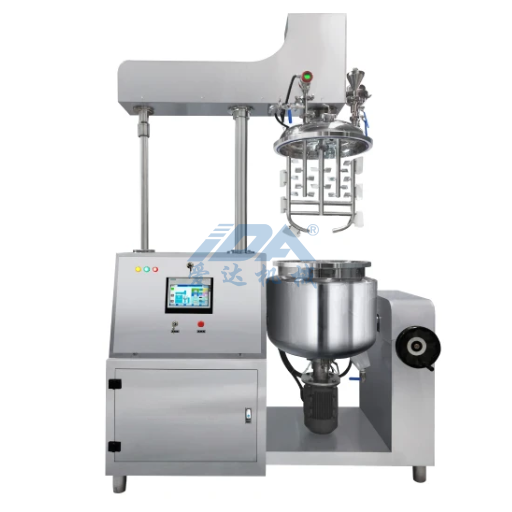
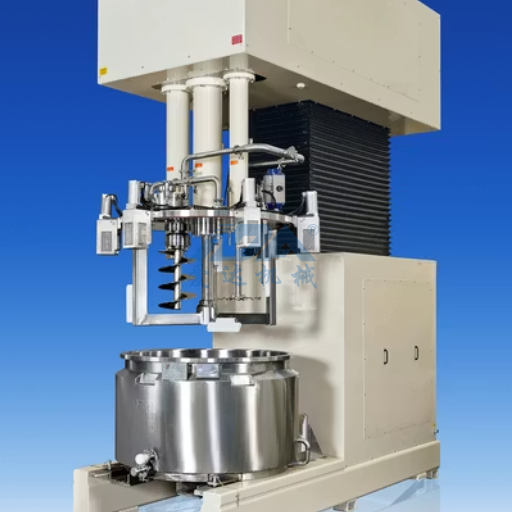
Triple shaft mixers operate as advanced blending systems which enable them to perform complex mixing operations with multiple material types. The system operates through three distinct shafts which each contain a separate mixing tool that executes its own specific function. The typical setup includes a high-speed disperser, a slow-speed anchor agitator, and an intermediate shaft which work together to achieve efficient material blending between different consistency levels.
The high-speed disperser ensures rapid mixing and breaks down particles, while the slow-speed anchor agitator maintains uniformity by scraping the sides and bottom of the mixing vessel to prevent overheating or uneven mixing. The intermediate shaft operates as a connector between dispersion and agitation while it improves the overall mixing performance of the device through better process control. These components work together to achieve complete ingredient mixing which becomes particularly difficult when dealing with materials that include viscous substances and heat-sensitive materials.
The mixers serve as vital equipment for food production, pharmaceutical, and chemical manufacturing operations which require precise control over three critical factors including shear force, temperature, and consistency. The equipment produces uniform mixtures because it creates stable emulsions and dispersions which maintain product quality and integrity during processing. Triple shaft mixers optimize work processes through their ability to combine different mixing methods into one system, which provides dependable and uniform outcomes.
Applications of Triple Shaft Mixers
Triple shaft mixers serve industrial sectors that need accurate and effective material mixing solutions. The primary function of these machines involves creating materials with high viscosity that include adhesives, sealants, and coatings. The multiple mixing shafts enable complete product mixing which produces a uniform product needed for maintaining quality and performance standards in these applications.
The food and beverage sector uses triple shaft mixers for their primary operation. These mixers excel at creating stable emulsions and dispersions, making them ideal for manufacturing items like sauces, dressings, and confectionery products. The triple shaft design provides controlled shear force and temperature regulation which helps preserve food products at their required texture and flavor attributes.
Triple shaft mixers find applications in both pharmaceutical and cosmetic production processes. The equipment produces consistent mixtures which develop into creams, lotions, and all other semi-solid formulations. The mixing process uses various techniques to create stable and effective end products which protect consumer safety while ensuring customer satisfaction.
💡
Pro Tip
Triple shaft mixers are ideal when your process involves adding solids into a liquid base where high-speed dispersion is needed alongside general agitation.
Pros and Cons of Triple Shaft Mixers
| Advantages (Pros) | Disadvantages (Cons) |
|---|---|
| Excellent for complex operations (creams, pastes). | High initial investment costs. |
| Faster production times (combined functions). | Higher maintenance requirements. |
| Precise control over stability and quality. | Requires specialized operator training. |
Final Considerations: While triple shaft mixers represent a significant investment, their ability to produce high-quality, consistent results can outweigh their disadvantages in large-scale or specialized production. Companies need to assess their operational needs and production requirements first before they can decide if a triple shaft mixer will help them achieve their business objectives while staying within budget limitations.
Exploring the Sigma Mixer
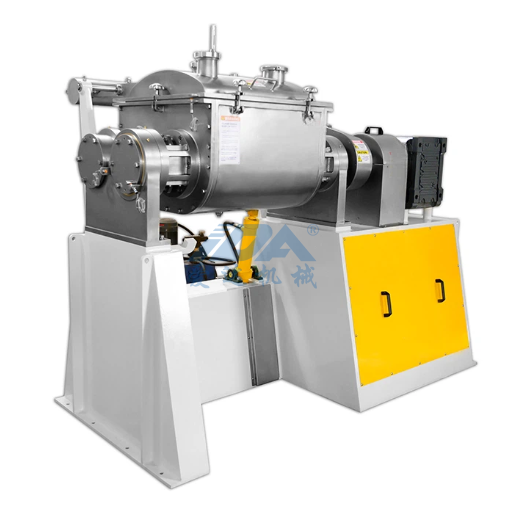
Functionality of Sigma Mixers
Sigma mixers serve their primary function to mix and knead materials that exhibit high viscosity and dough-like characteristics. The system includes two Z-shaped blades that move in opposite directions through a horizontal trough to create strong shearing and blending forces. The system uses this particular movement method to guarantee all ingredients achieve complete mixing regardless of their different texture properties. A powerful motor system powers the blades to enable them to work with heavy and sticky materials.
The functionality of sigma mixers extends to a wide range of industries, including food processing, pharmaceuticals, rubber, and chemicals. For instance, they are commonly used to create products such as adhesives, chewing gum, and polymer compounds. Their ability to uniformly combine high-viscosity materials makes them indispensable for applications where traditional mixers might struggle to achieve the desired consistency or quality.
Sigma mixers establish value through two important characteristics: their durability and their operational efficiency. The system enables precise material processing which results in decreased waste production and increased manufacturing efficiency. The equipment design supports quick cleaning procedures and maintenance work which makes it suitable for facilities that need to maintain strict hygiene and operational standards. The solution of sigma mixers provides different industries with an effective solution to manage their demanding mixing operations.
Applications of Sigma Mixers
Sigma mixers function as multipurpose equipment that multiple industries use to process their extremely thick materials. The food industry uses these machines to create products such as dough, confectionery, and other thick pastes. The mixers create uniform ingredient blending which produces consistent product quality and texture that food manufacturers need to achieve their production goals.
The pharmaceutical and cosmetics industries represent another major field that uses this technology. Sigma mixers function as essential tools for creating ointments, creams, and other high-viscosity products. The industries can achieve product standards by using equipment that precisely processes wet and dry materials while maintaining efficient and sanitary operations.
The production of industrial materials such as adhesives, sealants, and rubber compounds depends on sigma mixers for their essential functions. The equipment’s strong design and powerful mixing system allow it to efficiently process difficult and sticky substances while producing a uniform mixture that complies with industry standards. The equipment demonstrates its usefulness across various manufacturing environments.
Pros and Cons of Sigma Mixers
Pros of Sigma Mixers
- ✓
Handles extremely heavy, viscous, and cohesive materials with ease. - ✓
Exceptional durability and resistance to tough working conditions. - ✓
Highly customizable (heating/cooling jackets, vacuum systems). - ✓
Simple operational setup facilitates quicker cleaning and maintenance.
Cons of Sigma Mixers
⚠️ Important Note
Sigma mixers require significant floor space and high energy consumption due to the high-torque motors required to turn the Z-blades through dense material.
Final Thoughts: Industries that require high-viscosity material processing find Sigma mixers to be their most dependable and efficient mixing solution. The equipment provides uniform mixing results which customers can customize to match their specific needs, thus making it their preferred solution for multiple applications. Manufacturers must evaluate their equipment’s operational costs, energy consumption, and space needs against their production requirements. The industrial application of sigma mixers requires assessment of these particular elements to determine their most effective usage.
Head-to-Head Comparison: Triple Shaft vs. Sigma Mixer
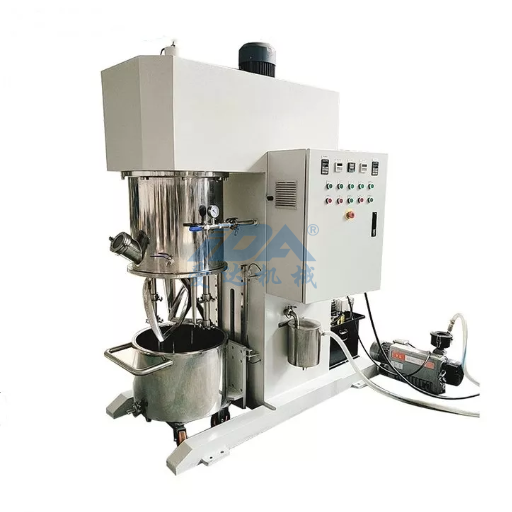
Efficiency Comparison
The efficiency comparison between triple shaft mixers and sigma mixers requires assessment of both material characteristics and end product specifications. Triple shaft mixers show high operational flexibility because they operate efficiently with materials that have low to medium viscosity. Their ability to mix at multiple speeds through their high-speed dispersion system enables them to achieve complete mixing results while decreasing the required time needed for emulsions and suspensions processing.
Sigma mixers demonstrate superior performance because they specialize in processing high-viscosity materials and conducting demanding mixing operations. Their robust design and strong shearing action enable thorough mixing of dense or sticky substances, making them ideal for products such as dough, adhesives, and rubber compounds. Their capacity to handle difficult materials with exactness makes up for their lower operational speed when compared to triple shaft mixers.
Mixer efficiency depends on the particular application requirements of each project. The triple shaft mixer demonstrates its superiority because it can perform tasks that require both fast operation and the ability to handle different viscosity levels. The sigma mixer demonstrates greater efficiency for processes that need to mix high-viscosity materials through its rigorous mixing requirements. Understanding how these mixers work helps manufacturers choose the best equipment to meet their business operations.
Cost Analysis
The total cost assessment of industrial mixers depends on multiple essential elements which determine the final expense. The operational costs of industrial mixers depend on three main factors which include their mixer type, their operational capacity, and their energy consumption and upkeep needs. The upfront costs of triple shaft mixers exceed those of other mixers because their sophisticated features enable multiple operational functions. The system provides the capability to execute diverse operations which leads to expenses that last through time since it eliminates the requirement for different devices.
Sigma mixers provide businesses with a budget-friendly solution because their starting costs remain lower than those of triple shaft mixers. Businesses that specialize in high-viscosity materials will find this solution cost-effective because sigma mixers provide optimal performance for their operational needs. The simpler design of the system leads to decreased upkeep needs which results in lower operational expenses that continue throughout the entire operational period.
The selection process for these mixers requires assessment of two factors which include their intended purpose and available funding. Businesses need to evaluate three factors which include their operational size, their material handling needs, and their future productivity objectives. Energy costs together with material costs, equipment longevity, and operational flexibility should guide investment decisions because they assist in making better purchasing choices which enhance total business value.
Materials Compatibility
The selection between a triple shaft mixer and a sigma mixer depends on two factors which include the specific materials being used and the intended final results. Materials that require high shear and different mixing methods will find their best application in the use of a triple shaft mixer. The system contains several shafts which perform specific functions that include mixing, dispersing, and scraping. This type of mixer produces homogeneous mixtures through its ability to process materials which have mid-to-high viscosity.
The sigma mixer enables the processing of highly viscous cohesive materials which include doughs, rubber compounds, and other dense materials. The system uses two Z-shaped blades which rotate to knead and blend the materials efficiently. The sigma mixer enables intense material mixing which uses mechanical shear to create optimal texture and consistency in materials that display low fluidity. The selection of a triple shaft mixer or a sigma mixer depends on three factors which include the material viscosity, the shear sensitivity, and the desired final product. The triple shaft mixer provides a balanced solution for applications which require lower viscosity and consistent mixing. The sigma mixer provides a powerful solution for processing materials which are highly viscous, dense, or semi-solid through its strong design. The selection of a mixer type should follow an assessment of the specific material requirements and production objectives.
Conclusion: Choosing the Right Mixer for Your Needs
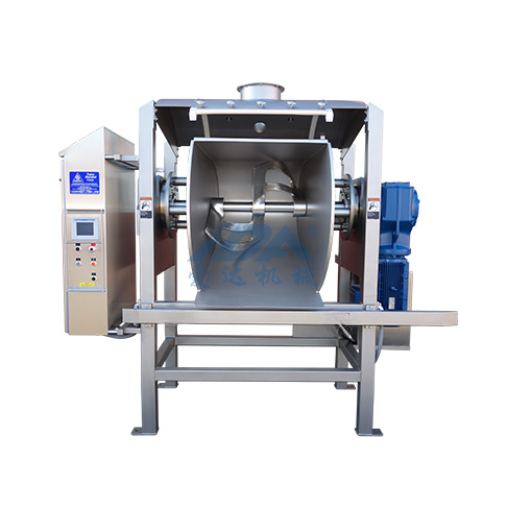
Key Points to Consider
The decision between using a triple shaft mixer and a sigma mixer needs material property assessment before proceeding. Triple shaft mixers operate best with materials that have low viscosity because they need exact mixing which maintains uniformity for producing products such as creams, lotions, and pastes. The mixers provide multiple application options while maintaining consistent results throughout the entire production process.
Sigma mixers match only to processing needs of materials that have high viscosity and high density or semi-solid characteristics. They use strong intermeshing blades which provide complete material mixing for demanding substances like doughs, rubber compounds, and adhesives. Their strong construction, together with their capability to perform tough industrial functions, makes them essential components for particular industrial operations.
The selection between a triple shaft mixer and a sigma mixer needs material analysis together with assessment of production objectives. The assessment should include viscosity, texture, and required consistency, together with production volume and production frequency. The mixer must match your specific needs to achieve efficient operation together with high-quality production results for your manufacturing operations.
Understanding Your Specific Mixing Requirements
The selection between a triple shaft mixer and a sigma mixer begins with an evaluation of the properties which describe the materials that will undergo processing. The triple shaft mixer uses its ability to handle various viscosity levels which makes it suitable for materials that need complete mixing, shearing, and dispersion throughout the entire substance. The equipment can efficiently combine different types of liquids, pastes, and semi-solid materials which have different physical characteristics. Sigma mixers work better with high-viscosity materials because they need to process dough-like products which require specialized kneading and folding capabilities for their thick materials.
The decision process between these two options requires consideration of both production goals and operational needs. A triple shaft mixer is perfect for advanced formulations which need both precise measurement and consistent results. The system operates at maximum efficiency when it needs to create emulsions or achieve rapid material hydration. A sigma mixer becomes the primary choice when operations demand strong mixing abilities which need high torque to process rubber, adhesives, and specific food items that need intensive treatment. The mixer selection process depends on the product type and its intended use.
The next step requires businesses to assess their current operations and future needs. Triple shaft mixers provide flexible operational capabilities which match the requirements of batch production processes that can handle both small and large production volumes. Sigma mixers become the preferred choice for industrial processes which require the mass production of solid materials that have a high density. The production requirements, throughput capacity, and future growth requirements should guide the selection of a mixer which will meet current and future production demands. The selection process increases operational efficiency and product quality when you conduct a comprehensive evaluation of these elements.
Frequently Asked Questions (FAQ)
Q: What are the main differences between a Triple Shaft Mixer vs. Sigma Mixer?
A: The comparison between the triple shaft mixer and the sigma mixer shows different results because their design and operational characteristics differ. 3 shaft mixers use three rotating shafts with paddles or blades to achieve high capacity mixing through their gentle to aggressive mixing range and rapid discharge capabilities. Sigma mixers operate through their twin sigma-shaped blades which execute kneading movements within a narrow trough to process high-viscosity materials. The triple shaft design functions better in situations that require high production volume and quick cleaning procedures whereas sigma mixers perform best in situations that need strong grinding power combined with dough-like material processing.
Q: How does a ribbon blender compare to a triple shaft mixer vs. sigma mixer for powder mixing?
A: Ribbon blenders are ideal for low- to medium-viscosity dry powder blending because their helical ribbons move material radially and axially for gentle, uniform mixing. The comparison between triple shaft mixers and sigma mixers shows that ribbon blenders provide faster low-shear powder blending while triple shaft mixers handle wetter and slightly cohesive powders and sigma mixers are used for high shear processing of pastes and heavy agglomerates.
Q: Which mixer type should I choose if I need high shear and kneading — triple shaft mixer vs. sigma mixer?
A: For high shear and kneading, the sigma mixer is usually the preferred choice because its twin sigma blades provide intense kneading action and high compressive forces ideal for viscous, dough‑like materials. A triple shaft mixer operates better than other options because it provides faster processing speeds and simple discharge procedures while allowing users to perform both mixing and processing tasks simultaneously.
Q: Can a triple shaft mixer replace a blender or ribbon blender in my process?
A: The material and process requirements determine whether a triple shaft mixer can substitute for a blender or ribbon blender. A triple shaft mixer can replace a blender or ribbon blender when you need higher capacity, improved handling of wet or cohesive mixtures, or faster cycle times. The ribbon blender and conventional blender offer more cost-effective solutions for basic dry powder mixing which requires minimal shear strength.
Q: What are the typical applications where sigma mixers shine compared to triple shaft mixer vs. sigma mixer?
A: Sigma mixers excel in applications which require intense kneading and powerful shear forces that include rubber compounding, silicone mixing, adhesive production, food dough preparation, and high-viscosity polymer processing. The choice between triple shaft mixers and sigma mixers depends on material viscosity and kneading requirements because sigma mixers perform better with high viscosity materials while triple shaft mixers succeed in continuous operations with various viscosity levels.
Q: How do different type blades affect performance in triple shaft mixer vs. sigma mixer systems?
A: Blade geometry and type blades significantly influence mixing action. Triple shaft mixers use paddle, plow, or scraper blades across three shafts for versatile flow patterns and gentle to aggressive shearing. Sigma mixers use intermeshing sigma-shaped blades designed for compressive kneading and high shear. The right blade type selection enables efficient energy transfer and appropriate residence time along with complete formulation homogeneity.
Q: Are there energy or maintenance differences between triple shaft mixer vs. sigma mixer?
A: Yes. Sigma mixers need more torque and energy to knead viscous materials because their blades and trough surfaces experience wear during operation. Triple shaft mixers operate with better energy efficiency when handling moderate viscosity mixes because their design features simpler shaft systems and discharge mechanisms that enhance cleaning and maintenance processes.
Q: How can I know about sigma mixer suitability for my product when comparing triple shaft mixer vs. sigma mixer?
A: To know about sigma mixer suitability, evaluate your product viscosity, required shear, residence time, and cleaning needs. The testing process requires lab trials or sample testing which include both sigma and triple shaft mixers to identify the best mixing method that achieves maximum output with minimal energy use. Equipment suppliers who offer sample testing services provide reliable assistance for matching custom mixers with specific formulation needs.
References
- Advantages of Planetary Kneaders over Sigma Kneaders – A detailed comparison of different types of mixers, including Sigma Blade Mixers.
-
Power Measurements And Optimization Of Mixing – Lehigh Preserve – A study focusing on power measurements and optimization in mixing processes.
-
Exploration of Parameters for the Continuous Blending of … – MIT – Research on blending parameters and mixer performance.
-
Triple Shaft Mixer: Complete Guide to High Viscosity Mixing Solutions
100%
Consistency and Quality achieved with the correct mixer selection.