Get in Touch with IDA

Karry
I write about process equipment and the decisions involved in building a production line. My contributions cover corrosion-resistant reactors and adhesive production lines, from material handling to line planning. I focus on the operating conditions and process steps that readers should define before choosing equipment for a specific application.
Is Silicone Flammable? Heat Resistant Temperature Range, Why Silicone Doesn’t Melt, and Flame-Retardant Additive Guide
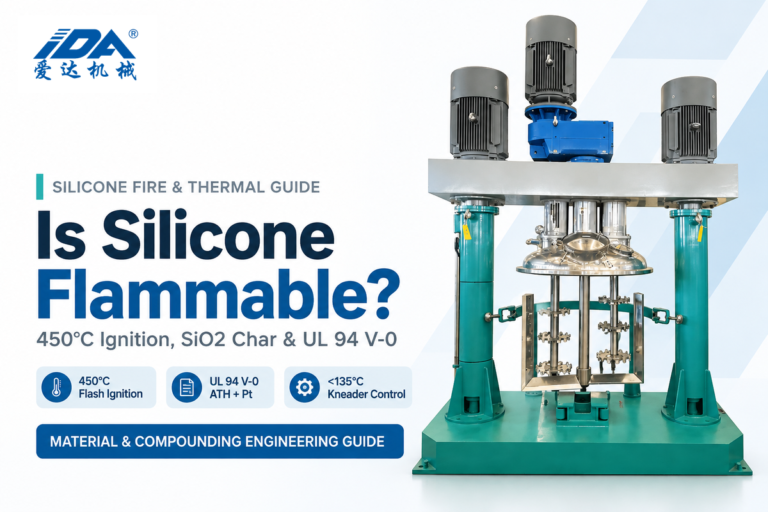
When engineers ask is silicone flammable, the material boundary is clear: cured solid silicone rubber (polydimethylsiloxane, PDMS) is not flammable under normal operating temperatures (-60°C to +230°C) and carries an NFPA 704 Flammability Rating of 1. Unlike carbon-backbone plastics that…
How Is Shampoo Made? From Surfactant Phases to Factory Batching
The direct answer to how is shampoo made is through sequential aqueous compounding: treated water is metered into a vessel, primary and secondary surfactants are diluted under controlled shear, conditioning agents and pearlizers are blended in, and salt or polymer…
What Is Lipstick Made Of? From Ingredients to Finished Color
Lipstick is made of waxes, oils and colorants, which is the short answer to what is lipstick made of. Wax holds the bullet’s shape, oil gives it glide, and pigment supplies color. Other ingredients adjust texture, wear and stability. A…
How Nail Polish Is Made: Process Steps and Equipment Selection
By Karry · Updated October 2026 How is nail polish made in a factory? For regular polish, manufacturers make a film-forming base, add and disperse color, complete the batch, filter it if formula allows, run quality and package checks, and…
Axial Flow Explained: From Fluid Direction to Mixing Impeller Choice
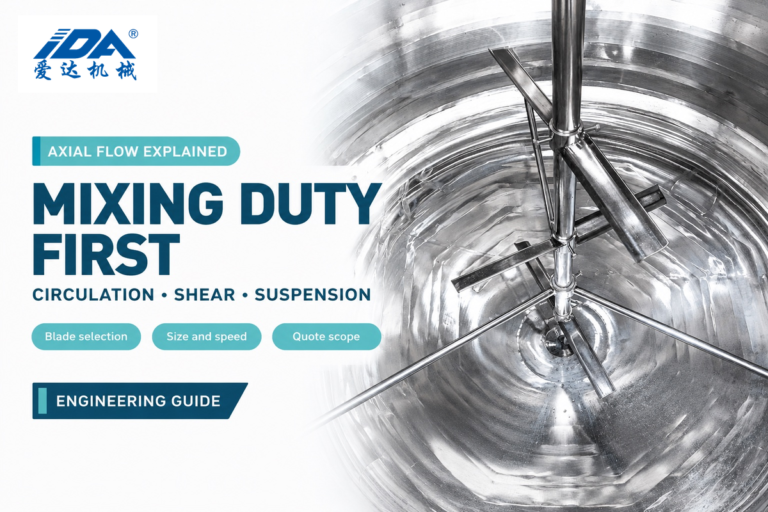
Axial flow means fluid moves mainly parallel to a shaft or rotation axis. A pump moves liquid through a system; a tank impeller circulates liquid within a vessel. For mixing, use a blade suited to the required circulation, shear and…
How Is Toothpaste Made? Ingredients, Mixing and Tube Filling
By Karry · Updated October 2026 How is toothpaste made in a factory? Manufacturers weigh ingredients, prepare a liquid base, disperse powders, create a paste through controlled mixing, remove air that’s trapped in the paste, and fill and seal tubes.…
How to Select a Corrosion Resistant Reactor for Corrosive Service
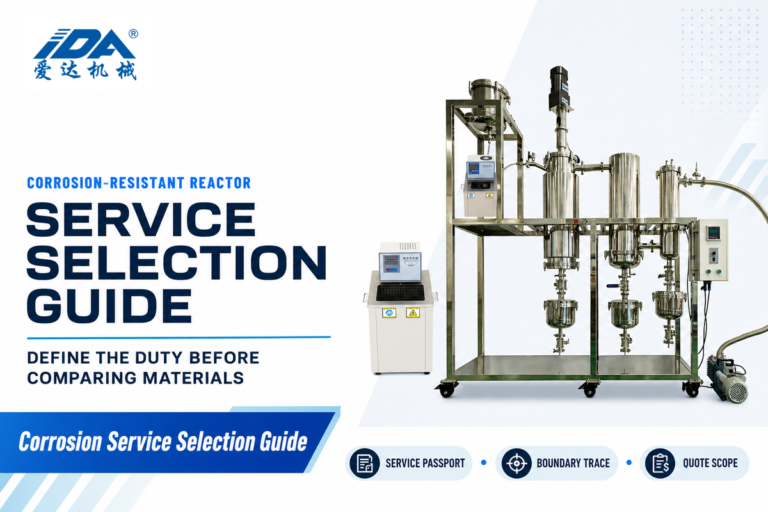
Chemical equipment decision guide Reviewed August 2026 | For Process Engineers, Plant Managers, Quality and Technical Buyers A corrosion resistant reactor is a reactor whose complete construction has been reviewed against a stated chemical service, not merely selected by one…
Complete Guide to Adhesive Production Lines: From Recipe to Ready-to-Run Plant
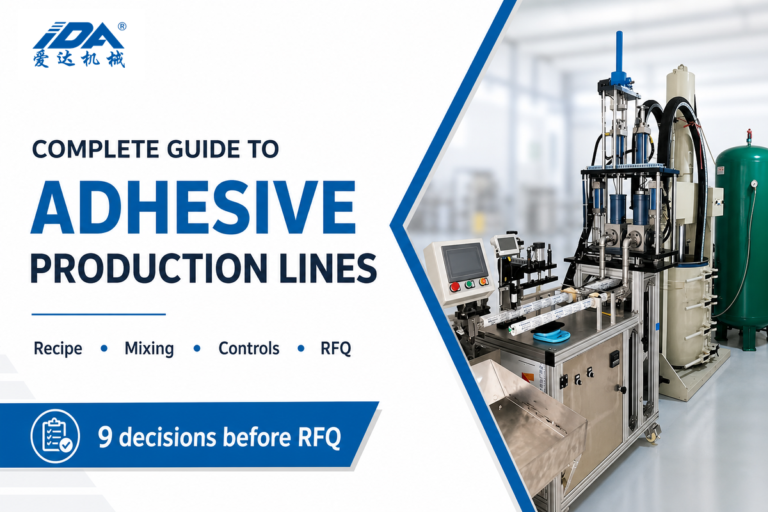
Updated July 2026 · Engineering buyer guide An adhesive production line is more than a mixer with filling equipment. It is a recipe-specific system that moves materials, heat, atmosphere, process data, and finished packs through a defined operating window. The…
How to Hit Sub-5μm Particle Size on a Three Roll Mill
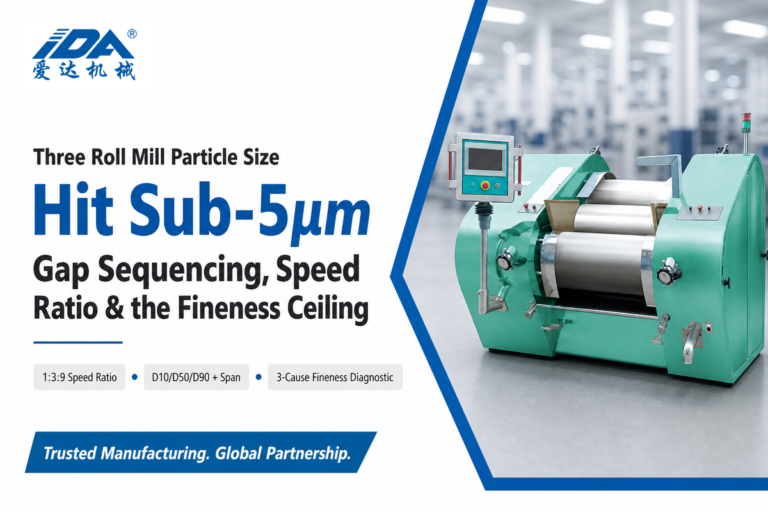
Quick Specs Typical passes to sub-5μm 3-5 passes, depending on roller diameter and speed ratio Gap precision (production-grade mills) Down to ≤1μm, hydraulic/servo models Common speed ratios 1:2:4 (moderate shear) to 1:3:9 (high shear, finer targets) Primary test methods ASTM…
Three Roll Mill Roller Materials: What the Cost and Wear-Life Numbers Actually Show
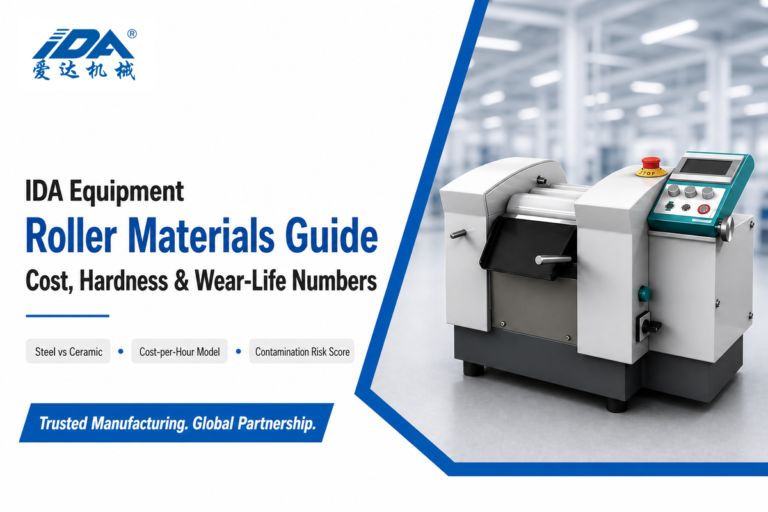
Three roll mill roller materials are the hardened metal or advanced ceramic rolls that do the actual grinding and dispersing inside the machine, and they split into two families-hardened metal and advanced ceramic-that alter your contamination risk, your wear schedule,…
Trending now