Get in Touch with IDA

How to Choose Grinding Media for Bead Mill

Contents
show
The choice of grinding media is the single appreciably important step as it controls the efficiency of the dispersion and shapes the quality of the product/operating cost. This choice is one of the major decisions made in a laboratory during these early stages of development in the pharmaceutical, elective process, or food engineering industries itself. Please note that any changes to the media discussed above could shift particle size reduction and wear on your equipment. Thus, this article will attempt to unlock the keys of understanding some decisive facts with a view to the preferred selection of media, such as material compatibility, size, density, and shape by the end of reading for an already-stipulated informed pick specific to the needs of one’s own method-to arrive at the utmost results for their application. Now that we have begun elaborating on this largely forgotten yet crucial portion of bead milling, aren’t you just pulling off to know these vital things?
Introduction to Grinding Media
Definitions and Importance of Grinding Media
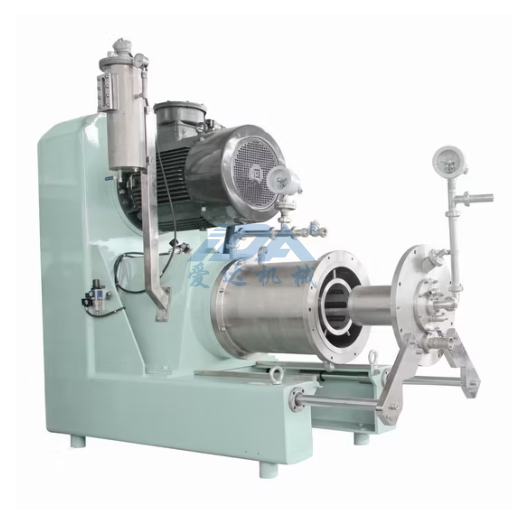
Materials employed in bead milling and other progressive grinding operations to effect the crushing of particles into finer dimensions are collectively known as grinding media, which may assume the forms of balls, or cylinders, or rough shapes, and constitute ceramic, glass, and steel. Modifications in the grinding media invariably have indelible, and at times, adverse effects on the milling process, products, and the coin itself.
The inescapable need for grinding media in pursuit of certain grain breakdownness and dispersion measures for various applications is another very important feature of grinding media. These provide the best interpenetration conditions for the basic mode of grinding, thereby imparting the most uniform transfer of energy and resulting in the lowest particle size ever processed for high efficiency. Simply because precise and well-defined particle size control is required by industrial applications such as pharmaceuticals, paints, and agricultural and mining, etc., grinding media is an immensely important component of the production.
Material compatibility, size, density, and shape are key factors taken into account to select appropriate grinding media. These factors particularly affect grinding speed, energy consumption, and overall milling performance, with the denser media imparting a higher impact energy, and the smaller and regular shapes promoting fine grinding. Correctly understanding the required grinding media not only guarantees the optimized benefits of the machinery but also meets production expectations with a view towards performance and cost-saving.
Overview of Bead Mills
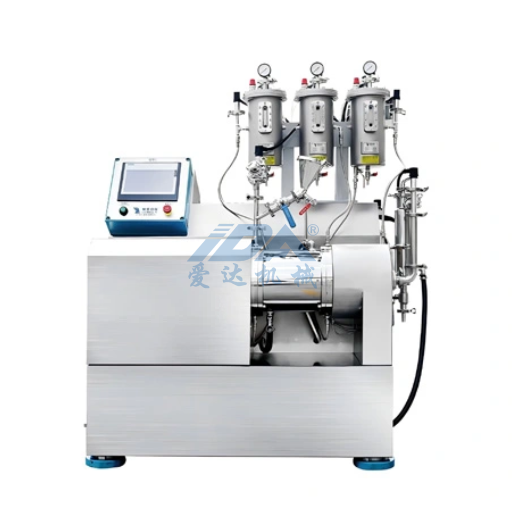
Bead mills indeed are quite versatile machines that have been designed for grinding and dispersing particles in different types of materials. They are most frequently utilized in industries like paints, pigments, pharmaceuticals, cosmetics, and food processing, where having fine particle sizes and uniform dispersion is crucial. What bead mills essentially do is to use tiny-size grinding media, typically beads, which are lifted and propelled by a rotor in place for particles to be broken into finer sizes due to energy transfer from shear and impact forces.
In a bead mill, the way what is called working then involves the charging of the grinding media and the material to be processed into a cylindrical chamber. The rotor inside this chamber causes fast movement in smashing with the material and each other as the beads collide. The result is the efficient breakdown of the particles. Over time, an infinitely fine and thoroughly dispersed material is obtained through the consistent high energy of collision. The size, density, and material of beads are selected very carefully to be as suitable as possible for specific application needs.
Key Takeaway
Bead mills achieve superior particle size reduction through a combination of high-energy impact and shear forces, making media selection the primary lever for controlling product quality.
Bead mills have substantial downsides, especially when desirable particle sizes (fine and uniform) can be realized in a relatively short time. They can process-continuous or batch, making them suitable for several production scales. Besides, these units are relatively energy-efficient, and they enable very accurate PROCESSING PARAMETER control, resulting in improving product performance and waste minimization. Such reasons render it an excellent solution for applications that need quality grinding and dispersion results.
Applications of Grinding Media in Milling Processes
For milling processes across various industries, grinding media play a pivotal role in the main. The foremost function would be the size reduction of raw materials by striking, friction or shear actions within the grinding mills. Thus allowing attain the needed consistency, texture, or quality of dispersion elements required for subsequent processing. Industries like pharmaceuticals, ceramics, and mining wholeheartedly rely on grinding media to get these outcomes with precision.
In pharmaceuticals, grinding media allows for efficient size reduction and mixing of active substances that are the most important factors for uniform and effective formulations. In the ceramic industry, grinding media play the role of fine tuning in the raw materials to give them a smooth finish while retaining the integrity of the product. In mining operations, grinding media are paramount in the ore-crushing process enabling the extraction of valuable minerals with minimal waste generation and optimal use of resources.
In general, grinding media are vital for fine particle processes. Their more effective utilization leads to higher product quality, less material wastage, and improved production output. In choosing the right grinding media types and controlling process parameters carefully, mills can be optimized to meet the best standards in the industry.
Key Properties of Grinding Media
Material Composition of Grinding Media
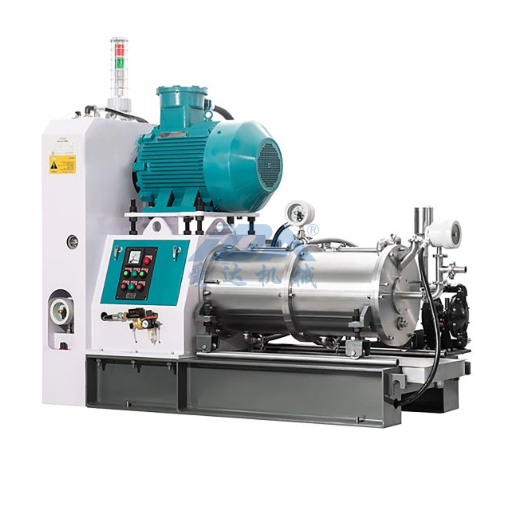
To define the effectiveness of the various grinding media in milling or grinding processes, their composition is a significant concern. The common materials used are steel, ceramics, or high-density alloys. Steel grinding media, either forged or casted, offers high durability in those applications where high-impact is most likely. On the contrary, ceramic media provide resistance to corrosion and is mostly used for fine grinding or in applications where minimizing contamination is mandatory.
When selecting grinding media, important factors include hardness, density, and size of the media. Hardness controls the wear resistance of the media, while density controls the grinding efficiency as well as energy requirements for milling. Grinding media should be chosen to match the above characteristics. This will not only ensure the desired milling results but also reduce the chances of contamination and operating costs.
Applicable grinding media, because of the operative requirements first and foremost, need a clear understanding of material being manhandled, “strategy..” material size reduction requirements, and on the other hand, the actual operating conditions, such as temperatures, chemical exposures, etc. Through the balances on these factors, manufacturers and operators can then fine-tune milling processes towards cost-effectiveness, product quality, and sustained and continuous service life.
Particle Size and Its Impact on Milling Efficiency
Particle size has a critical role in the overall efficiency of the milling process. The smaller particles ease handling and processing, which may increase the opportunity of surfaces being exposed in order to bring about reaction rates to acceleration in chemical and food processing. On the other hand, decreasing particle size might cost higher energy needs and result in this being a less cost-effective process operation. It is very necessary to strike a balance between achieving suitable particle size and energy efficiency in milling processes.
Uniformity in particle size distribution is important equally for consistent product quality. Any variations in particle size could lead to uneven performance—for instance, variations in dissolution rates or in homogeneity within the mixture for the formulation. Ensuring uniformity may require tight control mechanisms, such as sieving or fine equipment calibration. Doing so would reduce inefficiencies while guaranteeing the final product corresponds to specified product qualities.
Likewise, particle size issues are as well often related to worn parts and a maintenance issue. Very small sizes escalate the attrition of milled parts due to the increased abrasiveness involved, especially for harder materials: hence, these adverse conditions and structures that may lead to machinery wear ought to be monitored. Therefore, quick action with regard to regular maintenance is an important part of any maintenance plan that ensures machinery life expansion and consistent time frame submission for work orders. For the milling operation, hence, a good level of understanding and control of particle size is required to complement operational success and cost.
Durability and Wear Rates of Different Media
Durability and wear rate of grinding media are important factors that affect the efficiency and cost of milling operations. Durability considers the media’s resistance to physical and chemical damage under the application of actual operation, while wear rate is a measure of the rate of media consumption over time. The combination of generally the media material, its physical characteristics, and those of the material being milled, such as hardness, abrasiveness, and particle size, are the major factors influencing these phenomena.
They are made of materials having high density, such as ceramics or certain steel alloys, and tend to have high durability and low wear rates due to such hardness. Such materials can resist the mechanical stress and retarded impact during milling, thus requiring less media consumption and less contamination of the final product. Nonetheless, the greater initial cost of durable media makes one pause, particularly in situations with a limited budget.
Regular monitoring and test checks can optimize wear rates and durability of grinding media. This enables constant, predictable performance, avoids incidental failures, and enhances the service life of grinding media. Drawing upon different practical and experimental needs of operational circumstances; that is, on the basis, especially of the material type being processed and the particle size distribution aimed at several technical factors, the type of media ultimately chosen certainly emphasizes the milling effectiveness and cost-effective production practices.
Types of Grinding Media
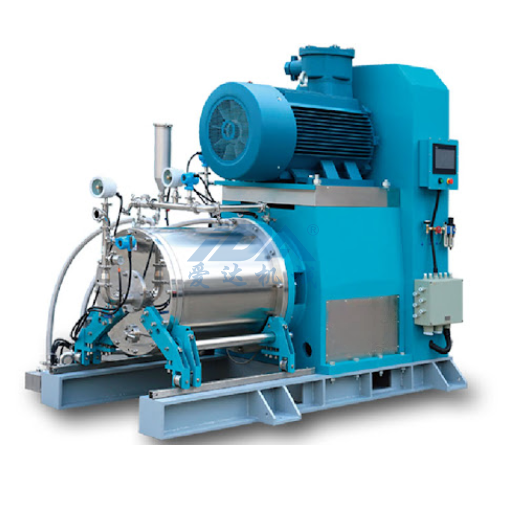
Overview of Common Grinding Media Materials
Grinding media materials play a significant role in the milling process and affect the performance, longevity, and cost effectiveness of the process. The grinding media materials frequently used are steel, ceramics, and plastics, each being a right choice according to operational requirements and also material under process.
Steel grinding media, which include carbon and stainless steel, are widely used because of their high-specific gravity and hardness. These properties make steel grinding media most appropriate for heavy-duty milling processes where hardness and shock resistance are necessary. Steel balls are always employed for use in mining, cement-making, and industrial grinding progresses.
Ceramic grinding media, for instance, is selected not only for being chemically inert but also for resisting wear and contamination. It is used usually in cases of fine grinding and processing of sensitive materials such as pharmaceuticals, pigments, or food products. By contrast, plastic grinding media are light, chemically inert, and ideal for soft materials or lab-scale experiments where precision is a critical consideration.
Comparison of Ceramics and Tungsten Carbide
Ceramics and tungsten carbide are conventional materials for grinding media, having their distinct characteristics, advantages, and disadvantages, depending on the specific application of the mill. Ceramics, mainly composed of compounds such as alumina or zirconia, are vastly preferred due to high chemical inertness, low density, and wear resistance. The characteristics of ceramics allow them to excel in applications where they are the need for minimum contamination or where milling is carried out with softer materials that require precision.
| Media Material | Advantages | Best Use Case |
|---|---|---|
| Ceramics (Zirconia) | High purity, corrosion resistant | Pharma, Food, Fine Pigments |
| Tungsten Carbide | Extreme hardness, high density | Aggressive grinding, hard ores |
| Steel | Cost-effective, high impact | Mining, Cement, Industrial |
The exceptional hardness and density of tungsten carbide certainly make it very efficient in the grinding process while also providing a high resistance to wear and tear. It excels where the work material is very hard, grinding is extremely aggressive, and most importantly, wear resistance is of considerable concern. The high-density strength may prove to be disadvantageous when applied to food processing equipment, and in fact, it might not even be suitable in case of material contamination because of potential chemical reactivity.
Choosing Between Different Media Types
In judging what type of media is right for any application, ranging from the lead singer to operational conditions, the decision depends entirely on the material. Ceramics are a preferred choice for fine-grinding operations because they are inert and very durable. For those of you grinding delicate materials, their superior wear resistance will guarantee both improved performance and undisturbed form of grinding material.
Steel media is preferred for heavy-duty applications. It is popular for faster grinding as it consists a suitable density and mechanical strength. When harder materials are being ground, it gets an edge over the others. The snag may be of course contamination due to metal-to-metal contact. Therefore, steel media should not be considered for really fine or delicate grinding applications; furthermore, an additional washing procedure may have to be carried out to prevent contaminating the material with steel particles.
For softer or more specialized materials, one can consider the use of plastic or polymer-based media; these must be lightweight, give low abrasion, and be best suited for applications where surface finishes and minimal material damage are imperative. Understanding the material properties, production goals, and operational constraints is a useful input to help in the informed choice of grinding media.
Selecting the Right Grinding Media

Factors to Consider in Media Selection
Selecting grinding media includes several factors, the most important being the material content in the media itself. The material should be such that—it should not contaminate or subject the processing material to undue wear. As such, for hard materials, such as steel or ceramics, there should be a harder media configuration, and softer materials can be best handled by polymers.
Another important decision to make pivots around the size of the media and this in turn is confirmed by density. Larger or denser media imply more torque and are good for processing large and coarse materials or materials with high viscosity. However, the media size should remain in range for smaller media. Whether large or dense, such media would be identical, suitable for runny grinding, those where strict particle distribution in low-viscosity conditions is of utmost importance.
With due flexibility, the grinding process appears to be significantly influenced by the operating conditions. Mill type, rotational speed, presence of corrosive matter, etc, can influence grinding media performance and longevity. By selecting media able to withstand such conditions, a more efficient operation and lower operational downtimes can be provided. Assessment of all such factors together would enable the best choice of media for any specific application.
Particle Size Distribution and Its Role in Efficiency
One of the most important factors conducive to process efficiency in grinding is particle size distribution. The distribution of particle size and degree of uniformity affect directly the product quality, production rate, and energy utilization. The optimization of particle size distribution ensures that the grinding process is smoother and reduced waste within the process ultimately results in better overall productivity.
When a particle is of the right size, it tends to flow well and blend uniformly, thereby aiding downstream processes, such as mixing or reacting with other materials. Fine particles also increase the area available for the reaction, which then leads to better working of the process. Nonetheless, fine particles that become too fine result in increased dust production, handling inefficiency, inter alia, and coarser ones could hamper system performance and product quality. Therefore, achieving equilibrium is the only way.
Particle size analysis in situ allows for additional understanding into process performance. Particles are introduced to liquid to determine the particle size distribution of the newly created product. Characteristics such as particle size are influenced by process-dependent variables (e.g., feed rate, mill setting) which need to be adjusted to produce particles of a desired range. This reduction in the particle size range does a lot for reducing process costs, improving product quality, and eliminating wasteful energy use, thus making the importance of this exercise a rudimentary requirement in any process with Due regard to efficiency and sustainability.
Cost-Effectiveness of Different Grinding Media
The cost-effectiveness of grinding media is dependent on factors such as type of material, their durability, and energy efficiency. The grinding media can be composed of ceramic, steel, or natural stones. These materials each have their range of benefits and drawbacks, with ceramic media being noted for its extreme wear resistance and energy efficiency, and for being suitable for the very best grinding and ultrafine processes. Steel media, with their extreme toughness, are excellent for many grinding processes. However, factors like greater energy consumption and potential contamination may make them more costly to run in sensitive applications.
The overall life of media remains a crucial factor determining cost-effectiveness. A long-term reduction in costs is achieved by expensive material and lower wear rates to decrease replacements. More will go into that less would go into maintenance while using little energy. Cheaper production costs and eco-friendliness are ensured when selecting the material that conserves energy to balance with effective durability.
There is also a need to think of process-specific requirements before deciding on grinding media. Fine particle processes require light, less crushing media for precision; coarser grinding prefers heavier options to obtain efficiency. Matching grinding media material properties to the production process and particular requirements represents the best route toward cost savings and higher performance over time.
Optimizing Product Quality with the Right Media
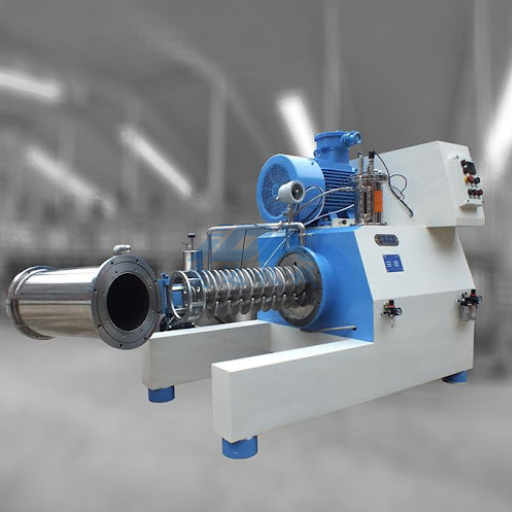
Impact of Grinding Media on Final Product Quality
The grinding media employed has a significant impact on the final product quality in various manufacturing and processing industries. The grinding media influences directly the particle size distribution, a key factor in determining the performance and utility of the end product. By using the correct media, one should expect a fine degree of consistency in the desire of fineness and uniformity, which, in turn, would ultimately increase the quality of the product.
The selection of grinding media has implications for the contamination risk involved during the grinding process. Contamination at grinding could impart some indications of the final product, leading to a significant deterioration of the safety or functionality of the product in fields such as pharmaceuticals or food products. By choosing media made from materials compatible with the intended application, manufacturers may maintain high purity standards.
The longevity and durability of media will affect process efficiency and equipment life. The use of durable items could lower the probability of entangled loosening residues affecting products and would enhance operational costs by extending operational life. This said one must always prioritize the selection of the right grinding media so as to maintain a minimum trade-off between product quality, operational efficiency, and economic benefit.
Future Trends in Grinding Media Selection
Advancements in grinding media selection are increasingly driven by technological innovation, environmental considerations, and cost efficiency. One clear trend is the development of new materials for grinding media. These high-performance alloys and ceramics are highly resistant to wear and would be expected to increase process capability by reducing the frequency of media replacement.
Another significant factor which is now becoming crucial in grinding media selection is that of sustainability. Therefore, such producers are looking at eco-friendly methods for their production that result in recyclable media materials to minimize the green footprint. Optimizing media sizes and distributions are gaining increasing recognition as methods for stepping up energy efficiency thereby saving resources and operation costs.
The future of sustainable practice in the industry will involve the adoption of data-driven methods in the areas of grinding media selection and automated decision-making. With the aid of scouting techniques, software, and monitoring instruments, operators take corrective action instantaneously during real-time grinding performance analysis whenever inefficiency is sometimes noticed. Technology must provide for uncomplicated decisions and grinding options that are specifically suited to the operating requirements of individual operations. These evolving patterns suggest more sustainability, cost-effectiveness, and technological advancement in the industry.
Frequently Asked Questions (FAQ)
Q: What is grinding media selection and what makes selection significant?
A: Grinding media selection pertains to the choice of suitable milling media, pertinent to the task of grinding and milling; the choice of the right media directly translates into efficiency and particle size, wear of media, and final particle size. Consideration of such aspects as hardness and wear resistance, size and shape, material composition (carbon steel, silicon carbide, silicon nitride, carbide ball), and milling applications enable working out the best possible selection for grinding that would maintain the desired particle size while minimizing material wear and media costs.
Q: What is the role of various ball sizes and shapes in grinding performance?
A: Ball size and shape (i.e., spherical, narrow size, larger media, smaller media) play a role in collision energy. They also affect specific surface area and the balance between impact and attrition. Large sizes and larger media tend to be used for coarse breakage. Small sizes and narrow-sized media are suitable for finishing and therefore produce particles of a finer nature. The shape of the media (spherical versus irregular) determines media packing, mill charge behavior in ball mill jars, or media mills in such ways that such mills can be optimized for efficient milling.
Q: Which materials are commonly used as grinding media, and how does one material compare to another?
A: One may use either materials. They may include but are not limited to, carbon steel and ball media (steel balls) are relatively cost-effective; nevertheless, they have higher media wear, while silicon carbide and silicon nitride present high wear resistance but dirty chemistries, making these media great for wet-milling applications; however, carbide ball (tungsten) requires the highest cost for their ball hardness and wear resistance. The best grinding media will be a product of trading off between hardness, durability, cost, contamination risk, and wear resistance.
Q: What are the crucial considerations while selecting the grinding media for in given application?
A: Key things to keep in mind are the desired particle size, hardness and wear resistivity, the wear of media and risk of contamination, the size and shape, kind of milting (media mill, horizontal media mills, ball mill), wet vs dry, media required to enhance grinding, and the fact that all of this behavior should be surveyed for efficiency and particle size.
Q: How does grinding media degradation affect end-results in milling, and how can it be controlled?
A: Grinding media degradation leads to generation of unwanted material in a substrate and subsequently changes the mass/size distribution in a process for final particle size and improved process stability. In order to have control over grinding media degradation, materials with good wear resistance, an appropriate grinding media size, and media shape must be selected.
Q: When should I use soft media, as opposed to hard media?
A: Media in soft forms (media cases include various grades of steel) provide an acceptable sample in cases where contamination is not of primary concern and cost is an issue, as well in cases calling for gentle milling. When seeking to apply media with high wear resistance and high hardness and low contamination, such as would be found in precision wet grinding, use media manufactured with silicon carbide, silicon nitride, or carbide ball materials.
Q. How do the shape of the ball milljar and a mill media configuration affect the selection of grinding media?
A. Since geometry of devices such as ball mill jars and horizontal media mills could affect distribution of energy, media must be selected to match the type of mill. Ball mills generally use bigger spherical grinding balls for cascading and impact; horizontal media mills may benefit from smaller media for obtaining a finer final particle size.
References
-
Selecting Ceramic Grinding Media: Part 1–Theory
This paper discusses the importance of hardness and toughness in grinding media and considerations for their selection in stirred mill environments.
Read more here -
Effects of Grinding Media on Grinding Products and Flotation
This study highlights how smart grinding media selection can reduce costs and optimize flotation responses.
Read more here -
Predicting the Product Particle Size
This research emphasizes that grinding media selection depends on pilot and laboratory-scale tests for specific materials.
Read more here - High-Efficiency Horizontal Sand Mill Series