Get in Touch with IDA

Hydraulic Ram Press vs Pneumatic Discharge: Which Is Right?

Contents
show
The right choice of technology when it comes to material handling and industrial processes affects efficiency, reliability, cost-effectiveness, in general, the productivity of an enterprise. Two often-used technologies in these areas include the hydraulic ram presses and the pneumatic discharge systems. They are both beneficial but for different types of processes. This comprehensive guide will present the main distinctions, advantages and usage between the hydraulic ram presses versus the pneumatic discharge system.
Introduction to Press Systems
Exploring the Importance of a Comparison
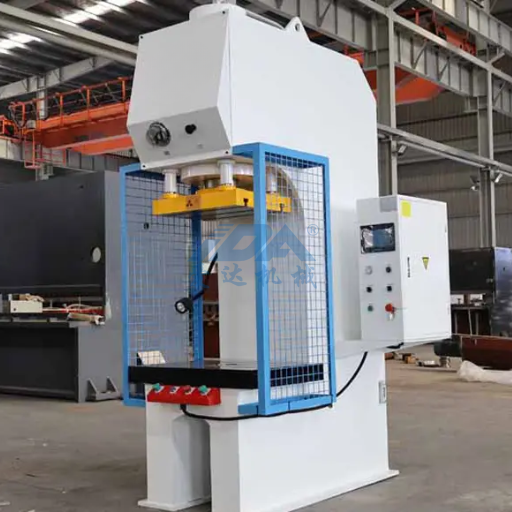
Comparison between hydraulic ram presses and pneumatic discharge systems is purposeful in determining which is more efficient, cost-effective and applicable to a particular industry. Hydraulic ram presses are convenient and effective particularly in the situations where high force and precision is needed such as metal forming, heavy duty material compaction or other applications requiring them. Whereas there are enormous advantages of pneumatic discharge systems such as speed and flexibility in carrying out in processes where safety is very necessary such as the industries that deals with material handling, for example those that deals with food processes or pharmaceutical preparations.
Modern trends and available analysis suggest the increased importance of energy efficiency, convenience of maintenance, and scale related issues when choosing these systems. It should be added that how efficiently energy is consumed, and whether varying sized operations can be aided by the systems are currently the two most searched topics on the net which emphasizes on the need of flexible systems. These preferences should be understood before choosing a particular press system in order to meet the operational goals and meet current industry standards.
Quick Comparison Overview
Hydraulic Ram Press
Best For: High force, precision applications
Industries: Metal forming, automotive, aerospace
Key Advantage: Superior force control
Pneumatic Discharge
Best For: Speed, cleanliness, light operations
Industries: Food processing, pharmaceuticals, packaging
Key Advantage: Fast cycling, clean operation
Ram Press vs Pneumatic: A Question of Great Significance
An assessment of the preference between hydraulic and pneumatic press should be informed by the operational strengths as well as efficiencies of each system. According to the current information available on the internet, one of the prevalent searches is “Which press is more energy efficient and more versatile?” To this extent, hydraulic presses have the capacity of handling higher pressure than the pneumatic ones, thus are best suited for heavy applications like metal forming or forge work. They can also exert the same amount of force over different strokes which is commonly required by manufacturers who produce products that need little spring back yet under high loads. Nonetheless, they can be quite energy consuming especially during idle states – in the absence of more advanced energy saving facilities.
On the contrary, in the case of pneumatic presses, it ensures faster and easier operation. They look good, when less intense operations are carried out, efficiency-wise, and also mostly find usefulness in fast and repetitive actions which is one of the main requirements of assembly-line production. These types of machines find relevance across different production levels where low force application remains adequate.
Choosing the Right System
Choose Hydraulic When:
- High forces are required
- Precision is critical
- Consistent force across stroke needed
- Heavy-duty applications
Choose Pneumatic When:
- Speed is paramount
- Light to medium forces adequate
- Clean operation required
- Lower energy costs desired
In the end that entirely varies on the needs of the operation. For organizations who require high forces and accuracy, it is advisable for them to use hydraulic solutions. On the other hand, for organizations that use lighter applications and are concerned with speed and energy reduction, pneumatic solutions can be considered. Such practices as variable frequency drives and smart pressure control systems among others can be employed to make either system more productive.
Industrial Applications: Integration of Both Systems
In many industries, the integration of both hydraulic systems and pneumatic systems is pursued, with each exploiting the specific characteristics of one or the other in order to achieve certain performance expectations. Based on the recent research and analysis of the data, the use of such industrial technologies is dictated by certain sectors like manufacturing, automotive, aerospace, and medical care, to mention a few.
They are primarily employed in industrial applications with high force requirements and/or need for accurate positioning. For instance, metal forming and stamping in manufacturing entail the use of hydraulic presses – and more – and robust construction tasks such as lifting and digging, use hydraulic powered equipment. In the same vein, flight control systems in the aviation industry are also aided by hydraulic systems owing to the fact that such systems can work even in very harsh conditions.
Contrastingly, compressed air systems are more suited to environments that require fast, light, and cleaner activities, as in food packaging and processing equipment that is used during times when zero contamination is expected. In particular, the use of pneumatic devices like ventilators or robotic laboratory apparatus is very handy for the healthcare sector.
Current Industry Trends
1
Energy Efficiency Focus
Growing adoption of electro-hydraulic systems and improved pneumatic energy performance
2
Environmental Impact
Demand for systems with lower environmental footprint and reduced pollution
3
Automation Integration
Integration with PLCs and IoT platforms for smart manufacturing
Features and Functionalities

Pneumatic Press Systems: An Overview
Pneumatic press systems are mechanical devices that utilize air stored under pressure to produce force for a wide range of industrial processes. These presses are made to provide an accurate and consistent displacement which is required in operations such as punching, pressing, embossing and assembly lines among other applications. Critical sections of a pneumatic press belt comprise the pneumatic cylinder, air supply lines, valves, regulators and a control unit. Their efficiency and flexibility in automating processes is further bolstered by the incorporation of sensors and programmable logic controllers (PLCs).
Pneumatic presses carry more weight in online searches as well as in many industries they are used in. This is because they are the most cost-effective, easy-to-mount, and adaptable out of conventional types of presses. The two major advantages of pneumatically powered presses include their small to medium force applications and their high productivity such as in the food and medical industries where environmentally clean power of operation has to be used. They also present fewer problems with maintenance and support thin energy consumptions in keeping with the trend towards sustainable production.
Pneumatic System Components
| Component | Function | Importance |
|---|---|---|
| Pneumatic Cylinder | Converts compressed air into mechanical force | Core actuator component |
| Air Supply Lines | Delivers compressed air to cylinders | Ensures consistent air flow |
| Valves & Regulators | Controls pressure and flow direction | Precision control mechanism |
| Control Unit (PLC) | Automates and sequences operations | Enables smart automation |
| Sensors | Monitors position and pressure | Feedback for precision |
An Insight into Hydraulic Press Machines
The principle that underlies the working of a hydraulic press system is that of it is called Pascal’s law; that is, by applying pressure to an enclosed fluid, the pressure is transmitted equally throughout that space. This simple concept helps exaggerate the force possible within each area occupied by a hydraulic press and thereby why they are commonly used together with metal forging, molding, compaction of materials among other purposes. According to some research, trends in searches have shown a gradual increase in interest for hydraulic press systems. Typical queries come in the lines of how effective they are, the current state of automated features development and in which spheres can they be used. High performance equipment that satisfies the changing requirements of precision and energy saving is a key focus of the industry. As such, hydraulic presses have been able to make significant contributions across many fields including automobiles, aerospace and materials processing as their advancement creates productivity benefits.
Pascal’s Law in Action
The moral of the story is that when force is applied to fluid in a closed system, it travels with equal force throughout the fluid and its container wall. It is this fundamental principle of multiplication of force which makes hydraulic presses a preferable choice for delivery of substantial heights of pressure as these designs enable very accurate delivery of the force by few individuals.
Ram Press vs Pneumatic Mechanism
While carrying out investigations relating to mechanisms used in industrial processes, special concern should be focused on the determination of factors such as efficiency as well as operating effectiveness of the existing mechanisms in general. It should be acknowledged that hydraulic presses have an edge over mechanical and pneumatic presses in certain aspects. For example, there are hydraulic systems which allow variations in force and speed applied, name it, process and control the material very well when high pressured processes are needed to be carried out. However, mechanical types of presses excel in fast and repetitive action tasks, yet their constant tonnage contribution and limited range of program control, makes them quite useful for simple and perhaps uniform manufacturing processes. In low force applications pneumatic presses provide significant advantage in terms of operational simplicity and speeds, but they are less energy efficient and do not exhibit the consistent force control characteristic attributed to hydraulic systems.
According to new research reports and analysis of search queries, there is an increasing trend towards hydraulic solutions for the reason that they are more flexible and can be embedded into advanced automation such as PLC and IoT platforms. This means that Ram Press vs Pneumatic, for example, will change in favor of hydraulics, this press (hydraulic press) is the base of the industrial activity in the present era, as it always has been.
Mechanism Performance Comparison
| Characteristic | Hydraulic | Pneumatic | Mechanical |
|---|---|---|---|
| Force Control | Excellent – Variable | Good – Limited | Fixed Tonnage |
| Speed | Moderate | Fast | Very Fast |
| Precision | High | Moderate | High (for repetitive) |
| Automation Potential | Excellent – IoT Ready | Good – PLC Compatible | Limited |
| Energy Efficiency | Moderate (idle consumption) | Lower (compression losses) | High (direct drive) |
Applications of Ram Press and Pneumatic Systems

Industries Utilizing Pneumatic Presses
In many different businesses, pneumatic presses are omnipresent thanks to their efficiency, dependability and ability to perform high-speed operations. The automotive industry heavily utilizes pneumatic systems in functions such as stamping, punching, and certain kinds of assembly tasks, where precision becomes paramount. Furthermore, electronic devices manufacturing uses these systems when there is a possibility to assemble or make any parts as the system is able to act smoothly and allow the specified processes even at the presence of fragile materials. Pneumatic presses are also used in food processing and packaging for the purpose of sealing, cutting or forming, tasks that require the equipment to be operated in a hygienic fashion and satisfy regulatory requirements. As per recent data, there is increasing enthusiasm for embracing pneumatic systems in the manufacture of medical devices given that these presses offer the required accuracy and cleanness of operation demanded by the industry concerned. Different manufacturing scenarios widely apply pneumatic presses owing to their adaptability and the fact that they do not require much maintenance.
Pneumatic Press Industry Applications
AUTOMOTIVE
Assembly & Stamping
Precision stamping, punching, and assembly tasks requiring consistent speed and accuracy
ELECTRONICS
Component Assembly
Smooth operation for delicate component assembly and manufacturing processes
FOOD PROCESSING
Packaging & Sealing
Hygienic operations for sealing, cutting, and forming that meet regulatory standards
MEDICAL DEVICES
Precision Manufacturing
Clean, accurate operations required for medical device production and assembly
Uses of Hydraulic Presses in Different Sectors
Various industries, such as automotive and construction sectors, use hydraulic presses because they produce phenomenal power, are very efficient, and can be surprisingly useful in effective management of challenging materials and process challenges. Forging, molding, and assembling critical parts such as chassis and transmission components, that would historically revolve around manual labor, are heavily assisted by hydraulic presses and it is for this reason that such presses have been used in the motor industry. In a similar manner as stated previously, in aerospace industry, hydraulic presses are used to fabricate aircraft stress quality alloy parts and composite materials; the aim is to improve aircraft performance. The plastic and rubber industries utilize hydraulic presses for mold making as well as for compacting materials in the most effective manner.
Based on very recent data compiled by search engines, the use of hydraulic presses is rising in very many sectors and most especially in renewables for example in the production of components for wind turbines and solar panels. These machines possess the ability to carry out high pressure activities such as conforming to certain shapes and welding different edges together needed for developments which are more energy efficient. Hydraulic Press application is therefore increasing due to technology and social responsibility.
Hydraulic Presses in Renewable Energy
Wind Turbine Manufacturing
Hydraulic presses craft strong, lightweight components such as nacelles and turbine blades. These parts require superior mechanical strength to withstand extreme loads, achieved through high-pressure accurate forming without cracks.
Electric Vehicle Production
Within vehicle-manufacturing, hydraulic presses construct battery enclosures for energy storage. The joining of various materials such as aluminum with steel promotes endurance while safeguarding weight requirements of electric vehicles.
Solar Panel Assembly
The lamination and encapsulation of solar cells during manufacturing is made possible by hydraulic presses, making production efficient and effective while maintaining precision standards.
Advantages and Disadvantages
Energy Efficiency: Pneumatics vs Hydraulics
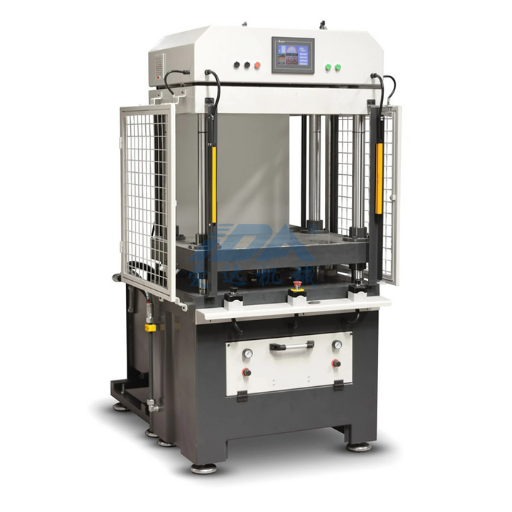
Talking about the efficiency of a pneumatic and hydraulic system, it is best to begin by defining these systems and describing their energy consumption as well as looking at the information that search trends provide. In this regard, because of the incompressible nature of the fluid that hydraulic systems use, they have been regarded as very efficient in terms of energy especially when high precision and high forces are expected over heavy masses. They can be operated at very high-pressure levels hence are suitable for heavy-duty applications within industrial settings where force and reliability are prioritized.
Conversely, pneumatic equipment, which typically operates by means of air compressors, is known for its easy maintenance, speed, and simplicity. These systems are nevertheless low in energy efficiency, given that the energy consumed during air compression, transmission, and actuation results in losses from the compressible working fluid. Recent search data suggests an increase in hydraulic systems-related searches, especially within the context of industries such as manufacturing and renewable energy, signifying an increasing affixation of their adoption in such high-performing settings. However, pneumatic kits still find use in applications where there is minimal or no load to be moved, and where output of the system changes and recalculates rapidly, thereby making them useful in some areas.
Energy Efficiency Analysis
| Factor | Hydraulic Systems | Pneumatic Systems |
|---|---|---|
| Working Fluid | Incompressible liquid – minimal losses | Compressible air – energy losses |
| Idle Consumption | Higher (pump runs continuously) | Lower (minimal supply during idle) |
| Operational Efficiency | High for heavy-duty, long operations | Lower due to compression losses |
| Best Application | High force, precision tasks | Light loads, rapid cycling |
Precision and Durability Differences
The differences between Ram Press vs Pneumatic are precision and durability; these factors become the main reason for the choice of systems by different industries. Hydraulic systems are distinguished by superior precision bestowed upon them by their incompressible mode of operation. These systems allow attendant control of movement and position. It is therefore inevitable in CNC machining operations and high accuracy heavy duty machinery operations. At the same time, they are long lasting and able to resist harsh environments because of their firm build and the capability to work at high pressures.
Pneumatic systems on the other hand are not as accurate since air is a compressible fluid but they perform excellently in areas where high cycling and light operations are required. They are, however, less likely to overheat and can withstand various temperature ranges, which makes their use more dependable and stable in certain industries, for instance, assembly or packaging lines, including conveyors.
Search analysis of the most recent data provided by the search engine depicts the rising number of references to the precision working of hydraulic apparatuses, more so, in the fields of industrial production and automated robotics. The searches referred to systems that were accurate but also able to perform repetitively without sacrificing anything, suggesting that there exists a superiority of the hydraulic systems in the execution of sensitive operations. In contrast, the consistent search traffic on pneumatic application in light and high velocity suggests that the consideration is also alive in lightweight roles where the mother of all concerns is cost and time.
Advantages & Disadvantages Summary
Hydraulic Advantages
- Superior force control
- High precision
- Excellent durability
- Handles harsh environments
Hydraulic Disadvantages
- Higher idle energy consumption
- Complex maintenance
- Risk of fluid leaks
- Higher initial cost
Pneumatic Advantages
- Fast operation speeds
- Clean operation
- Simple maintenance
- Lower initial investment
Pneumatic Disadvantages
- Lower force capability
- Less precision
- Energy loss from compression
- Air leaks reduce efficiency
Maintenance and Operational Requirements
Even though maintenance and operation requirements are usually assessed at the same time, these two systems based on different principles, show different characteristics. For hydraulic systems, they are obliged to the principles of flow of fluids under extremely high pressure, and hence they have stringent maintenance demands. Leaks prevention, fluid condition, and components operating in their optimal state need to be regularly checked so that performance restrain is greatly minimized. Conversely, in pneumatic systems where compressed air is used for operations such aggressive steps need be adopted apart from cleaning the filters, applying lubricants where appropriate and ensuring that the seals and valves used are not worn out or overused.
Examining digital trends insights, we see that engineers and maintainers are increasingly discernibly adjusting the frequency of maintenance routines. An upsurge in the ratio of interest for ‘hydraulic fluid contamination’ subscribes to the maturing consciousness that raises attention towards contamination of such systems which calls for these filtration systems to be checked every few days. Likewise, as there are shifts seen in the search trends for ‘pneumatic seal replacement’, it is important to highlight that critical mechanical parts should be tracked in order to prolong their useful life.
Maintenance Checklist
Hydraulic Systems
- ✓
Monitor fluid levels and quality - ✓
Check for leaks regularly - ✓
Inspect high-pressure pumps - ✓
Replace seals and filters - ✓
Clean filtration systems
Pneumatic Systems
- ✓
Clean air filters regularly - ✓
Lubricate moving components - ✓
Check for air leaks - ✓
Replace worn seals and valves - ✓
Monitor compressor performance
Cost Analysis
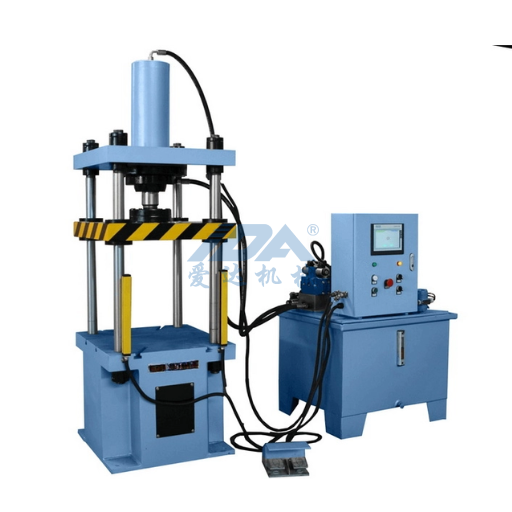
Capital Costs: Ram Press vs Pneumatic Systems
A focus should be made at this point on the capital costs incorporated in ram verses pneumatic press systems. There are several cost components characterized which are distinctive of a hydraulic system as opposed to a pneumatic one. Hydraulic press systems commonly involve additional financial outlay since they are of a sophisticated design, contain advanced components and equipment such as high pressure pumps, reservoirs and precision valve technology. In contrast, their pneumatic counterparts require lesser capital investment as they are easier to construct and storage for more height is unnecessary, which dispenses with the use of elaborate equipment.
The current reports appear to suggest that even minimalistic and basic hydraulic presses can be acquired within the price bracket of $10,000 to beyond $100,000, may they require a high capacity, customization or even any of the features for particular uses. Though there are exceptions, most pneumatic presses generally cost between $5,000 – $30,000, which largely opens the market of sale to operations on small scale or businesses that do not put as a priority high force output but rather promotes the flexibility of the system. Nonetheless, this solely relies on the intended purpose of the machine as hydraulic systems could be value adding in the long run, especially if tasks require a lot of force and accuracy hence the high initial cost is justified.
Cost Comparison Overview
| Cost Category | Hydraulic Press | Pneumatic Press |
|---|---|---|
| Initial Purchase Price | $10,000 – $100,000+ | $5,000 – $30,000 |
| Installation Complexity | High – Requires specialized setup | Low – Simple installation |
| Operational Costs | Higher idle consumption | High compression energy costs |
| Maintenance Costs | Higher – Complex systems | Lower – Simpler maintenance |
| Long-term Value | Excellent for heavy-duty applications | Best for light, frequent operations |
Operating Costs Comparison
Evaluating operating expenses of pneumatically or hydraulically assisted presses ought to consider both power consumption and service regimes. Pneumatic presses during periods of inactivity use little electricity due to the fact that the compressed air is not constantly supplied; however, the generation of the same compressed air is very power intensive and is among the major cost sources of running these kinds of equipment. When it comes to the hydraulic pumps in the hydraulic presses, although more efficient especially during long operations than the pneumatic pumps, the hydraulic pump which has to work even when the machine is idle consumes involves a great deal of power hence such machines consume a lot of energy.
These two systems are also distinct in terms of operating costs. Ram Press vs Pneumatic presses costs less in terms of maintenance since, mechanically speaking, they are user friendly and less wearing because the pressures involved are also lower. However compressed air system leaks are inefficient and will necessitate close supervision most of the time. Maintenance is an ever existing parameter that is necessary in any systems especially ones which use fluids operating at high pressures such as a hydraulic press. Consequently an economic analysis will indicate higher lifecycle costs of maintenance for hydraulic compared to pneumatic press.
On the basis of what has been stated above as well as in conjunction with the industry standards, statistical data suggests that it is cheaper to utilize pneumatic presses for shorter or occasional work, which requires less force, and involves less inconveniences, for instance, vibrations or noise. Hydraulic on the other hand, despite its high costs in maintaining them, is more effective in facilities that engage one who needs little force but works longer, achieving better value for money when used appropriately.
Long-term Value and ROI Considerations
A closer look at the most recent data and research on the long-term value and ROI of manufacturing equipment shows that the machinery selection is a crucial consideration, which is dependent on both the present and future working of the business. Search trends and industrial analysis attribute energy efficiency and adaptability to be of primary concern.
Key ROI Factors:
- Energy consumption patterns and efficiency over time
- Maintenance frequency and complexity
- Equipment lifespan and durability
- Scalability for future operational needs
- Automation compatibility and upgrade potential
Frequently Asked Questions
Reference Sources
- Design of an Impact Ram Used to Simulate Loadings Encountered During Automobile Accidents – This study explores the design and functionality of a pneumatic impact ram for calibration and verification in automotive applications.
- Pneumatics in Industry – A research project focusing on the design and application of pneumatic systems in industrial settings.
- Design of a Prototyping Press for 3-D Monolithic Compliant Mechanisms – Discusses the development of a hydro-pneumatic circuit for prototyping presses, highlighting functional requirements and engineering considerations.
- Hydraulic Discharge Machine
Making Your Decision
The decision to choose between hydraulic ram press and pneumatic discharge systems PVC FRP tanks is dependent on the user’s requirements. High forces, precision, and rugged applications, where long lasting performance is key, have been the ideal use for hydraulic systems. Whereas, pneumatic systems are best when the work is expected to be in a good and fast environment. Evaluate your need for force, precision, energy cost, maintenance ability, and operation over time before making a decision. The two technologies are evolving through out time increasing efficiency and automation capability so that any technology chosen will fit the industry.