Get in Touch with IDA

Bead Mill Mechanical Seal Selection Guide

Contents
show
The performance and reliability of a bead mill system depends on selecting the appropriate mechanical seal to achieve optimal results. The mechanical seal performs two functions because it stops leaks while it protects equipment parts and boosts operational efficiency and extends system lifetime. The selection process becomes difficult because multiple factors need evaluation such as operating conditions and media compatibility and pressure requirements. This guide provides a straightforward process that helps you make an informed choice through its detailed information and useful recommendations. The resource provides essential knowledge for industrial experts and beginners who need to select the most suitable mechanical seal for their unique needs.
Key Takeaway
Selecting the right mechanical seal is not just about stopping leaks; it is a strategic decision that impacts the longevity of your bead mill and the purity of your final product.
Understanding Bead Mills
What is a Bead Mill?
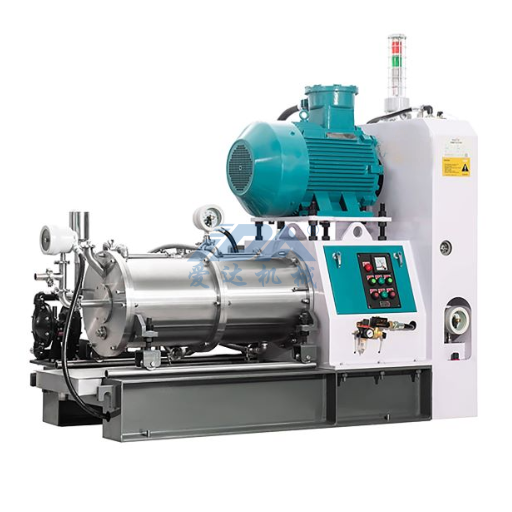
A bead mill functions as an industrial grinding machine which utilizes small grinding beads to achieve complete solid particle distribution in liquid solutions. The equipment effectively reduces fine particles while maintaining balanced particle distribution throughout multiple material types. The efficiency and precision of their mixing and milling processes make bead mills essential for industries that produce coatings and paints and pharmaceuticals and biotechnology products.
The basic operation of a bead mill depends on how its grinding beads interact with the material being processed and the rotating agitator. The agitator moves the beads through the machine at high speed to create powerful shear forces which reduce solid particles into smaller components. The process produces consistently dispersed particles together with finely milled material. The size of the beads and the adjustable speed settings of the mill play a crucial role in determining the final quality and size of the particles.
Bead mills provide multiple benefits which include better product quality and lower energy costs together with the capability to handle various material types. The system can operate through continuous use or batch processing which makes it suitable to handle different production requirements. The system comes with features such as cooling systems which control operational heat to protect materials that need temperature control. The precise and efficient grinding needs of various industries make bead mills the primary choice for their grinding methods.
How Bead Mills Work
Bead mills operate by employing small beads which have uniform dimensions and are made of materials such as glass and ceramic and steel to grind particles and distribute them throughout a liquid medium. The mill’s grinding chamber features beads that operators use to create agitation through either a rotating shaft or a rotating disk. The beads create impacts on particles which together with friction movement reduce particle size until it reaches the required dimension for achieving fine grinding results and for producing uniformly dispersed material.
The entire process depends on energy transfer as its fundamental operating principle. The moving beads transfer their mechanical energy to the particles which results in their size reduction. The process achieves its proper functioning through three factors which include bead dimension and agitation speed and material characteristics. The bead mills enable precise result achievement through variable control which meets the requirements of different industrial applications that include paints and inks and pharmaceuticals and cosmetics.
Bead mills work best when they process materials that need accurate results and when those materials must maintain their original product quality. The enclosed design of these systems protects against contamination while providing essential temperature control for managing delicate materials. This system operates as a dependable and adaptable method that produces uniform tiny particles for diverse industrial requirements.
Types of Bead Mills
The industry recognizes three primary types of bead mills which fulfill different processing requirements and material handling needs. The most common types include horizontal bead mills, vertical bead mills, and high-energy bead mills. The processing flexibility of these designs enables operations to adjust according to viscosity requirements and particle size needs and production volume requirements.
- ✓
Horizontal Bead Mills: Widely used for versatility and efficiency; handles medium to high viscosity at high throughput. - ✓
Vertical Bead Mills: Chosen for simple operation and low to medium viscosity processing. - ✓
High-Energy Bead Mills: Advanced systems for ultra-fine particle production in nanotechnology and pharmaceuticals.
Applications of Bead Mills

Bead Mills in Laboratory Settings
Laboratories use bead mills as their main equipment for making precise particle size reductions which result in efficient material processing. The laboratories use these machines to generate smaller particles which have better size distribution from various materials including biological samples and polymers and suspension materials. The mills function as essential equipment in research and development work because they enable scientists to conduct precise small-scale experiments which require exact results.
Researchers use bead mills to create samples which they will analyze during pharmaceutical testing and chemical research and biological studies. Bead mills ensure the homogeneity of samples which is essential for reproducible results. Scientists use the equipment to produce precise material specifications through emulsifying and dispersing and grinding operations which meet the scientific standards of their experiments.
Laboratories value bead mills because they provide versatile equipment for multiple applications. The system can process different materials by changing three operational parameters which include bead size and milling speed and operational temperature. Scientists can adjust the milling process according to their specific material needs because of this operational flexibility. The compact design of the device makes it suitable for use in small spaces which have restricted operational area.
Homogenization of Biological Samples
The homogenization process of biological samples requires bead mills because these instruments provide efficient and flexible performance. The devices use beads together with mechanical agitation to generate physical destruction of cells and tissues and other biological materials. The procedure starts with sample beads being mixed together, followed by high-speed agitation that results in bead collisions with the material, which enables the material to break into smaller uniform parts. The method operates as a standard procedure for extracting DNA and RNA and proteins and all other cellular components from living organisms.
Bead mills provide their main advantage because they can handle all types of samples, which includes both tough tissues and complicated mixtures. Researchers prefer these systems because they deliver consistent results that can be duplicated, which makes them suitable for molecular biology and microbiology and biochemistry applications. The system allows researchers to select different bead size and speed and temperature parameters, which enables them to create their own homogenization methods that meet their specific sample requirements while still maintaining operational efficiency.
The process of bead mill homogenization provides another important advantage because it enables users to increase their operations according to their needs. Bead mills provide operational flexibility because they enable users to conduct both small laboratory tests and large industrial production runs. The devices maintain their compact form, which allows users to operate them in limited space, therefore making them usable in multiple research and production settings. Bead mills provide reliable equipment for biological sample homogenization because their system delivers accurate results, effective performance, and flexible operational capabilities.
High-Throughput Applications
Bead mills deliver operational efficiency together with constant output which results in major advantages for high-throughput applications. The equipment operates multiple samples at once which results in complete sample homogenization throughout the entire processing cycle. This capability is essential in settings such as pharmacological research or genetic studies, where large-scale testing and data accuracy are critical.
Bead mills serve as essential tools for molecular biology work which involves extracting DNA, RNA and proteins. The equipment enables researchers to complete their tasks more quickly while maintaining accurate research output because of its fast and efficient performance. The technology serves as a vital resource for laboratories that analyze tissue samples and research cellular elements on a large scale. Bead mills help create consistent research results which essential for scientific research in high-throughput environments. The system generates repeatable output through various testing processes which establishes trustworthiness for scientific investigations. The equipment can handle different testing methods and sample materials which makes it suitable for various high-throughput procedures in contemporary laboratories.
Bead Mill Homogenizers
Overview of Bead Mill Homogenizers
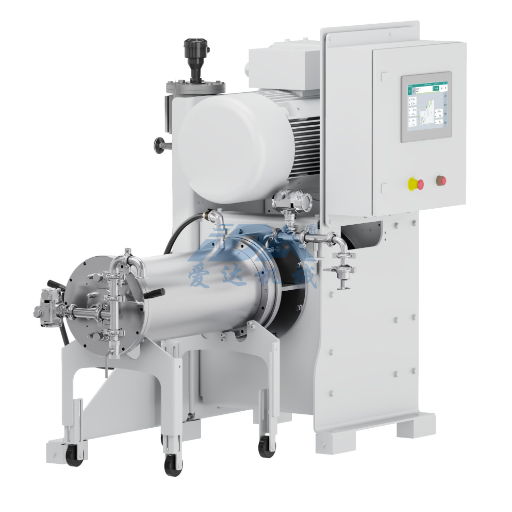
Bead mill homogenizers serve as sophisticated instruments which enable scientists to break down various biological specimens into their fundamental components. The system employs small beads which, through their movement, create disruptions to cell structures and tissue components and other substances at a nanoscopic scale. The method achieves thorough homogenization which produces reliable research results through scientific studies because it establishes uniform material distribution throughout the entire sample.
Comparison with Ball Mills
Bead mill homogenizers and ball mills both serve to break down biological and material samples; however, they differ significantly in efficiency and application. Bead mills use beads which they operate at high speeds to achieve rapid and precise sample homogenization. The process enables consistent size reduction of particles while achieving complete material mixing, which includes the handling of challenging materials that contain fibrous components. The ball mill process uses balls which tumble inside a rotating container to create an impact and grinding mechanism that performs at reduced speeds and achieves lower results when processing tough or mixed materials.
| Feature | Bead Mill Homogenizer | Ball Mill |
|---|---|---|
| Speed | High-speed agitation | Lower speed (tumbling) |
| Precision | Superior for micro-samples | Lower for mixed materials |
| Contamination Risk | Minimized | Higher risk |
Benefits of Using Bead Mill Homogenizers
Bead mill homogenizers demonstrate their strongest benefits through their ability to operate at higher efficiency levels while performing tasks at faster speeds. Bead mill homogenizers enable faster sample processing than traditional ball mill methods because they achieve results with equal precision. The laboratory environment requires this feature because researchers need to process multiple samples within fixed time limits which allows them to complete additional experiments without losing their work quality.
The system provides two main advantages because operators find it easy to use and the system requires less workforce support. Bead mill homogenizers require minimal operator training because their design simplifies operations and delivers fixed performance outcomes. The system provides maintenance free operation which leads to lower maintenance expenses and time requirements thus making the system suitable for extended research and diagnostic applications.
Mechanical Seal Selection for Bead Mills
Importance of Mechanical Seals
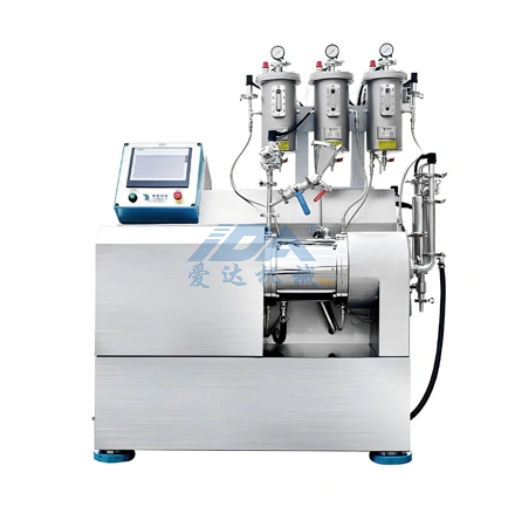
The operational efficiency of bead mills depends on mechanical seals which create a maintained secure space that controls the entire milling process. The seals stop processed materials from leaking while they keep system pressures stable which enables the milling process to operate with maximum efficiency and uniformity. The system stops waste production through material containment which protects the milling chamber’s contents, which makes it especially useful for highly accurate environments such as laboratories and pharmaceutical settings.
The main benefit of mechanical seals is their capacity to increase bead mill operational time because they safeguard machines from damage which leads to component replacement. The mill needs sealing because abrasive and corrosive materials that pass through it will create equipment breakdowns which result in expensive maintenance needs. The mechanical seals establish a strong protection system that minimizes equipment downtime while extending machine operation, which results in cheaper and more dependable business work.
Factors to Consider in Seal Selection
⚠️ Critical Selection Factors
- Chemical Compatibility: Resistance to solvents and media.
- Pressure & Speed: Ability to handle high RPM and friction.
- Maintenance: Ease of installation and inspection.
Common Types of Mechanical Seals
- 1
Pusher Seals
Uses a secondary seal that moves axially along the shaft to compensate for face wear. Ideal for high-pressure pumps and compressors. - 2
Non-Pusher Seals
Features a flexible membrane (bellows) to compensate for wear. Best for corrosive environments and extreme thermal expansion. - 3
Cartridge Seals
Pre-assembled units that minimize installation errors. Highly recommended for systems requiring frequent service. - 4
Dry Gas Seals
Operate without liquid lubrication. Used in high-speed turbo machinery for reduced friction and environmental safety.
Maintenance Best Practices for Bead Mills

Routine Maintenance Tasks
The optimal performance of bead mills requires maintenance work which must be done at regular intervals. Start by inspecting the grinding chamber and media for wear and tear. The milling process becomes less efficient because the components of the system have reached their maximum limit of wear which also affects product quality. The operation of equipment needs to proceed without interruptions therefore all worn-out components must be replaced without delay.
💡
Maintenance Checklist
- Monitor cooling lines for blockages or leaks.
- Inspect seals and bearings for early signs of friction damage.
- Verify proper lubrication levels of the agitation shaft.
Troubleshooting Common Issues
Uneven Particle Size Distribution
This problem occurs because operators fail to load beads correctly or because the mill operates at varying speeds. The solution requires checking bead load amounts to confirm they match the manufacturer guidelines. The operator must examine the current agitator speed before making adjustments until they reach their target grinding rate. The process requires operators to clean the bead mill at regular intervals to prevent material accumulation which results in unintentional changes to particle size distribution.
Excessive Heat Generation
A bead mill develops overheating problems when its operating speeds exceed safe limits while its cooling system fails to operate properly and excessive friction occurs from bead degradation. The operator needs to check the piping system which includes both coolant flow and temperature controls to verify that the cooling system operates at peak efficiency. The operator needs to reduce milling speed until heat accumulation stops while checking bead condition to replace any worn beads which will help decrease friction.
Bead Breakage or Contamination
Milling operations face both productivity losses and contamination problems when beads break during processing. Low grade beads and improperly sized beads represent the main reasons for this problem. The operator must choose only robust beads which meet the specific size requirements of their material needs. The operator needs to examine the chamber for signs of damage or misalignment before performing maintenance work which protects equipment from operational stress that leads to bead breakage.
Tips for Extending Equipment Life
The specific maintenance activities and operational procedures which need to be maintained throughout your bead mill operation will determine how long your equipment will last. Begin by regularly inspecting critical components such as the grinding chamber, cooling system, and agitator discs. Early identification of wear or damage helps to eliminate minor problems which would result in expensive repair costs.
Ensure that the bead size and material are appropriate for your specific application. The system experiences excessive stress when operators choose incorrect beads which results in decreased milling efficiency. The manufacturer provides specific guidelines which you must follow when selecting beads and establishing operational settings.
Frequently Asked Questions (FAQ)
Q: What is a bead mill and how does a bead mill homogenizer work?
A: A bead mill functions as a high energy milling machine which grinds materials while using grinding media to create movement inside its chamber. The bead mill homogenizer uses wet grinding processes to agitate beads which help to homogenize samples while reducing their particle size through collision and shear forces, which produces finer particles that can be used in analytical and nano applications.
Q: How does bead beating differ from other sample preparation methods?
A: Bead beating uses strong movement of grinding materials which include glass beads and ceramic beads and agate to break apart cells while creating uniform sample mixtures. Bead beating and bead mills produce superior energy and more efficient collision and shear forces compared to mixers and gentle homogenizers which makes them suitable for dealing with difficult materials and conducting complete cell disruption necessary for nucleic acid extraction.
Q: What types and sizes of grinding media are available and how do I choose the right diameter?
A:The different types of grinding media include glass beads and ceramic beads and agate and stainless steel beads which come in various bead materials that operate for distinct functions. The smaller beads which include x 2 ml and x 7 ml pack sizes work with tubes that contain 2 ml and 30 ml and 50 ml because they produce finer particles and create nano dispersions, whereas the larger beads work better with tough, hard materials. The media selection process requires users to decide on their desired final particle size and their sample material toughness and their preference for wet or dry grinding.
Q: Can bead mills handle both dry and wet grinding processes, and what is circulation?
A: Yes, many mills and bead mills are compatible with dry and wet grinding processes. The wet grinding process uses circulation to move the slurry through the mill chamber, which allows the grinding media to continuously agitate and circulate, resulting in better dispersion and effective size reduction. Some systems also allow closed-loop circulation for consistent particle size control.
Q: What sample volumes can be processed and are there tube-compatible options like 2 ml or 50 ml?
A: Bead mills and bead mill homogenizers exist in different designs which permit operators to work with both small tubes and large containers that range from 2 ml to 30 ml and 50 ml sizes. The system provides affordable and efficient bead processing solutions through its tube-compatible bead beaters and dedicated devices which support specific tube dimensions.
Q: How do I optimize bead mill settings to get finer particles or better dispersion?
A: The process requires adjustment to bead size and material selection and loading capacity and operation speed and time duration to produce finer particles and better particle distribution. The process requires smaller diameter beads and extended processing time or increased agitation for achieving finer results while ceramic and glass beads should be used to maintain chemical compatibility. The process needs temperature monitoring together with wet grinding methods that use optimized dispersants to stop re-agglomeration.
Q: What are the maintenance and cost considerations when choosing mills and bead mills?
A: Evaluate the duration and expenses of grinding media materials which include glass beads and ceramic beads and agate beads together with their cleaning simplicity and their suitability for your specific samples. Some systems become more cost-effective when used for daily operations whereas advanced analytical bead mills deliver better operational control and performance efficiency. The optimal operation and extended lifespan of equipment depend on ongoing bead wear assessment together with correct sealing methods and compliance with established operating standards.
References
-
Fisherbrand Bead Mill 24 Homogenizer – This source from the University of Wisconsin provides information on the Fisherbrand Bead Mill 24, used for homogenization of biological samples.
-
Bead Mill Homogenizer – A resource from the University of Memphis discussing bead mill homogenization and molecular extraction.
-
Fe16N2/Al2O3 Ferromagnetic Nanoparticles in Toluene – HERO – A study on the dispersion of nanoparticles using a bead mill, hosted by the EPA’s HERO database.
- High-Efficiency Horizontal Sand Mill Series