
Get in Touch with IDA

High Speed Disperser
High Speed Disperser – Industrial Mixing Equipment from Leading China Manufacturer
A professional state-of-the-art high-speed disperser, meticulously engineered, is intended to facilitate the accelerated and problem-free dispersion of solid particles into liquid. Our disperser mixers provide superior shear power, along with enhanced precision in particle sizing, and assure model consistency in paint, ink, coatings, adhesives, and various chemical manufacturing applications.
Free Technical Consultation
Custom Engineering Available
Factory Direct Pricing
24/7 Support
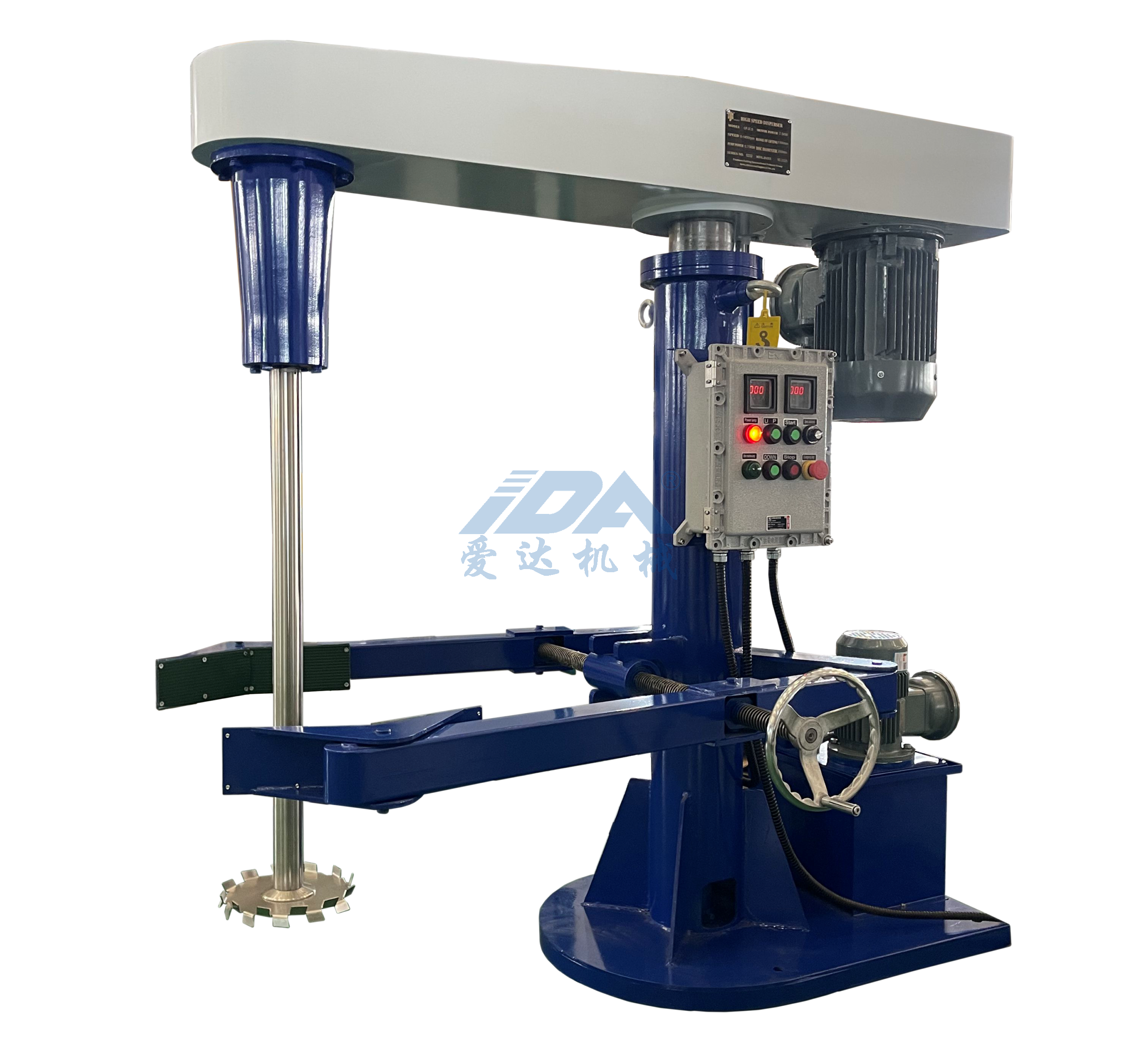
80+ Countries
Global Reach
5,000+ Units
Delivered
99% Rated
Satisfaction
ISO/CE/ATEX
Certified
Industrial High-Speed Disperser – Essential Equipment for Mixing and Dispersion
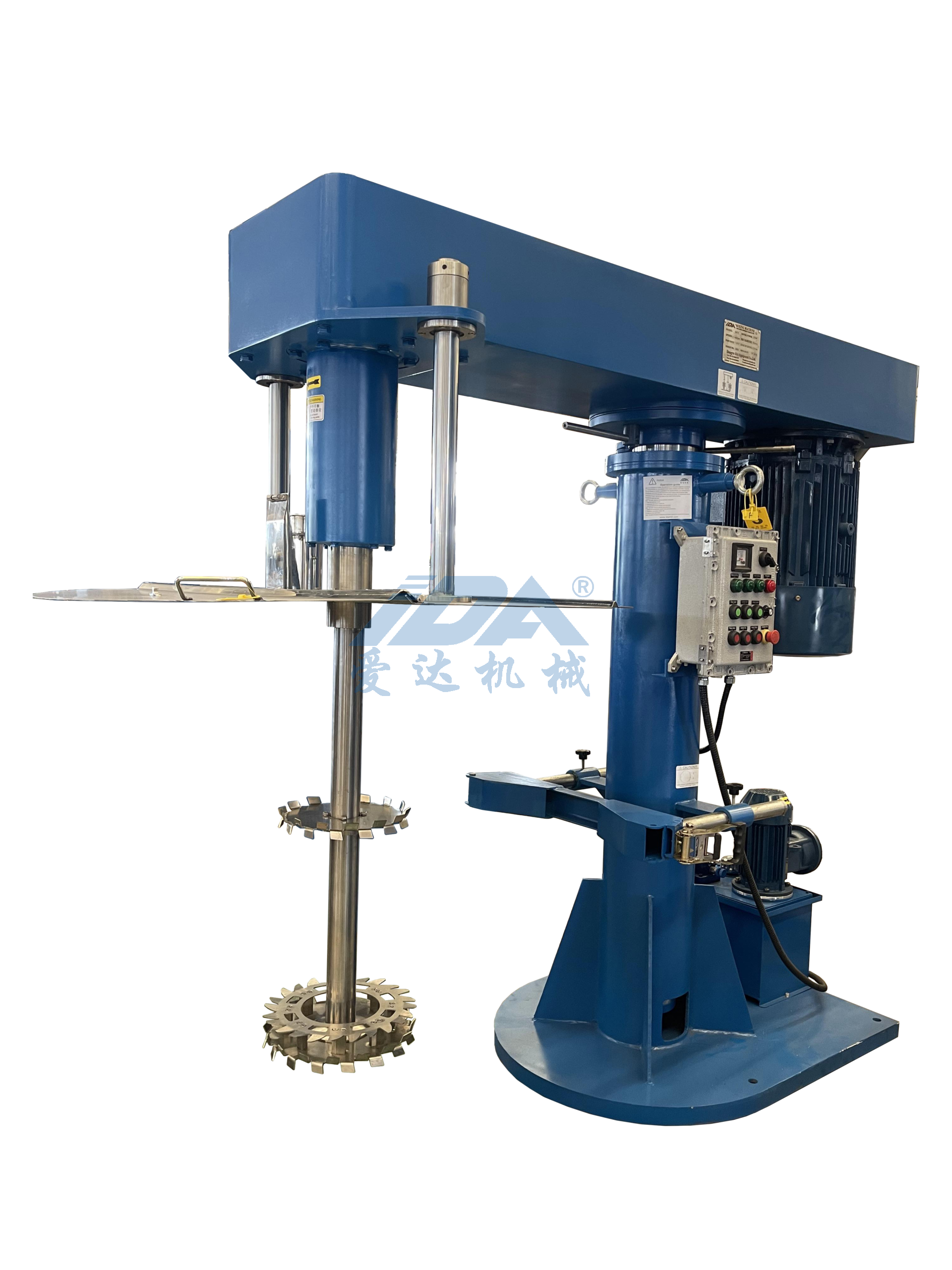
5-500
KW Range
3,000
Max fpm
500K
cP Viscosity
A high-speed disperser is essential industrial mixing equipment that helps in uniformly mixing and dispersing solid particulates within a liquid by applying high shear and turbulent flow via a rotating disperser blade. The high peripheral speed of the blade creates strong pumping action that breaks down agglomerates, and thoroughly wet powders and pigments, creating homogenous mixtures with a consistent particle size distribution.
We have customized high-speed dispersers for demanding applications in the paints, inks, coatings, adhesives, cosmetics, chemicals and allied manufacturing industries. We offer complete systems for your dispersion and mixing needs including compact bench-top high-speed mixers for laboratory R&D and large-scale production mixers with hydraulic lifting systems and integrated control boxes.
High Shear Mixing:
Effective deagglomeration and particle size reduction with the application of mechanical shearing.Vortex Formation:
A controlled vortex draws powders into the shear zone for rapid moistening.Turbulent Flow:
We have incorporated systems that ensure uniform dispersion throughout the entire batch.Precise Control:
Optimized blade speed and tip speed with the use of variable speed drives.How It Works: High Speed Disperser Working Principle
The high speed disperser working principle is based on converting rotational movement into shear energy within the liquid. This is done by using the high speed impeller with a specific blade diameter and profile. When the impeller rotates, the tip speed is the most important factor, and is measured in feet per minute. This factor determines the shear level and the turbulent flow level.
Vortex Formation
The circulation pattern generated by the rotating saw-tooth disc draws materials from the top and pushes them down to the blade zone. This circulation ensures that every material gets to pass through the high shear region.
High Shear Zone
With the high peripheral speed at the blade tips, shear forces are generated that break down agglomerates. This is also where individual particles are separated and the surfaces of the powders are quickly wetted.
Turbulent Mixing
The disc that has been designed to create a turbulent flow develops a chaotic movement among the fluids that displace the particles and create a homogeneous dispersion. This ensures that the quality of the end products are consistent.
The Dispersion Process Step By Step
The impeller creates three effects when liquid is forced through gaps between serrated blade teeth.
01
Using Mechanical Impact: The rotating blade teeth can strike particles and de-agglomerate them by breaking apart and exposing new surfaces.
02
Using Hydraulic Shear: The liquid’s velocity can create a shear force that continues to reduce the size of the particles.
03
Using Cavitation (in some cases at very high speeds): Micro-bubbles can form and collapse, which creates high pressures that can help with the process of de-agglomeration.
When creating pigment dispersions or emulsions, this type of high shear is very important due to the controlled particle size distribution and the prevention of re-agglomeration. All variables of the disperser design, high-speed disc geometry, and the control box settings will determine the repeatability of the production and the quality of the product.
Important Parts of a High Speed Disperser
Knowing the important components will help you choose the right equipment and support the best possible performance.
Disperser Blade (Disc)
The disperser disc is the core of the disperser. The saw-tooth design creates optimal shear force. The blade diameter should be 1/3 of the diameter of the vessel. They come in different configurations.
- General Dispersion – standard saw-tooth
- High Viscosity Materials – ring blade
- Low Viscosity Mixing – butterfly blade
Motor and Drive System
This gives power to the impeller rotation. The variable frequency drive (VFD) provides a range of precise control of the revolutions per minute (rpm) and are made in standard and explosion-proof configurations for hazardous areas.
- Power range: 0.55kW to 45kW
- Variable speed: 0-1,450 rpm
- Explosion-proof options are available
Control Box
The control box is where the VFD and operator interface are located. It contains speed control, an rpm display, and safety systems, and is available in both digital and analog configurations.
- Digital speed display
- Emergency stop
- Overload protection
Lifting System
The impellers are raised and lowered using either hydraulic or pneumatic systems for lift systems. This provides easy positioning and vessel changeover.
- Hydraulic: Smooth, Powerful, and Precise Operations
- Pneumatic: Simple and Safe for Hazardous Environments
- Manual: Cost-effective for Smaller Refrigeration Labs
Shaft & Bearings
Transmits the rotational force of the motor to the impeller. High rpm durable bearings for smooth operation. Shaft length can be tailored to the depth of the vessel.
- Stainless steel or carbon steel
- Sealed bearings to prevent contamination
- Accessible maintenance
Safety Features
Designed to protect the operators and ensure the safety of the process. Features such as guards, interlocks and explosion proof grounding.
- Blade guard / splash guard
- Emergency stop systems
- Static grounding for solvent use
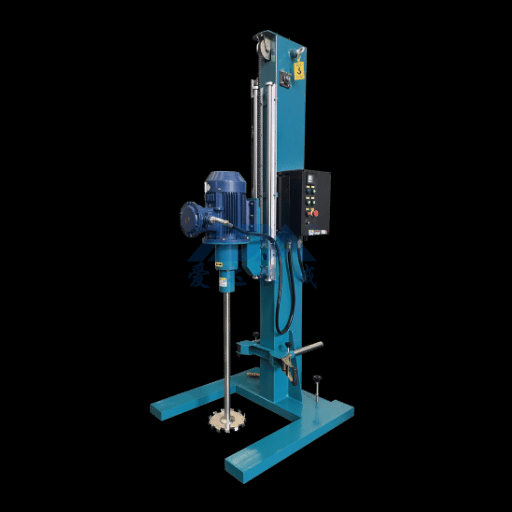
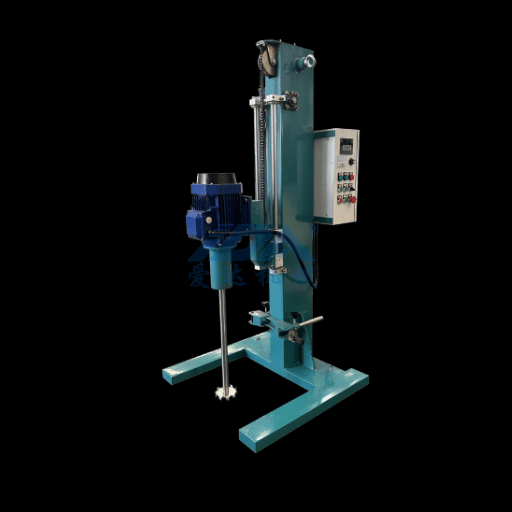
Engineering Excellence: Electric Lift Disperser Series
Explore our state-of-the-art Electric Lift Disperser manufacturing facility and equipment
01
02
03
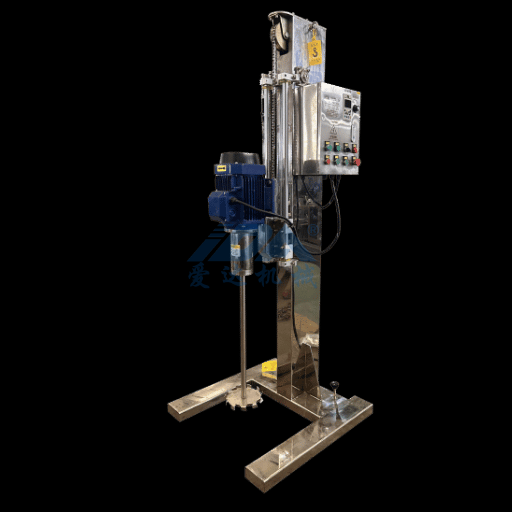
04
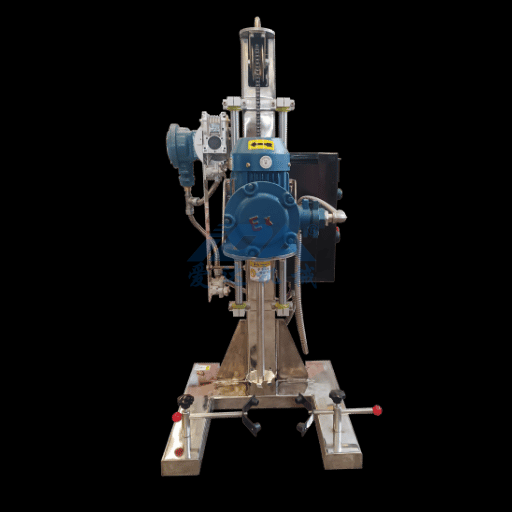
Manual Lift Disperser with Variable Speed Control – Gallery
Explore our complete range of high-quality manual lift dispersers for various industrial applications
1.1kW
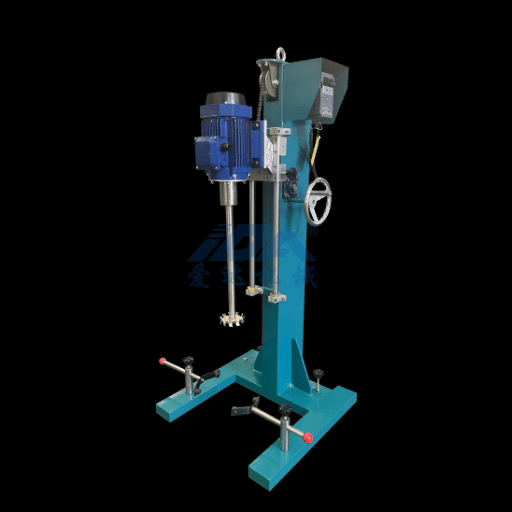
1.1kW Manual Lift Disperser
1.1kW
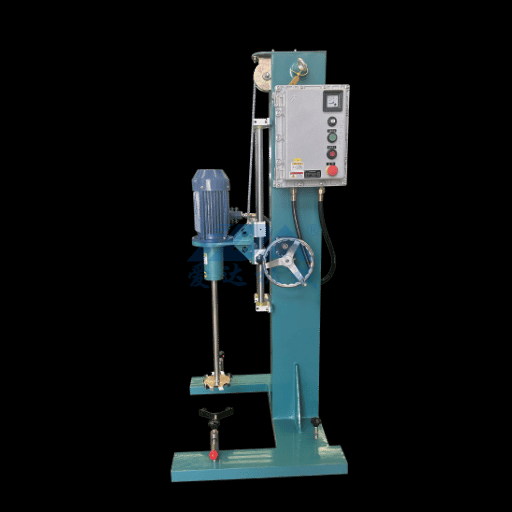
1.1kW Explosion-proof Manual Lift Disperser
2.2kW
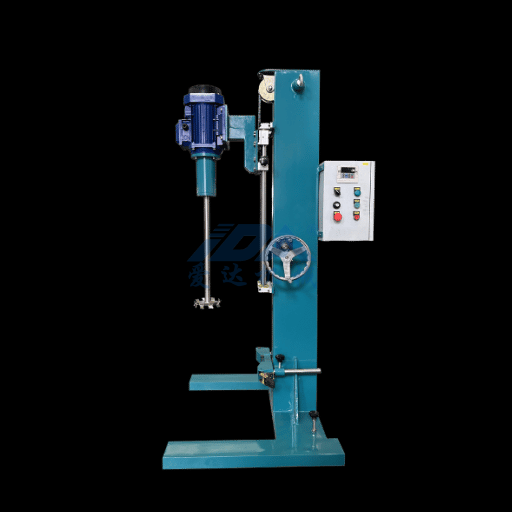
2.2kW Manual Lift Disperser
4kW
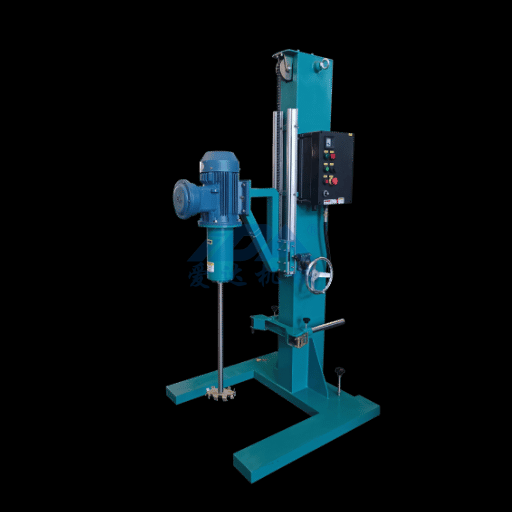
4kW Explosion-proof Manual Lift Disperser
200L Drum
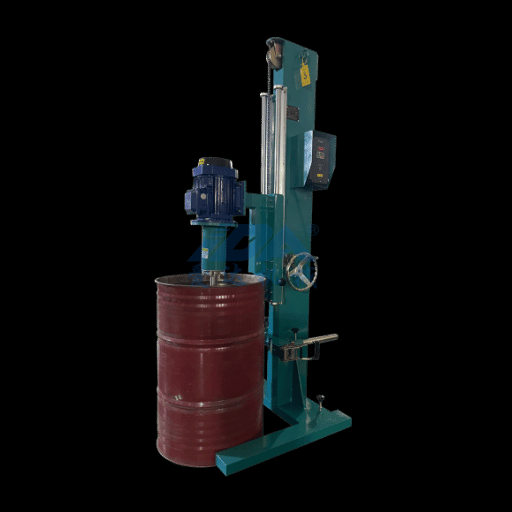
200L Oil Drum Specific Manual Lift Disperser
With Cover
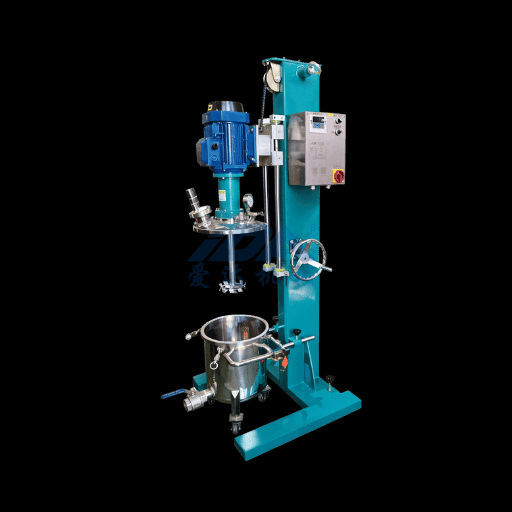
Manual Lift Disperser with Cover
Frame Type
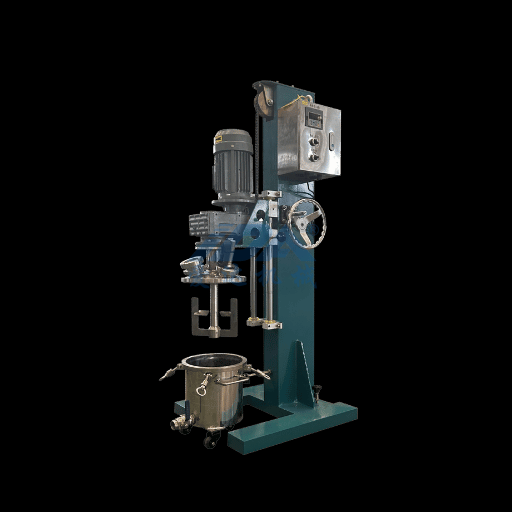
Frame-type Manual Lift Disperser
Ribbon Type
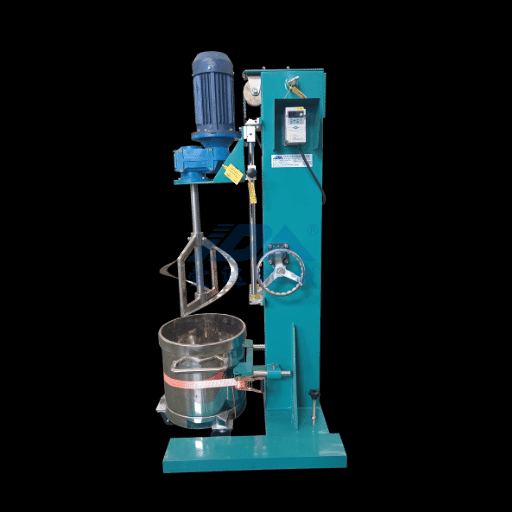
Ribbon-type Manual Lift Disperser
Stainless Steel
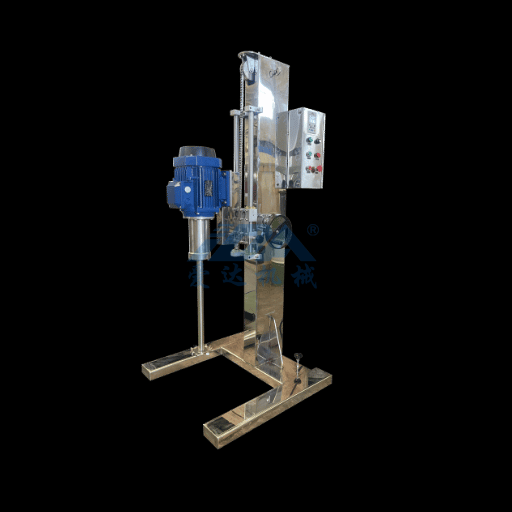
All Stainless Steel Manual Lift Disperser
Clamp Type
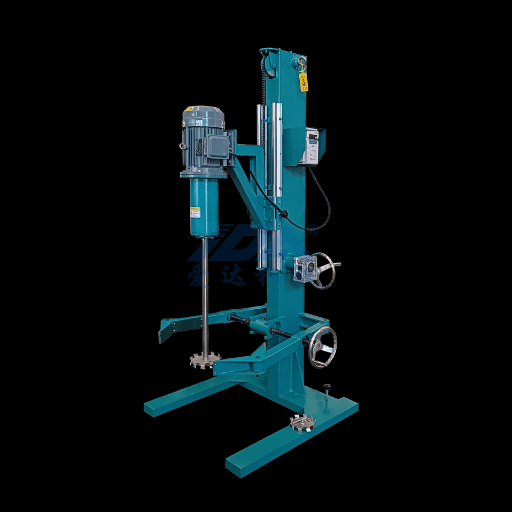
Clamp-type Manual Lift Disperser
Double Shaft Disperser Product Gallery
High-Efficiency Dual-Shaft Disperser — Premium Dispersion Equipment Engineered for Coatings, Inks, Pigments, and Chemical Industries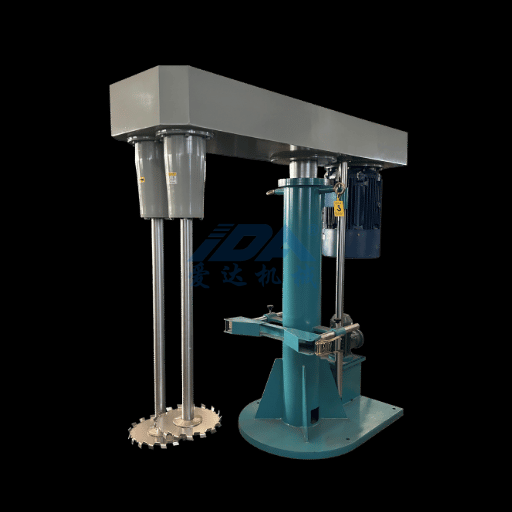
Double-shaft disperser
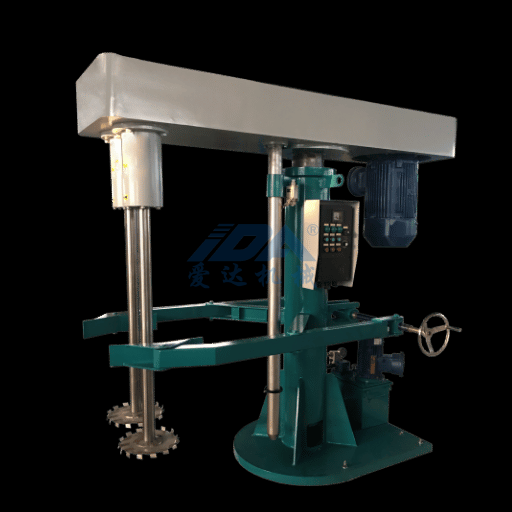
Explosion-proof double-shaft disperser
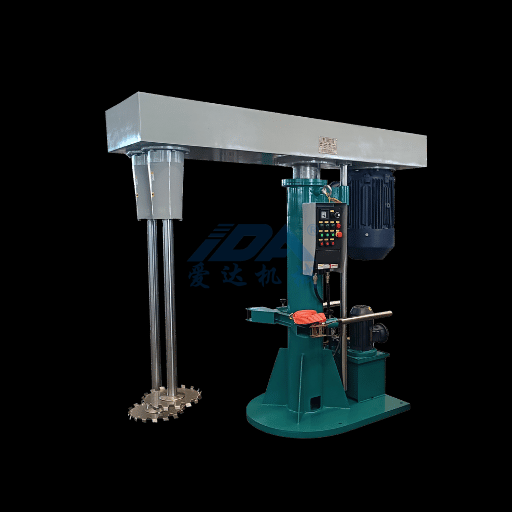
Hand-cranked double-shaft disperser
Explore Our Hydraulic Lift Disperser Series
High-speed dispersers of professional grade are suitable for industrial mixing applications with hydraulic lifting systems for fast and precise material processing.
Other High Speed Disperser Product Range — China Manufacturer Direct
As a top disperser provider, IDA specializes in high speed mixing equipment and offers complete product lines. All products are available for wholesale with factory direct pricing.
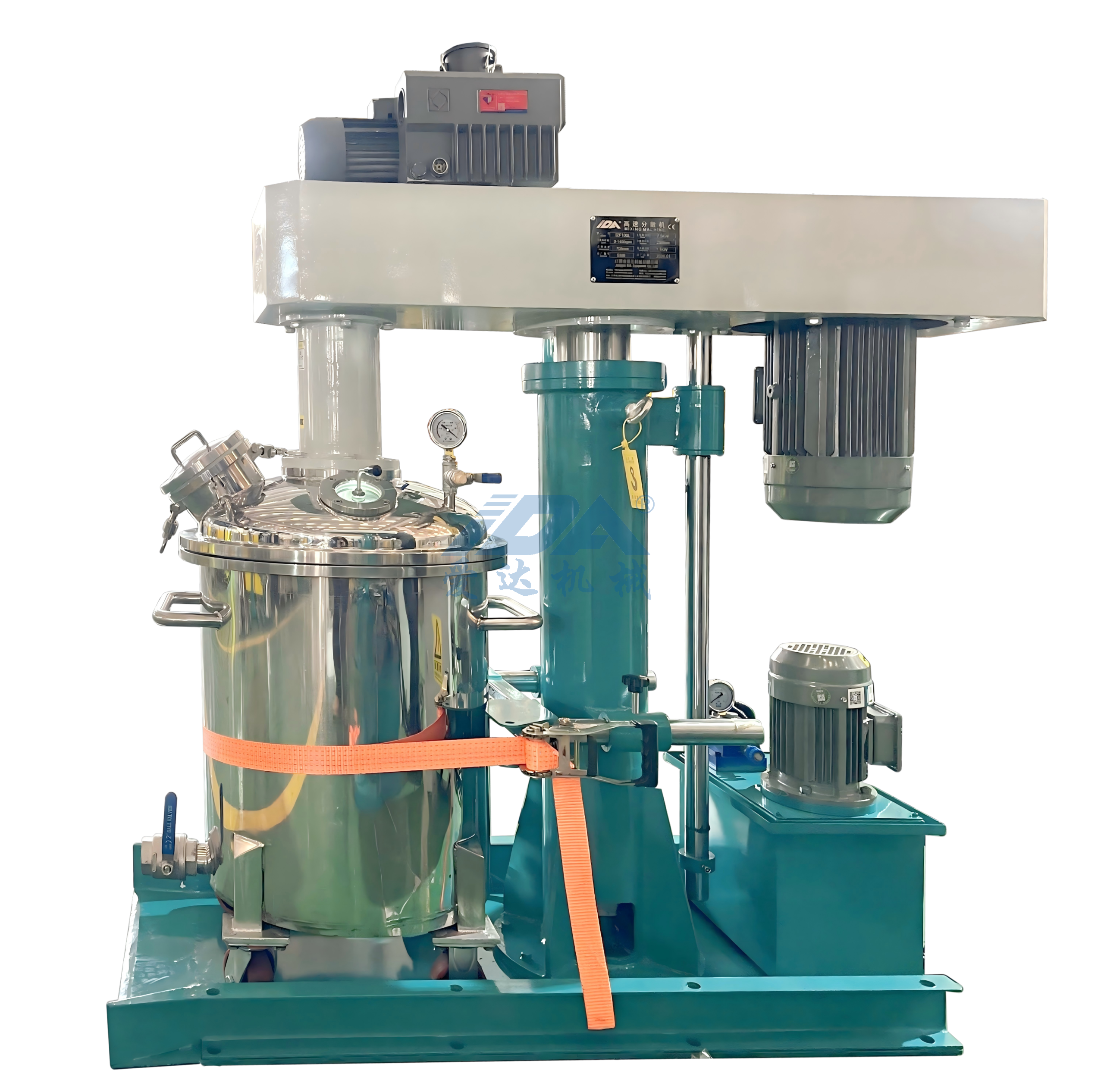
Vacuum Defoaming High Speed Disperser
IZF Series | Bubble Free Dispersion | Premium QualitySpecial vacuum dispersers for bubble free dispersion. For applications in which coating, ink, or battery slurry are vacuumed to -0.09MPa, and entrapped air causes defects.
Vacuum level up to -0.09MPa (-0.9 bar)
Eliminates air entrapment and inhibits foaming
Volatilization of solvent is prevented with the closed system
Accelerates dispersion fineness and wetting
Ideal for battery slurry, adhesives, sensitive emulsions
Sight glass for process observation
Inert gas (N₂) protection available
Heating/cooling jacket options
Laboratory High Speed Disperser
ISF Series | Bench Top | R&D & Small Batch ProductionHigh speed mixer that is bench top and compact for R&D, formula development and small batch processing. Versatile enough to disperse, grind, stir and mix.
Bench top design for laboratory environments
Processing volume: 1L – 200L capacity
Multi-functional: disperse, grind, stir, emulsify
Digital display for rpm and timer control
High speed: up to 2,800 rpm for small blades
Scale-up data correlation to production mixers
Manual/Electric/Hydraulic lift options
Compact footprint, easy to relocate
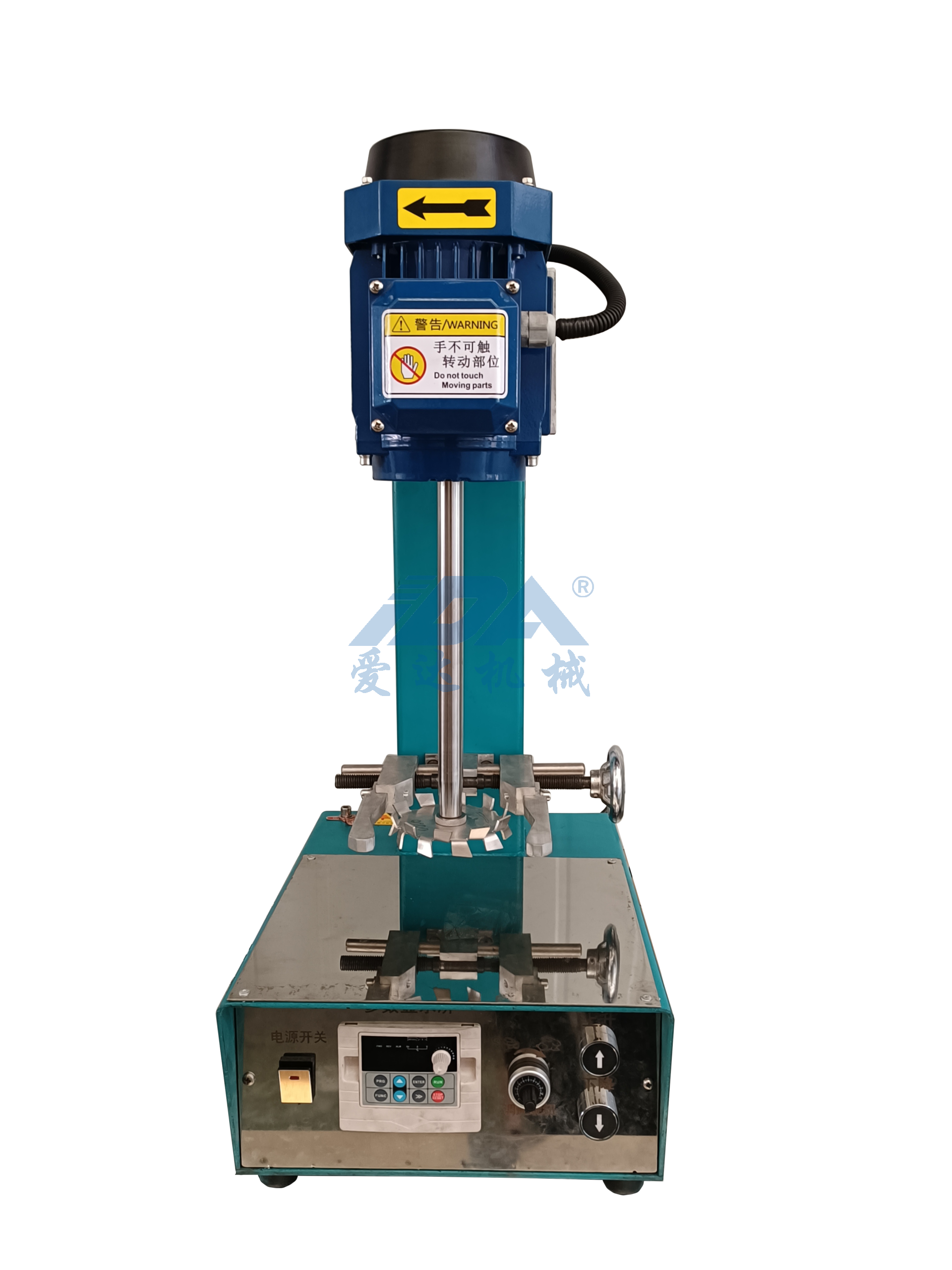
Key Things to Consider When Selecting a High Speed Disperser
When you understand the following parameters, you can select the best disperser and improve the efficiency of your dispersion process and the consistency of your product dispersion.
Blade Diameter
For optimal flow, a blade diameter of about 1/3 the diameter of the tank is ideal. This determines the circulation pattern of the vessel and impacts tip speed.
Typical ranges are 2 to 24 inches
RPM / Blade Speed
The rotational speed of the impeller is determined by a combination of blade diameter and tip speed. Variable frequency drives provide precise control of the blade speed.
Ranges are from 0 to 3000 RPM
Viscosity Range
Dispersers typically handle low to medium viscosity. An anchor agitator helps high viscosity materials over 50,000 cP and is dual-shaft designed.
Ranges are from 0 to 500,000 cP
Motor Power (KW)
The shear level, batch size, and viscosity determine the power requirement. As a rule of thumb, medium viscosity requires about 1 KW per 10 gallons.
Ranges are from 0.5 to 500 KW
Batch Capacity
Working volume capacity can range from laboratory scale to full production. The circulation efficiency and vortex formation is affected by the vessel geometry.
1 – 5,000 Gallon
Drive System
V-belt systems is a shock absorbing and economical solution. Direct drive systems provide high precision speed control. Choice drives maintenance and performance.
V-Belt / Direct Drive
Control System
VFD and a PLC can allow automated processes through a programmable control box. Speed profiles can be set for process optimization via data logging.
VFD / PLC Options
Industries We Serve Worldwide
High Speed Disperser Applications
Across industries, our disperser mixers provide dependable dispersion and consistent mixing for pigment dispersions, emulsions, and solid-liquid mixing
01
Paint & Coatings
Accomplish champion pigment dispersion for color strength and gloss. Suitable for latex paint, industrial coatings, and automotive finishes.
02
Ink Manufacturing
Pigment dispersions for offset, digital, and UV inks. Color development and particle size consistency for the ink market.
03
Adhesives & Sealants
Dual shaft dispersers to fine tune rheology targets for epoxy, polyurethane, and silicone adhesives. Process high viscosity formulations.
04
Cosmetics
For lotions, emulsions, and creams create stable emulsions. Sanitary design surpasses food processing hygiene standards.
05
Battery Materials
Disperse electrode materials for lithium battery slurry. High precision mixing for the production of anode and cathode pastes.
06
Chemicals & Resins
For specialty chemicals, polymers, and pesticides, industrial mixing. Mix with non-flammable liquids with explosion-proof options.
07
Food Processing
Hygienic construction dispersers also for emulsions, dressings, and sauces. Dispersers also for the emulsions flavored with sauces.
08
Pharmaceutical
Dispersers for ointments and suspensions, the particle size dispersion of active ingredients for compliant with good manufacturing practices.
Common Dispersion Challenges Solved by Our High Speed Platform Disperser Systems
We are a China disperser manufacturer with more than enough experience developing solutions for the challenges you face with reliable and consistent dispersion.
01
Problem
Poor Pigment Wetting & Fish Eyes
When the pigment and powders are not mixed well, it results in the formation of stubborn agglomerates and fish eyes. This causes mixing to be inconsistent and can create coating defects and rejected batches.
Solution
Optimized Shear Force & Vortex Control
High speed disperser creates a controlled vortex with the right tip speed to pull powder into the vortex shear zone. Our staged speed profiles ensure complete wetting without air being trapped.
02
Problem
Inconsistent Batch to Batch Quality
Particle size distribution is set between batches. The uniformity of viscosity and dispersion quality is inconsistent, leading to customer complaints, rework, and wasted raw materials.
Solution
Accurate Controls & Repeatability
The digital electric control box with VFD allows customizable speed profiles which can be saved for repeatable results. Parameters are documented to ensure consistent quality on the blades after each batch.
03
Problem
Air Entrapment & Foaming Issues
Too much of a vortex and air gets sucked into the mix, and trapped bubbles create foam. This can negatively impact the product, especially in coatings, inks, and sensitive emulsions.
Solution
Vacuum Functionality & Appropriate Blade Design
Dispersers with vacuum capabilities remove air from the processing mix. Adjustable hydraulic lifts set and maintain the impeller at optimum depth. Appropriate blade diameter selection reduces air entrapment and increases shear.
04
Problem
High Viscosity Processing Difficulty
Standard mixers have difficulty with thick pastes and materials higher than 50,000 cP. Due to inadequate mixing, there may be unmixed areas, overheating of motors, and insufficient dispersion.
Solution
Dual Shaft Design with Anchor Agitator
Multi-shaft mixers combine a high-shear disperser with a slow-speed anchor and wall scraper. This guarantees complete circulation for adhesives and sealants up to 500,000 cP and ensures uniform mixing.
05
Problem
Safety Concerns with Flammable Solvents
Working with solvent-based coatings, inks, and chemicals with standard motors may pose a fire risk due to overheating, and can be classed as a conduit for hazardous areas.
Solution
Explosion-Proof & Intrinsically Safe Design
Our Explosion-proof high-speed disperser with ATEX/IECEx certification, includes sealed control boxes and an integrated grounding system. We offer a pneumatic lift to remove electrical ignition sources.
06
Problem
Scale-Up Failures from Lab to Production
Formulas made in the laboratory fail to reproduce at scale in production. With increases in batch volume, there is a substantial change in particle size and the quality of dispersion which may require an expensive reformulation.
Solution
Geometric Similarity & Tip Speed Matching
Do not change the tip speed in feet per minute, from during the scale-up, and maintain the same impeller to vessel ratio. Our engineers assist in translating laboratory parameters to ensure consistent outcomes at any production scale.
When Should You Choose a High-Speed Disperser?
Select a high-speed disperser when your application demands rapid dispersion of solids into liquids, aggressive deagglomeration of a pigment, or where consistency, particle size, and product quality are critically important.
High-Speed Disperser Is Ideal For:
Recommended- Incorporating powder into liquids rapidly.
- Dispersion of pigments in paints, inks, and coatings.
- Dispersing soft agglomerates (Mohs hardness <5).
- High shear and turbulent flow materials.
- Batch sizes of 1L up to 2,500L.
- Viscosity of 1 to 50,000 cP (single shaft).
- When speed and efficiency are priorities.
- Premixing prior to bead milling.
Consider Alternative Equipment When:
Alternatives- Extremely fine particle size is required (< 5 microns) bead mill
- High viscosity liquids (> 100,000 cP) planetary mixer
- Hard agglomerates (Mohs > 5) bead mill or media mill
- Continuous processing is required inline high shear mixer
- Nano-scale dispersion is required high-pressure homogenizer
- Gentle mixing only is required anchor or paddle mixer
Why Is IDA Your Best Choice for a High Speed Disperser Manufacturer China?
Work with a reliable Chinese supplier and manufacturer for the best quality products and affordable prices
Factory Direct Wholesale
Eliminate the middlemen. Save 40-60% compared to European and American competitors. We ship directly from our factories located in Jiangyin, Jiangsu Province.
15+ Years Expertise
Focused in the industry of wet dispersion grinding technology since 2008. We have a technical partnership with Wuhan University.
Quality Certified
Patented in the USA and CE certified. We have ISO 9001 certification for Quality Management. QC Los Angeles follows strict incoming and outgoing QC.
Custom OEM/ODM
Flexibility for customized products to meet your requirements. Custom sizing, materials, Ex-proof, sanitary. We build products to your needs.
Free Lab Testing
Join us in our lab. We conduct grinding tests using your materials and evaluate the best parameters to be used prior to your purchase.
Fast Production
Standard units take us 2-3 weeks to manufacture. Custom units take us 4-6 weeks. We have fast shipping to all countries.
Global Export Experience
We have exported our products to USA, Europe, Asia, Africa, Australia and 50 other countries. We comply with all separate international countries’ requirements.
Responsive Support
We provide technical support via email, phone, and WhatsApp 7 days a week, 24 hours a day. Troubleshooting, spare part requests, and inquiries.
High Speed Disperser Engineering Calculator
Professional tools to help you calculate tip speed, select the right equipment size, and choose between disperser and mixer for your application.
Tip Speed Calculator
Calculate the peripheral velocity of your disperser blade. Optimal tip speed range: 4,000 – 5,500 ft/min (20 – 28 m/s) for most applications.
RPM
Disperser Sizing Calculator
Determine the required motor horsepower and optimal blade diameter based on your batch size and vessel dimensions.
Disperser vs Mixer Selector
Answer a few questions to determine whether a High Speed Disperser or High Shear Mixer is better suited for your application.
What is your primary processing goal?
Ready to Find the Perfect Disperser for Your Application?
Get Instant QuoteCustomer Success Stories: How IDA High-Speed Dispersers Deliver Real-World Solutions
Automotive Coatings Manufacturer Gains 40% Increased Dispersion Rate with Hydraulic Lifting High Speed Dispersion System
Project Overview
The Challenge
The customer is a second-tier supplier for automotive coatings, serving major OEMs in the Midwest. He is facing large bottlenecks in production. Operational challenges with the disperse and the impact on quality and throughput.
Identified Operational Challenges:
- Inconsistent quality: the fineness of grind is 15-25 microns which does not meet customer specifications.
- Slow throughput: 8-10 batches per day is the max output and one batch takes 90 minute to achieve acceptable dispersion.
- Operational rework: manual intervention is required to break up large particles that are formed from the accumulation of materials on the base of the vessel.
- Regular Maintenance: seal replacements on the pneumatic lifting system are required which result in 4 hours of downtime each week.
IDA Solutions: IGF-30 Hydraulic Lifting High Speed Disperser
After carefully preparing for a technical consultation that included a video call factory tour and analysis of the client’s material specifics (TiO2 pigment loading at 45% solids, vehicle with a viscosity of 800-1200 cP), the engineering team suggested the IGF-30 Hydraulic Lifting High Speed Disperser with custom configurations.
Given the following technical specifications:
Motor Power
30 HP (22 kW) with a variable frequency drive
Speed Range
0-1800 RPM, with infinite adjustability
Blade Configuration
18-inch Cowles blade, with high lift tooth design.
Tip Speed Capability
Up to 5,400 fpm (calculated: π × 18″ × 1800 RPM ÷ 12 = 8,482 fpm max; recommended operating range 4,500-5,500 fpm)
Hydraulic Lift Stroke
48 inches, with precision positioning
Vessel Compatibility
300-600 gallon portable tanks
Implementation Steps
Week 1-2
Pre-shipment Testing
Factory acceptance testing performed with the client’s actual pigment sample, which was first sent to our facility. Dispersion performance documented via video.
Week 3-5
Shipping and Customs
Sea freight to be arranged from Shanghai to Cleveland, with end-to-end export documentation and customs clearance support to be provided.
Week 6
Installation Support
Remote installation support via video call with the client’s maintenance team. Electrical and hydraulic connection diagrams to be provided.
Week 7-8
Process Optimization
Based on the geometry of the vessels, the IDA technical team created an optimization for the positioning of the blades and procedures for varying formulations.
Results Achieved
Within the first 90 days, the customer reported the following metrics.
Metrics & Results
| Metric | Before | After | Improvement |
|---|---|---|---|
| Dispersion Cycle Time | 90 min | 54 min | 40% improvement |
| Fineness of Grind | 15-25 microns | 10-12 microns | Consistently within spec. Achieving 10-12 microns |
| Daily Batch Output | 8-10 batches | 14-16 batches | 60%+ increase |
| Unplanned Downtime | 4 hrs/week | <30 min/week | 87% reduction |
| First-Pass Quality Rate | 78% | 96% | 18 point increase |
Client Testimonial
“Within just over 6 months the IDA disperser has already paid for itself with the increased throughput. The hydraulic lifting system has also been a nice upgrade with our operators now able to position the blades with millimeter precision, something that was impossible with our old pneumatic unit. IDA also deserves a shoutout for their remarkable technical support given the time zone differences. They are always there when you need them.”
Lithium Battery Manufacturer Zero-Defect Slurry with Vacuum High Speed Disperser
Project Overview
The Challenge
The client is a fast-growing manufacturer of electric vehicle (EV) batteries for North American EVs, and has been experiencing high defect rates in their electrode slurry prep. As they transitioned from pilot to full-scale production, slurry quality was leading to unacceptable cell rejection rates.
Critical Issues Identified:
- Micro-bubble entrapment: Bubbles formed during high speed mixing were leading to coating defects, with ~3.2% of coated electrodes exhibiting pinholes post drying.
- NMP solvent evaporation: During open vessel processing, NMP (N-Methyl-2-pyrrolidone) solvent evaporation resulted in viscosity drift and a need for ongoing formula adjustments.
- Active material agglomeration: Agglomerates of NCM 811 cathode material that were not fully disintegrated were producing non-uniform lithium-ion transport within the finished cells.
- Safety concerns: NMP vapors in the processing environment were reaching OSHA exposure limits, and costly ventilation improvements were necessary.
IDA Solution: IZF-22 Vacuum High Speed Disperser
Over the course of three weeks, our application engineers collaborated with the client’s R&D team and gained a comprehensive understanding of the client’s slurry formulations and processing needs. Custom slurry battery application features were added to the IZF-22 Vacuum High Speed Disperser.
Equipment Configuration
Motor
22 kW explosion-proof motor, ATEX/IECEx certified
Vacuum System
Integrated vacuum pump, -0.095 MPa, with automatic pressure regulation
Vessel
300L jacketed stainless steel tank, water-cooled
Blade
Tungsten carbide coated 400mm high shear dispersion disc
Sealing
Double mechanical seal with nitrogen
Controls
PLC with touchscreen HMI, 50 formulation recipe memory
Vacuum Dispersion Advantages
Vacuum environment slurry preparation process improvements:
De-aeration while dispersing
vacuum pulls dissolved gasses from the slurry and disperses. This eliminates the need for a separate degassing step.
Solvent retention
System seal reduces nMP evaporation. This maintains a consistent solids content throughout the batch.
Better wetting
Air removal from binder particle surfaces increases binder to particle contact for wetting the active materials.
Safety
Processing vapor emissions are zero, eliminating worker exposure concerns.
Results Achieved
Production operations has run for 6 months:
Metrics Achieved
| Metric | Before | After | Improvement |
|---|---|---|---|
| Coating Defect Rate (pinholes) | 3.2% | 0.08% | Decreased from 3.2% to 0.08% |
| Solvent Loss per Batch | 2.3% | <0.1% | Decreased from 2.3% to <0.1% |
| Slurry Viscosity Variation | ±8% | ±1.5% | Decreased from ±8% to ±1.5% |
| Cell Capacity Consistency | Baseline | Improved | Standard deviation improved by 67% |
| Processing Area Air Quality | Near OSHA limits | Undetectable | NMP levels undetectable |
Long-Term Impact
The client has now placed an order for three more units of the IZF-22 for the further expansion of their production. Improvement of the quality of the slurry helped them achieve the status of a Tier-1 supplier to an EV program of a leading US automaker. From reduced cell rejection rates, the client saved more than $420,000 during the first year of operation.
Specialty Ink Manufacturer Solves Pigment Agglomeration with Optimized Tip Speed Control
Project Overview
The Challenge
With over 40 years of operation, this ink manufacturer and their family business was facing issues in meeting quality demands of their packaging customers. Their current disperser, although workable, was failing to provide the precision and control needed for today’s stream of high-performance inks.
Key Issues:
- Lack of consistency for the fineness of the grind: Hegman gauge readings ranged across batches from 5 to 7 and required their specification from the customers to hold to a 6+ consistent reading.
- Lack of consistency for color: This affected packaging due to critical branding color match with a Delta E value exceeding 1.5, which also resulted in an issue of color consistency across batches.
- Damage to organic pigments: Over-shearing phthalocyanine blue and green pigments resulted in gloss loss and a color shift in the final print.
- Absence of process documentation: A lack of actual processing parameters made for poor troubleshooting, difficulty in reproducibility, and loss of consistency.
IDA Solution: Precision-Controlled Dispersion
A member of our technical team has closely analyzed the client’s formulations and determined that the main issue was the absence of tip speed control. Various pigment types necessitate differing levels of energy input; gentler processing is required for organic pigments as compared to inorganic pigments such as TiO2.
Here are the features:
- VFD: Adjustable between 0-1500 RPM and can be set to any 1 RPM step.
- RPM Display: Updated in real time and can capture and record the data.
- Blade Options: Standard 12″ Cowles blade for most inks and a 12″ ring blade for shear sensitive formulations.
- Integrated Tip Speed Calculator: The human-machine interface (HMI) will show the projected tip speed based on the settings and the diameter of the blade.
Optimizing Tip Speed
The client and IDA engineers collaborated to define the most productive ranges of tip speed for pigments:
| Type of Pigment | Tip Speed (fpm) | RPM |
|---|---|---|
| TiO₂ White | 5,000-5,500 | 1,275-1,400 |
| Carbon Black | 4,500-5,000 | 1,150-1,275 |
| Phthalocyanine Blue/Green | 3,500-4,000 | 890-1,020 |
| Quinacridone Red/Violet | 3,000-3,500 | 765-890 |
The formula for calculating tip speed is Tip Speed (fpm) = (π * RPM * Blade Diameter (inches)) / 12
Results
Metric Result
| Metric | Before | After | Improvement |
|---|---|---|---|
| Hegman Gauge Consistency | 5-7 (inconsistent) | 6.5-7 consistently | Achieving 6.5-7 consistently |
| Color Variation (Delta E) | 1.5 | 0.4 | 0.4 (Down from 1.5) |
| Batch Rejection Rate | 8% | <1% | <1% (Down from 8%) |
| Process Documentation | None | 100% | 100% of processes are fully documented |
| Customer Complaints | Baseline | Reduced | Down 85% in the first year |
Frequently Asked Questions (FAQs)
One type of industrial mixing machine is a high-speed disperser. This machine temporarily suspends solid particles in a liquid while applying high shear rates. The machine uses a rotor that quickly rotates against a stationary component. The rapid turning of the rotor creates strong hydraulic and mechanical shearing which generates a pumping action. This action draws material through the rotor/stator gap for size reduction and improves the wetting of materials.
High speed industrial dispersers are used in the paint and ink industries to process paint colors. They break down the color pigments and binders to improve the color strength and gloss of the paint. Process optimization requires the selection of the correct rotor geometry (i.e., saw-tooth), speed and time in order to achieve product quality.
High speed disperser design factors like rotor design (saw-tooth vs smooth), shaft stability, seal design, and body structure affect efficiency and product consistency. V-belt vs direct-drive systems, electric control boxes with speed control, and deck sealing affect product quality and consistency across batches.
The selection of a v-belt vs direct drive impacts torque, maintenance, and speed control priorities. V-belt systems absorb shock loads, are less expensive, and direct drive systems typically offer greater maintenance-free precision speed control.
The electric control box contains the safety interlocks, speed regulators, and motor controller, which allows the user to fine-tune rotor speed adjustments, as well as ramp-up and ramp-down sequences, and to execute emergency stop functions.
From a low to medium viscosity range, high speed dispersers offer excellent dispersion and pumping capabilities. However, for extremely high viscosity pastes, there may be a need to add other equipment or to alter the rotor geometry to avoid overloading.